


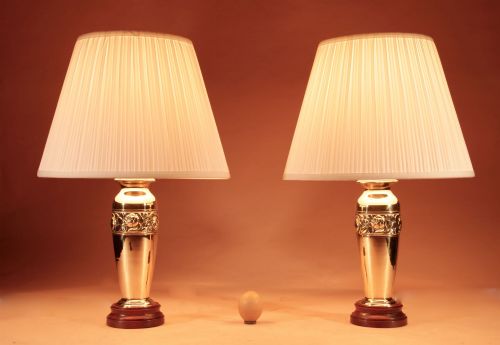
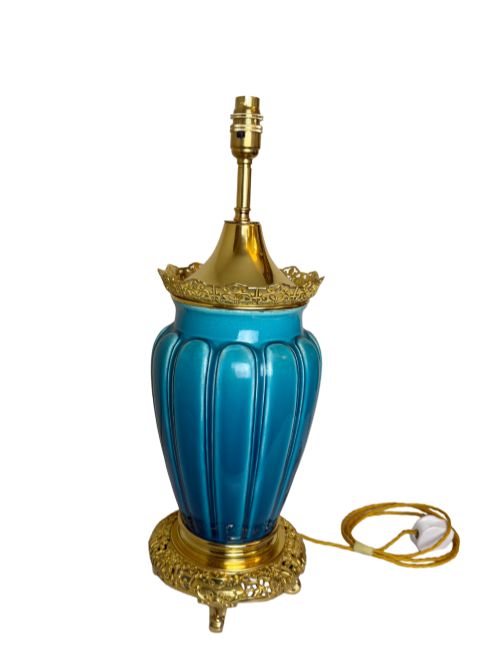

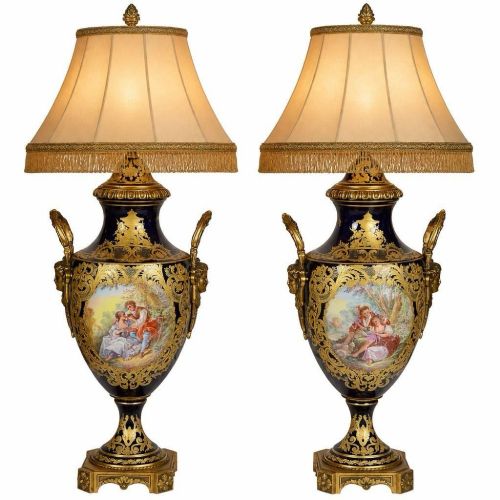
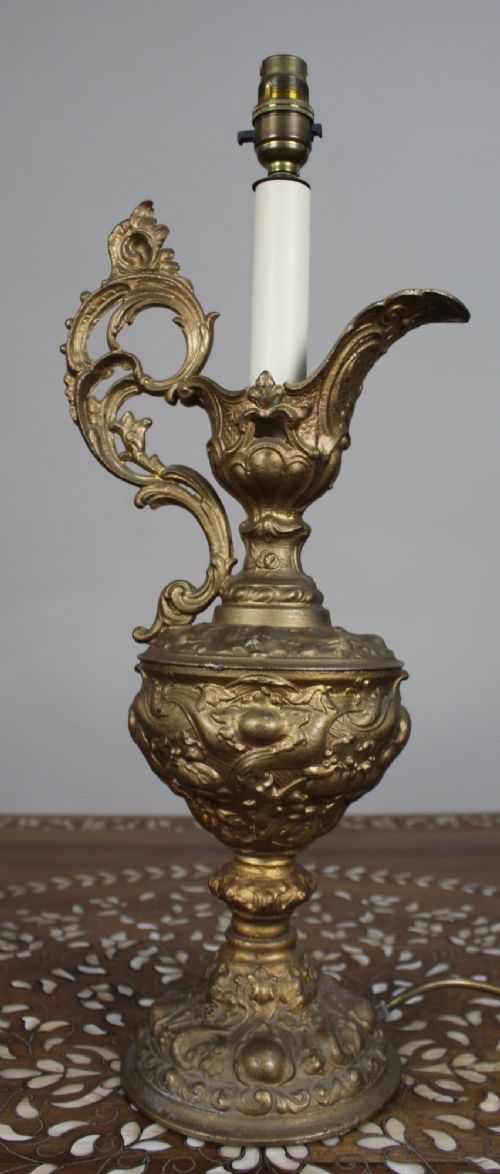
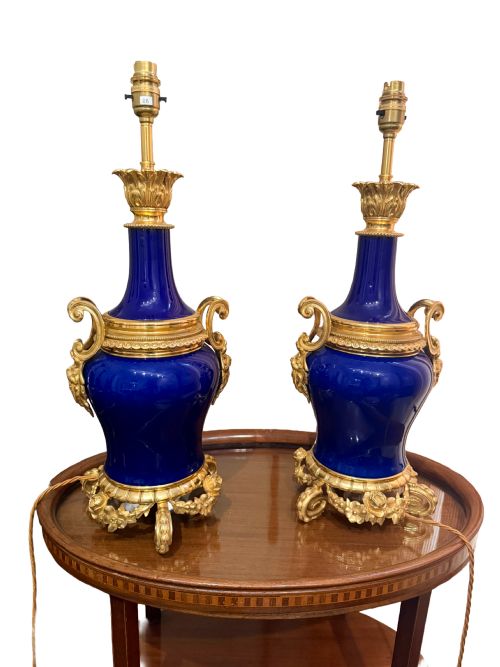
French Urn Lamp
A French urn lamp marries classical classical dignity with domestic illumination, bringing sculptural presence and rich patination to a room.
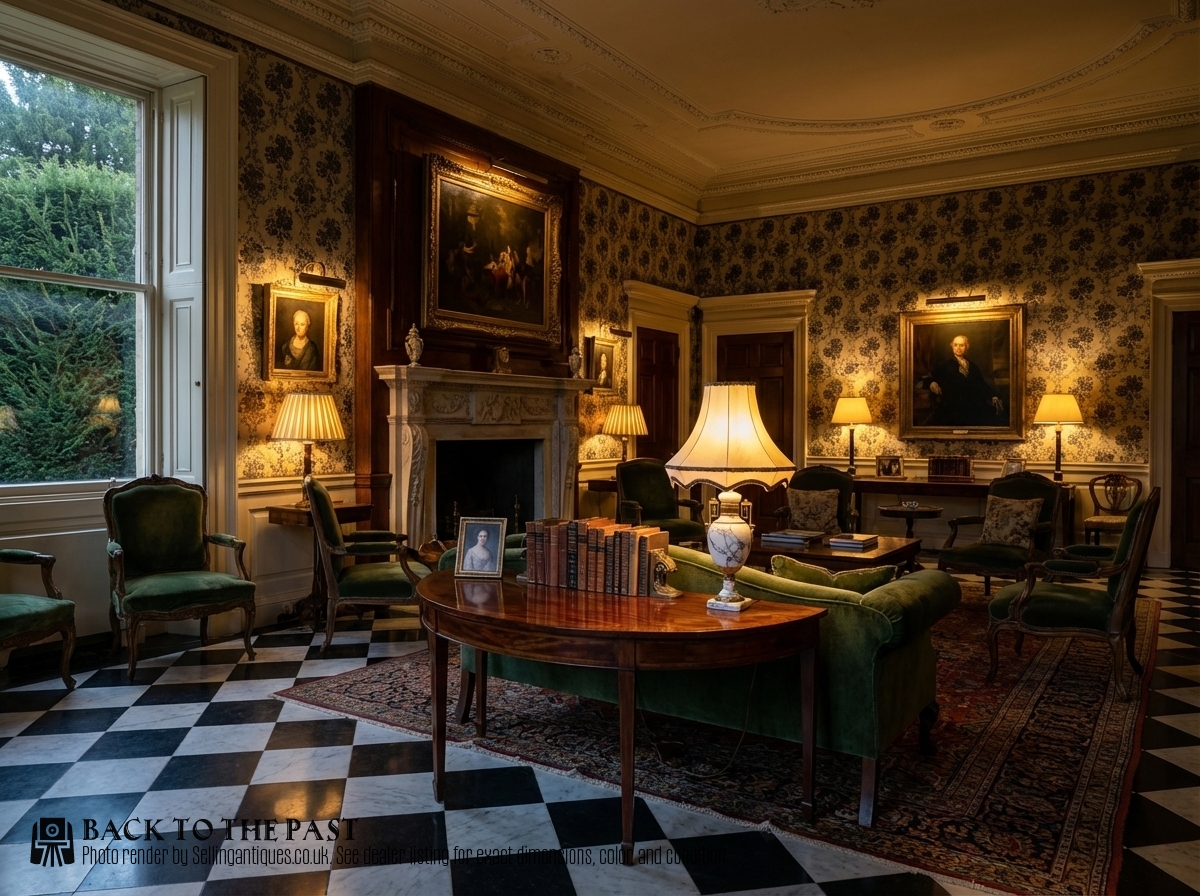
French Urn Lamp
A french urn lamp transforms classical vessels, vases, and decorative containers into functional table lighting. These pieces take inspiration from antique forms, frequently utilising bodies adapted from earlier decorative objects or manufactured specifically to hold electrical fittings.
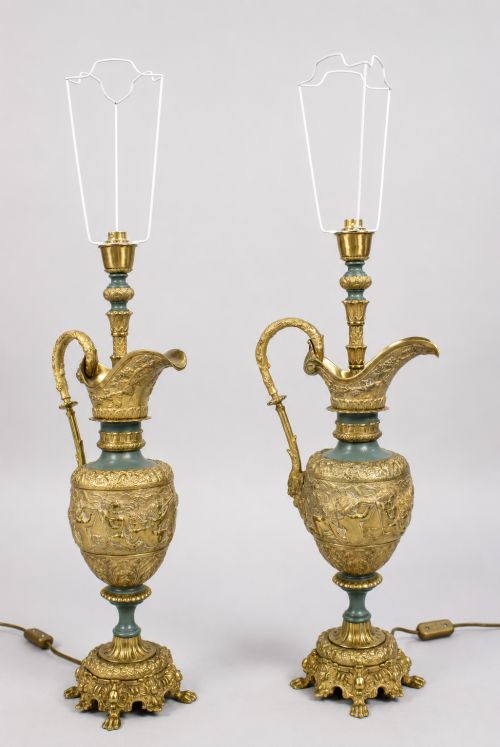
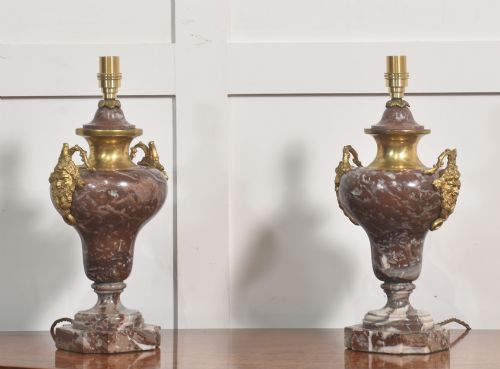
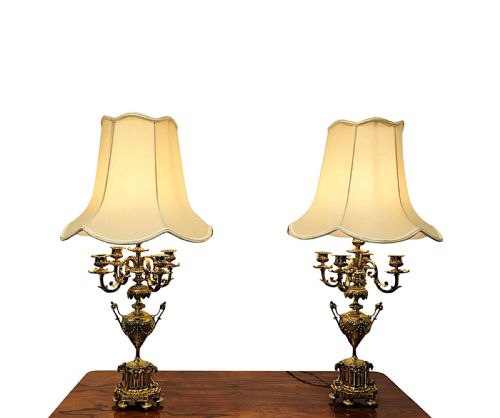
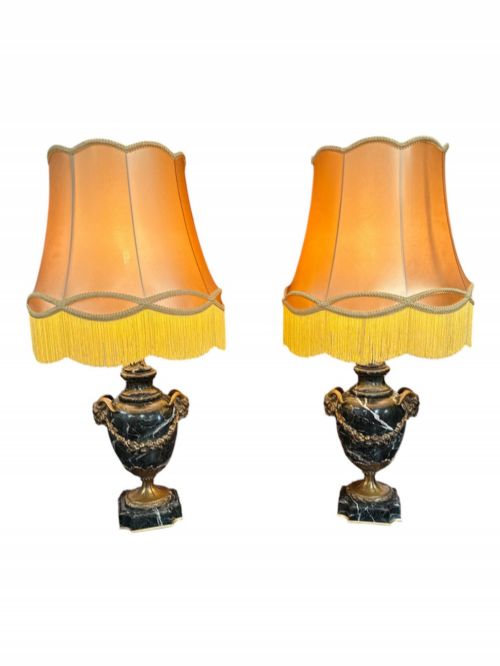
The most common versions encountered here date from the nineteenth century and incorporate traditional neoclassical motifs. Buyers regularly find pairs constructed from contrasting materials such as marble paired with gilt bronze mounts.
Many examples originate from French workshops adhering to Louis XVI and classical design principles. These objects often display handles, pedestals, and decorative mounts that echo ancient Greek and Roman urn shapes.
How they were made
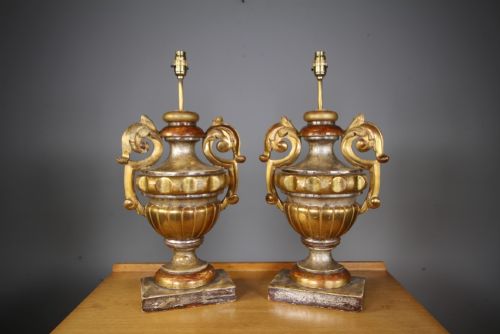
Makers combined heavy natural substances like marble, onyx, and carved pine with cast metal components. Gilt bronze and ormolu mounts were secured to stone bodies using threaded rods or pins, creating robust architectural silhouettes.
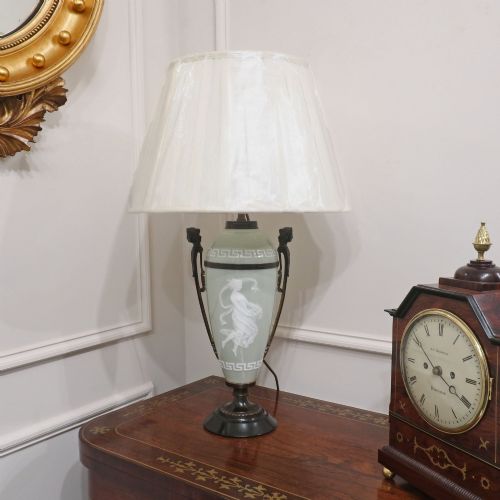
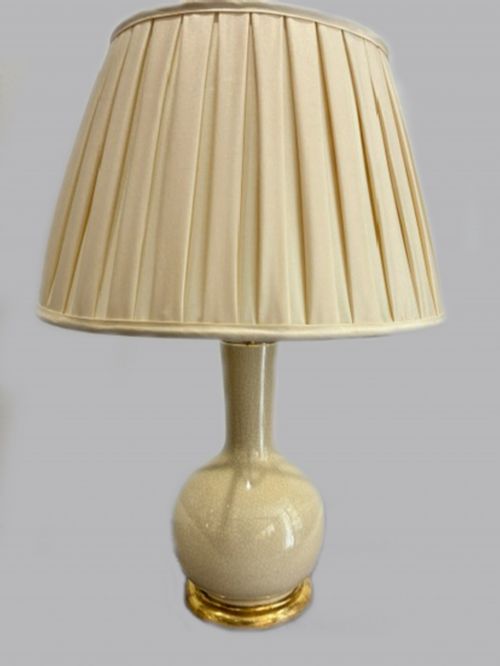
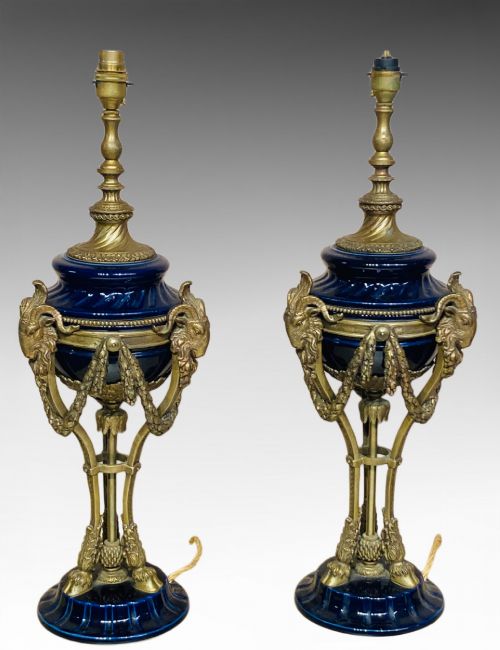
Ceramic elements, including porcelain and earthenware, were frequently glazed or painted before receiving metal collars and bases. Artisans applied gilding by hand to bronze surfaces, highlighting intricate relief work and cast details.
Listings feature materials spanning gilt bronze, marble, porcelain, onyx, and carved pine across nineteenth-century and early twentieth-century periods.
What varies in quality
The refinement of the cast metal mounts distinguishes superior examples from standard production. Finer pieces display crisp chasing and detailed relief work on the bronze or ormolu elements, whereas lesser items show softer contours and simpler casting.
Material selection and matching dictate overall success. High-end pieces utilise dense, highly figured marble or fine porcelain paired harmoniously with substantial metal mounts rather than lightweight substitutes.
The French Urn Lamp Glossary
- Ormolu
- Gilded bronze, where a fine layer of gold is applied to a bronze base using mercury amalgamation or electroplating. This technique creates a durable, warm metallic lustre popular in French decorative arts.
- Cassolette
- A decorative vase or urn designed with a reversible lid that can function as either a solid cover or a candleholder. These vessels frequently appear converted into lamp bases.
- Ewer
- A large jug with a wide spout and a curved handle, traditionally used for pouring water. Converted ewer lamps retain these classical pouring profiles.
- Pate sur pate
- A ceramic decorating technique where white clay slip is painted layer upon layer onto a darker background to create a low relief cameo effect. This method requires considerable skill from the ceramicist.
- Neoclassical
- A style reviving classical antiquity, characterised by symmetry, restrained ornamentation, and architectural motifs. It heavily influences the decorative vocabulary of these lamps.
French Urn Lamp: Frequently Asked Questions
How do I wire an antique lamp?
Rewiring requires running modern flex through the central channel previously occupied by weighting material or older wiring. A qualified electrician should install contemporary fittings to ensure safety while preserving the vintage body.
Original drilled paths through stone or ceramic bodies make modern rewiring straightforward without altering the exterior appearance. Care must be taken to protect internal wiring from sharp metal edges inside cast mounts.
Are these lamps usually sold as pairs?
Many examples survive as balanced pairs, having originally flanked a mantelpiece or console table. Finding matching specimens reflects their traditional placement in formal nineteenth-century interiors.
Single lamps also appear frequently, often representing survivors from larger sets or pieces originally designed for smaller spaces. Mixing matched forms creates symmetrical balance on larger pieces of furniture.
How do I clean marble and ormolu?
Dusting with a dry, soft cloth prevents the accumulation of grime on delicate gilt surfaces and stone bodies. Moisture and chemical cleaners should be avoided to protect the historical patina of the bronze and the porous nature of the marble.
Ormolu responds well to gentle cleaning using soft brushes to clear dust from recessed chasing. Excessive polishing strips the gold layer, so light maintenance preserves the authentic surface.
What shade suits an urn lamp?
Fabric shades with simple tailored lines balance the heavy sculptural volume of stone and bronze bases. Neutral silks or linens complement the classical proportions without competing with the ornate metal mounts.
Sizing the shade requires matching the widest diameter of the urn to maintain visual equilibrium. Proportion dictates that the shade height should harmonise with the height of the vase body.