

Classical Urn Lighting
Classical urn lighting transforms antique vessels and candelabras into striking interior lamps, offering sculptural dignity and warm illumination.
Classical Urn Lighting
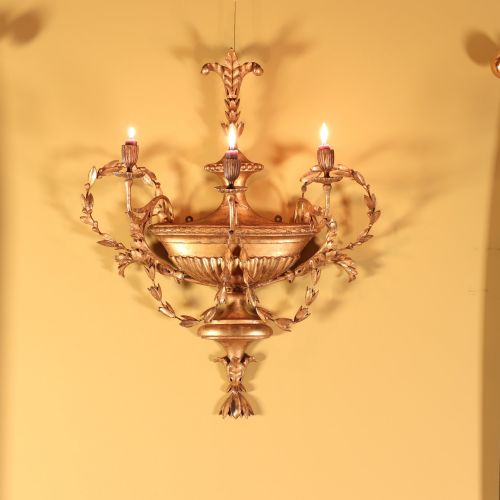
Classical urn lighting comprises table lamps, wall sconces, and hanging lights derived from traditional urn, ewer, and cassolette forms. Pieces span the nineteenth and early twentieth centuries, drawing heavily upon Neoclassical, French Empire, and Louis XVI design vocabulary.
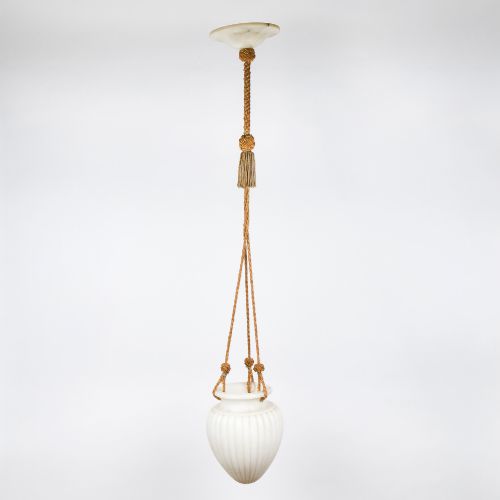
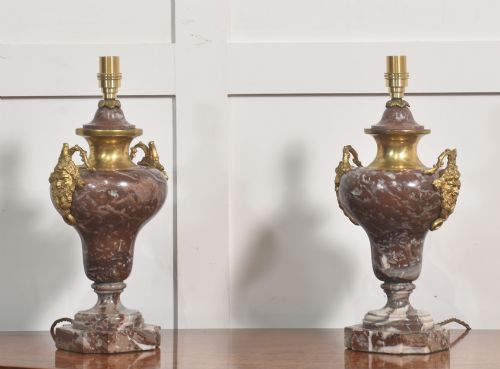
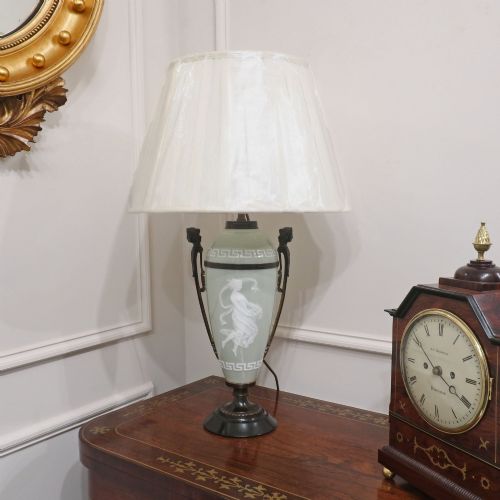
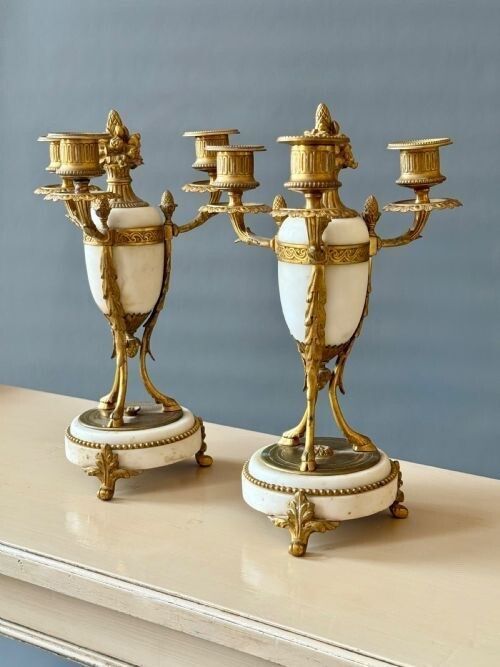
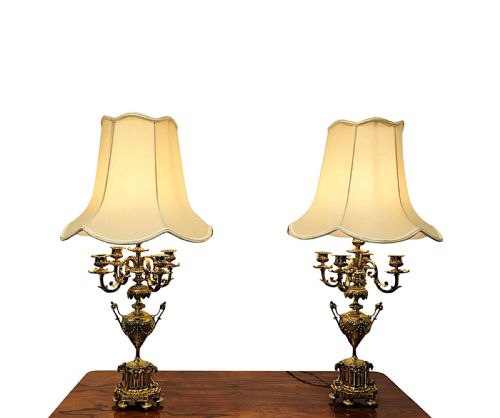
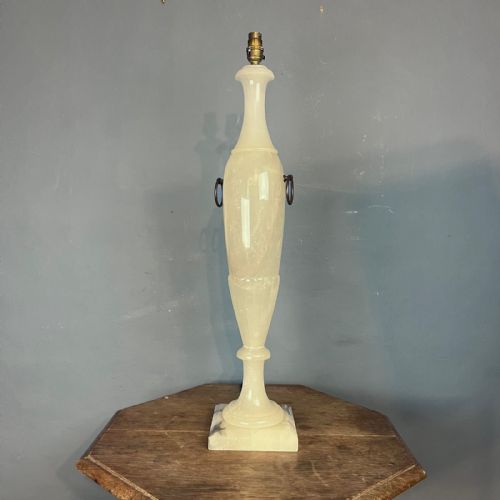
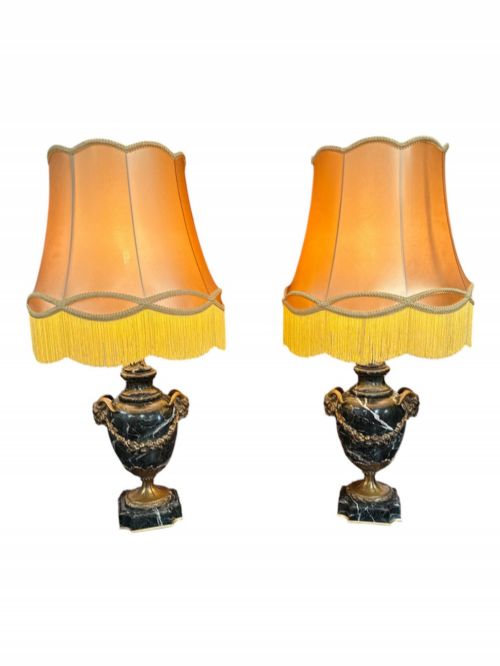
Buyers frequently encounter table lamps constructed from marble, alabaster, and gilt metal, often adapted from earlier candleholders or cassolettes. French workshops dominate the selection, bringing cast bronze and mounted ormolu details to standard lamps and candelabras.
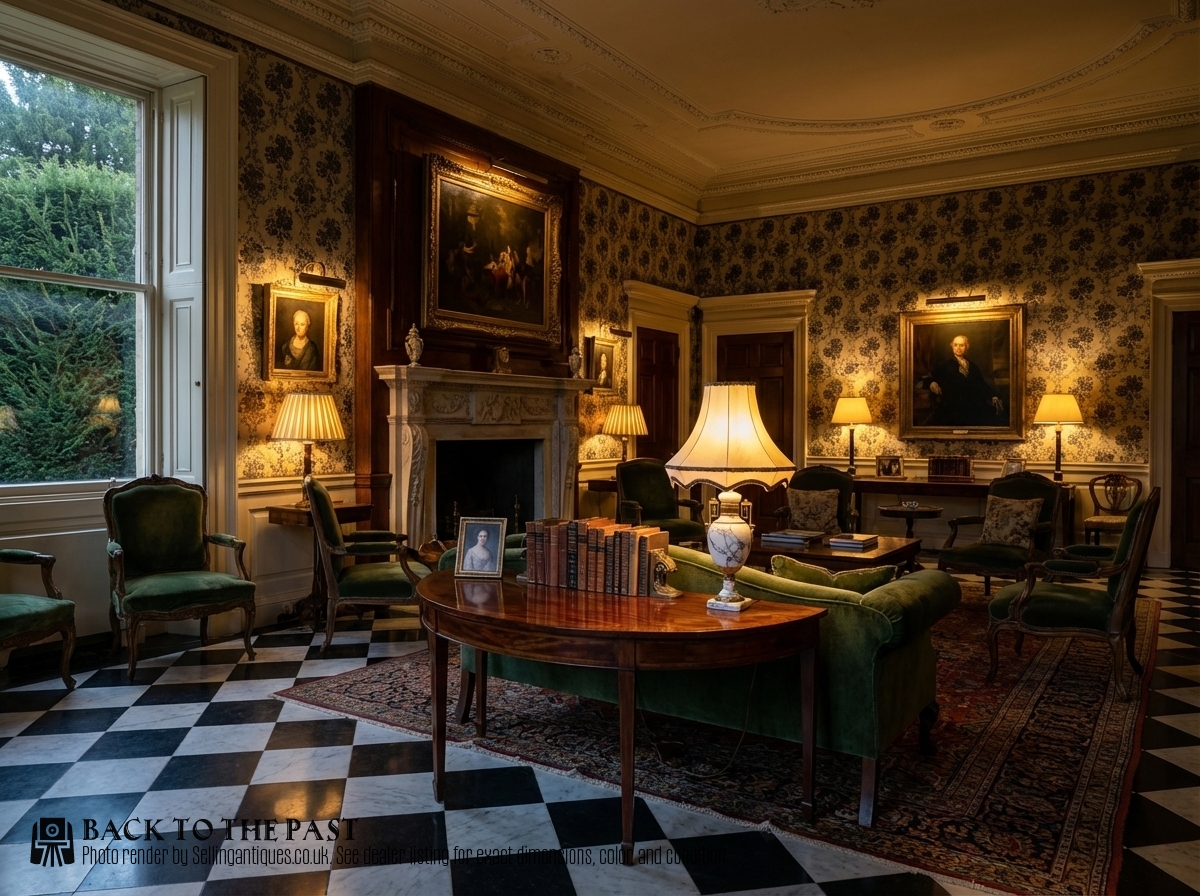
These fixtures serve as focal points in a room, combining architectural silhouettes with functional illumination. Their presence bridges historic European interior aesthetics and modern domestic lighting needs.
Materials and Manufacture
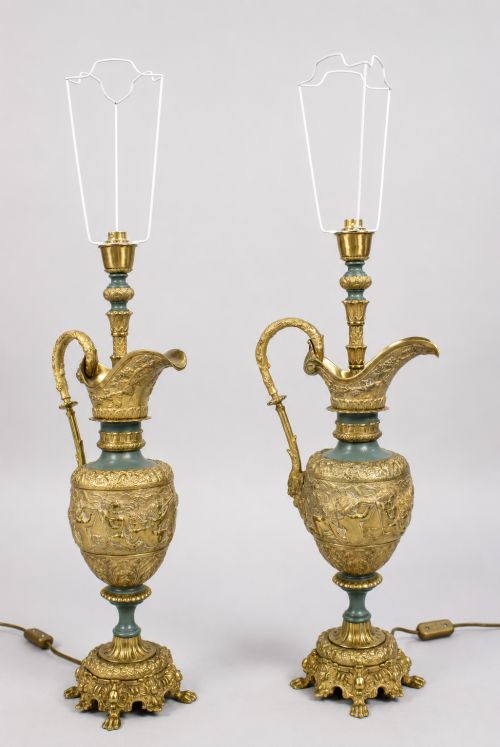
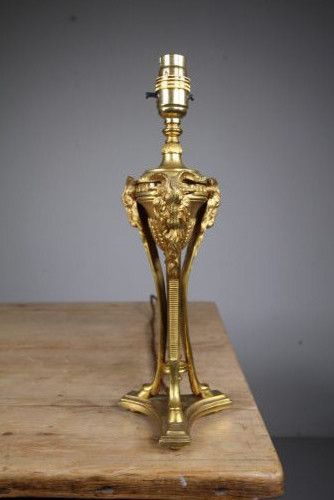
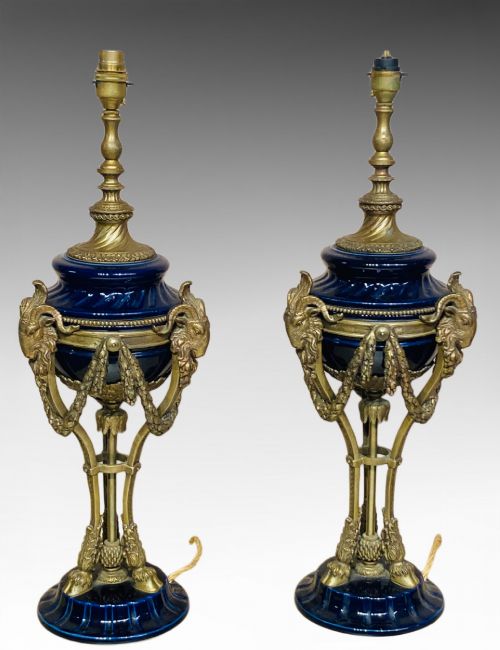
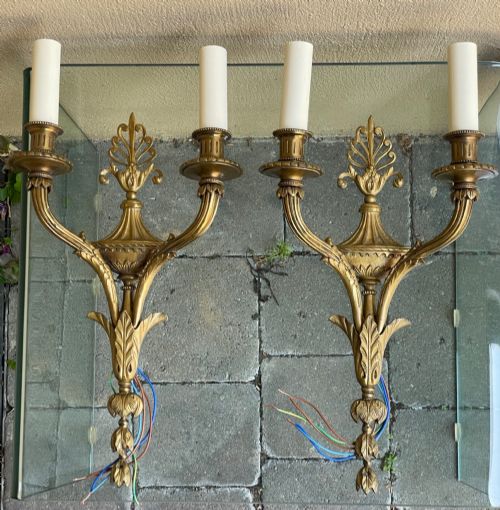
The construction relies heavily on metal casting, utilising brass, bronze, and gilt metal to form structured mounts, handles, and classical ram's head motifs. Ormolu finishing provides a bright, durable golden surface layer on many French and English examples.
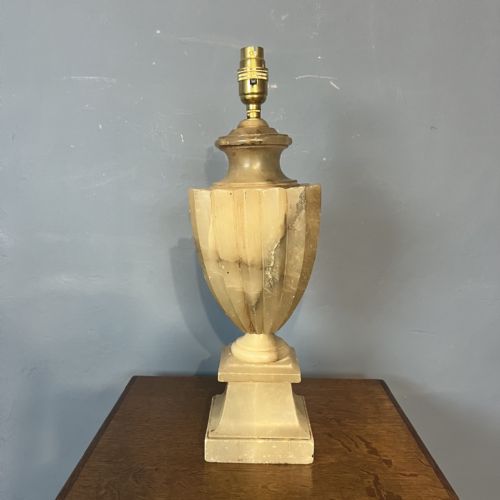
Stonework forms the primary body of numerous pieces, with white alabaster, rouge marble, and onyx turned and carved into smooth urn profiles. Gilding, patination, and pate sur pate porcelain details are applied to enhance the decorative surface texture.
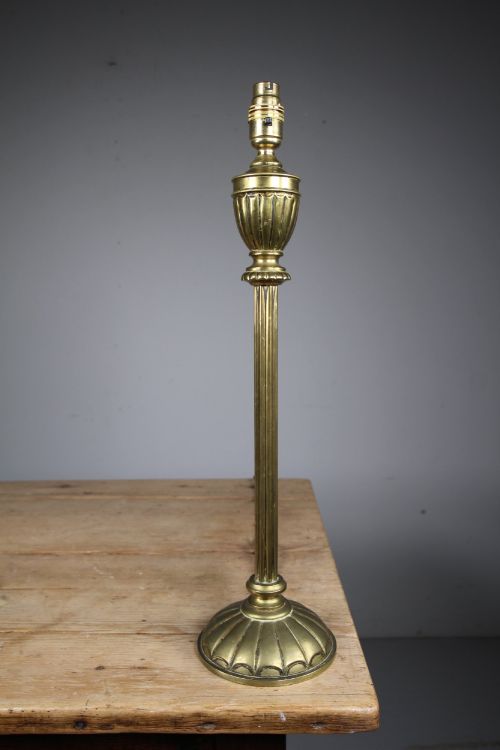
Materials span nineteenth-century brass, marble, gilt bronze, and alabaster, reflecting robust manufacturing traditions across French and English workshops.
Assessing Quality
Quality rests upon the crispness of the metal chasing and the depth of the stone carving. Superior pieces display finely detailed mounts, secure joinery, and well-balanced proportions that respect original classical proportions.
The integration of conversion work also dictates merit, separating tidy electrical fittings from clumsy alterations. Heavy, genuine materials like solid marble and cast bronze outshine lighter substitutes and moulded plaster variants.
Casier·Harrison Brothers And Howson·Thomas Hope
The Classical Urn Lighting Glossary
- Ormolu
- Gilded bronze, typically produced by applying a mercury and gold amalgam to a cast bronze base. This technique creates a rich, lasting metallic lustre seen on French decorative hardware.
- Cassolette
- A decorative ornamental vase or urn featuring a pierced lid, often reversible to function as a candleholder. These vessels frequently form the bodies of converted antique lamps.
- Ewer
- A large jug with a wide spout and curved handle, traditionally used for water but adapted in lighting design for its elegant profile. Many nineteenth-century table lamps employ this shape.
- Pate sur pate
- A ceramic decorating technique where wet white porcelain slip is built up in successive layers on a coloured clay body. It produces a low-relief cameo effect on porcelain lamp bodies.
- Neoclassical
- An artistic revival movement drawing inspiration from the classical art and architecture of ancient Greece and Rome. This style influences the symmetrical urns, columns, and gilt mounts found across these fixtures.
Classical Urn Lighting: Frequently Asked Questions
What is classical urn lighting?
Classical urn lighting refers to decorative lamps and wall sconces fashioned from antique urns, ewers, and cassolettes. They draw upon eighteenth and nineteenth-century European revival styles.
These pieces combine historical sculptural forms with functional electrical components for modern interiors.
How were these urns converted?
Many items started as nineteenth-century bronze or marble candelabras, candleholders, or decorative vases before receiving internal wiring. Artisans often drilled through stone or metal bases to thread electrical cord safely.
This conversion process allows fragile antique vessels to serve as functional table lamps without destroying their original mounts.
Where do these lamps fit best?
These fixtures suit traditional reception rooms, hallways, and studies where architectural silhouettes command attention. Their classical proportions anchor mantlepieces, sideboards, and large console tables.
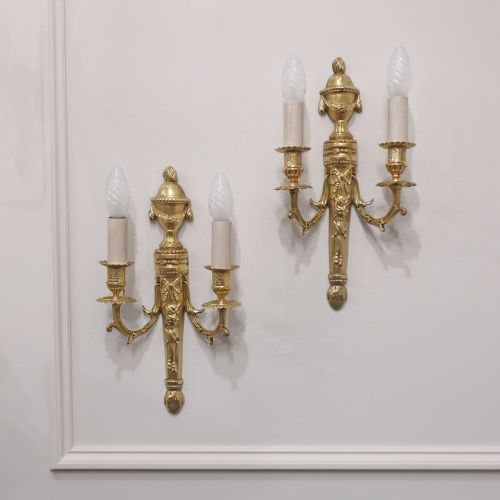
Paired wall sconces work well flanking mirrors or fireplace surrounds to provide symmetrical ambient illumination.
How do I identify French styles?
French pieces from the nineteenth century frequently employ ormolu-mounted rouge marble, finely chased gilt bronze, and distinct neoclassical motifs like ram's head masks. Reference to Louis XVI or French Empire design indicates specific historic French decorative periods.
English equivalents often favour solid brass, carved giltwood, or Edwardian alabaster constructions with simpler detailing.