



Vintage Urn Side Lamps
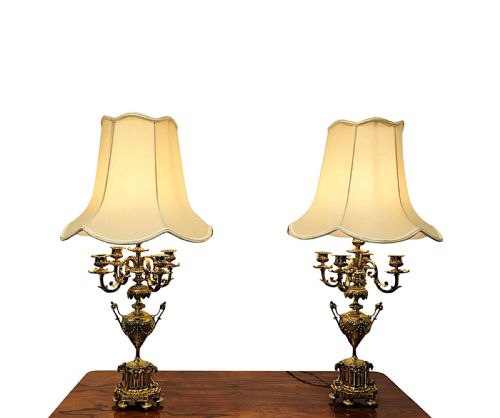
Vintage urn side lamps bring classical presence to a room, combining sculptural stone or metal bodies with warm domestic illumination.
Vintage Urn Side Lamps
When people search for vintage urn side lamps, they are looking for lighting formed from classical vessel shapes, often converted from earlier candlesticks, vases or cassolettes. These pieces span the nineteenth century and the early twentieth century, drawing on Edwardian, Victorian and Neoclassical design traditions.
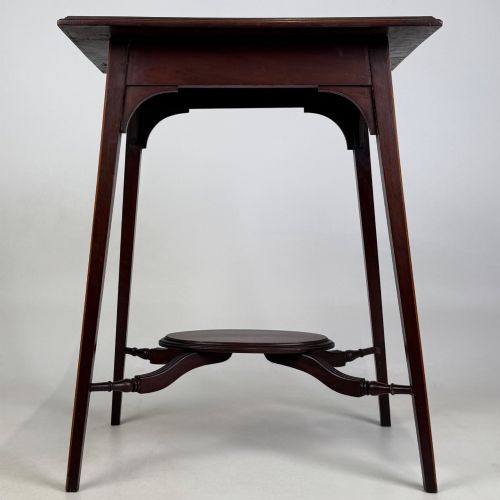
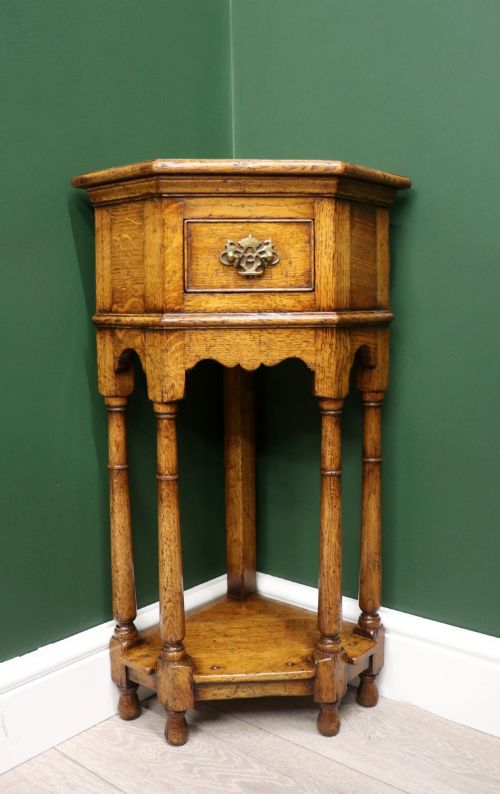
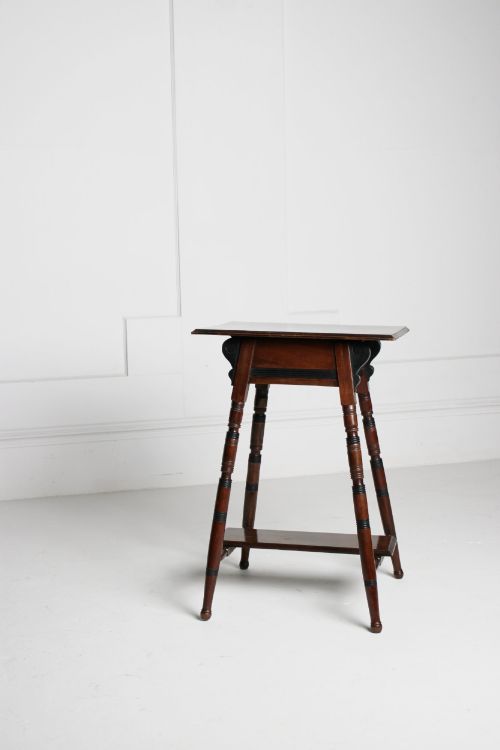
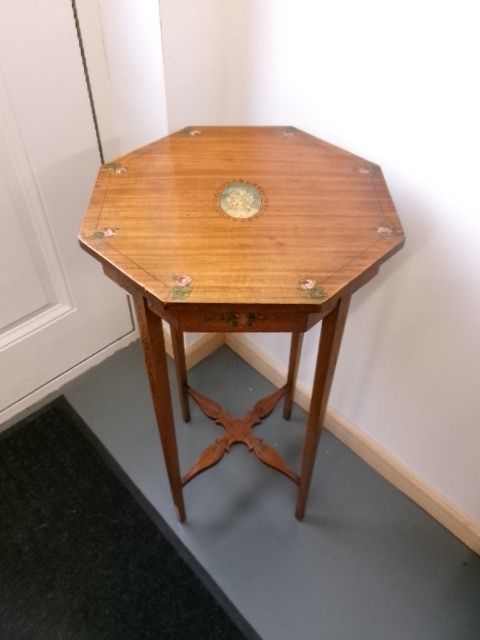
The selections available here lean heavily towards French and English origins, frequently pairing metal mounts with carved stone. Alongside dedicated table lamps, the listings include occasional tables and plant stands that share the same period vocabulary.
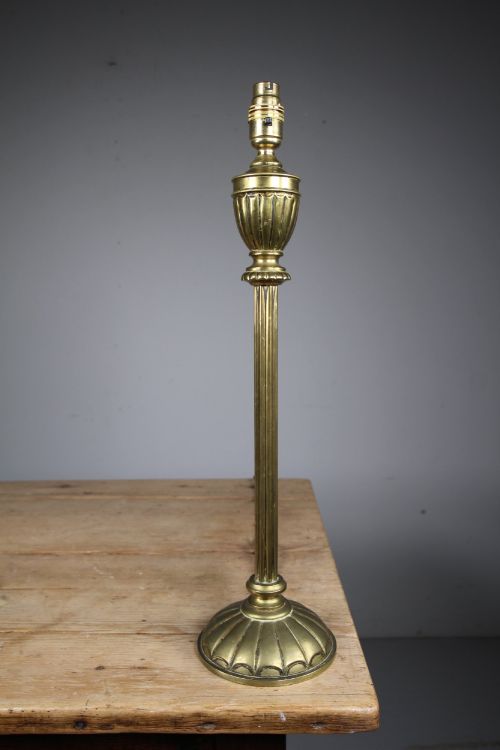
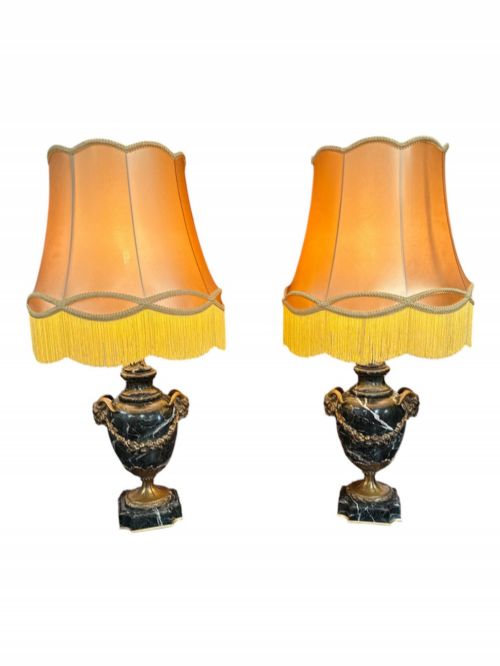
Buyers meet variations ranging from slender brass stems to robust marble and gilt bronze bodies. These objects function as focal points on side tables and consoles, introducing height and architectural character to an interior.
Distinguishing quality in period lighting
Quality reveals itself in the crispness of the casting work and the density of the stone used for the urn body. Finer examples display sharp chasing on gilt bronze and ormolu mounts, whereas simpler pieces rely on plain spun brass or standard spelter.
The harmony of proportion between the urn vessel, its base and the electrical fittings dictates the overall success of a conversion. Superior specimens retain their original fire gilding and matching components without later replacements.
Several heavy marble urns likely spent decades doubling as rather dignified bookends before someone finally fitted them with a bulb.
Druce & Co London
The Vintage Urn Side Lamps Glossary
- Cassolette
- A decorative vase or urn featuring a reversible lid that functions either as a solid vessel or a burner. These items were frequently converted into table lamps during later periods.
- Ormolu
- Finely ground high-carat gold mercury-gilded onto a bronze base. This technique produces a rich, durable lustre characteristic of French decorative objects.
- Neoclassical
- A style spanning the eighteenth and nineteenth centuries that revives classical Greek and Roman motifs, including urns, fluted columns and swags.
- Satinwood
- A durable timber with a natural golden sheen utilised extensively in fine cabinetmaking and decorative inlay work during the Edwardian era.
- Spelter
- A zinc alloy utilised as a less costly alternative to bronze for cast decorative figures and lamp bases during the nineteenth century.
Vintage Urn Side Lamps: Frequently Asked Questions
What periods do these lamps come from?
The pieces span the nineteenth century through to the early decades of the twentieth century. This encompasses Victorian, Edwardian and Art Deco aesthetics.
Craftsmen during these eras frequently adapted existing decorative vessels and candlesticks into functional lighting fixtures for contemporary homes.
How do you style an urn lamp?
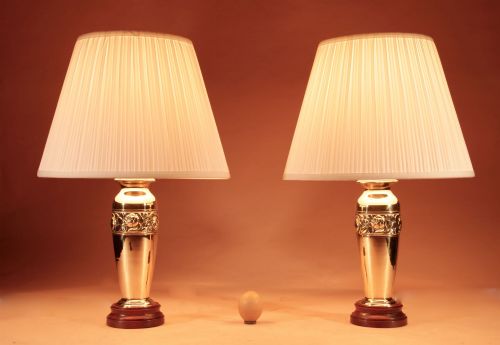
These lamps suit placement on deep side tables, consoles or pedestals where their sculptural proportions remain visible. They function well as paired elements on matching furniture.
Keep surrounding decor restrained to allow the brass, marble or gilt bronze details to register as focal points in the room.
Are these lamps recently rewired?
Many period lighting fixtures receive updated wiring to meet current electrical safety standards while preserving their original exterior metal and stone components. It remains sensible to check specific listing details regarding rewiring.
Qualified electricians can easily adapt antique lamp fittings to suit standard modern wall sockets and bulb types.
What materials are most common?
Brass, marble and gilt bronze dominate the construction of the lamp bodies. Mahogany and satinwood appear frequently in the associated furniture pieces.
Combinations of white marble, alabaster and onyx provide the characteristic pale vessel forms associated with classical revival designs.