

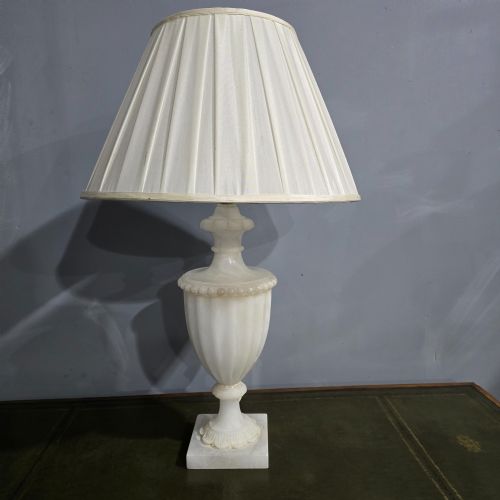


Carved Marble Desk Lamp
A carved marble desk lamp brings weight and steady illumination to a room, cast in solid stone from the nineteenth and early twentieth centuries.
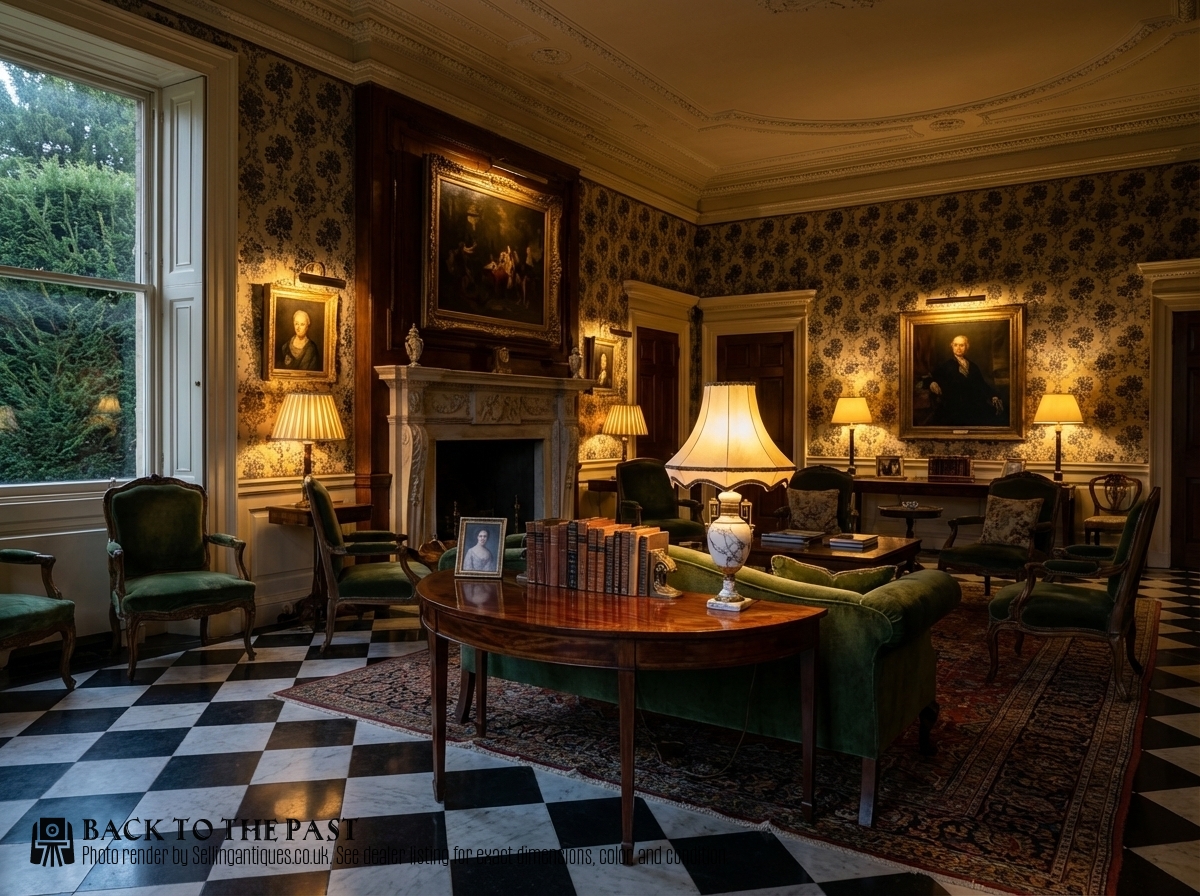
Carved Marble Desk Lamp
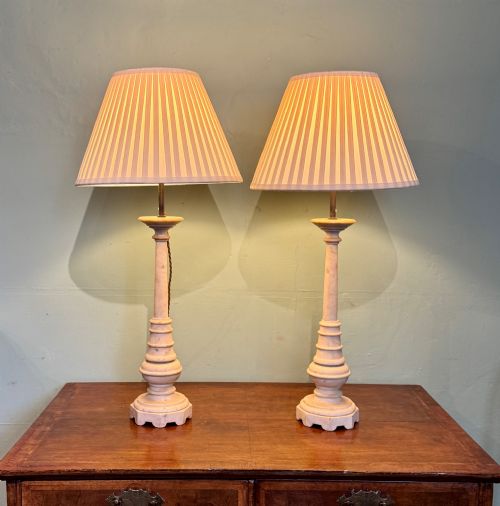
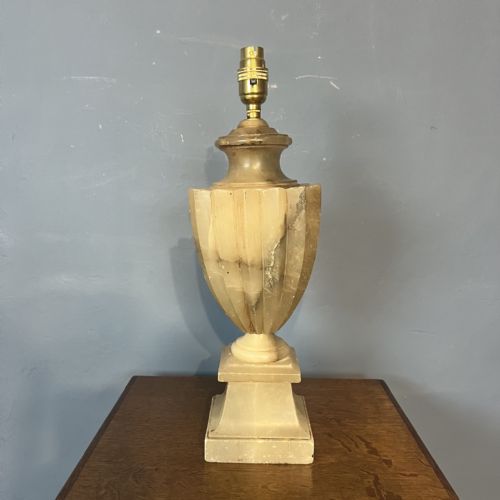
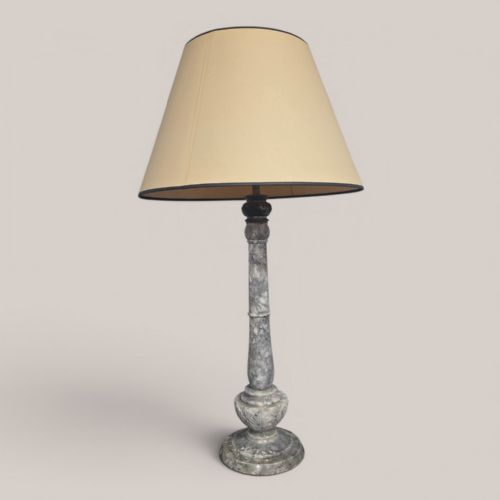
A carved marble desk lamp offers a heavy stone base paired with period metalwork, drawing on classical and art deco designs. When you search for carved marble desk lamp, you encounter table lamps fashioned from white marble, grey marble, onyx and alabaster.
The versions most commonly met on this page span the late nineteenth century through to the nineteen-thirties, frequently originating from French and Italian workshops. These pieces combine turned or sculpted stone columns with brass, gilt bronze and ormolu mounts.
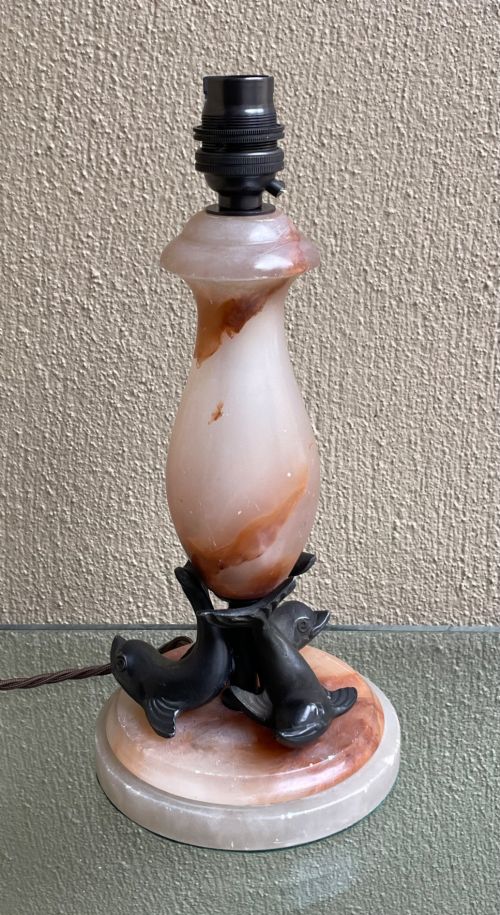
Makers of the period often incorporated figural elements, such as dolphins or eagles and serpents, alongside simpler architectural columns. While primarily designed for task lighting on a desk or side table, their substantial stone bodies double as sculptural objects.
How they were made
Craftsmen shaped dense stones like marble and alabaster on lathes or carved them by hand to create smooth columns, urns and figurative bodies. Softer stones such as alabaster required careful reduction to achieve translucency when illuminated from within or beside.
Mounts and decorative collars utilised cast brass, gilt bronze and patinated metal, fixed to the stone components with threaded rods or secure adhesives. Wiring and internal fittings were added to house early electric bulb holders, often retained alongside original fabric shades.
Carved Marble Desk Lamp Retail Price Guide 2026
Typical asking prices for carved marble desk lamp among the pieces listed under this phrase on Sellingantiques today, from the lower quarter to the upper quarter. They describe what is for sale here now, not the wider market.
The listings span from the nineteenth century to nineteen-thirty, uniting materials like French alabaster, Italian onyx, gilt bronze and patinated metal.
What varies in quality
The distinction between standard production and finer execution lies in the selection of the stone and the crispness of the carving. Superior pieces display harmonious veining within the marble or uniform translucency in the alabaster, free from heavy internal fractures.
Metal components also dictate the standard, with heavy fire-gilded bronze mounts showing sharper chisel work than simpler stamped brass collars. The integration between stone and metalwork reveals the original maker's intent, where tight joints and balanced proportions elevate the object.
The Carved Marble Desk Lamp Glossary
- Alabaster
- A fine-grained, translucent stone often used for carved lamps and figures. It allows light to diffuse softly through its surface when a bulb is placed nearby.
- Ormolu
- Gilded bronze mounts applied to furniture and lighting fixtures. This technique involves coating cast bronze with a mercury and gold amalgam.
- Neoclassical
- A design style inspired by the classical art and architecture of ancient Greece and Rome. It dominates many nineteenth-century and Edwardian lamp bases through symmetrical columns and urn motifs.
- Patinated metal
- Metal surfaces that have acquired a natural or chemical darkening over time. This treatment deepens the tone of brass and bronze components.
- Baccarat
- A famous French glassworks known for producing luxury decorative objects. Pieces associated with this name feature high-clarity crystal and detailed moulding.
Carved Marble Desk Lamp: Frequently Asked Questions
How do I date a marble lamp?
Dating relies on examining the combination of materials, the style of the metal mounts, and the wiring components. Pieces from the nineteenth century often feature heavier neoclassical bronze work, whereas nineteen-thirties examples lean towards streamlined art deco forms.
Maker marks, screw types, and the composition of the plug or socket also offer clues to the decade of manufacture. Comparing the turning style of the stone against known period furniture helps narrow down the era.
Are alabaster and marble lamps fragile?
Both stones are heavy and durable, but alabaster is softer and more prone to scratching or chipping if impacted sharply. Marble handles daily use well but can stain if exposed to certain oils or acidic liquids.
Lifting these lamps requires holding the heavy stone base rather than the decorative metal mounts or arms. Gentle dusting keeps the porous surface clean without risking moisture damage.
What bulbs should I use?
Modern low-heat LED bulbs are best suited for vintage lamps to protect internal wiring and fragile stone from excessive warmth. Selecting a warm white output mimics the gentle glow of older carbon-filament lighting.
Checking that the electrical fitting matches modern safety standards is essential before regular use. Many collectors have older brass lampholders professionally rewired while preserving the original exterior components.
How do I clean carved stone?
A dry microfiber cloth or a soft brush removes dust from carved recesses and textured stone surfaces. Water and harsh chemical cleaners should be avoided, particularly on softer alabaster which absorbs moisture.
Specialist stone cleaners can treat stubborn marks, but testing a small hidden area first prevents discoloration. Maintaining the natural finish preserves the subtle sheen acquired over decades of handling.