



Brass and Marble Lamps
Brass and marble lamps combine heavy stone bases with cast metalwork, bringing structural weight and classical elegance to domestic interiors.
Brass and Marble Lamps
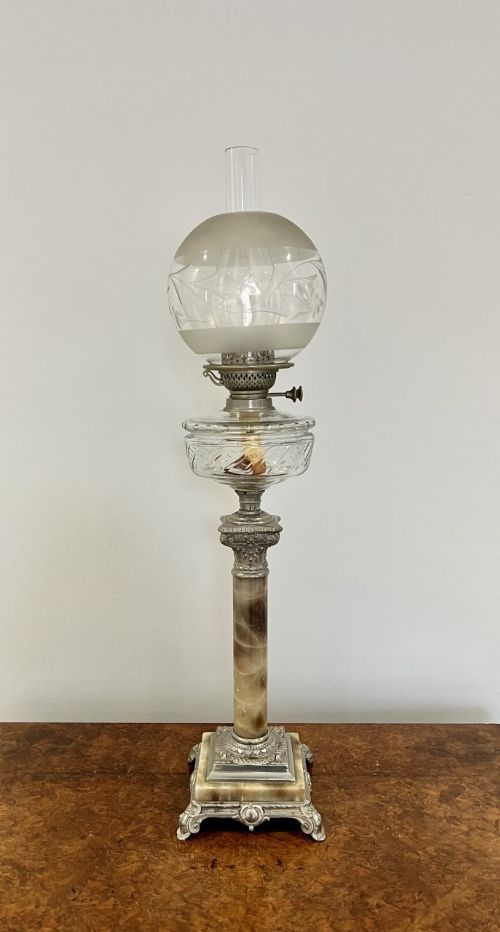
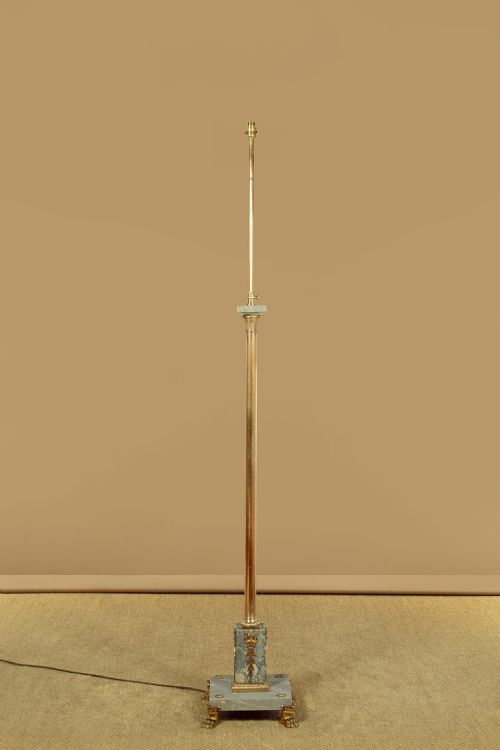
Brass and marble lamps bring together solid stone bases and metal fittings, spanning periods from the Victorian era through the Edwardian years and into the 1920s and 1930s. When searching for brass and marble lamps, buyers encounter diverse forms ranging from traditional table lamps and converted oil lamps to floor standards.
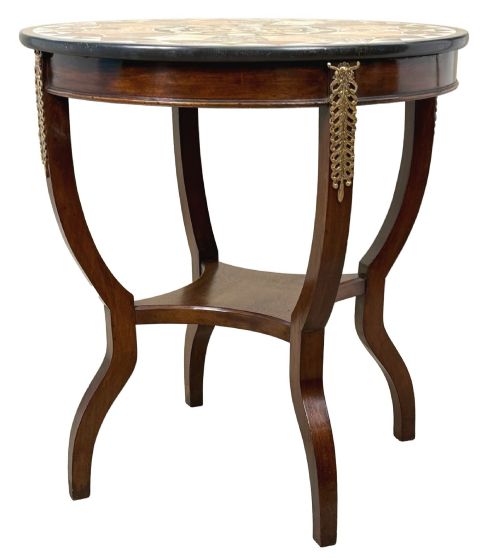
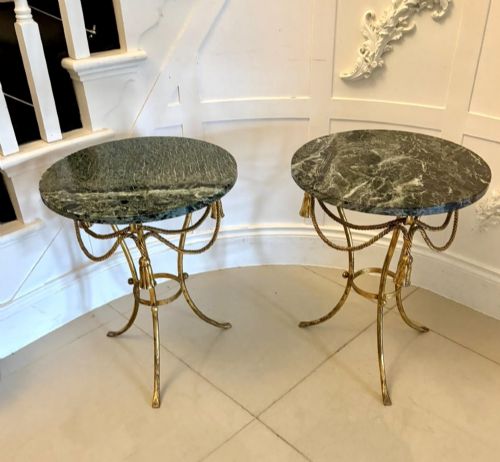
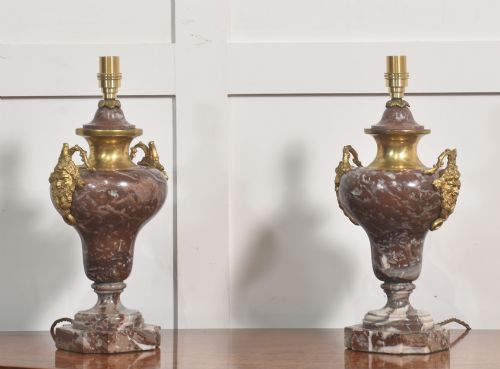
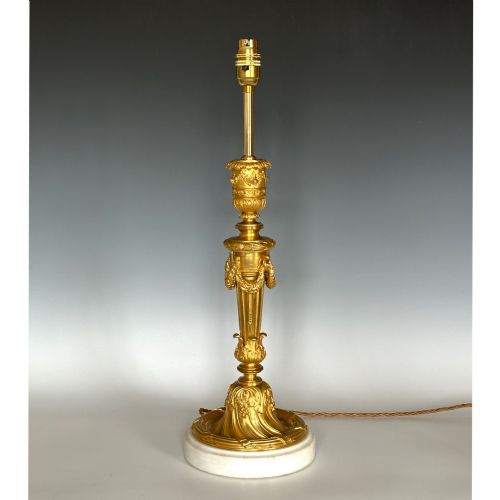
The aesthetic leans heavily on Neoclassical, Louis XV, Louis XVI, and French Empire styles, often incorporating cast bronze, ormolu, or gilt metal alongside rouge, verde, or white marble. Alongside dedicated lighting, the selection includes related occasional furniture designed to hold lamps, such as gueridons and side tables with stone tops.
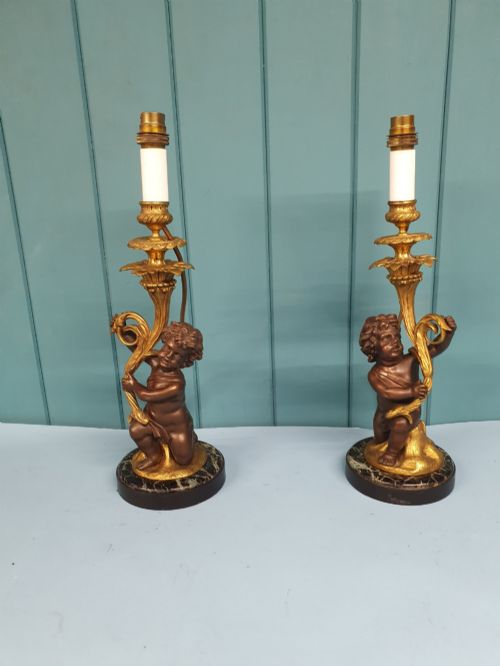
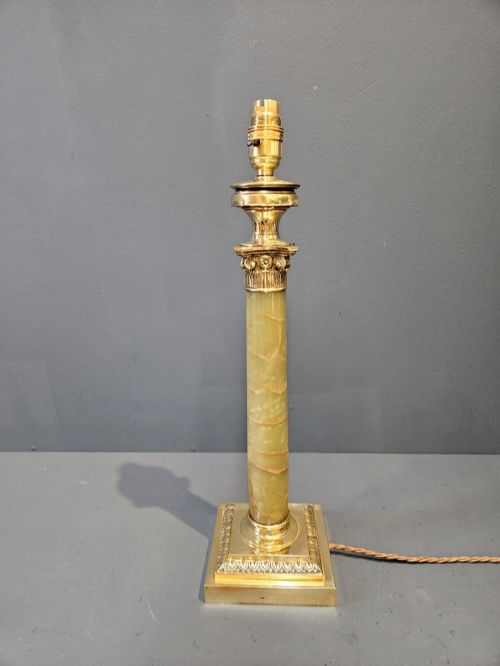
Many examples originate from French workshops and manufacturers, displaying distinct regional design traits like cherub figures, animal motifs, or classical column architecture. The convergence of polished brass and veined marble creates a durable, decorative object suited to period and eclectic interiors alike.
Assessing quality in construction
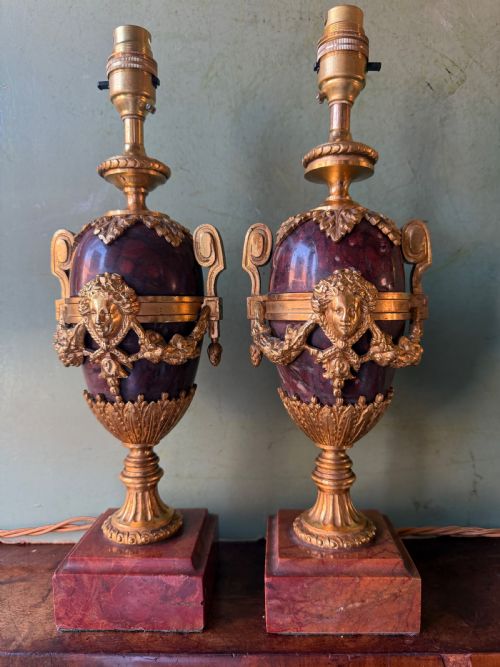
Quality rests primarily on the depth and crispness of the metal casting, where finely chased ormolu and detailed gilt bronze outclass simpler stamped brass elements. Superior pieces display sharp definition in figural elements like cherubs and eagles, alongside clean joins where the metal meets the stone.
The choice and execution of the stone base dictates another tier of distinction, with solid, highly figured rouge or verde marble indicating a higher standard than plain or composite substitutes. Weight, thickness, and careful polishing of the marble surface reflect the original maker's investment in raw materials.
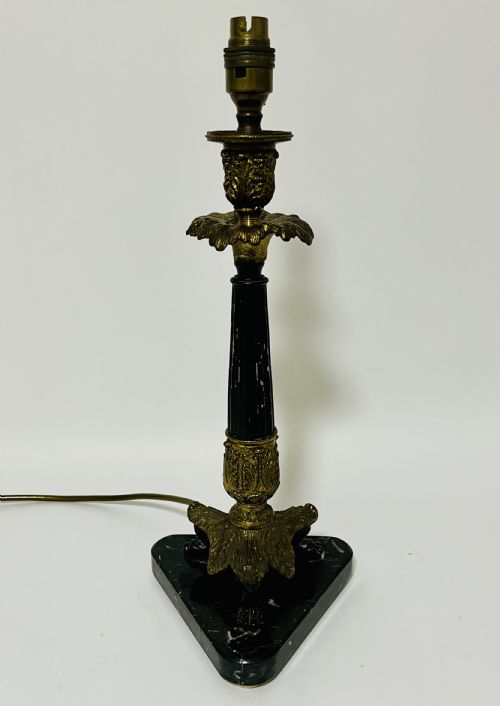
Structural integrity through the central column separates robust examples from those with internal looseness or misalignment between the heavy base and the upper fixture. Original components, consistent patina across the brass, and harmonious proportions between the marble and metal further elevate an item.
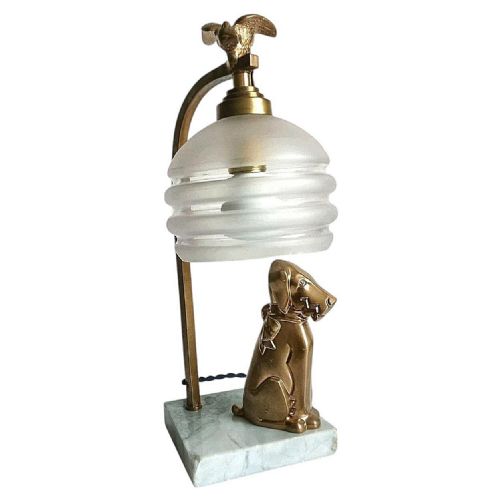
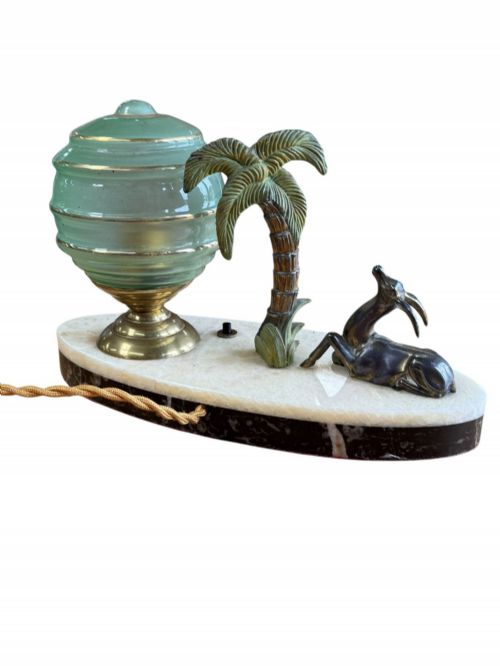
Canines and parrots feature in the metalwork, proving that Victorian and Art Deco makers appreciated a touch of animal whimsy.
James Shoolbred
The Brass and Marble Lamps Glossary
- Ormolu
- Gilt bronze produced by applying a finely ground high-carat gold-mercury amalgam to a bronze object, followed by firing to drive off the mercury. This technique creates a rich, durable golden surface seen on high-end French mounts.
- Gueridon
- A small occasional table, often circular, originating in 17th-century France and frequently topped with marble. They provide a sturdy platform for lamps in period interiors.
- Bouillotte table
- A small French neoclassical occasional table featuring a raised gallery edge around the marble top to retain items. They often incorporate candle sconces or lighting fittings.
- Photophore
- A glass shade or candlelamp designed to protect a flame from drafts. The archive records examples mounted on brass and marble bases.
- Verde marble
- A dark green decorative stone marked with lighter veining, commonly utilised in European lamp bases and table tops. Its contrasting colour pairs visually with polished brass and gilt metal.
Brass and Marble Lamps: Frequently Asked Questions
How do I date a brass and marble lamp?
Dating relies on stylistic clues, casting techniques, and the type of marble used. Pieces reflecting Louis XVI or Empire revivals often date to the nineteenth century, while streamlined forms lean toward the 1920s and 1930s.
Examining the wiring methods, screw types, and overall wear on the brass helps confirm the era of manufacture. Earlier pieces typically exhibit heavier casting and hand-finished mounting.
Were these lamps originally electric?
Many older pieces began as oil lamps, argand lamps, or candleholders before being converted to electricity later in their lifespan. This conversion history is standard for antique lighting.
Buyers should check the internal wiring and socket fittings to ensure safe operation while appreciating the retained historical body.
How do I clean marble and brass?
Marble requires gentle wiping with a damp cloth and mild soap, avoiding acidic cleaners that etch the polished stone surface. Harsh abrasives will permanently dull the natural finish.
Brass components benefit from dry dusting or specialised metal care that preserves the accumulated antique patina rather than stripping it to a bright shine.
What is the difference between ormolu and gilt brass?
Ormolu involves a mercury-gilding process applied specifically to a bronze substrate, resulting in a deep, warm golden lustre that resists tarnishing. Gilt brass uses a brass base metal with applied gold wash or electroplating.
Ormolu generally appears on higher-end French pieces from the nineteenth century, showing superior detail in chased decoration.