

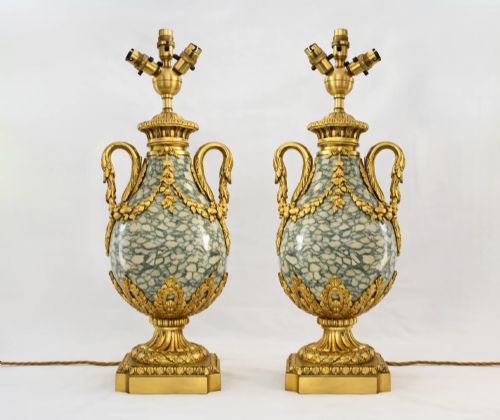


French Classical Urn Lamps
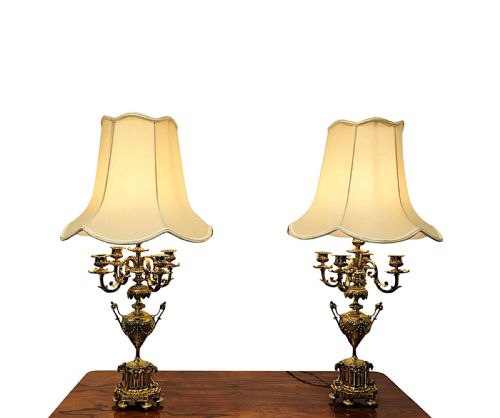
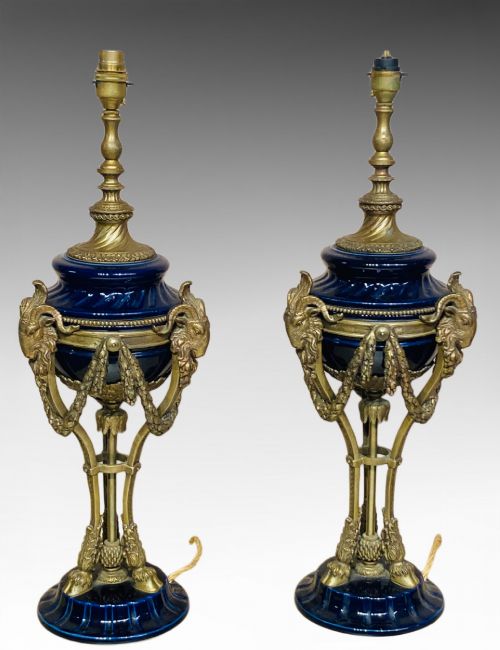
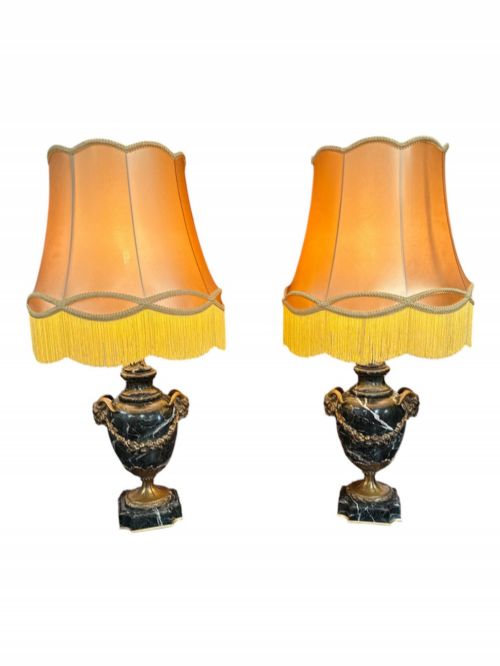
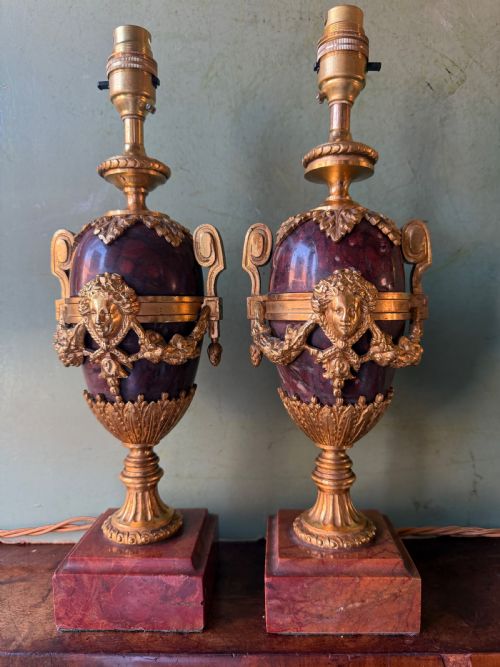
French classical urn lamps bring architectural symmetry and heavy gilt metalwork into a room, offering functional lighting through classical forms.
French Classical Urn Lamps
When you search for french classical urn lamps, you encounter table lights that adapt historical vessels into domestic illumination.
The pieces appearing on this page span the nineteenth century and the early decades of the twentieth century, with many examples originating from French workshops.
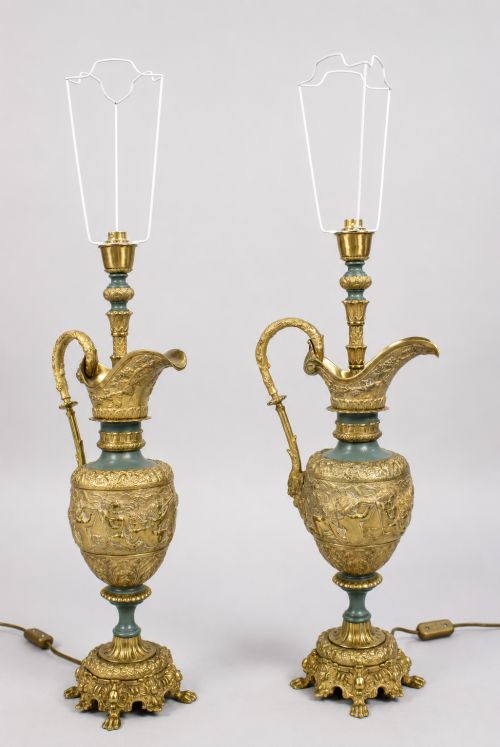
Most items take the form of urns, ewers, and cassolettes raised on square plinths, frequently wired for electricity after conversion from earlier lighting or decorative objects.
How they were made
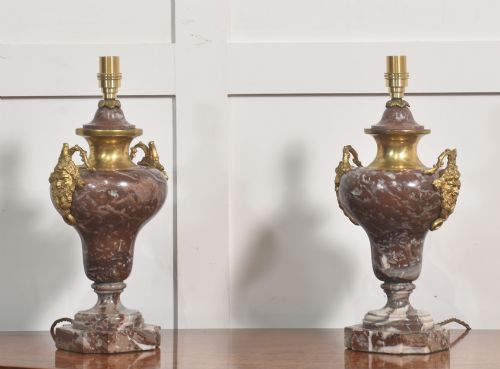
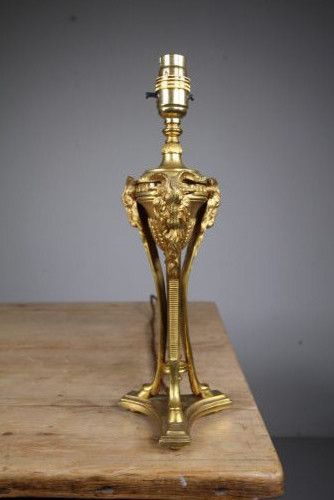
Makers utilised cast bronze, brass, spelter, and gilded metals for mounts, handles, and paw feet, pairing them with turned bodies of rouge marble, white marble, Siena marble, or onyx.
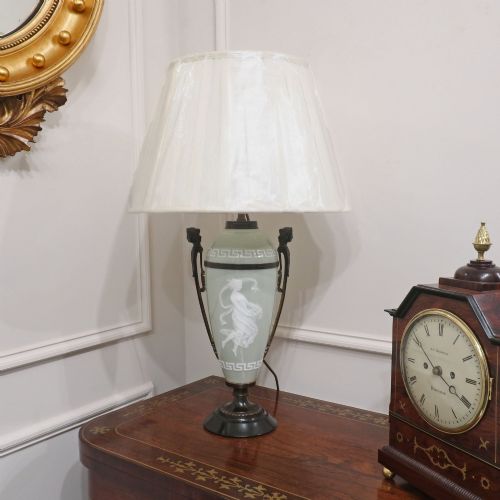
Selected vessels incorporate porcelain, patinated bronze, and carved giltwood, secured with threaded metal rods and ornate hardware.
What varies in quality
The refinement of the casting and chiselling in the ormolu and gilt bronze mounts separates standard production from exceptional studio work.
The choice and figuring of the natural marble or onyx bodies dictate the visual weight and presence of the completed lamp.
The French Classical Urn Lamps Glossary
- Ormolu
- Gilt bronze produced by applying a mercury and gold amalgam to cast brass or bronze, then firing to leave a durable golden finish. This technique defines high-end French decorative metalwork.
- Cassolette
- A decorative vase or urn designed with a reversible lid that functions as a candleholder or solid vessel on alternate sides. Many were later drilled to accommodate electrical fittings.
- Ewer
- A large jug with a wide spout and looped handle, modelled on ancient vessels for pouring water or wine. These shapes translate into tall, slender table lamps.
- Pate sur pate
- A ceramic decoration technique where liquid clay is built up in successive layers on a contrasting coloured body to create a low relief cameo effect.
- Spelter
- An alloy of zinc and lead used as a cheaper, softer alternative to bronze for cast decorative figures and mounts.
French Classical Urn Lamps: Frequently Asked Questions
Are these original lamps or conversions?
Many examples began life as decorative urns, ewers, or cassolettes before receiving electrical wiring in later decades.
Conversion is standard for this category, adapting antique vessels into functional table lighting.
How do I identify the period?
Stylistic cues such as Louis XVI revival motifs, neo-classical proportions, and the weight of the bronze or marble help indicate nineteenth or early twentieth-century origins.
Materials like rouge marble and fire-gilded ormolu point toward specific phases of French craftsmanship.
Where should I place these lamps?
Their heavy stone bases and formal silhouettes suit sideboards, console tables, or large desks where they provide structured accent lighting.
They command visual space and work well as balanced pairs flanking a mirror or fireplace.
Do they take standard modern shades?
Most lamps use standard harp or shade fittings, though older conversions may require specific adapter rings to sit securely.
Fabric shades complement the reflective surfaces of the gilt metal and polished stone without competing with the classical details.