
French Style Vitrine Cabinet
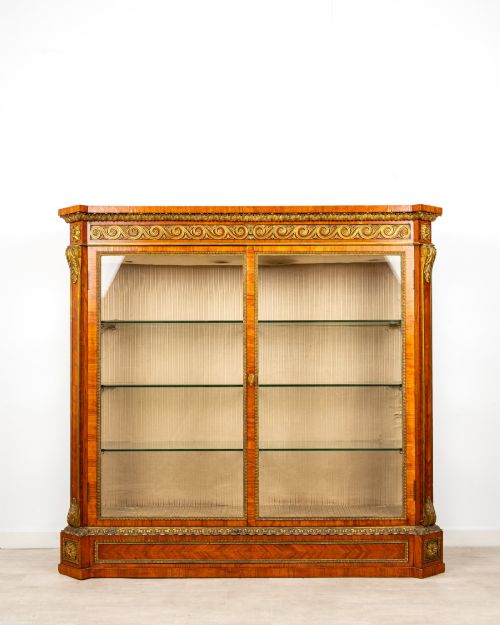
When you search for a french style vitrine cabinet, you are looking at glazed display furniture shaped by nineteenth-century revival aesthetics.
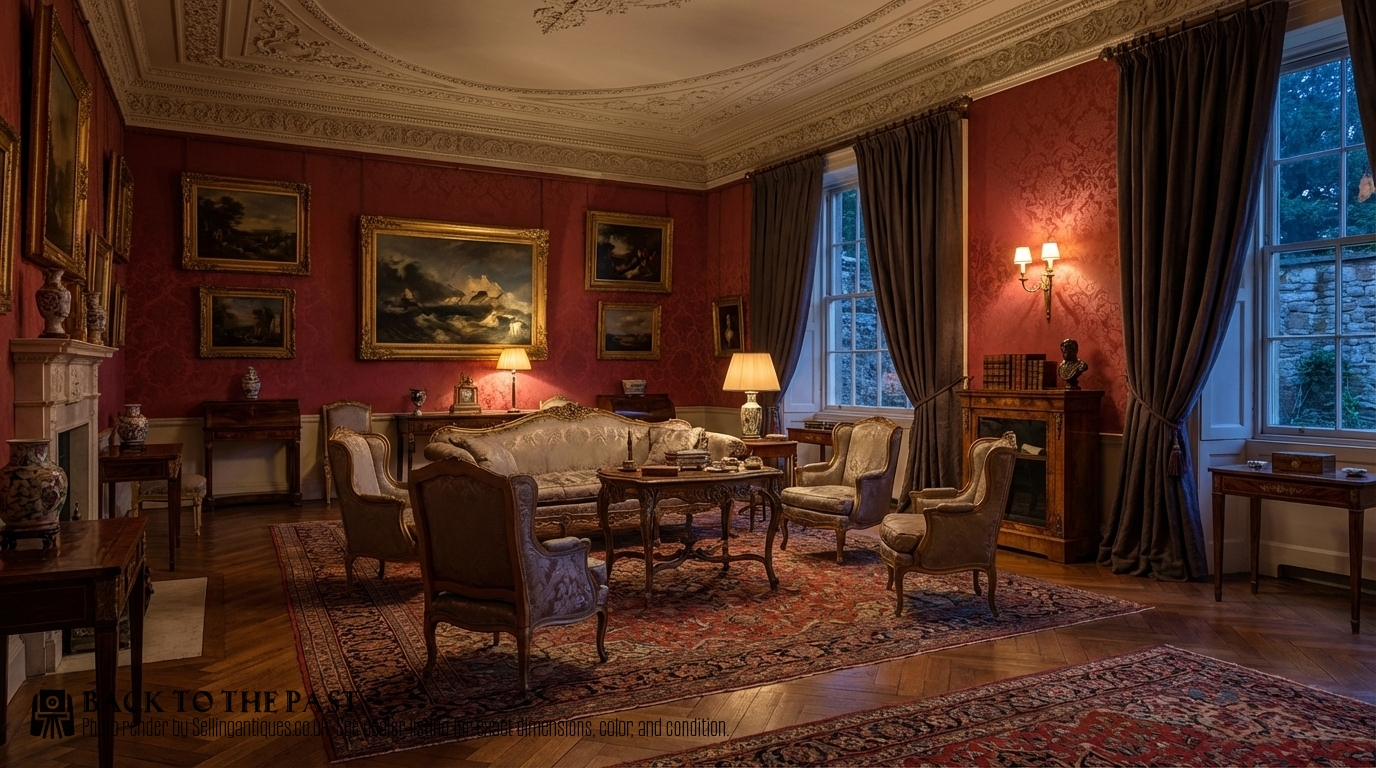
French Style Vitrine Cabinet
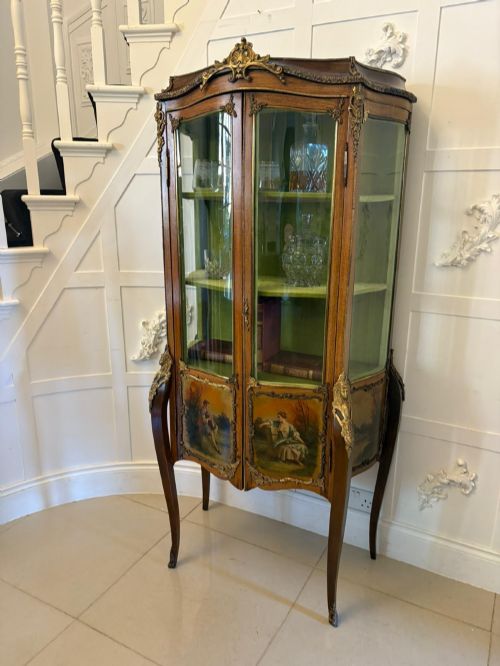
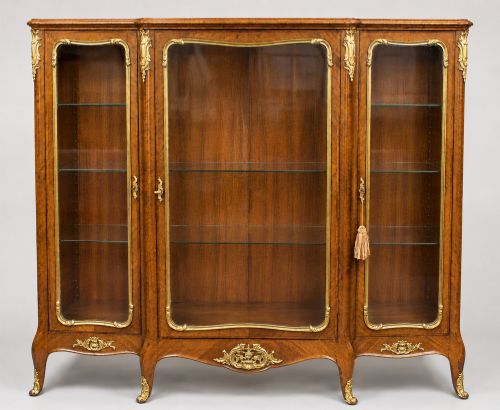
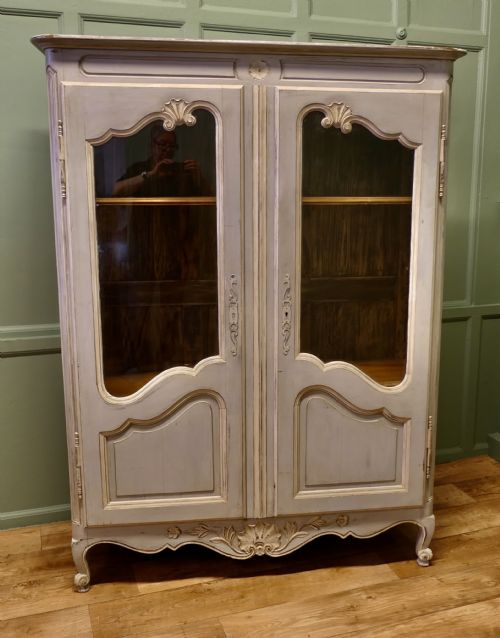
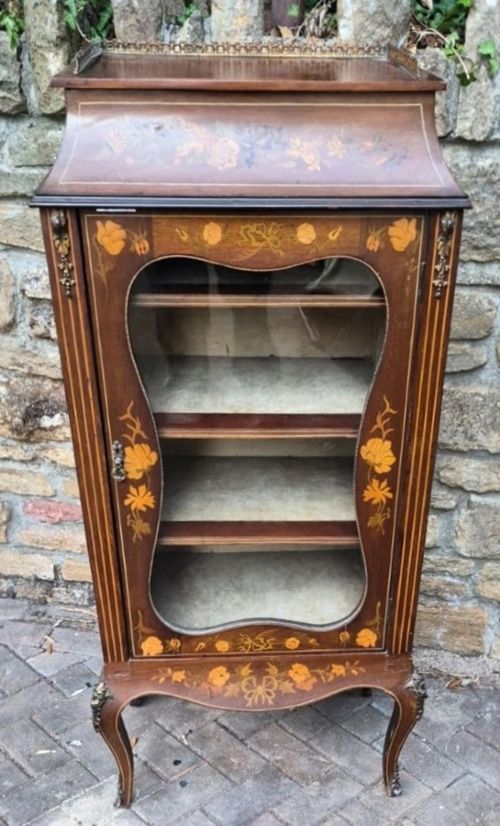
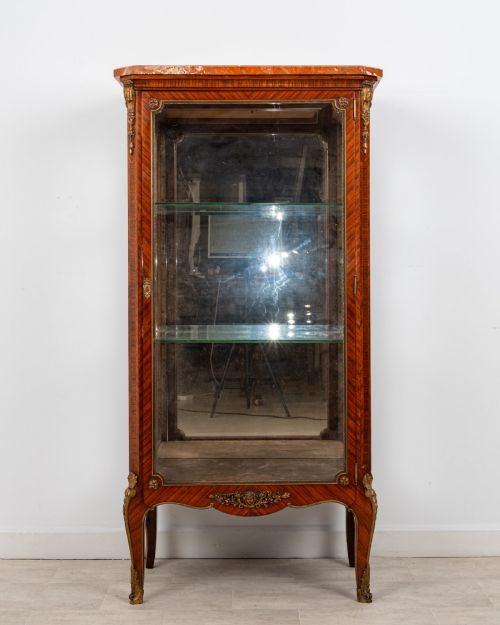
A french style vitrine cabinet serves primarily to display porcelain, glass and small collectables behind glazed doors and sides. These pieces emerge predominantly from nineteenth-century periods, alongside Edwardian and early twentieth-century examples.
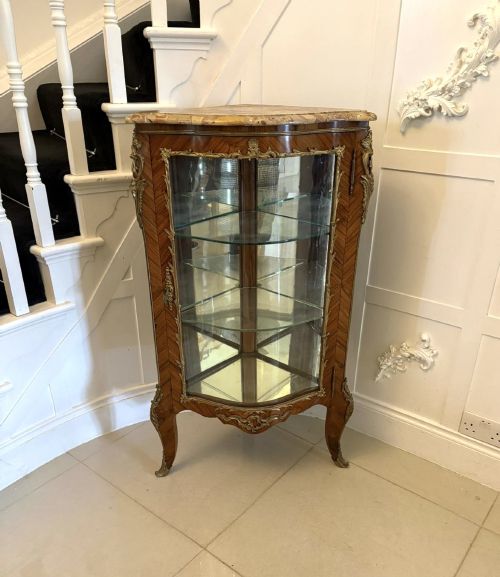
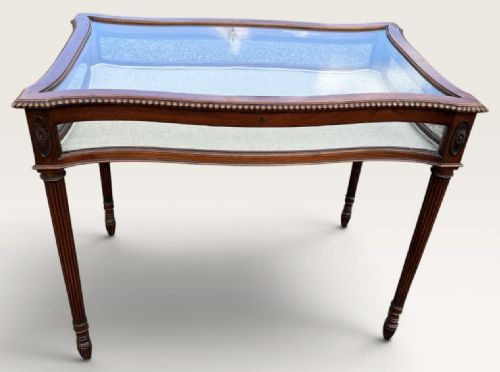
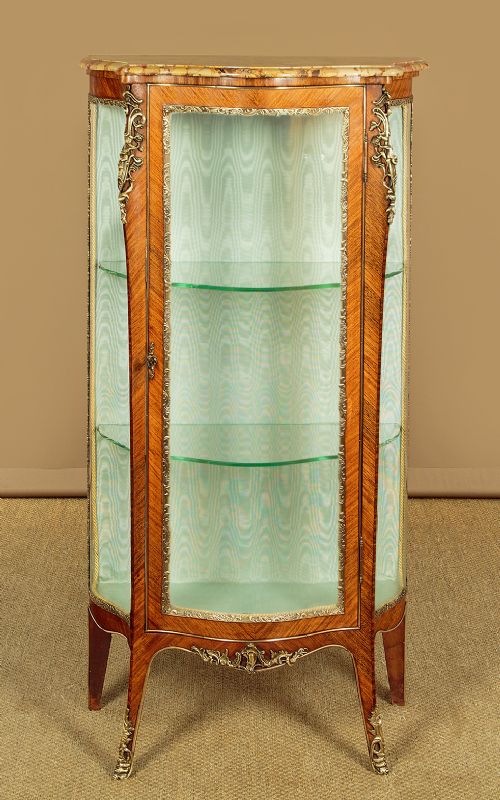
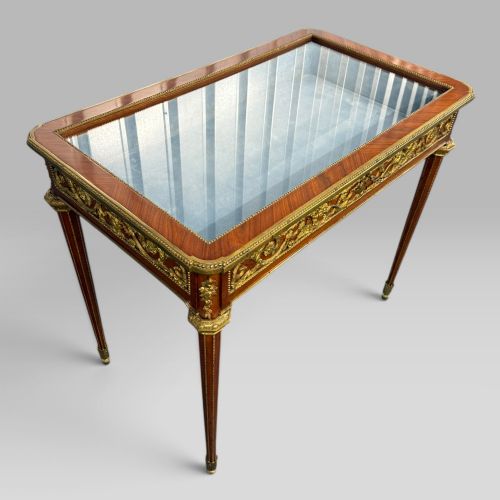
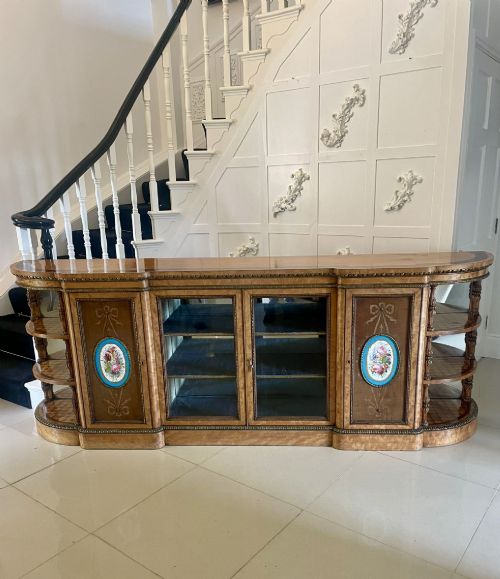
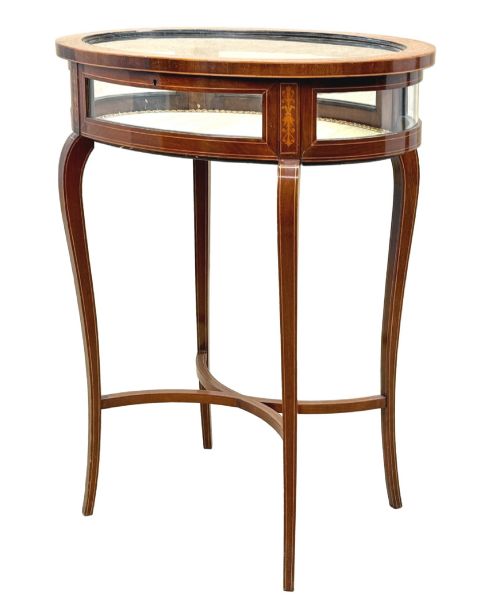
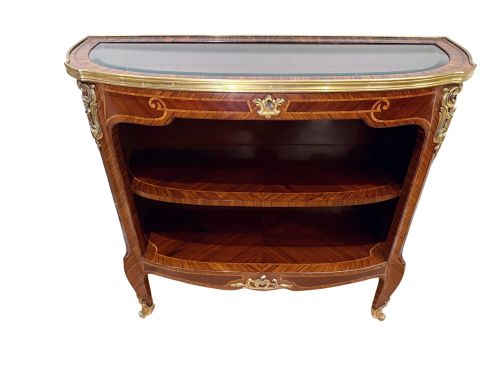
The dominant forms you will meet on this page include freestanding display cabinets, corner cabinets, pier cabinets, and smaller tabletop or bijouterie tables. Revival aesthetics shape most pieces, drawing particularly on Louis XV, Louis XVI, Rococo, and Directoire vocabularies.
Originating largely from French workshops and continental cabinet makers, these items combine practical storage with decorative presence. Walnut, mahogany, and kingwood carcasses frequently support elaborate glass panels designed to catch the light.
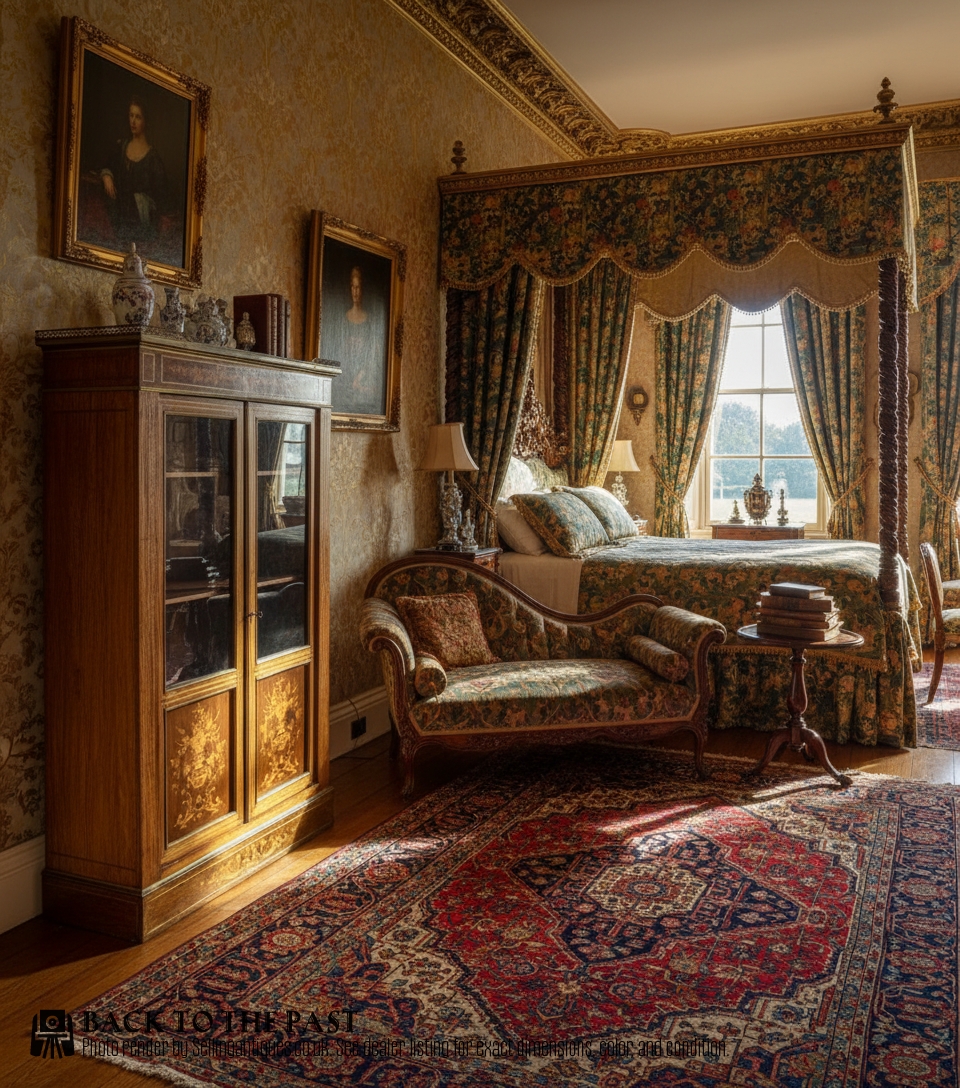
What varies in quality
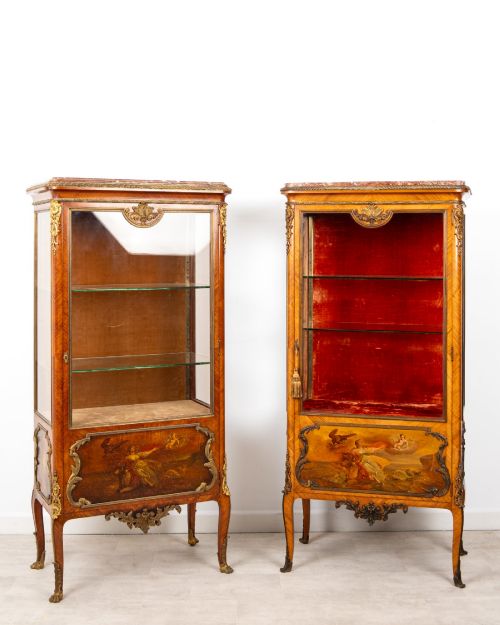
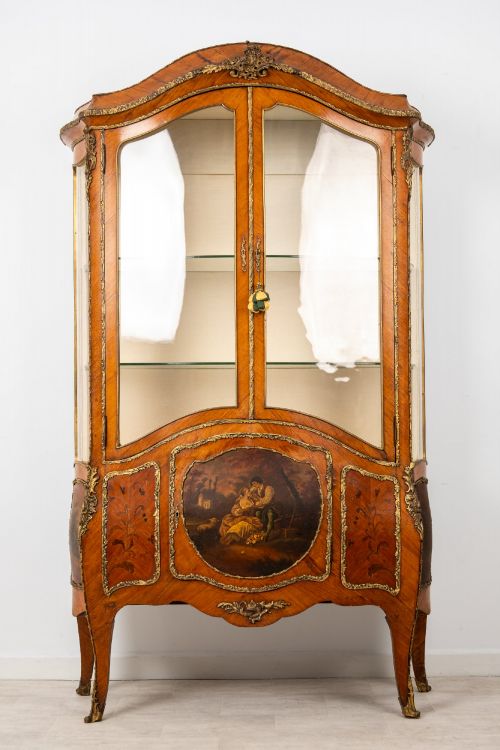
The refinement of the ormolu mounts separates standard production from exceptional pieces, as finely chased gilt-bronze exhibits crisp detail and deep relief. Cabinet work quality depends on the precision of the veneer matching, such as intricate marquetry or parquetry patterns laid across curved serpentine fronts.
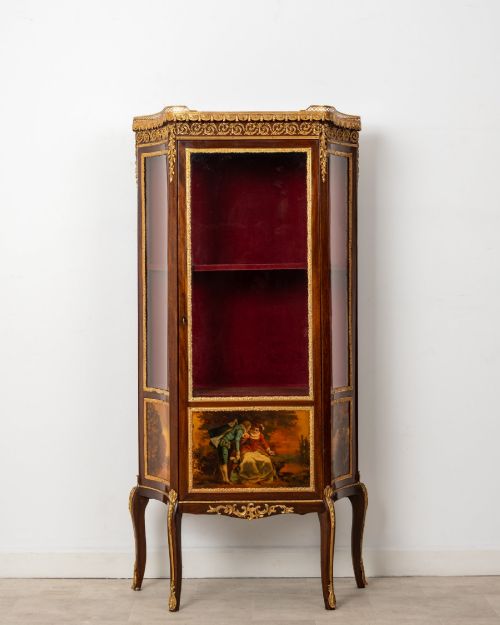
Heavier structural integrity and thicker marble slabs indicate superior construction, alongside signature work from notable cabinet makers. The integration of painted Vernis Martin panels also influences the overall artistic merit of the display furniture.
François Linke·H. J. Hatfield & Sons·Paul Sormani
The French Style Vitrine Cabinet Glossary
- Ormolu
- Gilded bronze mounts applied to furniture for decorative accent. This technique involves coating cast bronze with a gold amalgam.
- Vernis Martin
- A simulated Japanese lacquer technique developed in France. Artisans applied multiple layers of varnish to create translucent painted panels.
- Marquetry
- Inlaid wood pieces arranged to form decorative pictures or geometric patterns. Craftsmen fit contrasting veneers precisely into a prepared ground.
- Serpentine
- A furniture contour that curves inward at the centre and outward at the ends. This undulating shape requires advanced cabinet-making skill.
- Bijouterie table
- A glass-topped display table designed for jewellery and small trinkets. These pieces often feature hinged lids and velvet-lined interiors.
French Style Vitrine Cabinet: Frequently Asked Questions
What is a French style vitrine cabinet used for?
These cabinets house and display fragile ornaments, porcelain collections, and curated curiosities behind protective glass panels. The enclosed shelving keeps dust away while maintaining maximum visibility from multiple angles.
Interior fabric linings and mirrored backs often enhance the illumination of displayed objects. Tall floor models suit larger rooms, whereas compact corner or wall-hanging versions fit tighter spaces.
How do I identify a Louis XV style piece?
Louis XV style pieces typically feature pronounced curves, asymmetric ormolu mounts, and cabriole legs. The overall silhouette avoids straight lines in favour of flowing, organic contours.
Marquetry floral motifs and serpentine fronts further indicate this aesthetic lineage. These design markers separate them from the straighter, neoclassical lines found in Louis XVI furniture.
Where should I place a glass display cabinet?
Position your cabinet away from direct sunlight to prevent fading on interior fabrics and delicate objects. Placing the piece near ambient light sources helps illuminate the glazed sides and contents.
Ensure the floor surface is level, particularly with heavier marble-topped models, to maintain proper door alignment. Corner cabinets work well to utilise unallocated wall junctions in drawing rooms.
What distinguishes Vernis Martin from standard paint?
Vernis Martin involves a specific multi-layered resin and varnish process that yields a translucent, luminous finish. Traditional painted furniture relies on opaque pigments rather than layered lacquers.
This technique creates depth within the painted scenes, often depicting pastoral landscapes or figures. The resulting surface resists wear better than simple oil or water-based paints.