
Victorian Marquetry Cupboard
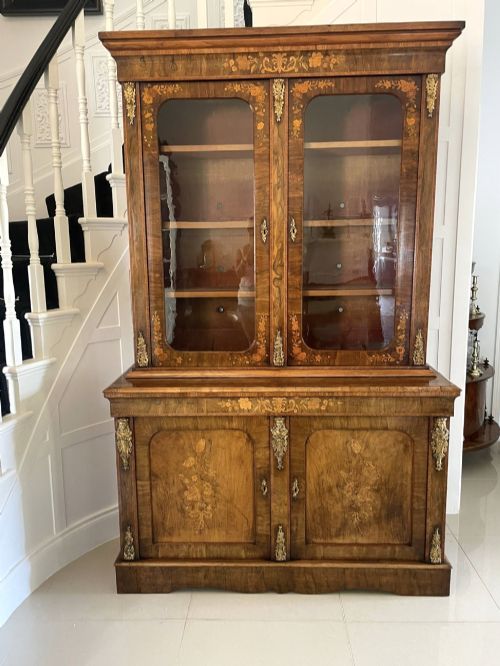
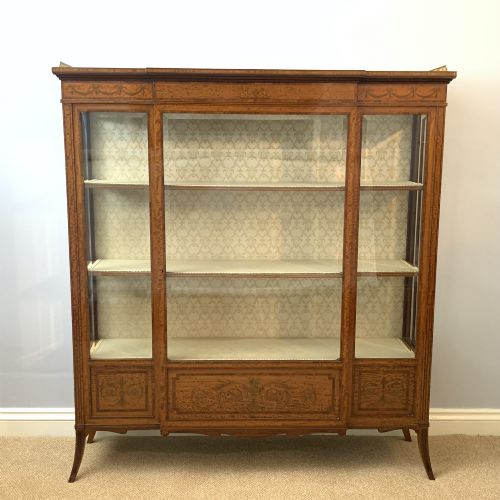
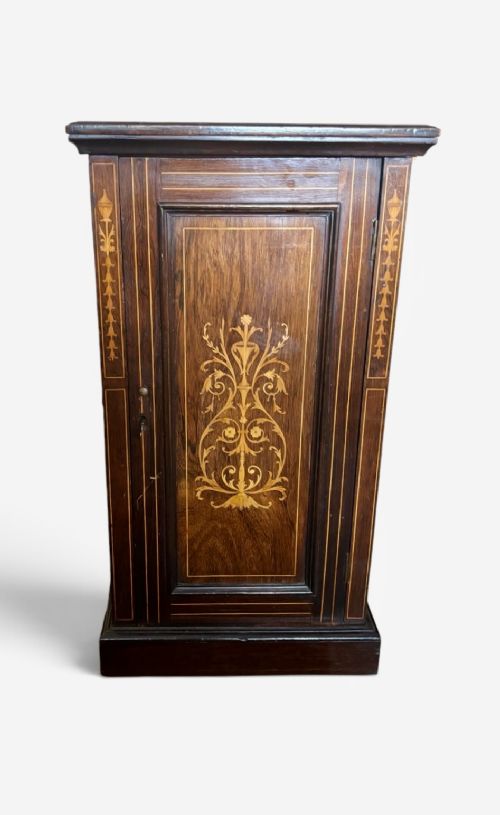
A victorian marquetry cupboard brings together timber and detailed wood inlay to serve storage and display in a room.
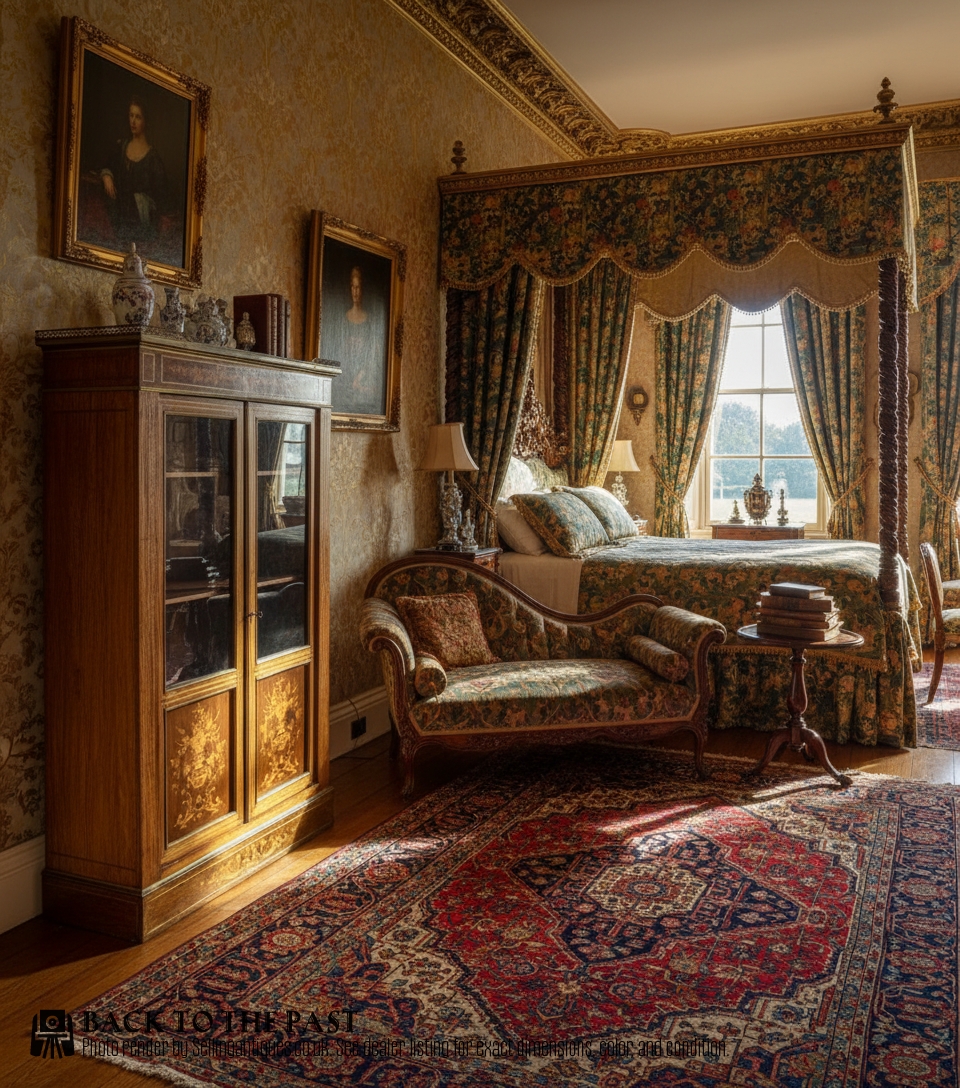
Victorian Marquetry Cupboard
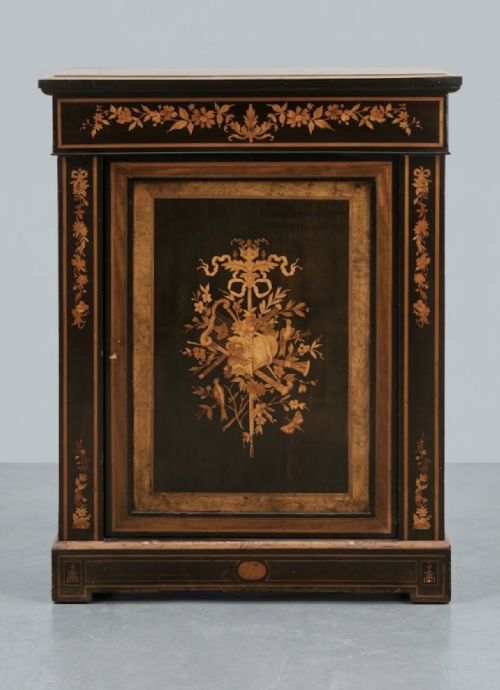
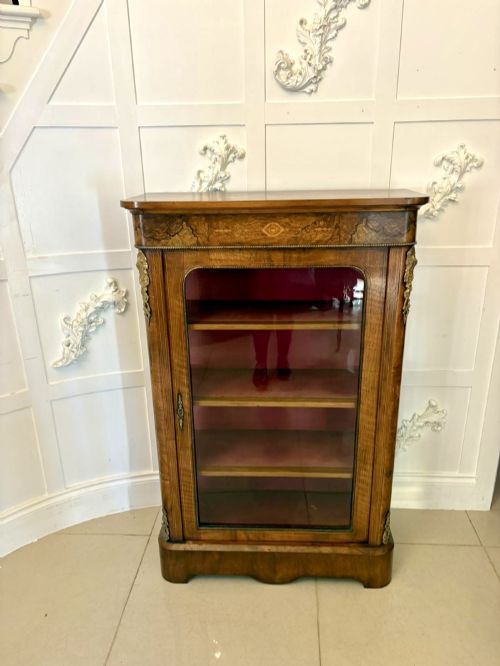
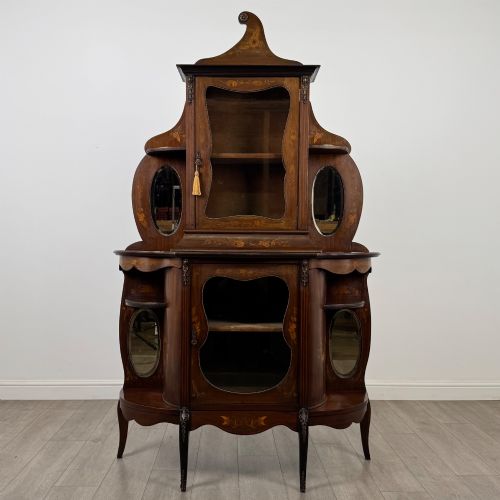
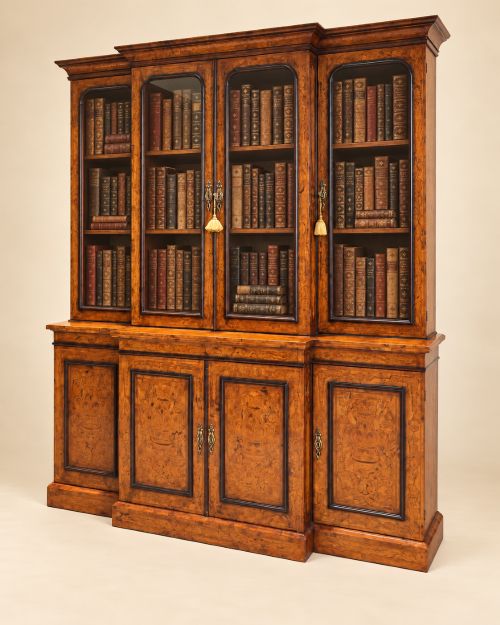
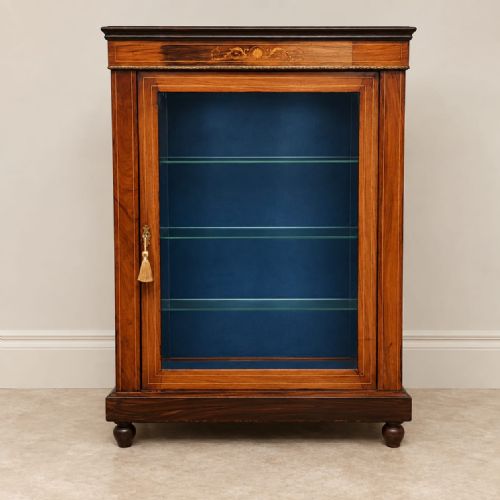
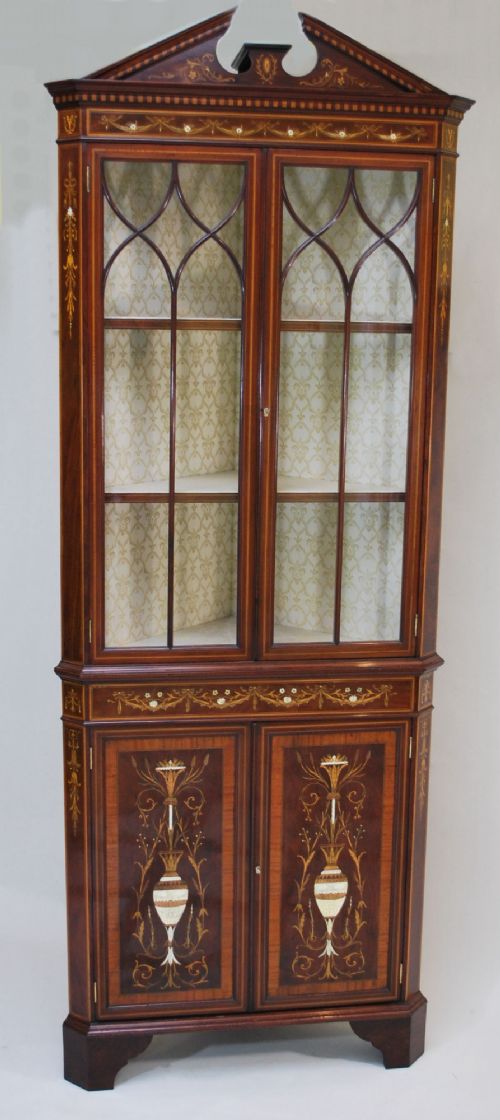
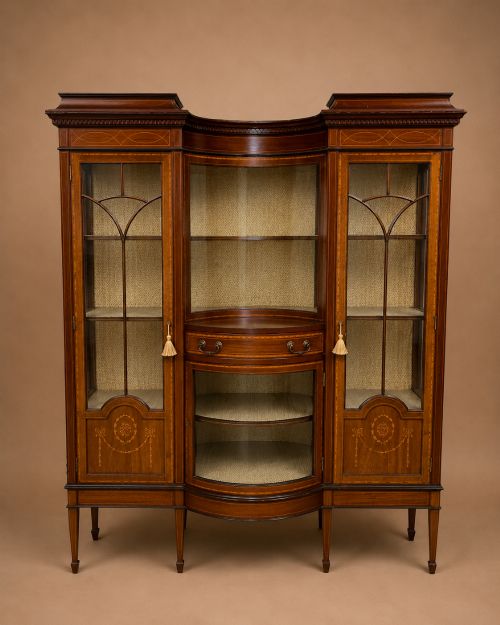
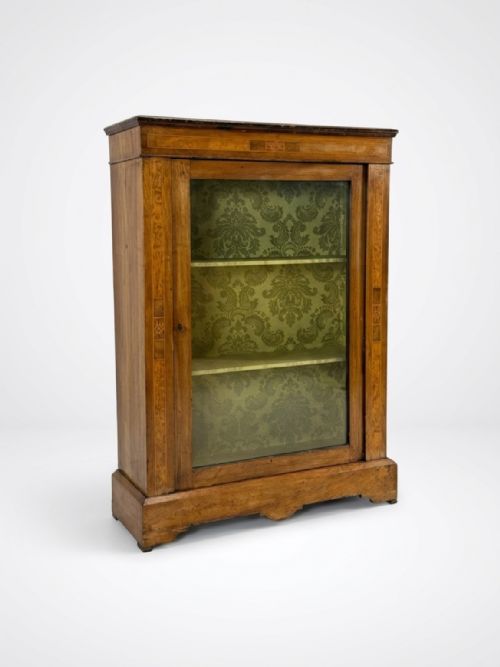
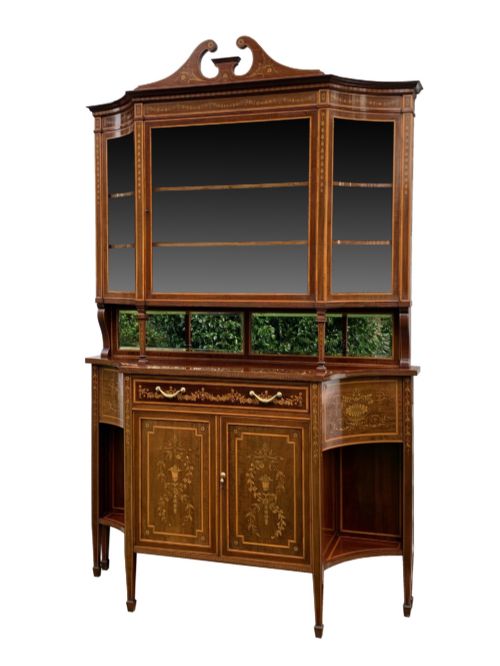
A victorian marquetry cupboard typically appears as a pier cabinet, a side cabinet, or a corner cabinet, designed with a flat top and enclosed shelving for displaying or storing household goods. These pieces date across the nineteenth century, including specific decades such as eighteen-sixty, eighteen-eighty, and eighteen-ninety, with occasional examples extending into the Edwardian period.
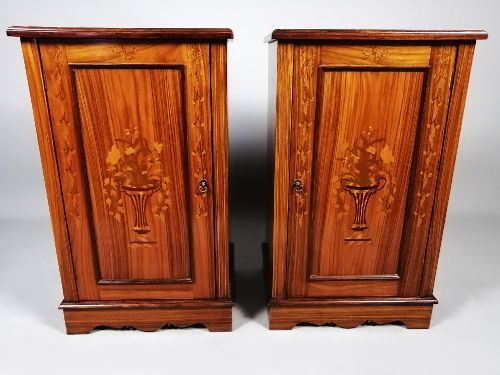
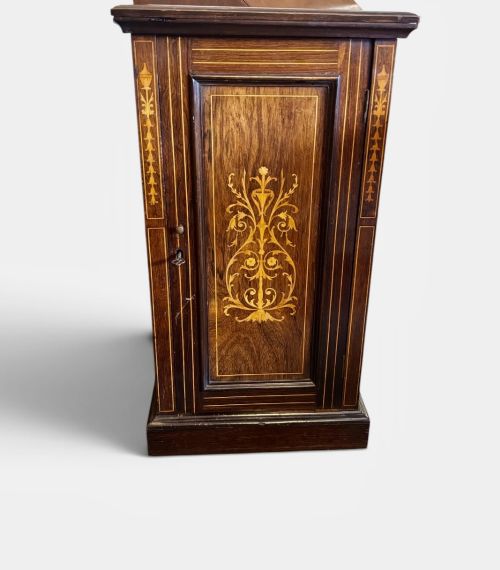
The primary forms include narrow pier cabinets, breakfront bookcases, and bedside cupboards, alongside corner cabinets built to fit domestic spaces. Many examples incorporate glass doors for display purposes, while others utilise solid timber doors for enclosed storage.
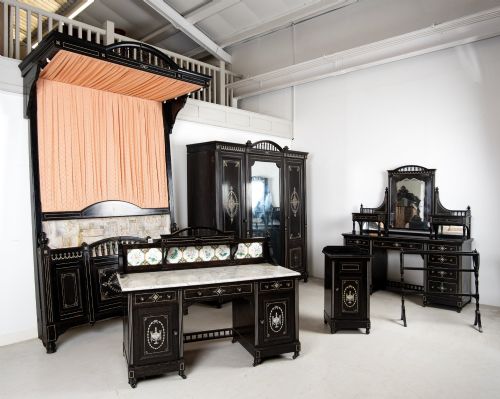
Makers and workshops of the era employed styles ranging from Sheraton Revival and Late Victorian to Napoleon III and the Aesthetic Movement. Walnut, burr walnut, mahogany, and satinwood form the foundation of these surviving examples, decorated with contrasting inlay.
Materials and construction methods
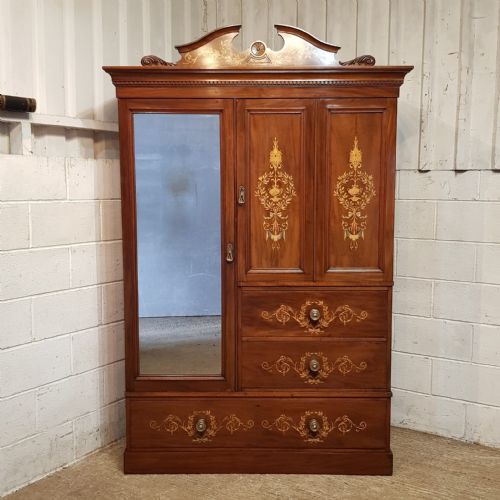
Cabinet makers utilised dense hardwoods including mahogany, walnut, and burr walnut as the structural base, often applying fine veneers to flat surfaces. Satinwood, rosewood, and maple provide lighter contrasting tones for the detailed marquetry patterns.
The ornamentation frequently incorporates brass mounts, gilt mounts, and ormolu framing, alongside glass panels fitted to display doors. Marquetry cutters pieced together varied timber veneers to create floral and geometric designs set into the primary wood.
Listings feature walnut, mahogany, satinwood, and rosewood timbers paired with brass, ormolu, and glass.
Assessing quality in inlaid cabinets
Quality rests upon the precision of the marquetry inlay and the choice of timber figure, such as highly figured burr walnut or rich mahogany. Finer pieces demonstrate tight, seamless joins in the contrasting veneers and crisp execution of floral or classical motifs.
Mounts in brass, ormolu, or gilt add another layer of distinction, where heavier, chased metalwork signifies a higher grade of manufacture. The architectural proportions and the integration of secondary timbers inside the cabinet further separate standard production items from workshop pieces.
Edwards and Roberts·Edward Holmes Baldock·Maple and Co
The Victorian Marquetry Cupboard Glossary
- Marquetry
- Decorative veneer work arranged in pictorial or geometric patterns using various woods. This technique requires precise cutting and fitting of thin timber sections onto a solid carcase.
- Pier cabinet
- A low cabinet designed to stand against the narrow wall space between windows. These pieces often feature glass doors and gilt or ormolu mounts.
- Ormolu
- Gilded bronze ornamentation applied to furniture mounts and details. The technique provides a bright metallic contrast against dark hardwoods like walnut and mahogany.
- Burr walnut
- Timber taken from a walnut tree growth, yielding a swirling, highly figured grain pattern. Cabinet makers valued this wood for the rich texture it brought to door panels.
- Sheraton Revival
- A late nineteenth-century design style inspired by eighteenth-century neoclassical furniture. Pieces in this style typically display lighter satinwood surfaces and delicate inlaid details.
Victorian Marquetry Cupboard: Frequently Asked Questions
How do I tell a pier cabinet from a bedside cupboard?
Pier cabinets stand taller with glass doors intended for display, often embellished with ormolu mounts and fine marquetry.
Bedside cupboards are lower in height with solid wooden doors designed to hold night-time necessities.
What timber was used most often?
Walnut and mahogany form the structural core of the vast majority of these cabinets, frequently finished with burr walnut veneers.
Satinwood and rosewood appear regularly as secondary timbers used specifically for contrasting marquetry inlay.
Are all these cabinets strictly Victorian in date?
The majority originate from the nineteenth century during the Victorian era, spanning specific decades from eighteen-sixty to eighteen-ninety.
A smaller number extend into the Edwardian period around nineteen-hundred while continuing nineteenth-century revival styles.