


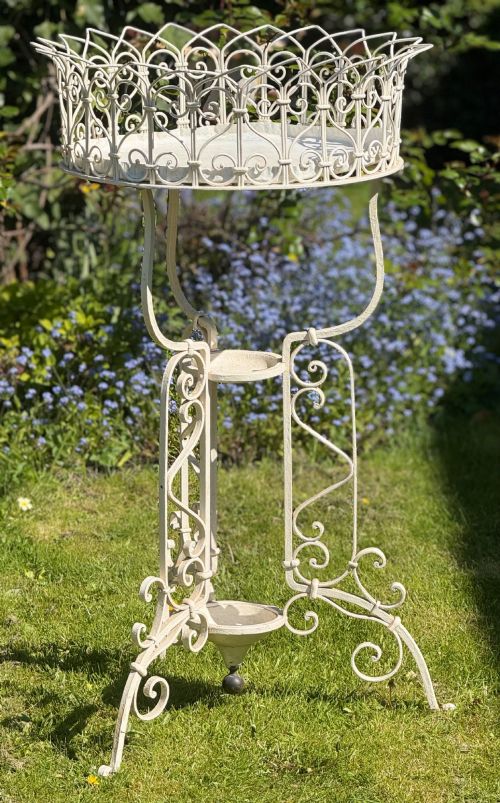

French Style Plant Stand
These French style plant stand options combine classical ornament and organic display to elevate interior greenery with continental elegance.
French Style Plant Stand
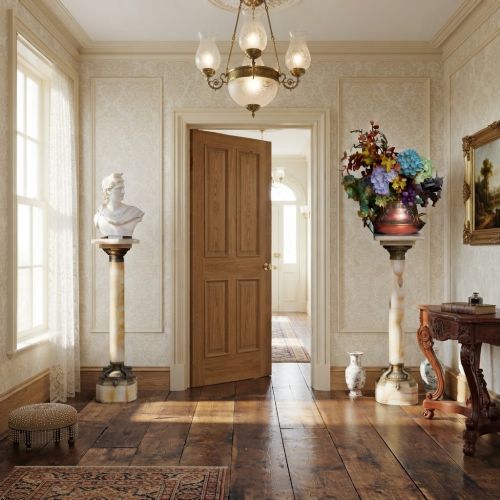
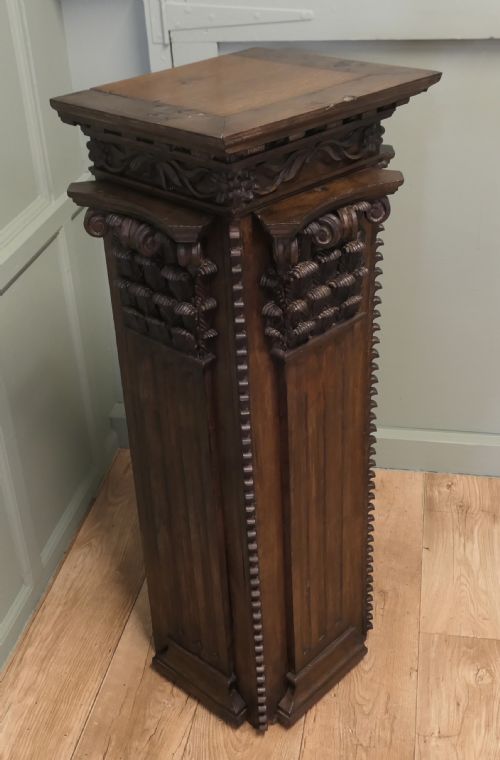
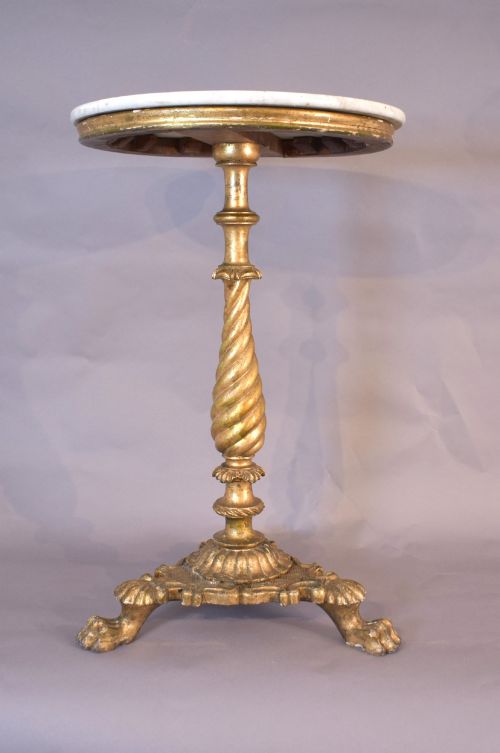
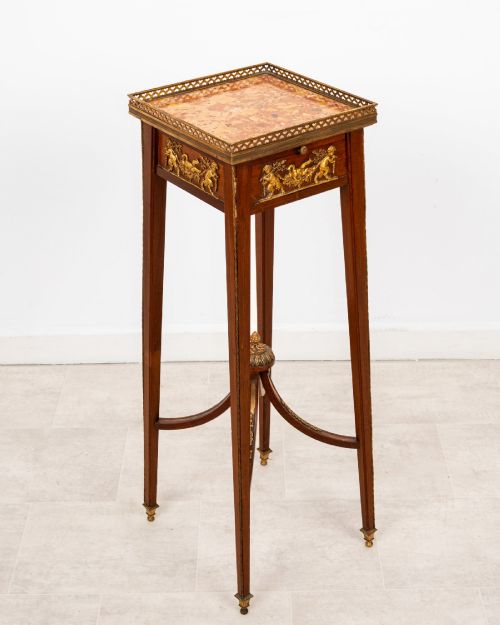
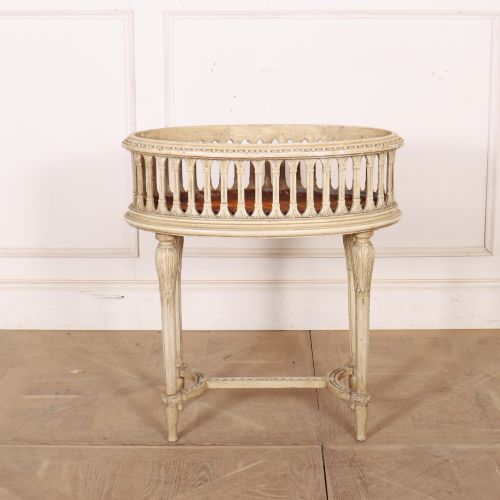
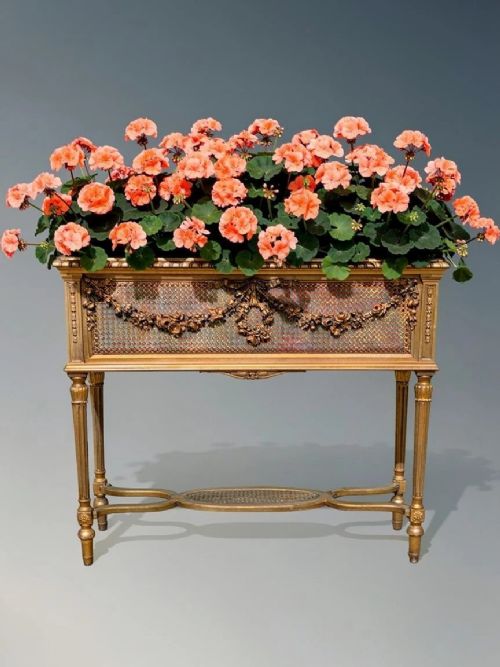
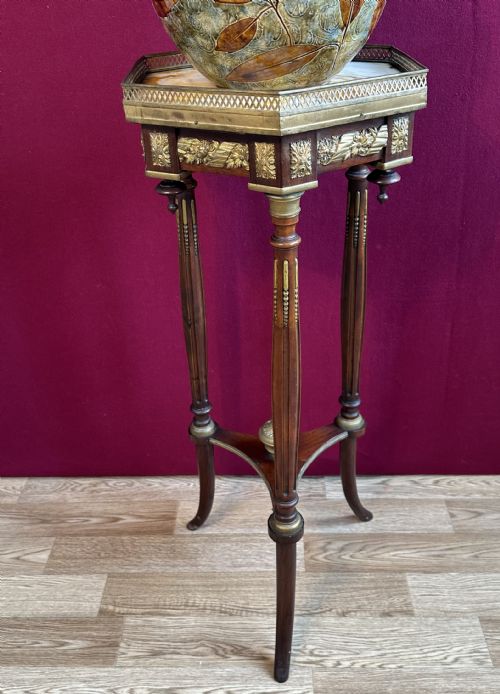
A french style plant stand encompasses diverse raised display pieces including jardinieres, pedestals, gueridons and torcheres designed to elevate botanical specimens within domestic interiors. These furnishings emerge predominantly from nineteenth and early twentieth century workshops, drawing heavily upon historical design idioms like Louis XV and Louis XVI revivals.
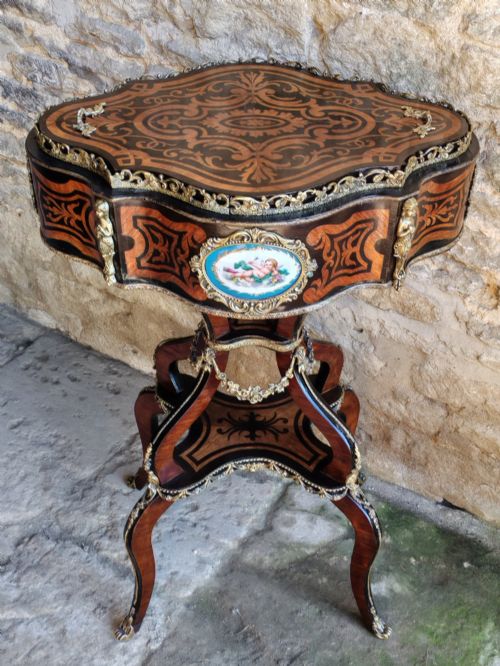
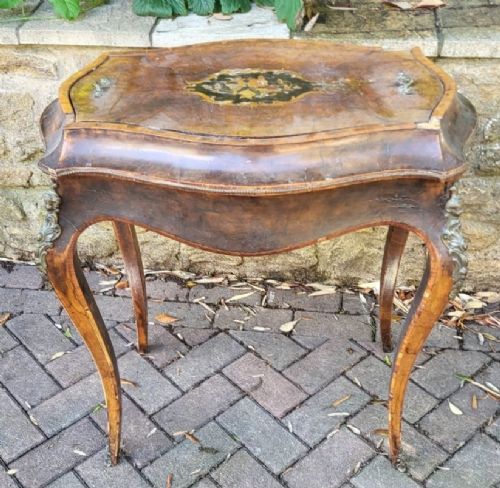
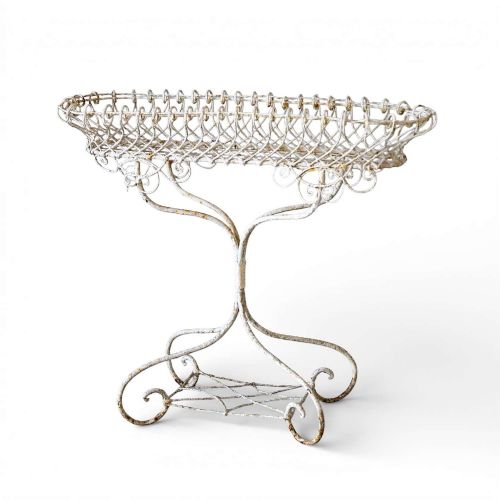
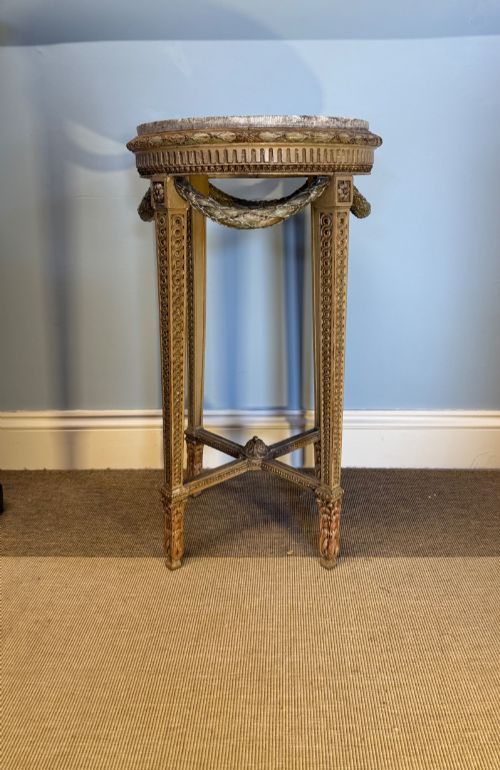
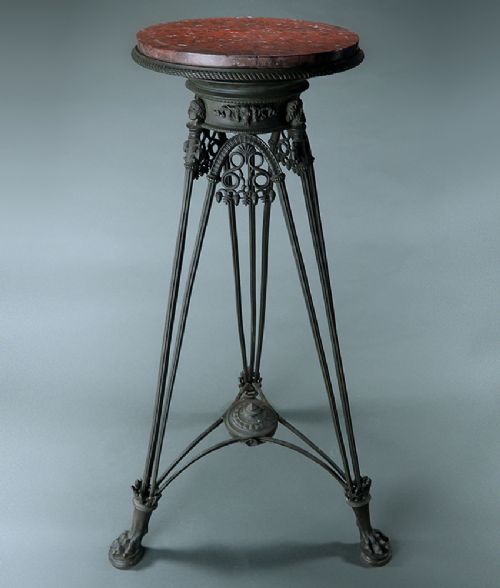
Buyers frequently encounter marble-topped tables, ormolu-mounted planters and columnar pedestals featuring decorative metalwork or carved timber frames. These objects span conservatory wirework designs, heavy cast iron garden stands and polished walnut or mahogany occasional tables equipped with protective metal liners.
Quality and Execution
Differentiation across these stands rests upon the crispness of metal cast mounts, the depth of wood carving and the grade of inset stone tops. Superior examples display finely chased ormolu details and richly figured burr walnut veneers rather than plain secondary timbers.
Structural integrity and the retention of original hardware, such as brass liners and decorative collars, govern overall refinement. Pieces that maintain unified patination across both timber frames and metallic embellishments demonstrate superior craftsmanship.
French Style Plant Stand Retail Price Guide 2026
Typical asking prices for french style plant stand among the pieces listed under this phrase on Sellingantiques today, from the lower quarter to the upper quarter. They describe what is for sale here now, not the wider market.
Listings feature nineteen-century and early twentieth-century pieces spanning Victorian, Edwardian, and Louis XVI revival styles.
François Linke·Gabriel Viardot
The French Style Plant Stand Glossary
- Jardiniere
- An ornamental stand or receptacle designed to hold growing plants or flowers. These vessels often feature waterproof liners and decorative exterior mounts.
- Ormolu
- Gilt bronze ornamentation applied to furniture and decorative objects. This technique involves gilding a mercury-bronze amalgam to achieve a rich golden surface.
- Gueridon
- A small circular table supported on one or more central columns. The form originates from seventeenth century French design and frequently incorporates marble tops.
- Torchere
- A tall stand or candlestick designed to support a light fixture or decorative display piece. In plant displays, these function as elevated pedestals.
- Etagere
- A piece of furniture consisting of a set of open shelves for displaying small objects. These tiered stands often serve as botanical display surfaces.
French Style Plant Stand: Frequently Asked Questions
What is a French style plant stand?
A French style plant stand is an ornamental furnishing designed to elevate botanical displays, drawing on historical design vocabularies like Louis XV and Empire.
These pieces use materials such as ormolu-mounted timber, marble tops and cast iron to combine utility with decorative interior presence.
How were antique plant stands used?
Original interiors utilised these stands within drawing rooms, halls and conservatories to display potted plants, ferns and floral arrangements.
Fitted metal liners inside many jardinieres allowed owners to water plants directly without damaging the surrounding woodwork.
How do I style a plant stand?
Placement depends on light levels and room proportions, suiting corners, window bays or empty wall spaces where height adds visual interest.
Pairing a marble-topped pedestal with trailing foliage creates a balanced composition that highlights both the plant and the support.
How do I identify the period?
Dating relies on timber selection, construction techniques and stylistic revival markers, such as nineteenth century Victorian or Edwardian manufacturing traits.
Examining the metal mounts, fasteners and wear patterns helps confirm whether a piece is a nineteenth century original or a later twentieth century interpretation.