


French Style Oak Table
A french style oak table brings continental character and honest timber into a room, spanning rustic farmhouse forms and refined provincial lines.
French Style Oak Table
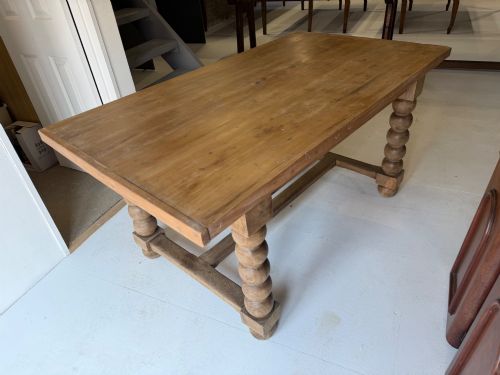
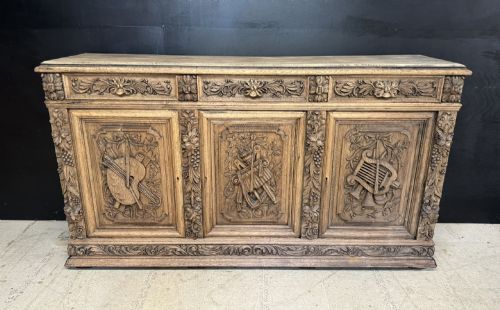
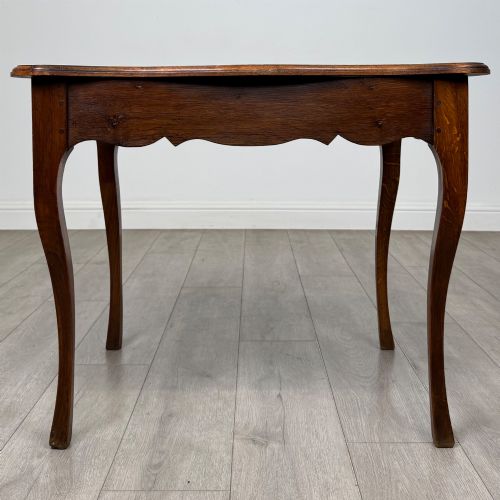
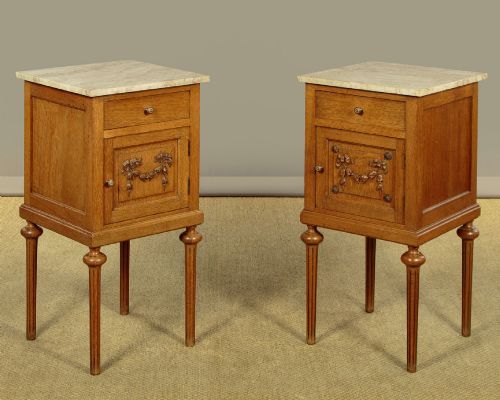
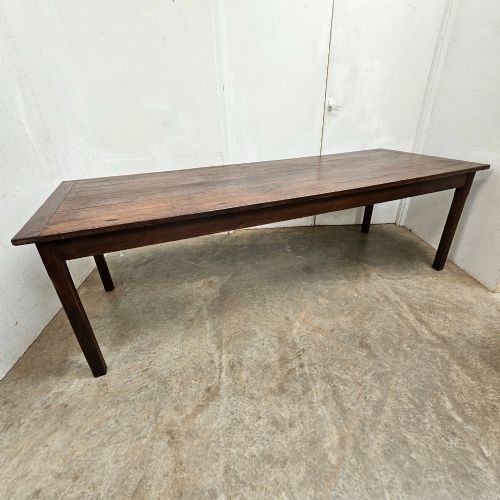
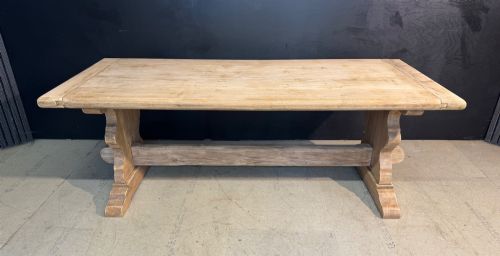
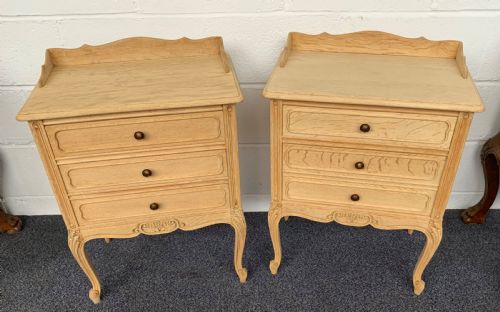
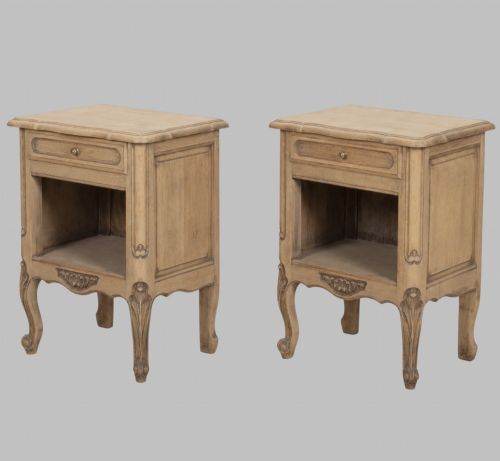
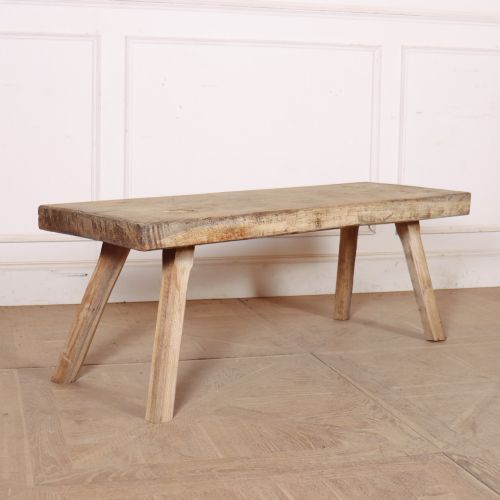
When you search for a french style oak table, you encounter a wide variety of domestic furniture shaped by continental traditions. These pieces range from large dining and refectory formats to smaller side tables, bedside cabinets, desks, and console tables.
The selections span multiple eras, drawing heavily from nineteenth-century pieces alongside early twentieth-century examples up to the 1950s. Regional interpretations vary from simple provincial models to more ornate revivals.
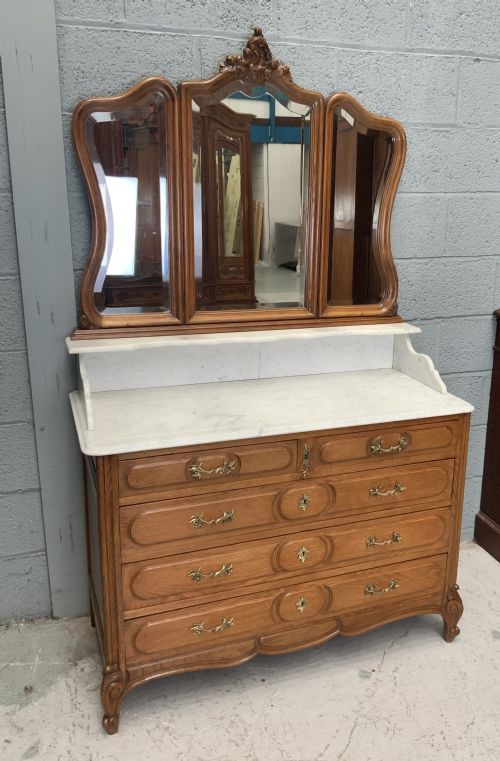
Dining and farmhouse variants dominate the larger formats, while smaller items often include marble tops, parquetry work, or bobbin legs. Each piece reflects the functional needs of its period, whether used for dining, writing, or bedside storage.
Evaluating quality and proportion
Quality rests in the selection of the timber and the integrity of the construction, distinguishing sturdy farmhouse tables from lighter occasional pieces. Heavy structural framing and clean timber movement set superior examples apart.
The refinement of the carving and the integration of secondary materials, such as fitted marble tops or brass mounts, indicate the original tier of production. Proportion and balance between the base and the top dictate the visual success of the piece.
The documented pieces span from seventeenth-century chestnut boxes through nineteenth-century provincial tables to mid-century modern desks.
KRIEGER of Paris·Étienne Kohlmann
The French Style Oak Table Glossary
- Bleached oak
- Timber treated to lighten its natural tone, a finish commonly found on twentieth-century continental tables. This process softens the appearance of heavy grain.
- Parquetry
- Geometric wood inlay work arranged in patterns across the surface of a table top. It demonstrates precise craftsmanship.
- Draw leaf table
- A dining table equipped with pull-out extension leaves stored beneath the main top. This mechanism expands surface space efficiently.
- Refectory table
- A long, narrow dining table traditionally built for communal dining. These pieces often feature robust stretcher bases.
- Console table
- A wall-mounted or freestanding table designed to stand against a wall, frequently topped with marble. They often serve decorative hallway or living room roles.
French Style Oak Table: Frequently Asked Questions
How do I date a french oak table?
Dating relies on construction methods, hardware choices, and stylistic markers such as provincial carving versus Art Deco lines. Examining the underside and joint work reveals the period of manufacture.
Twentieth-century pieces often incorporate standardised fixings or bleached finishes, whereas nineteenth-century variants show hand-cut joinery and deeper patina in the timber.
Are these tables suitable for daily dining?
Most oak farmhouse and refectory formats are built for robust daily use. Solid timber surfaces withstand regular meals and family gatherings.
Care should be taken with variants featuring delicate parquetry or marble tops, which benefit from protective coasters and placemats.
What is the difference between provincial and chateau styles?
Provincial tables emphasise functional simplicity with modest lines and local utility. They reflect regional domestic traditions across the French countryside.
Chateau and revival styles incorporate heavier carving, classical motifs, and grander proportions intended for formal reception rooms.
How should I maintain an antique oak surface?
Regular dusting with a dry cloth prevents dirt accumulation in the grain. Wax can be applied sparingly to nourish solid oak surfaces.
Avoid placing timber tables near direct heat sources or moisture, which can cause the wood to warp or crack over time.