


French Style Floor Mirror
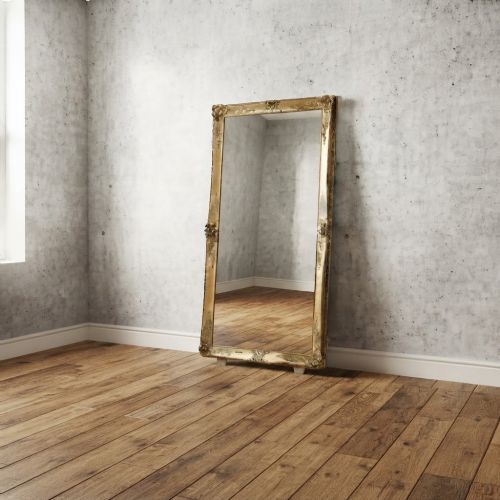
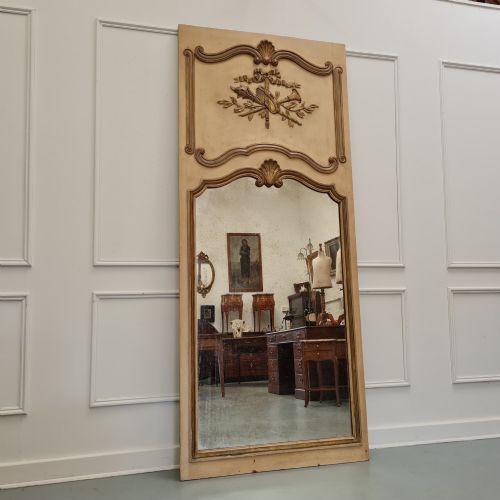
A french style floor mirror brings height and reflected light to a room, drawing on nineteenth-century chateau and rococo traditions.
French Style Floor Mirror
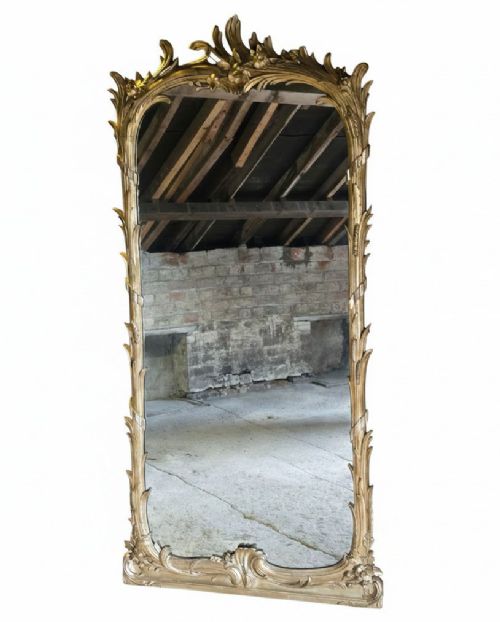
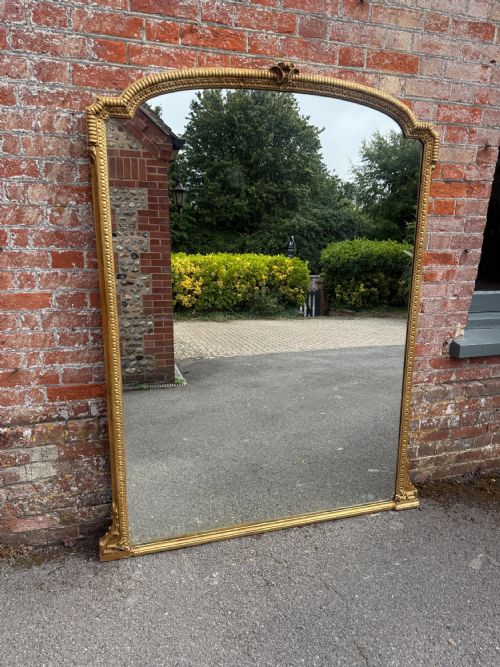
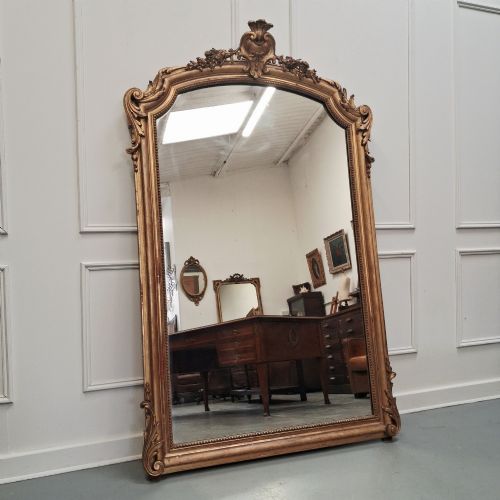
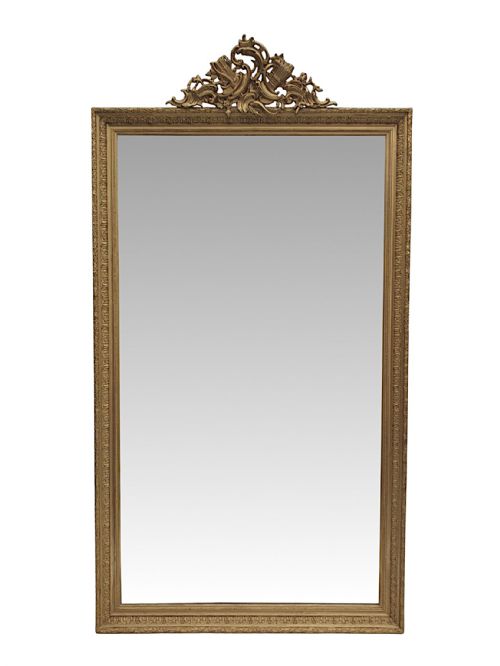
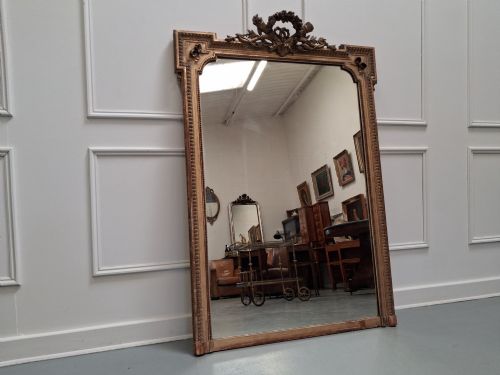
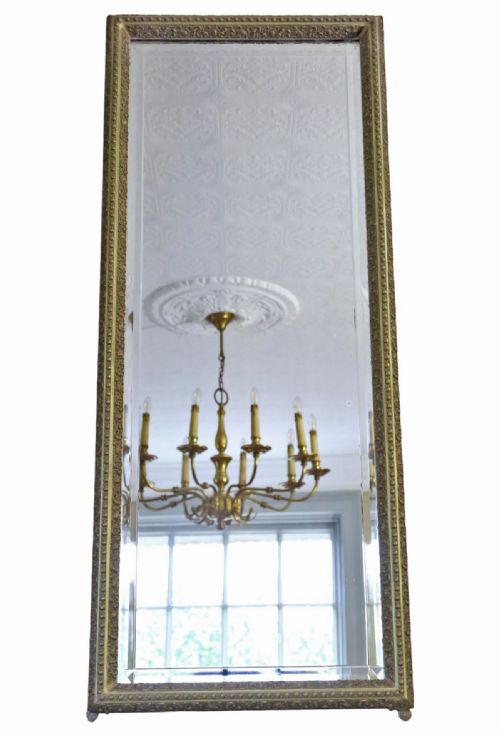
A buyer seeking a french style floor mirror encounters tall wall mirrors, leaner mirrors, and cheval mirrors spanning the eighteenth, nineteenth, and early twentieth centuries. These pieces appear in French chateau, rococo, empire, and neoclassical styles, designed to stand upon the floor or lean against a wall.
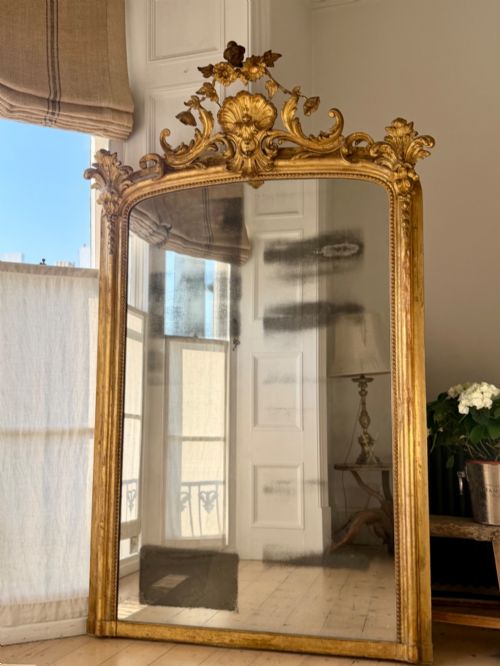
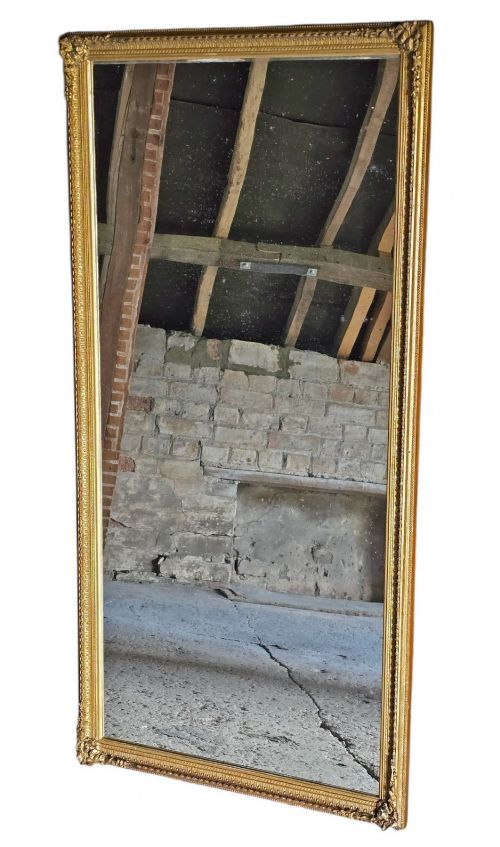
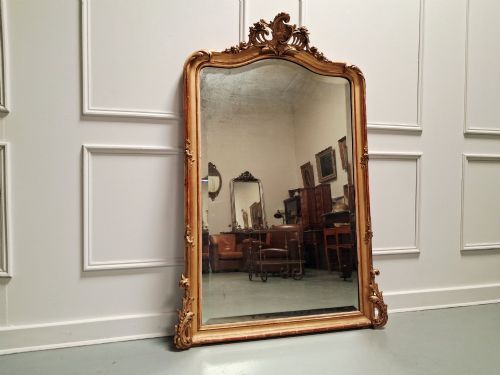
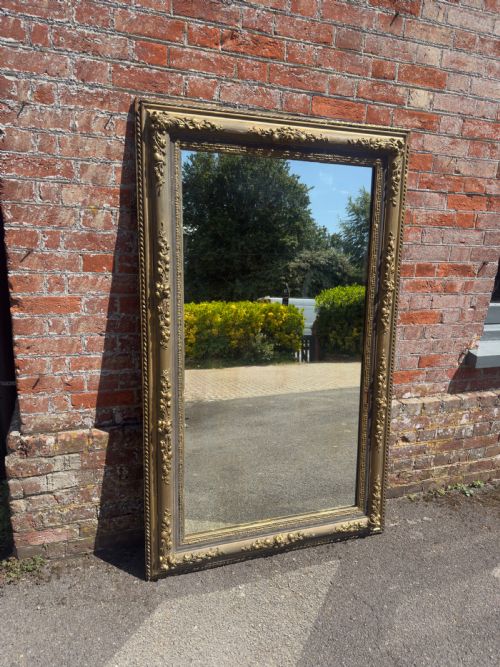
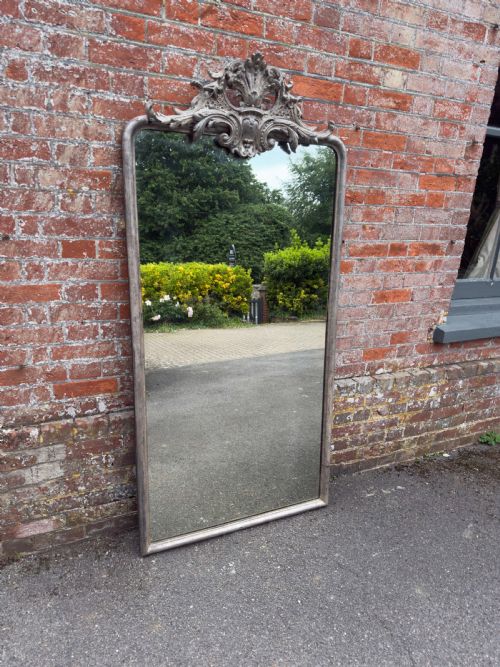
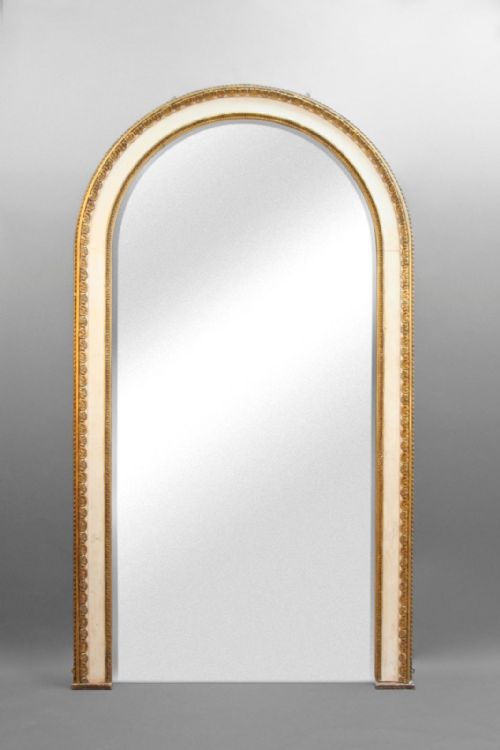
The selection includes large giltwood and painted frames with shaped, arched, or ribbed tops, alongside mahogany and walnut dressing mirrors. Many examples originate from the nineteenth century, reflecting the ornate decorative preferences of the period.
Materials and construction
Frames are constructed from carved wood, often layered with gesso before receiving a finish of gold leaf, parcel gilt, or paint. The woodwork supports large sheets of mirror glass, sometimes recorded with foxed mercury surfaces.
Cabinetmakers utilised timber varieties including flame mahogany and walnut for structural stability in tall floor and cheval formats. Gilding and carved ornamentation define the decorative surface work on these large frames.
Listings feature materials including giltwood, gesso, carved wood, flame mahogany, walnut, and mercury mirror glass across multiple centuries.
Craftsmanship and design
Quality rests in the depth and crispness of the carved wood and gesso ornamentation, where skilled hand-carving creates pronounced relief and fluid curves. Lesser examples show softer moulding and simpler decorative application.
The integration of the plate glass within the heavy frame and the preservation of original gilding or painted surfaces distinguish finer exhibition and exhibition-grade pieces from standard decorative alternatives.
Nosotti s
The French Style Floor Mirror Glossary
- Gesso
- A plaster-based mixture applied to carved wood frames to provide a smooth, resilient surface for gilding or painting. It allows intricate relief work to be formed before the final gold leaf or pigment is laid down.
- Cheval mirror
- A full-length dressing glass suspended on a vertical swivelling frame between two upright posts. This freestanding design permits the glass to tilt to various angles.
- Trumeau
- A decorative wall mirror incorporating a painted panel or oil painting above the glass plate. These pieces were traditionally fitted into the panelling of grand rooms.
- Foxed glass
- Mirror glass displaying characteristic dark spots and mottling caused by the degradation of the backing over time. This ageing process creates a mottled reflection valued by collectors.
- Overmantel mirror
- A large horizontal or tall mirror specifically designed to be positioned above a fireplace mantelpiece. They often share stylistic traits with floor-standing leaner mirrors.
French Style Floor Mirror: Frequently Asked Questions
Where should I place a floor mirror?
Floor mirrors work effectively opposite windows to maximise natural daylight and visually expand the dimensions of a reception room or bedroom.
Leaner mirrors require a stable wall surface and a secure base to support their considerable height and weight safely.
How do I distinguish a cheval mirror?
A cheval mirror stands independently on its own four-legged or trestle base, unlike wall-mounted or leaning alternatives.
The frame pivots on axis pins, allowing the user to adjust the tilt of the glass for full-length viewing.
What is foxed glass?
Foxed glass refers to antique mirror plates where the silver backing has oxidised over decades, producing characteristic speckled patches.
This natural ageing alters the clarity of the reflection without diminishing the historical character of the piece.
How do I identify a rococo revival frame?
Rococo revival frames feature asymmetrical scrollwork, C-scrolls, and naturalistic floral carvings executed in heavy gesso over wood.
These nineteenth-century interpretations emulate eighteenth-century French designs with dramatic relief and ornate arched tops.