
French Style Drawers
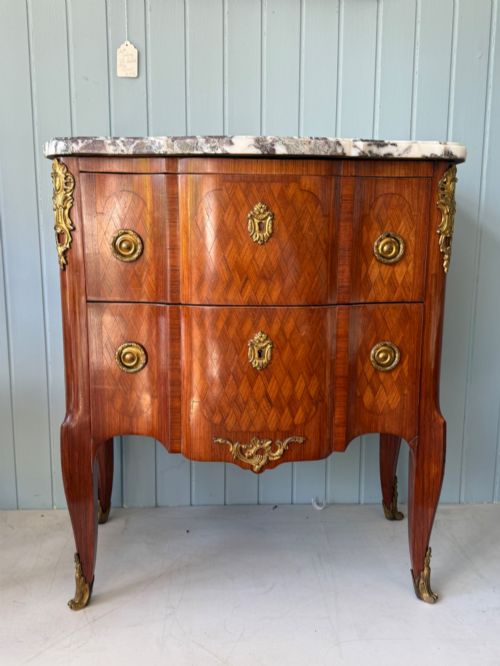
French style drawers bring continental elegance to a room, offering practical storage disguised in walnut, oak, and rich marquetry.
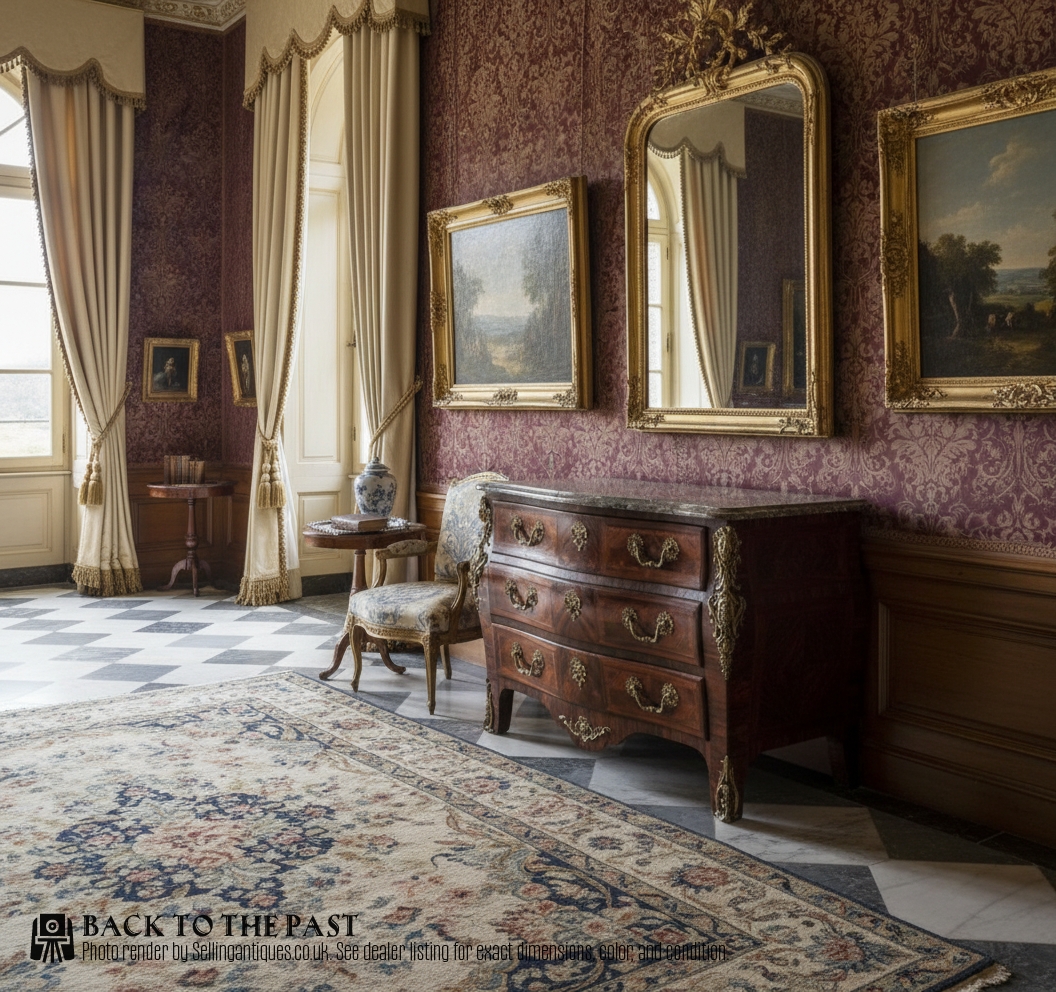
French Style Drawers
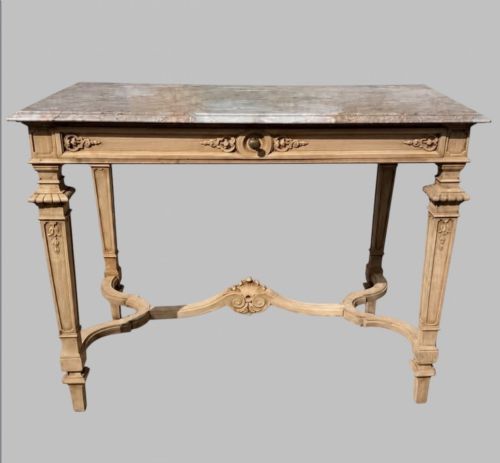
French style drawers encompass a broad range of storage pieces designed with continental aesthetics, ranging from formal commodes to practical bedside cabinets. The selection leans heavily toward revival pieces from the nineteenth and early twentieth centuries alongside walnut and cherry examples from the eighteenth century.
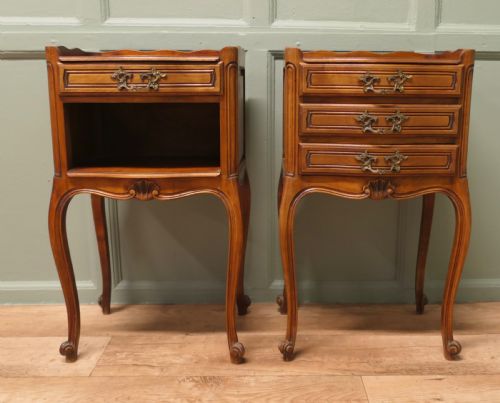
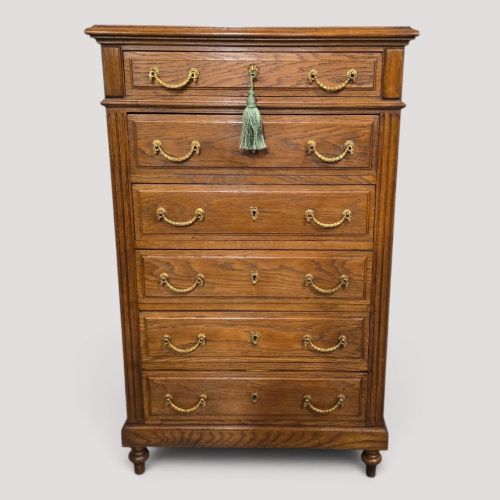
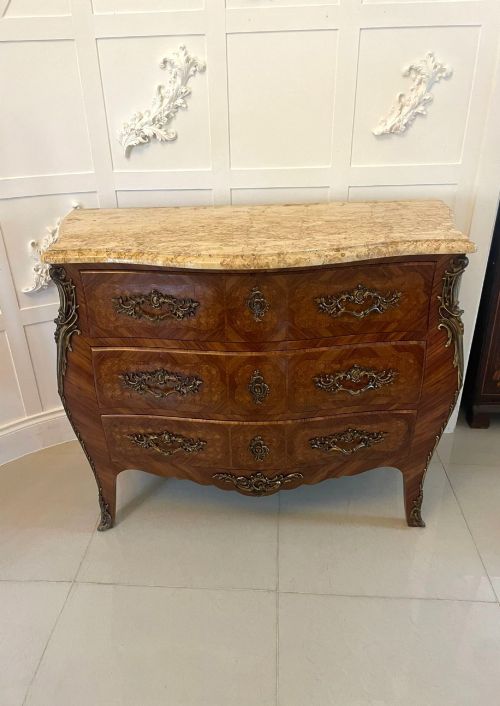
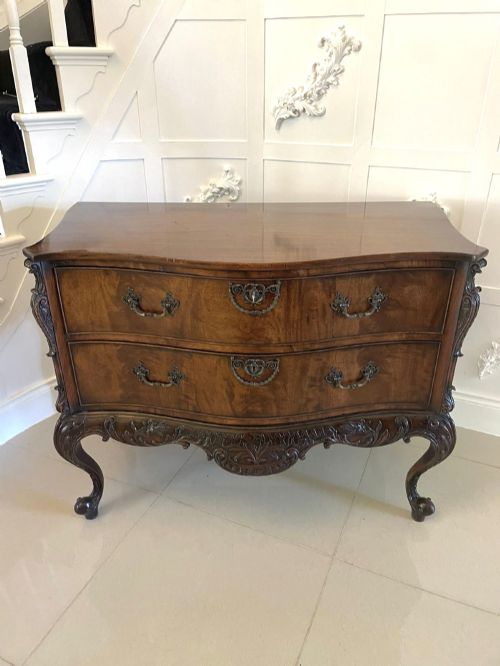
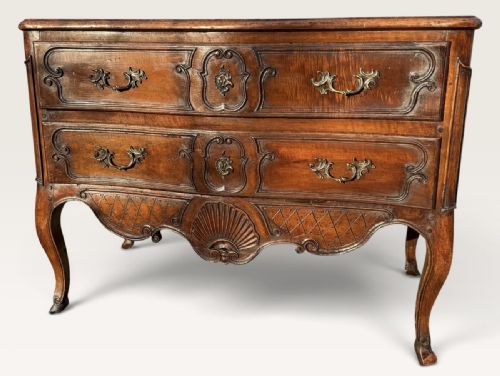
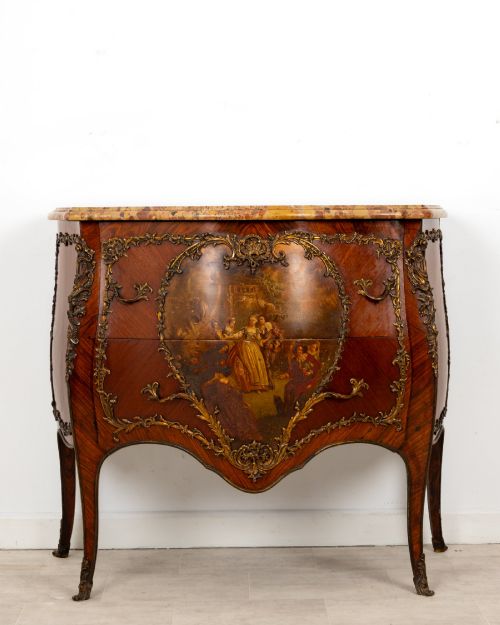
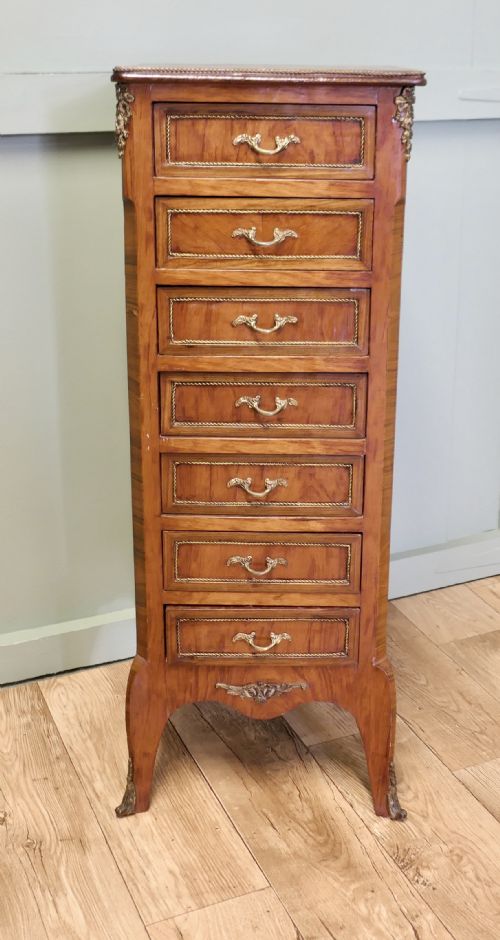
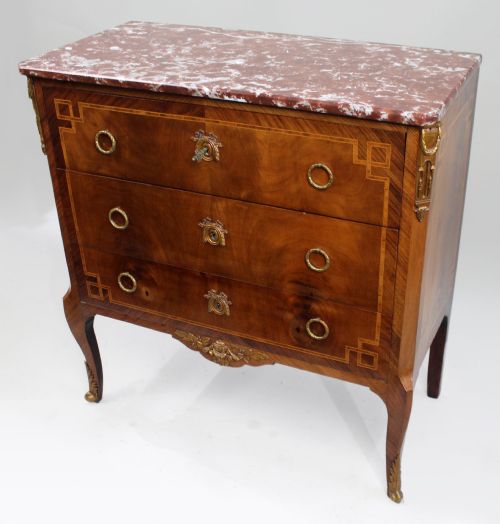
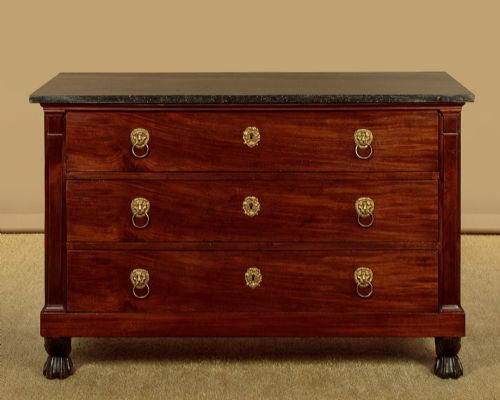
Commodes and chests of drawers dominate the category, frequently paired with matching bedside tables and side cabinets. Buyers encounter serpentine fronts, bomb shapes, and upright semainiers built for specific domestic uses.
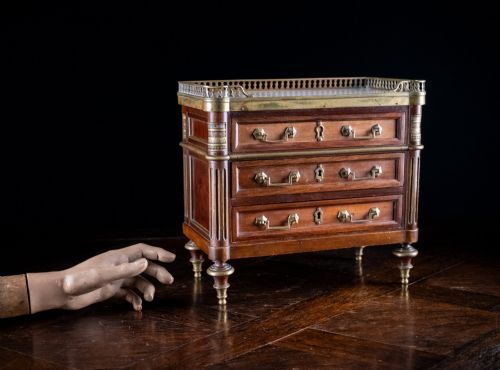
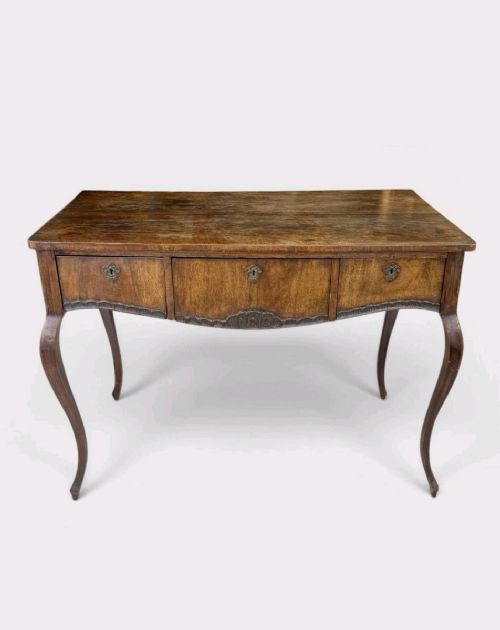
Regional influences vary from the curvaceous lines of Louis XV revivals to the more restrained geometry of Louis XVI styles. Oak, walnut, and mahogany form the structural backbone of these pieces, often paired with decorative veneers.
How They Were Made
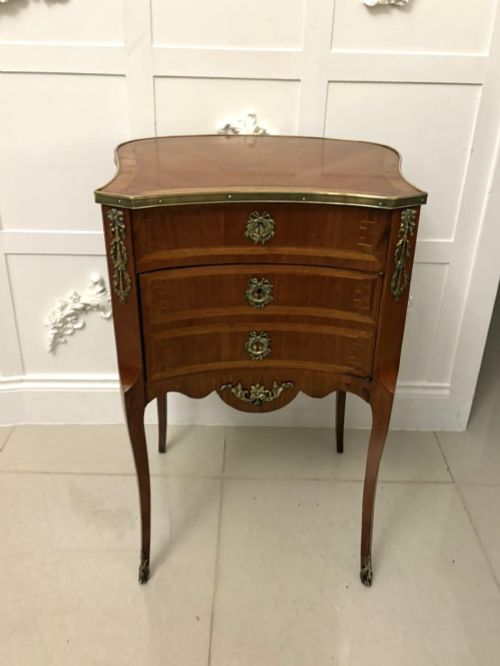
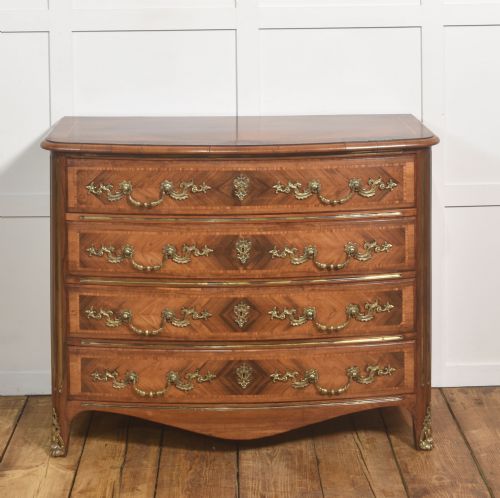
Craftsmen built these pieces using solid timbers like oak, walnut, and cherry for carcases, applying finer woods such as kingwood, mahogany, and satinwood as decorative veneers. Marquetry and parquetry patterns created geometric or floral designs across drawer fronts and sides.
Marble tops in white, rouge, and sienna varieties provided durable, cool surfaces above the drawers. Cast brass, ormolu, and gilt-bronze mounts highlighted corners, handles, and key escutcheons, anchoring the continental aesthetic.
Listings feature periods spanning from the eighteenth century through to the 1930s, incorporating oak, walnut, marble, and gilt bronze.
What Varies in Quality
The sophistication of the timber work dictates the grade of a piece, separating straightforward utilitarian construction from intricate marquetry and parquetry. Hand-cut veneers and precise wood selection show greater artisan input than simpler, plain-timber builds.
Mount quality plays a major role in distinguishing execution levels, where chased and gilded bronze hardware outshines simple stamped brass. The integration of heavy marble slabs, correctly fitted to serpentine or bombe contours, also marks superior output.
The French Style Drawers Glossary
- Commode
- A low chest of drawers, typically featuring two or more drawers and originating in France during the seventeenth century. These pieces frequently incorporate marble tops and decorative mounts.
- Bombe
- A swelling, outward-curved contour found on the front and sides of furniture carcases. This profile requires advanced cabinet-making skill to execute successfully.
- Marquetry
- Decorative veneer patterns formed by fitting together small pieces of different coloured woods, ivory, or shell to create pictorial or abstract designs. Craftsmen apply these directly to the carcase.
- Ormolu
- Gilded bronze mounts used extensively on high-end furniture to accent corners, aprons, and handles. The technique involves applying a mercury-gold amalgam to cast bronze.
- Semainier
- A tall, slender chest of seven drawers traditionally used to hold a week's supply of undergarments or linens. These pieces maximise vertical storage space.
French Style Drawers: Frequently Asked Questions
Where should I place a French commode?
These pieces function well in hallways, living rooms, or bedrooms as statement storage items. Their decorative fronts and marble tops allow them to stand freely against walls.
Ensure the dimensions match the scale of the room, particularly with serpentine or bombe profiles that project further into floor space.
How do I care for a marble top?
Wipe marble surfaces regularly with a soft, damp cloth and neutral soap to prevent staining from liquids or cosmetics. Avoid acidic cleaners that etch the polished stone finish.
Use coasters and felt pads beneath decorative objects to protect the surface from scratches and rings.
What is the difference between a commode and a chest of drawers?
A commode specifically denotes a low, decorative French-style cabinet with drawers, often featuring shaped fronts and prominent mounts. Standard chests of drawers can encompass a wider range of utilitarian forms.
In continental furniture, commodes traditionally served formal reception rooms rather than private bedchambers.
How do I identify a revival piece?
Revival furniture from the nineteenth and early twentieth centuries adopts eighteenth-century motifs like Louis XV curves and marquetry. Examine internal secondary timbers and construction methods to date the piece accurately.
Hardware fixings and machine-cut elements often point to later manufacturing dates despite historical styling.