



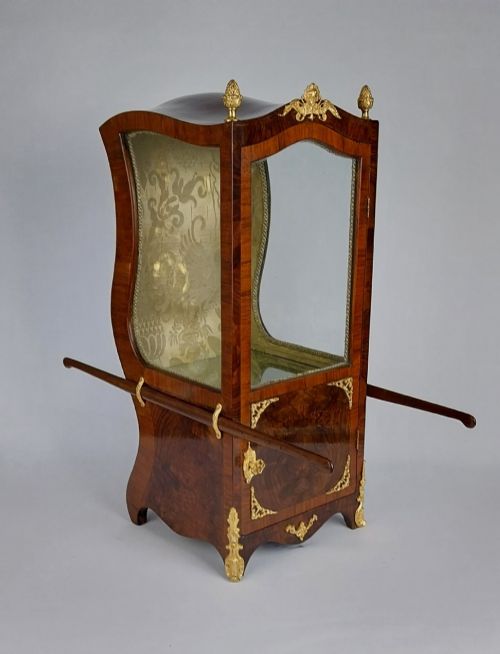
French Style Display Case
A french style display case brings Continental elegance to any room, housing precious collections behind glazed doors and polished wood.
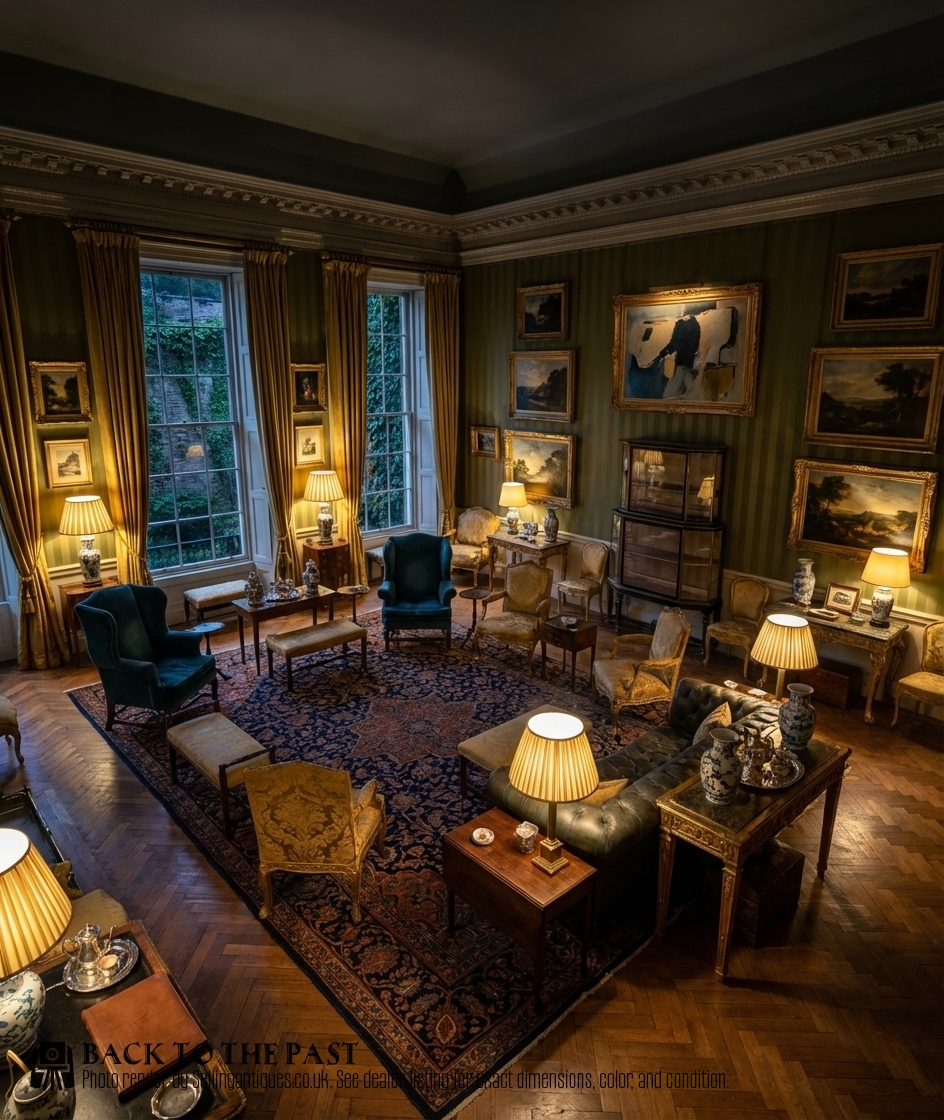
French Style Display Case
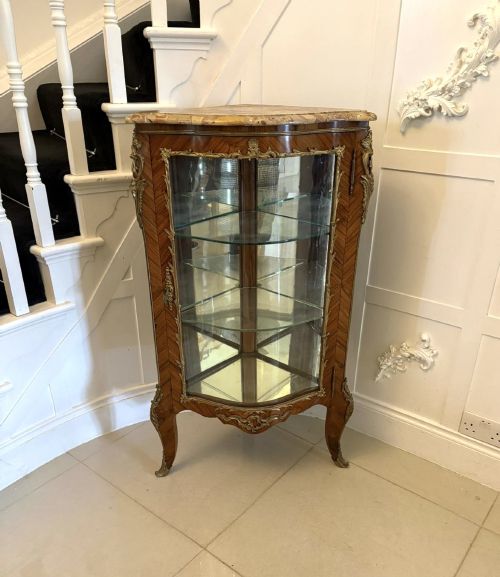
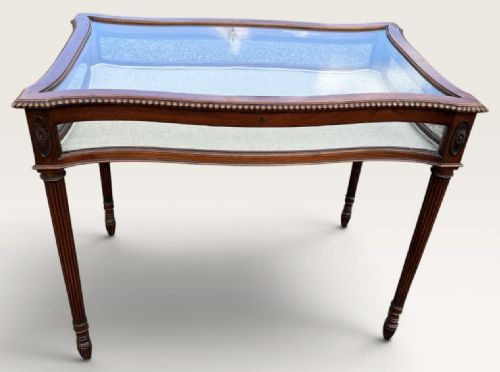
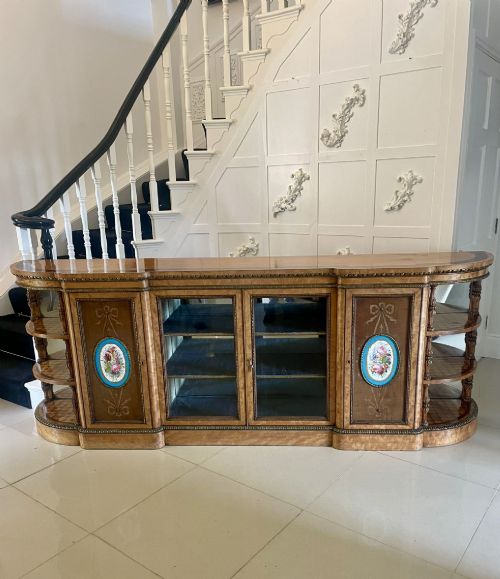
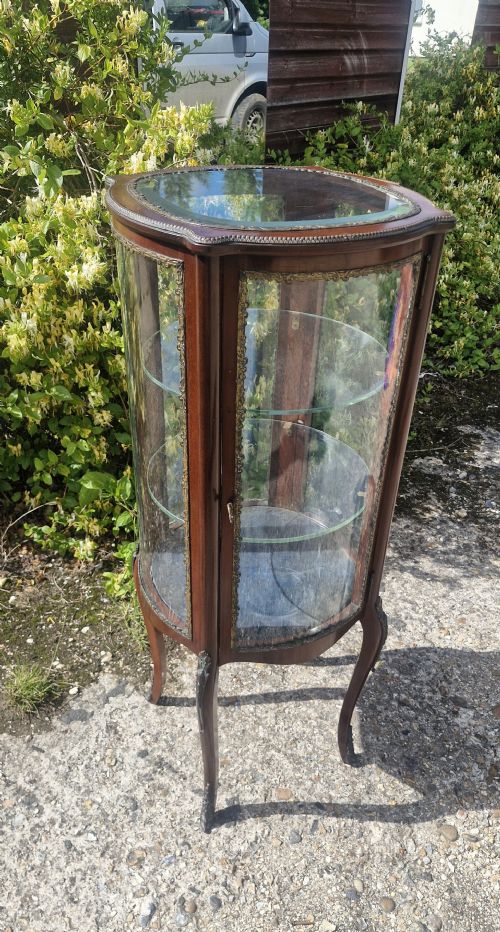
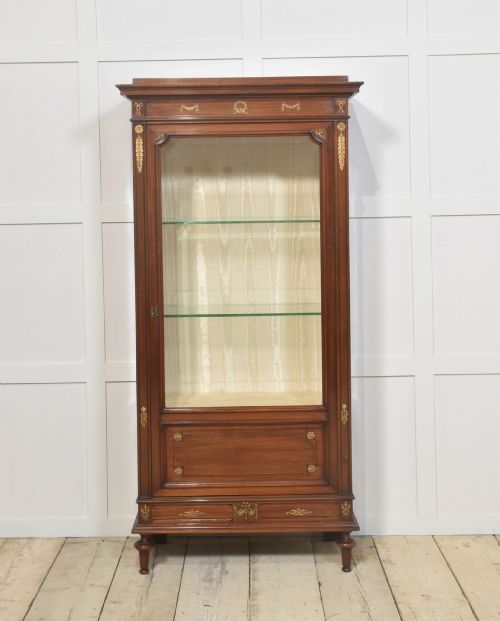
A french style display case encompasses sophisticated vitrines, bijouterie tables, and serpentine corner cabinets designed to showcase valued objects. These pieces originate predominantly from the nineteenth and early twentieth centuries, spanning periods from Victorian craftsmanship to Edwardian refinement and the late nineteenth century.
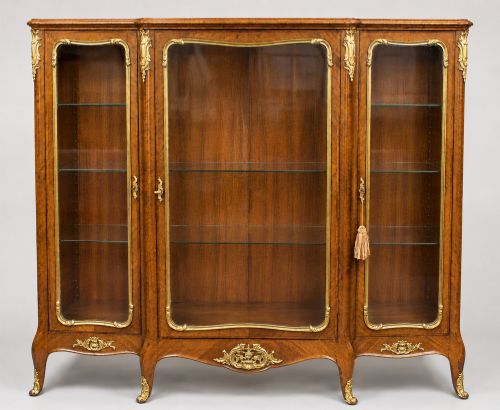
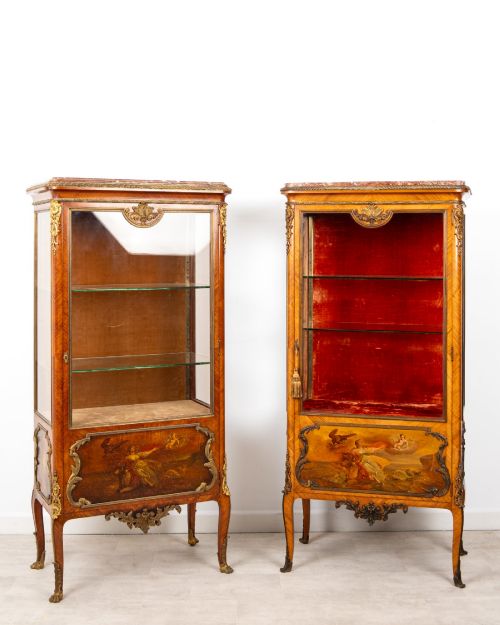
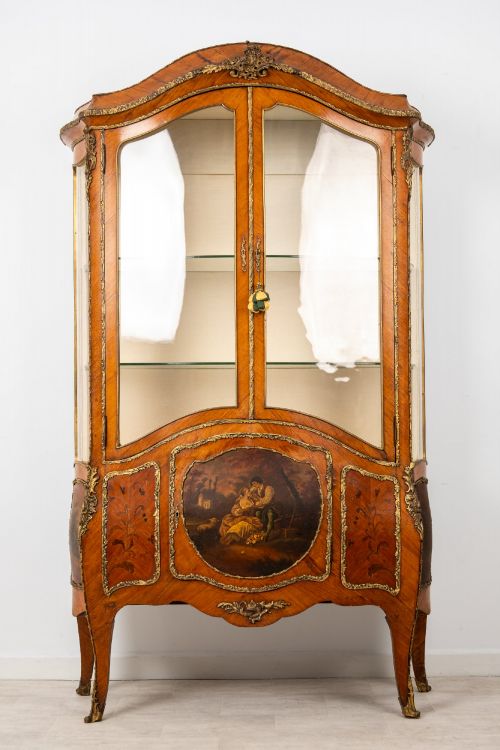
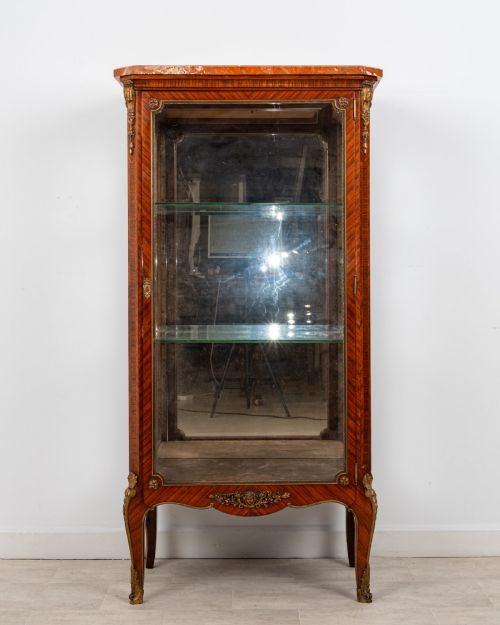
The most common iterations on this page feature rich kingwood, walnut, or mahogany timbers paired with glazed panels for visibility. Makers frequently utilised Louis XV and Louis XVI revival aesthetics, incorporating serpentine shapes, breakfront profiles, and dedicated display stands.
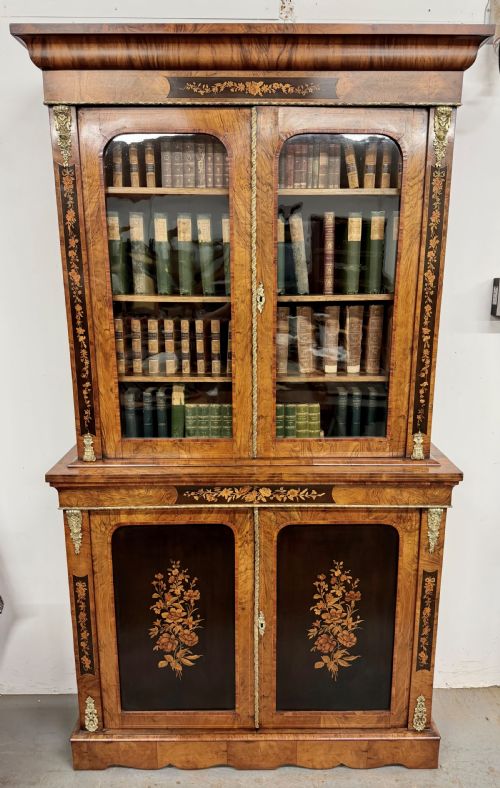
Buyers encounter everything from large credenzas and bookcases to compact table-top sedan vitrines and wall-hanging cabinets. Each object type serves to elevate interior displays through traditional Continental joinery and decorative framing.
Materials and Technique
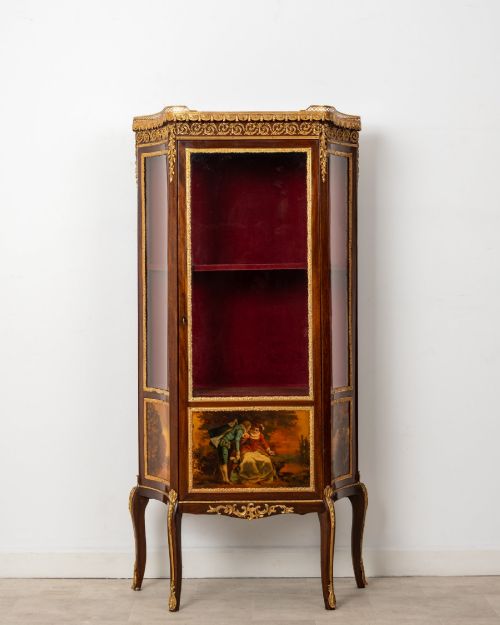
Cabinet makers constructed the primary carcase using robust timbers like mahogany, walnut, or kingwood, often enhanced with intricate marquetry and fine wood veneers. Skilled artisans applied varnishes such as Vernis Martin to achieve luminous painted panels depicting pastoral or decorative scenes.
Gilt bronze and ormolu mounts were cast and chased to accentuate the structural contours of the cabinet, framing the glass panels and corners. Marble tops were frequently fitted to the upper surface to provide a durable and luxurious finish.
Glazing was integrated carefully into doors and side panels, sometimes utilising curved or concave glass to maximise light entry. Brass and gilt metal fixtures completed the assembly, securing doors and lining interior shelving.
French Style Display Case Retail Price Guide 2026
Typical asking prices for french style display case among the pieces listed under this phrase on Sellingantiques today, from the lower quarter to the upper quarter. They describe what is for sale here now, not the wider market.
Some miniature table-top vitrines were built small enough to sit on a desk, guarding tiny treasures.
Evaluating the Pieces
The degree of refinement in the ormolu mounts separates standard production from exceptional examples, with chased bronze details showing sharper definition and deeper relief. Master workshops such as that of François Linke invested heavily in hand-finished metalwork that integrates seamlessly with the timber carcase.
The choice and execution of veneers dictate visual depth, where matched kingwood or burr walnut grain patterns create balanced symmetry across curved surfaces. Finer cabinets exhibit precise marquetry inlay and well-balanced proportions that maintain architectural harmony.
Interior treatment and structural integrity define the overall execution, evident in the weight of the marble tops and the clarity of the glazed panels. Original glass, silk or velvet linings, and well-preserved painted Vernis Martin panels elevate the piece further.
François Linke·Gouffel
The French Style Display Case Glossary
- Vitrine
- A glass-fronted display cabinet designed specifically for exhibiting porcelain, curiosities, or fine objects. These cabinets often feature glazed sides to allow light to enter from multiple angles.
- Ormolu
- Gilded bronze mounts applied to furniture for decorative enrichment. The technique involves applying a fine layer of gold amalgam to cast bronze.
- Kingwood
- A dense, heavily figured exotic hardwood prized by cabinet makers for its rich purple-brown tones and distinct grain patterns. It was frequently used for veneering high-end French furniture.
- Vernis Martin
- A simulated Japanese lacquer technique developed in eighteenth-century France and emulated later. It involves multiple layers of varnish applied to painted panels to create a glossy finish.
- Bijouterie Table
- A glass-topped display table intended for smaller valuables, jewellery, and decorative items. These tables elevate objects to eye level for easy viewing.
- Marquetry
- The art of applying decorative pieces of veneer to a structural structure to form intricate pictorial or geometric designs. Craftsmen use various tinted woods to achieve contrast.
French Style Display Case: Frequently Asked Questions
What is a vitrine used for?
A vitrine functions as a secure display cabinet for delicate porcelain, glassware, and treasured ornaments. The glass panels protect items from dust while allowing full visibility.
Historically, collectors used them in drawing rooms to exhibit items acquired during travels or refined domestic collections.
How do I identify Louis XV style?
Louis XV style furniture is characterised by asymmetrical curves, naturalistic floral motifs, and flowing serpentine lines. Ormolu mounts often mimic scrolling foliage and shell shapes.
This aesthetic prioritises grace and movement over strict geometric symmetry.
Are marble tops original to these cabinets?
Many nineteenth-century display cabinets were fitted with shaped marble tops to add weight, colour contrast, and a durable surface. These slabs were cut specifically to follow the serpentine or breakfront contours of the wood.
Inspect the fit between the stone and the timber moulding to understand the construction.
How do I care for kingwood veneer?
Kingwood veneer requires stable indoor humidity and protection from direct sunlight to prevent fading and cracking. Dusting with a soft, dry cloth preserves the polished surface.
Avoid applying harsh chemical cleaners that can damage the historical polish or varnish.