


French Style Accent Chairs
French style accent chairs bring historic continental seating into modern rooms, offering ornate carved frames and diverse upholstery spanning multiple centuries.
How they were made
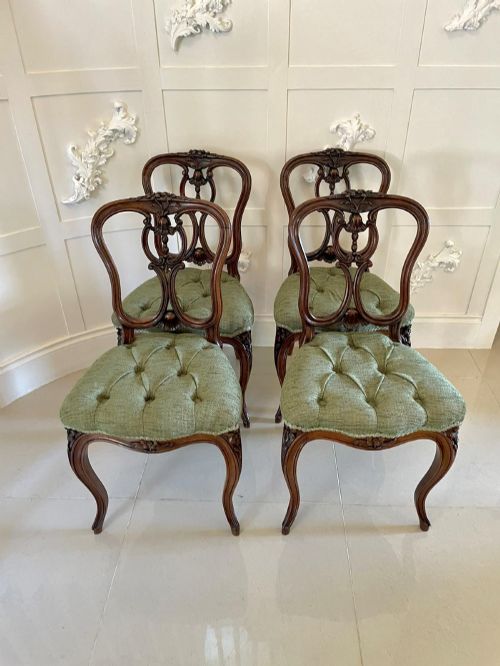
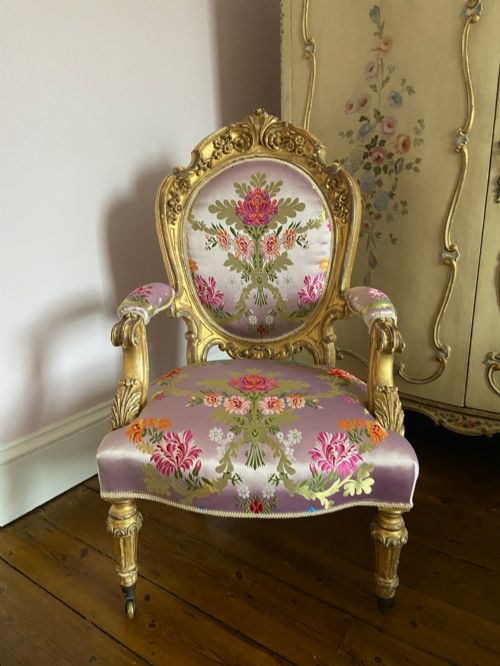
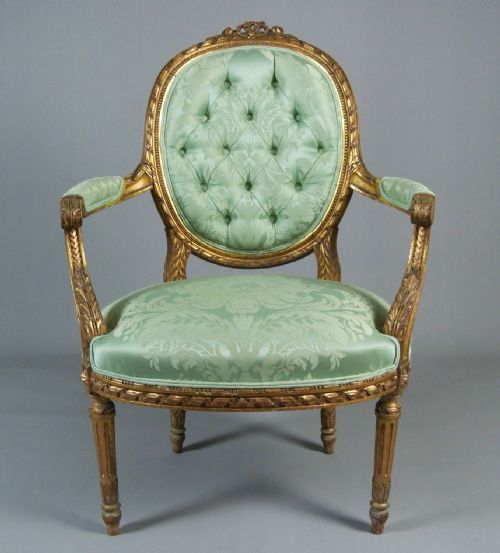
Frames utilise solid hardwoods such as walnut, beech, oak, and mahogany, shaped through traditional carving and joinery techniques. Surface treatments include gilding with gold leaf, painted finishes, parcel gilt detailing, and polished wood surfaces.
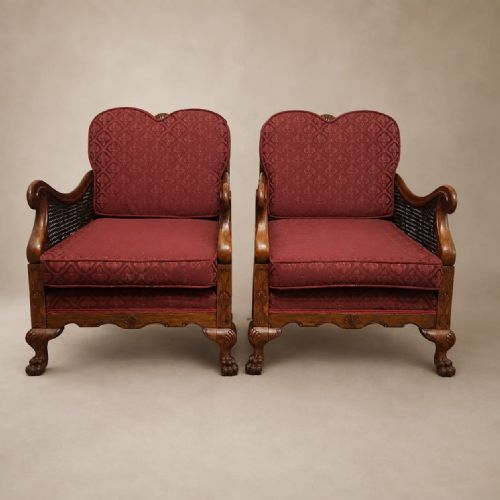
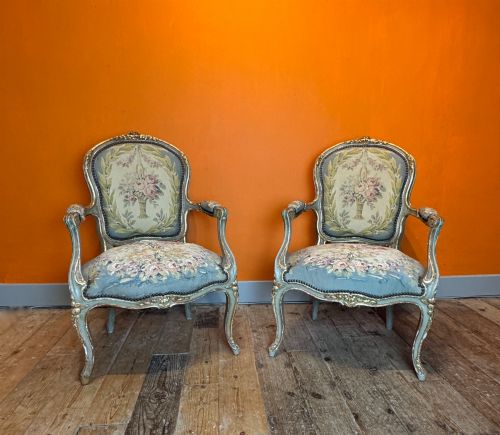
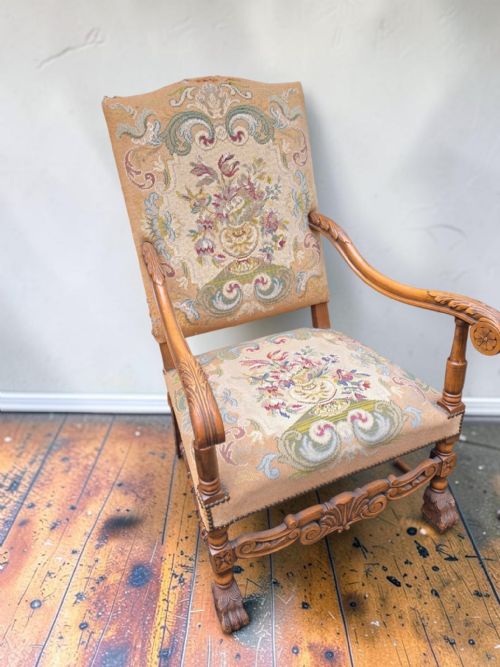
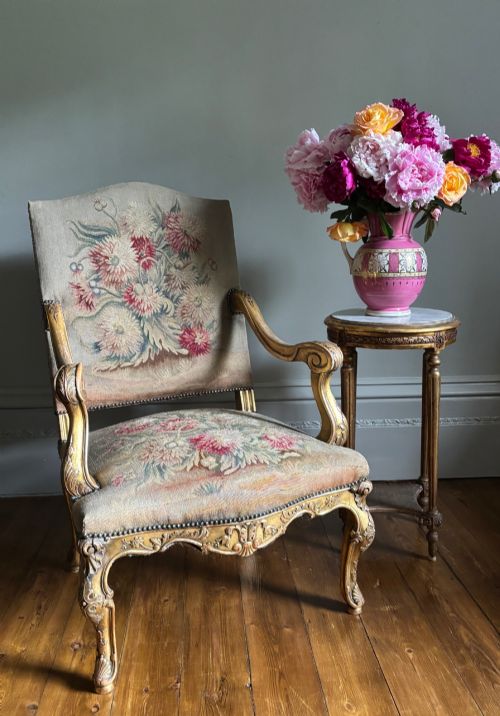
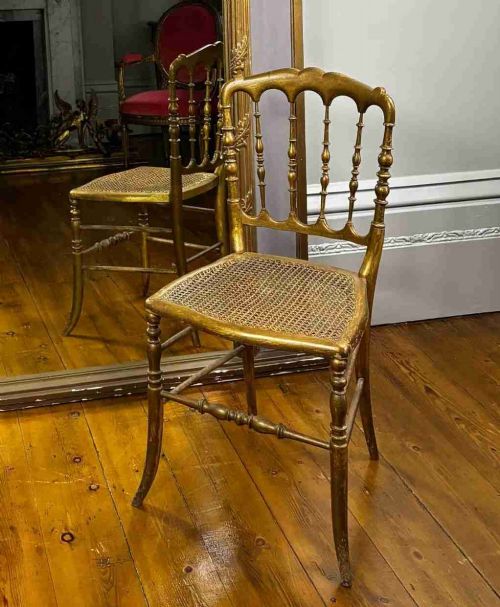
Upholstery incorporates traditional materials like silk, velvet, tapestry, needlework, and fabric, often secured with brass tacks. Structural elements occasionally feature split cane seating and applied ormolu mounts.
What varies in quality
The crispness and depth of hand-carved woodwork distinguish finer frames from simpler production, reflecting the skill of the original carver. Superior examples retain original surface treatments, whether historic gilding, paint, or patinated wood.
The integrity of the frame construction and the quality of the textile coverings, such as hand-woven tapestry or fine silk, separate exceptional pieces from standard items. Authenticity of period materials and harmonious proportions dictate overall desirability.
Listings feature walnut, beech, oak, and mahogany frames alongside giltwood finishes.
Jacob-Desmalter·Thomas Chippendale·Blaise Maucuy
The French Style Accent Chairs Glossary
- Bergère
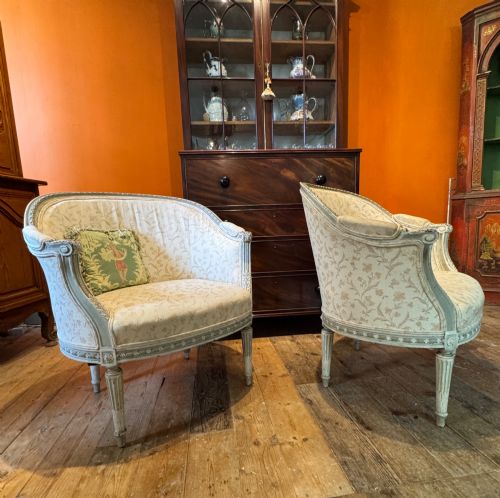
- An enclosed upholstered armchair with wooden framing, frequently featuring an exposed carved border and a loose seat cushion.
- Fauteuil
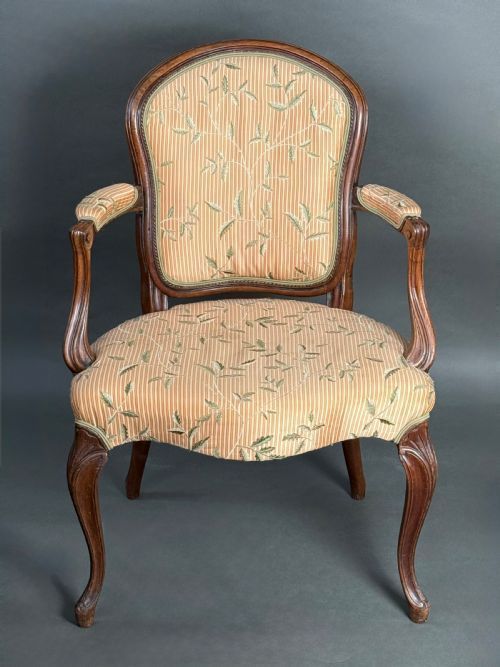
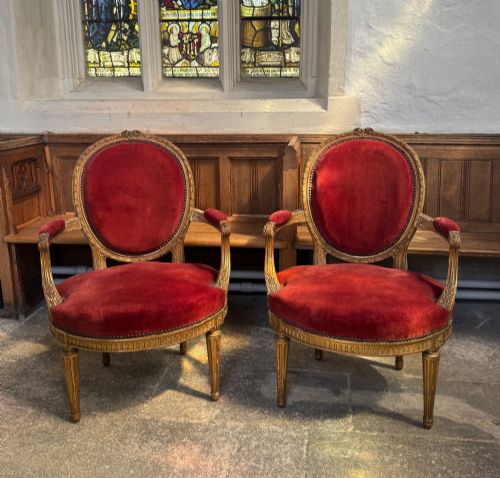
- An open-armed upholstered armchair originating in France, characterised by upholstered back and armrests with exposed wooden arms.
- Giltwood
- Timber coated with a thin layer of gold leaf or gold paint, providing a decorative metallic surface finish.
- Cabriole leg
- A furniture leg that curves outward at the knee and tapers inward toward the ankle, ending in a pad or scroll foot.
- Ormolu
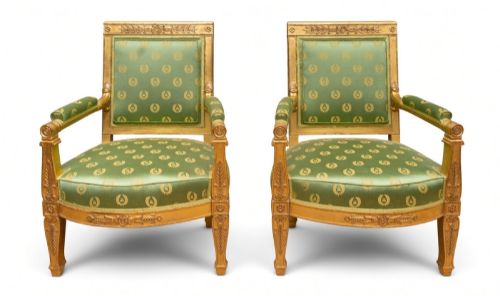
- Gilt bronze ornamentation applied to furniture frames, popular during the neoclassical and empire periods.
French Style Accent Chairs: Frequently Asked Questions
What is a bergere chair?
A bergere is an enclosed upholstered armchair featuring wooden framing and a padded seat. These pieces emerged during the eighteenth century as comfortable domestic seating.
The design typically includes solid sides upholstered in fabric or filled with cane work. They remain popular choices for living rooms and studies.
How do I identify Louis styles?
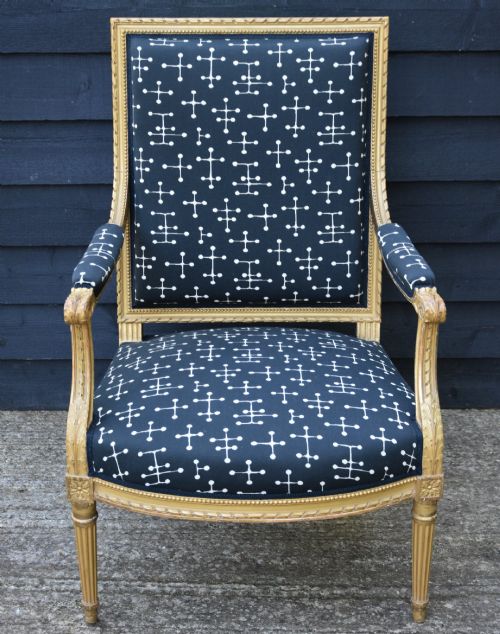
Louis styles are identified by specific decorative motifs and structural shapes on the wooden frame. Louis XVI pieces display straight fluted legs and neoclassical geometry.
Earlier Rococo revivals favour curved cabriole legs, asymmetric ornamentation, and flowing floral carvings. Empire designs introduce heavier mahogany structures with classical bronze mounts.
Where should I place an accent chair?
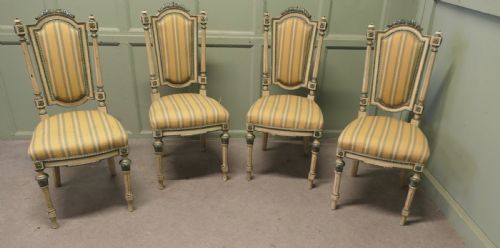
Accent chairs suit corners, bedrooms, or seating groups where they add visual weight and colour. Their decorative carved frames allow them to function as sculptural objects.
They work well paired opposite a sofa or beside a fireplace. Salon and side chairs fit easily into tighter spaces.
Are these chairs comfortable for daily use?
Many of these chairs provide supportive seating, though comfort depends on the specific upholstery and depth. Bergere and fauteuil designs offer supportive armrests and padded backs.
Historic padding materials may feel firmer than modern foam cushioning. Adding a scatter cushion can adjust the seating depth to personal preference.