



French Stick Stand
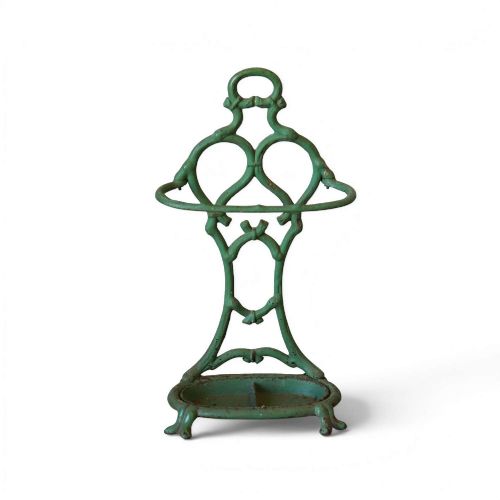
A French stick stand organises hallway clutter with the flowing curves of Art Nouveau metalwork or the rustic charm of turned wood.
French Stick Stand
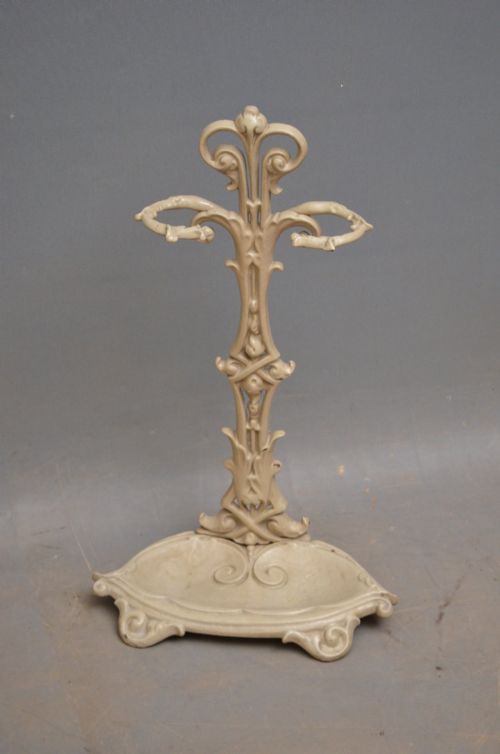
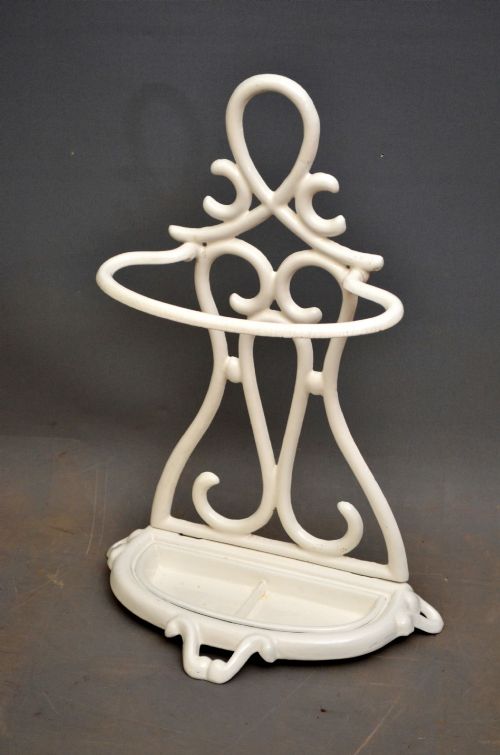
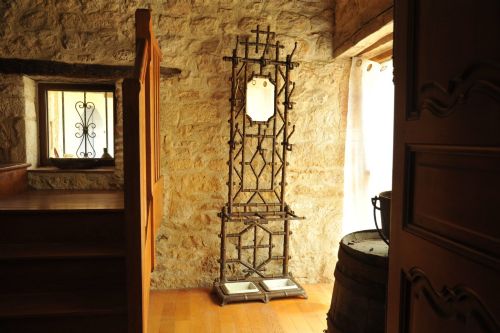
A French stick stand serves primarily as a domestic holder for walking sticks, canes and umbrellas within an entrance hall. These pieces frequently double as umbrella racks or combine with hat and coat hooks in larger hall furniture.
The selections encountered here span the nineteenth century through the art deco period, drawing upon aesthetic movement and art nouveau sensibilities. Cast iron and brass predominate among the hallway furniture, alongside earthenware and copper vessels adapted for domestic utility.
How They Were Made
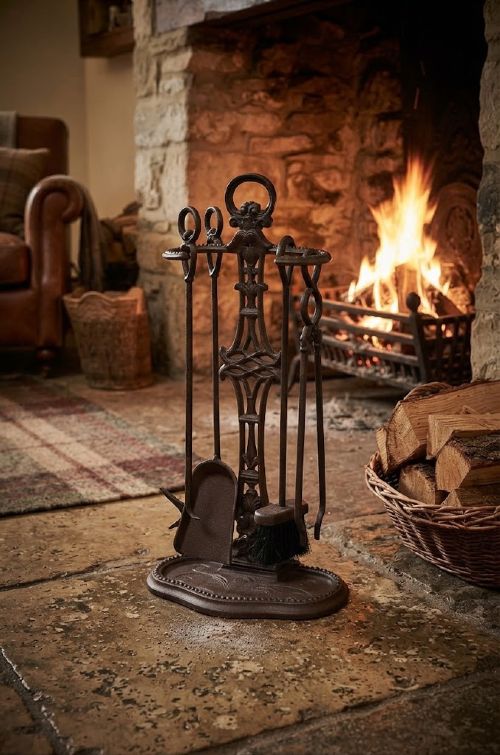
Foundry work dominates the construction of metal examples, utilising cast iron or brass shaped into intricate floral motifs and structural frames. Artisans also employed beaten copper and gilt bronze to create receptacles with decorative surface relief.
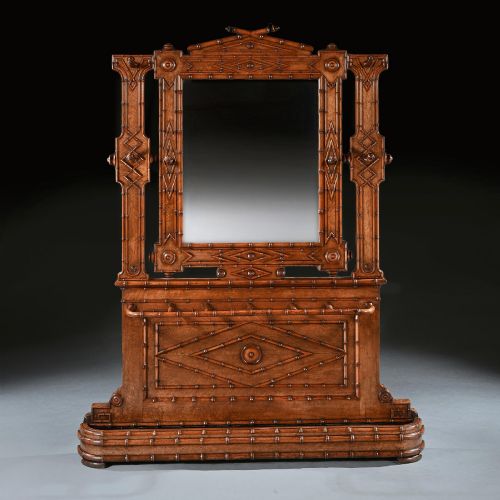
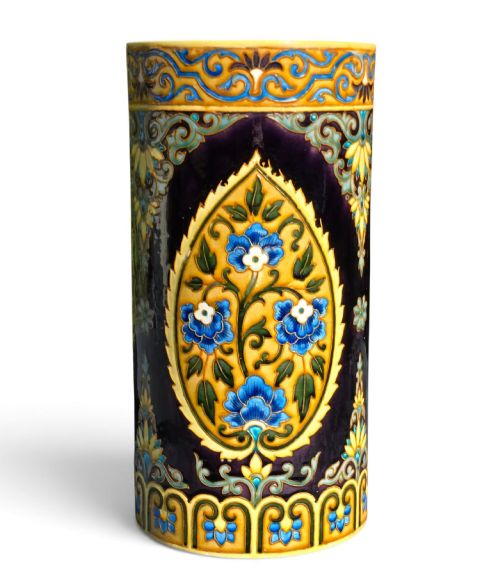
Wooden variants rely upon turned elements and steam-bent components, frequently utilising faux bamboo or burl woods to achieve distinctive textures. Stoneware and ceramic examples demonstrate moulded earthenware bodies finished with coloured enamels or glazes.
Listings demonstrate that nineteenth-century French makers frequently combined iron and brass to produce durable hall stands.
What Varies in Quality
The refinement of the casting defines the excellence of metal pieces, distinguishing crisp botanical details from softened industrial reproductions. Superior cast iron and bronze examples retain sharp definition in their foliage and structural joints.
Artistry in surface finish separates standard items from exceptional pieces, particularly where hand-applied enamels or patination remain intact. The integrity of internal drip pans and the retention of original mounting hardware further indicate the standard of manufacture.
Théodore Deck·Sudre
The French Stick Stand Glossary
- Faux bamboo
- A decorative treatment where wood or metal is carved and painted to imitate natural bamboo culms. This technique gained immense popularity during the nineteenth-century aesthetic movement.
- Cast iron
- An iron-carbon alloy poured into moulds to create rigid structural objects. In hallway stands, this material permitted complex, flowing plant forms without joints.
- Art Nouveau
- A late nineteenth-century artistic style characterised by sinuous, asymmetrical lines inspired by natural plant stems. It heavily influenced the design of metal umbrella racks.
- Aesthetic Period
- A design movement promoting art for art's sake that embraced Japanese motifs and organic textures. Pieces from this era often feature bamboo-turned wooden frames.
- Pricket
- A sharp metal spike on a candlestick or holder designed to secure a candle in place. These are frequently found on ecclesiastical or altar stands.
French Stick Stand: Frequently Asked Questions
Where were these stands placed?
These umbrella and cane holders traditionally stood directly inside the front entrance of a home. Their primary position near the doorway allowed visitors and residents to deposit wet walking aids immediately upon entry.
Larger versions incorporated hat and coat hooks, forming a complete hallway furnishing station. Smaller standalone vessels were often tucked into narrow corridors or vestibules.
What is faux bamboo?
Faux bamboo is a decorative technique where artisans carve wood or cast metal to replicate natural segmented bamboo stems. This style became fashionable during the nineteenth century due to a broader fascination with Japanese design.
Makers applied this finish to hall stands, walking stick racks, and furniture frames. The resulting pieces combined structural rigidity with an exotic, organic aesthetic.
How do I protect my flooring?
Historic stick stands often feature open iron bases or missing drip trays that allowed rainwater to pool on the floor. Placing a modern, discreet waterproof tray or saucer inside the base catches residual moisture.
Regularly checking the interior of the stand prevents standing water from damaging the historic metal or wood structure. Proper placement of absorbent pads protects delicate entrance hall timbers from dampness.