
French Rococo Style Painting
When you search for french rococo style painting, you enter a world of oil on canvas, pastoral panels and decorative mirrors.
French Rococo Style Painting
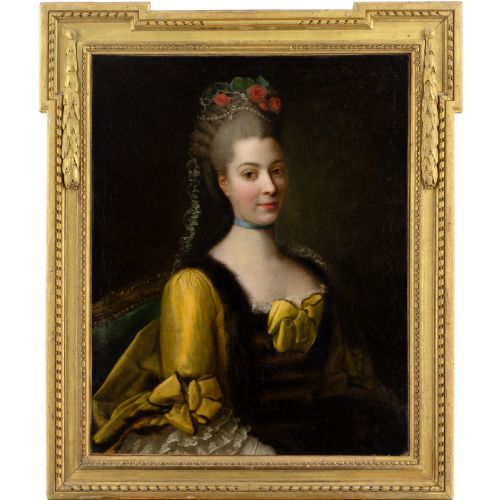
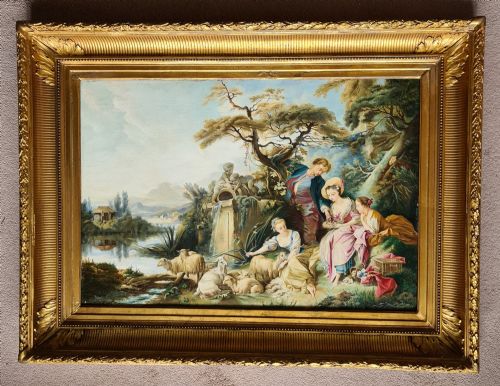
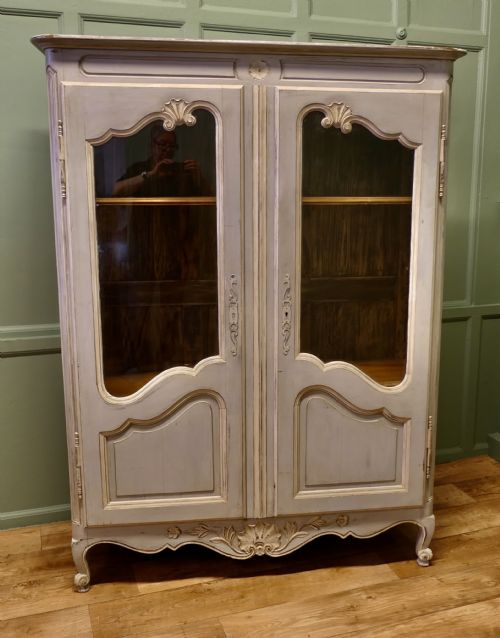
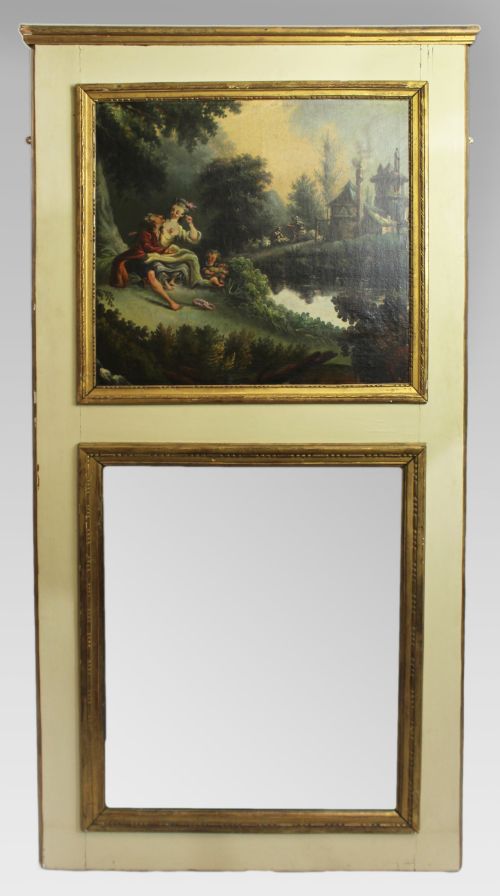
A french rococo style painting encompasses oil on canvas artworks, pastoral scenes, and decorative panels integrated into furnishings such as vitrines, screens, and trumeau mirrors. These pieces channel the opulent aesthetic of the eighteenth century through nineteenth-century revivals and later interpretations.
The objects bearing these works span traditional framed canvases to ornate wall hangings, trumeau mirrors featuring pastoral oil paintings, and multi-fold room screens adorned with decorative motifs. Many examples emerge from the nineteenth century, reflecting sustained enthusiasm for Louis XV styles.
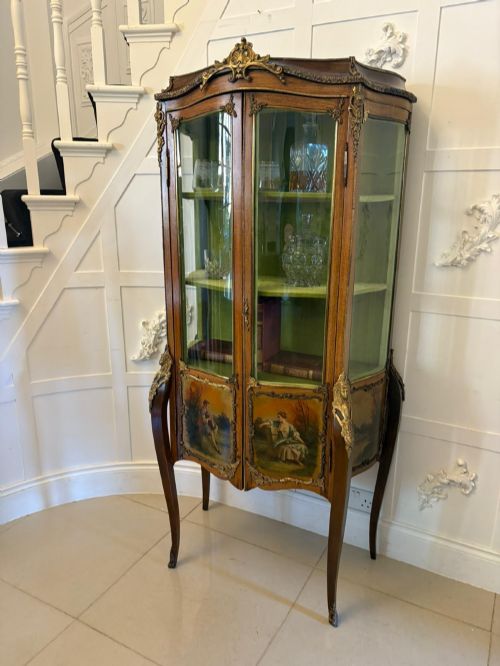
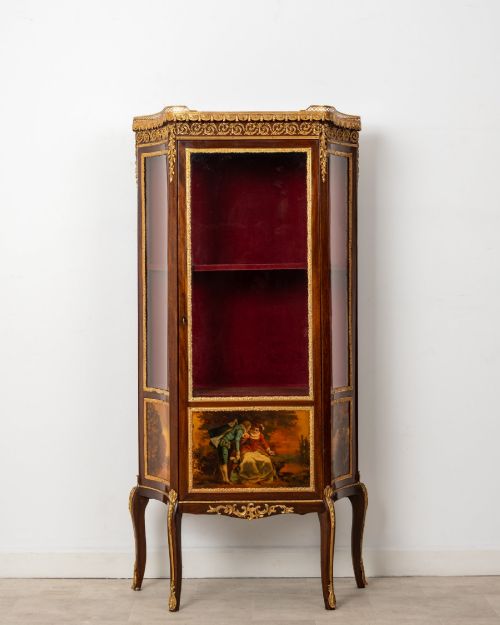
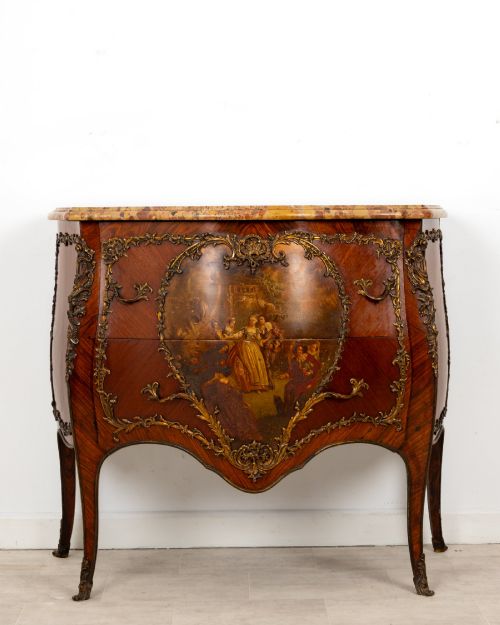
Buyers encountering this selection will discover both standalone artworks and decorative elements where painting meets cabinetry, such as Vernis Martin cabinets and gilt-framed wall mirrors. The predominant forms unite fine art with functional furniture and gilded woodwork.
Materials and Methods
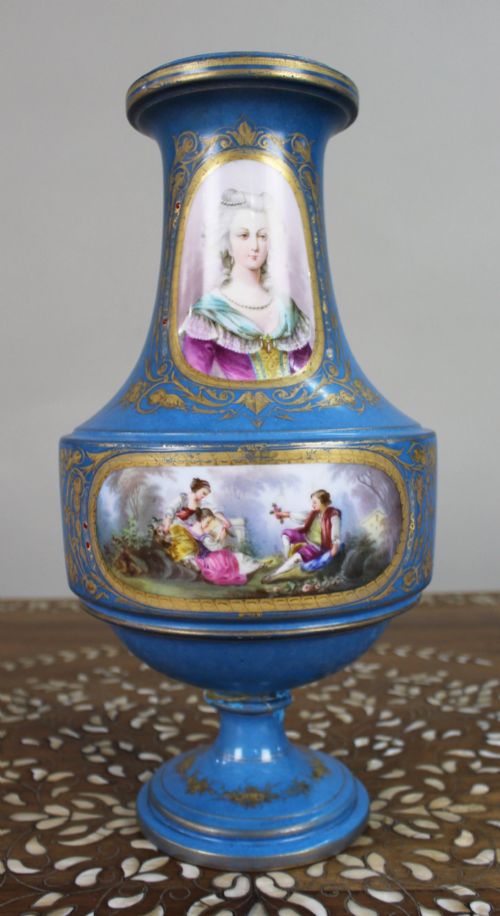
Artisans applied oil paint to canvas or wood panels, frequently executing pastoral subjects, portraits, and grisaille compositions reminiscent of eighteenth-century masters. These painted elements were integrated into larger decorative objects involving wood, gesso, and glass.
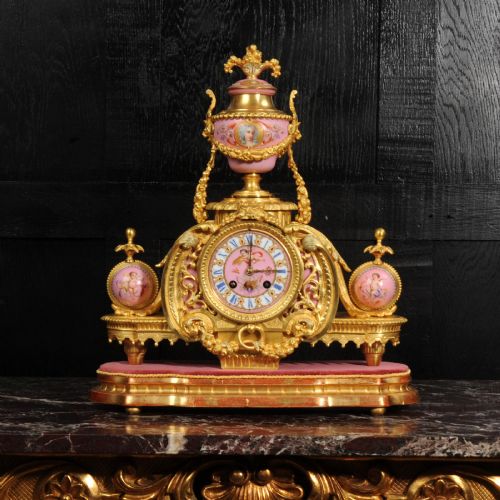
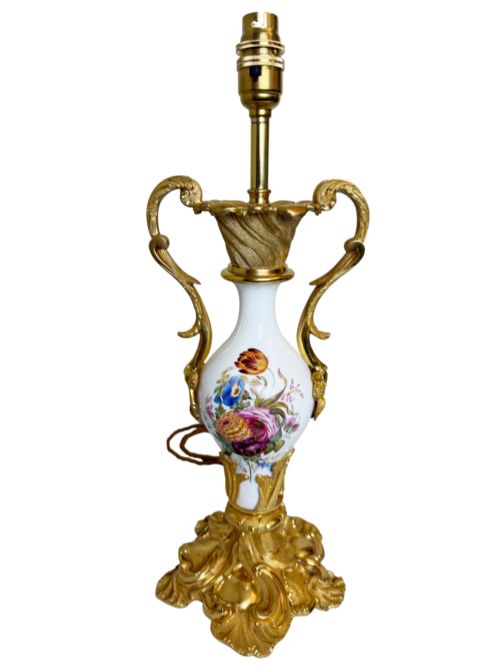
Makers embellished cabinets, mirrors, and clocks with ormolu mounts, gold leaf, and intricate gilt bronze details that frame the painted surfaces. Structural elements utilised kingwood, walnut, and painted wood, combining fine cabinetry with pictorial arts.
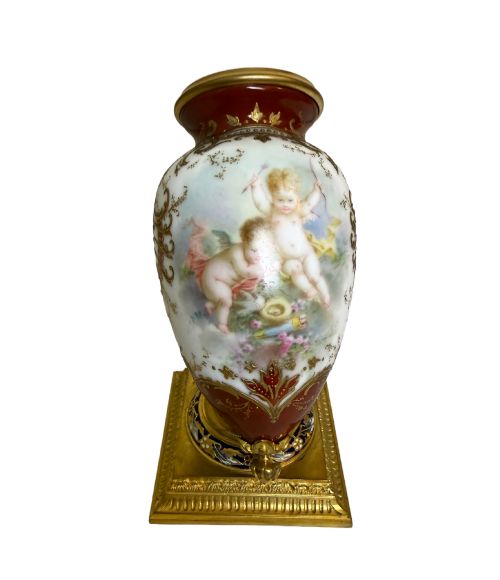
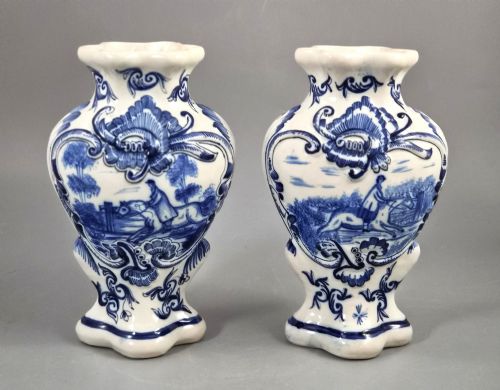
Listings feature oil paintings, porcelain, and ormolu-mounted furniture spanning the eighteenth to the twentieth centuries.
Distinctions in Quality
The caliber of these works rests upon the fidelity and execution of the brushwork within the painted scenes, alongside the integration of the artwork with its surrounding frame or cabinet. Finer pieces demonstrate refined detail in pastoral figures and harmonious proportions between the painting and its gilt bronze mounts.
Material selection and mounting craftsmanship further divide the range, separating standard decorative items from exceptional pieces featuring elaborate ormolu, hand-carved woodwork, and authentic Vernis Martin finishing techniques.
Achille Brocot·Fourmaintraux Courquin·Edme Sampson
The French Rococo Style Painting Glossary
- Vernis Martin
- A type of simulated Japanese lacquer developed by the Martin brothers in eighteenth-century France. Artisans applied multiple layers of translucent varnish over painted scenes to produce a polished, glossy finish.
- Trumeau
- An architectural wall mirror fitted with a painted panel or carved relief above the glass. This form became popular in French interiors for mounting above mantelpieces.
- Ormolu
- Gilded bronze used for decorative mounts on furniture, clocks, and porcelain vessels. The technique involves applying a gold-mercury amalgam to cast bronze.
- Grisaille
- A method of painting executed entirely in monochrome shades of grey, typically to imitate sculpture or relief carving. Artists utilised this technique for decorative wall hangings and panels.
- Kingwood
- A dense, richly figured timber native to Brazil, prized by cabinetmakers for veneering luxury furniture during the eighteenth and nineteenth centuries.
French Rococo Style Painting: Frequently Asked Questions
What subjects appear in these paintings?
The painted scenes primarily depict pastoral subjects, romantic figures, and classical portraits in the manner of eighteenth-century masters.
Artisans also produced grisaille compositions and decorative panels featuring natural motifs designed to complement ornate interiors.
How were trumeau mirrors used?
Trumeau mirrors were designed to be mounted permanently on walls, frequently positioned above fireplace mantels in formal reception rooms.
The integrated oil painting served as the decorative focal point above the vertical glass plate.
What is Vernis Martin?
Vernis Martin is a decorative lacquer technique developed in eighteenth-century France that mimics Asian lacquerware.
Craftsmen applied layered varnishes over painted panels to create a durable and luminous surface on cabinets and screens.
How do I date these pieces?
Dating relies on examining the construction methods of the underlying furniture, the composition of the canvas or panel, and the style of the gilt bronze mounts.
While many items date from nineteenth-century revival periods, they replicate eighteenth-century aesthetic conventions.