
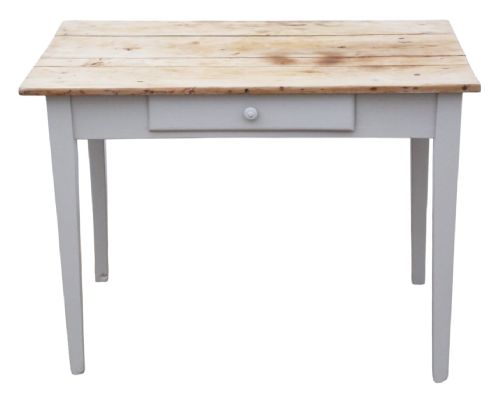
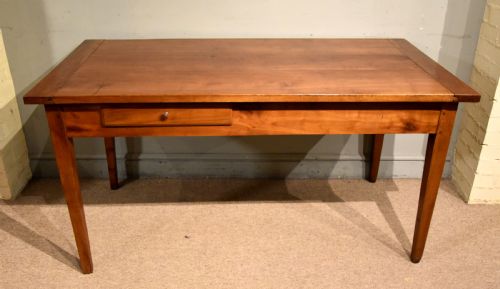


French Provincial Writing Table
These french provincial writing table examples bring regional character and practical workspace together, offering a handsome anchor for a study or bedroom.
French Provincial Writing Table
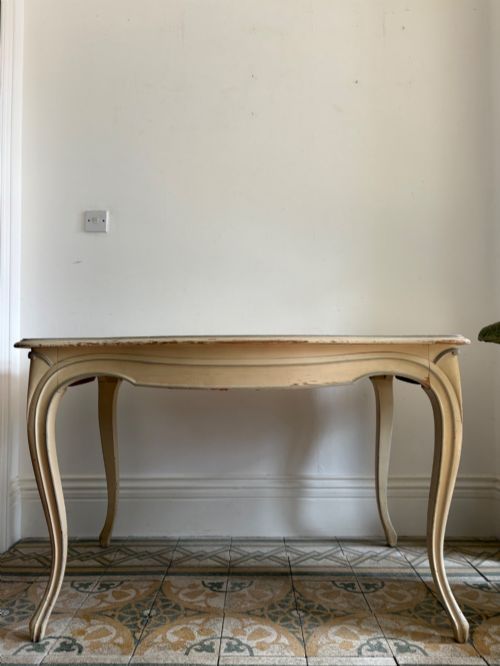
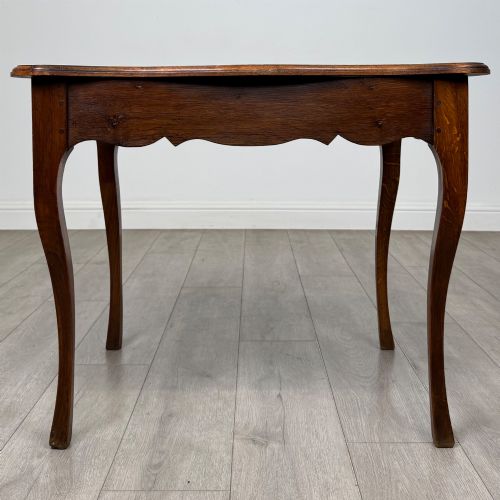
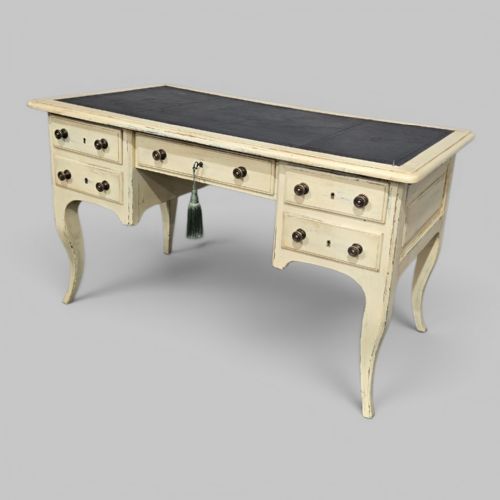
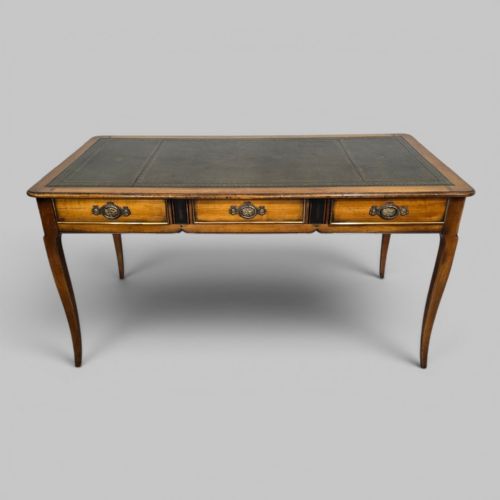
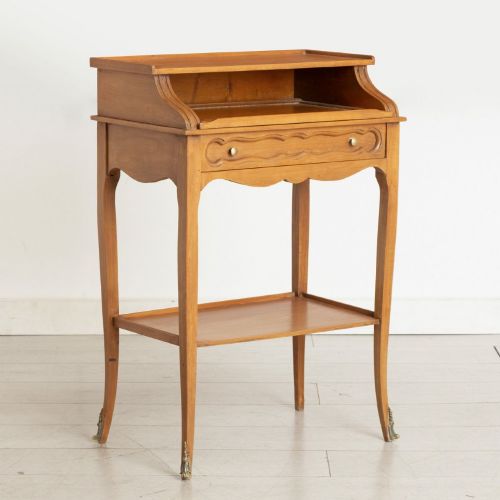
A french provincial writing table brings traditional European craftsmanship into domestic spaces, appearing across multiple centuries of design. You will encounter various forms in the listings, including compact ladies writing tables, larger partners library desks, and simpler occasional writing desks.
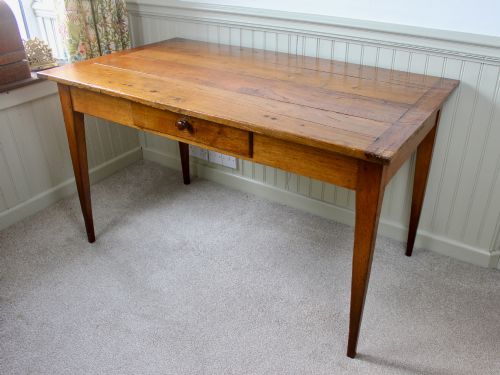
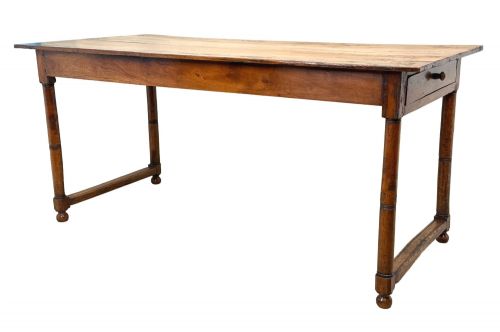
The materials span regional hardwoods and decorative finishes, giving buyers choices from scrub-top kitchen tables adapted for writing to refined satinwood bonheur du jour pieces. Periods stretch from the eighteenth century through the Edwardian era and the nineteen-twenties, showing both rustic farmhouse influences and formal Louis XVI styling.
How they were made
Cabinetmakers utilised solid timbers such as oak, fruitwood, walnut, cherrywood, and kingwood, often pairing structural frames with quartered veneers or parquetry surfaces. Metal elements like brass and ormolu mounts provide structural reinforcement and decorative contrast on drawers and cabriole legs.
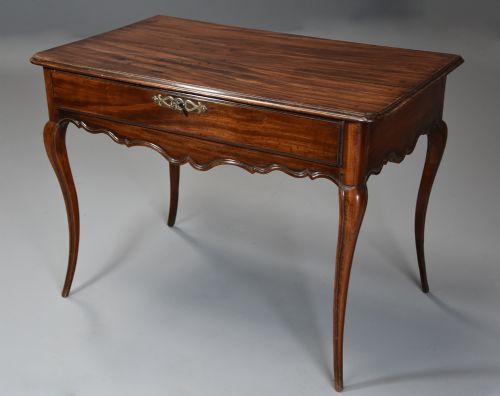
Workmanship relies on traditional joinery techniques, complemented by specialist surface treatments including leather or suede inserts, painted finishes, and polished wood patinas. Structural details such as barley twist turnings and serpentine fronts demonstrate the varying regional and period aesthetics applied by makers.
The listings show pieces constructed from fruitwood, oak, walnut, cherrywood, satinwood, and kingwood across the eighteenth, nineteenth, and early twentieth centuries.
What varies in quality
Quality separates ordinary utility pieces from exceptional items through the choice of timber and the sophistication of the surface treatment, such as original patinas or intricate parquetry. Superior examples display refined proportions, whether in small-proportioned cherry wood tables or larger kingwood bureaux.
The handling of decorative details, from hand-carved motifs to precision-fitted brass and ormolu mounts, distinguishes master workshops from provincial joinery. The integrity of secondary materials, including inset leather or suede tops and interior drawer construction, further dictates the standing of each piece.
The French Provincial Writing Table Glossary
- Cabriole leg
- An S-curved furniture leg that flares outward at the knee and tapers inward to a foot, typical of provincial and period styles.
- Parquetry
- A geometric mosaic of wood pieces used for decorative surfaces on tables and desks.
- Ormolu
- Gilded bronze ornamentation applied to furniture mounts and details during eighteenth and nineteenth-century periods.
- Bonheur du jour
- A small, light ladies writing desk featuring a set of drawers and compartments on the top surface.
- Patina
- The surface sheen and coloration developed through age, use, and polishing on antique wood timbers.
French Provincial Writing Table: Frequently Asked Questions
What defines a french provincial writing table?
These tables are regional European workspace pieces defined by their use of local timbers like oak, fruitwood, and walnut. They combine practical drawers and writing surfaces with traditional regional woodworking styles.
They appear in various forms, from rustic farmhouse proportions to refined serpentine-front designs with cabriole legs. Their character comes from decades or centuries of domestic use and traditional construction.
How do I date an antique writing table?
Dating relies on examining the timber species, construction methods, and hardware choices visible across the piece. Eighteenth-century examples often feature solid walnut or oak, while nineteenth-century variations introduce kingwood parquetry, ormolu mounts, and satinwood.
Secondary materials like inset leather or suede surfaces and drawer linings also provide period clues. Comparing the leg profiles, such as barley twist turnings or cabriole shaping, helps narrow down the era of manufacture.
Where should I place a writing table?
These tables suit studies, bedrooms, and living spaces where a compact workspace or display surface is needed. Smaller ladies writing tables and side tables fit easily against walls or in alcoves.
Larger library desks and partners desks work well positioned centrally within a room. Their finished backs and decorative walnut or fruitwood surfaces allow them to be viewed from all angles.
How do I care for wooden writing surfaces?
Maintenance involves protecting timber and leather or suede inserts from direct sunlight and excessive moisture. Regular dusting with a soft, dry cloth preserves the polished wood patina without building up residues.
Applying appropriate wax feeds solid woods like oak and fruitwood periodically to prevent drying. Avoid placing hot or wet items directly on the antique wood or inset writing panels.