
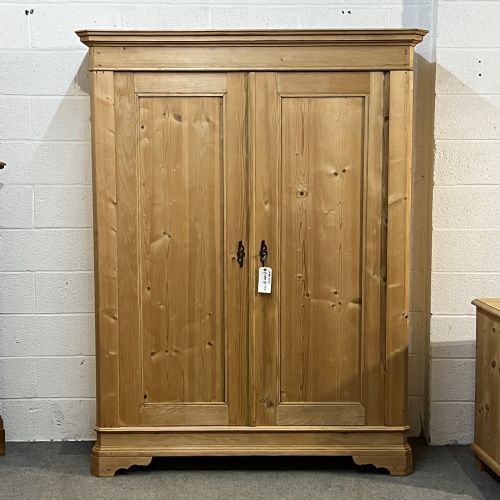
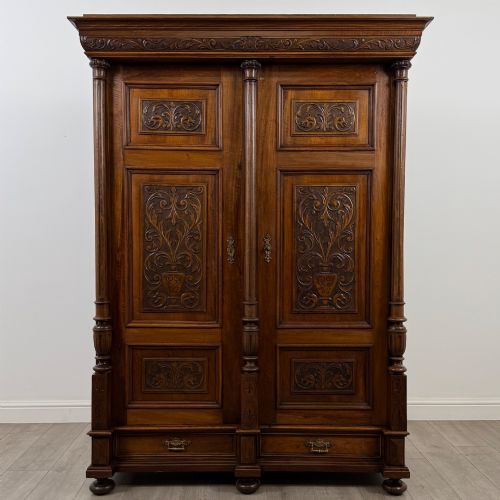
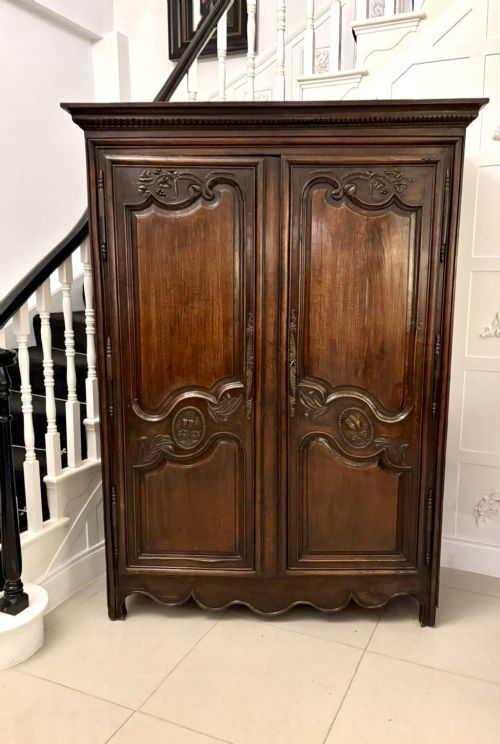
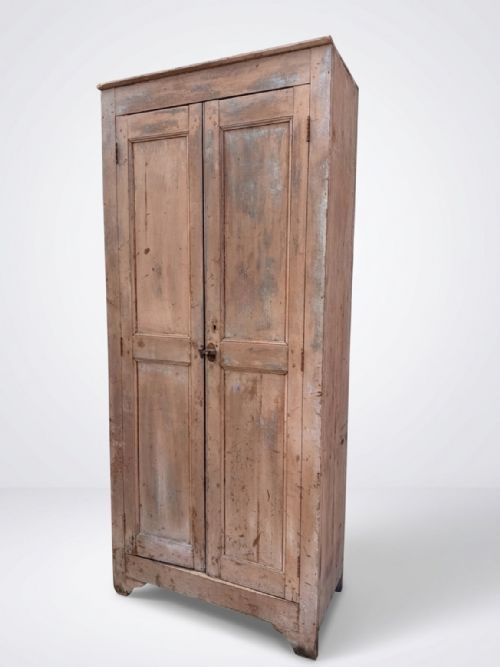

French Provincial Storage Cupboard
These french provincial storage cupboard examples bring regional utility and honest joinery into modern rooms.
French Provincial Storage Cupboard
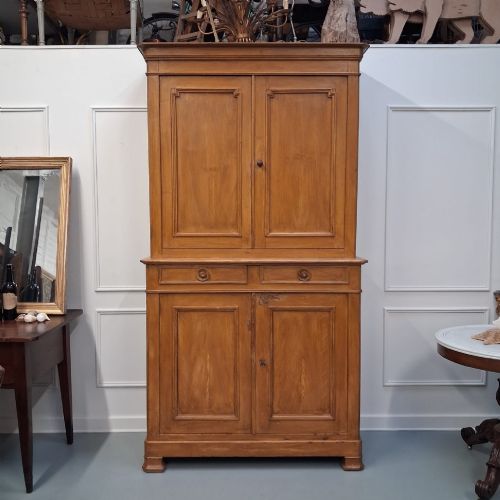
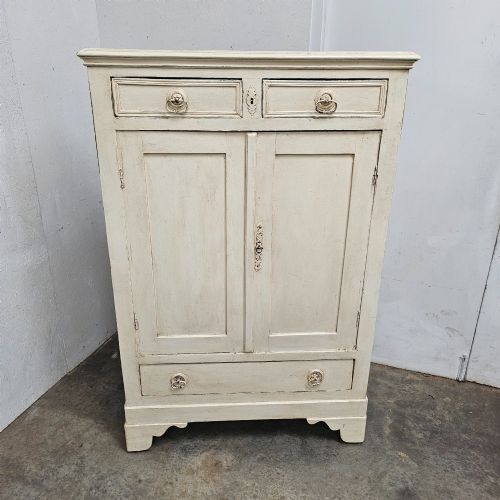
A french provincial storage cupboard encompasses practical household furniture originating from regional France, spanning centuries of domestic life. Buyers seek these pieces for their robust proportions and straightforward utility, which suit contemporary storage needs.
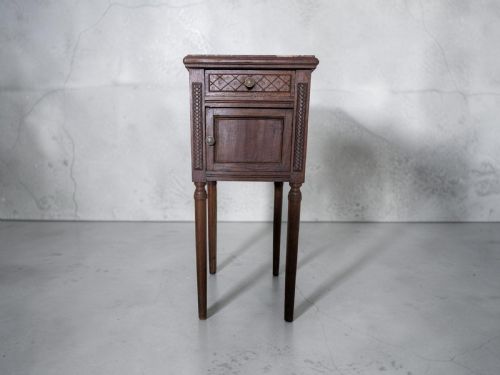
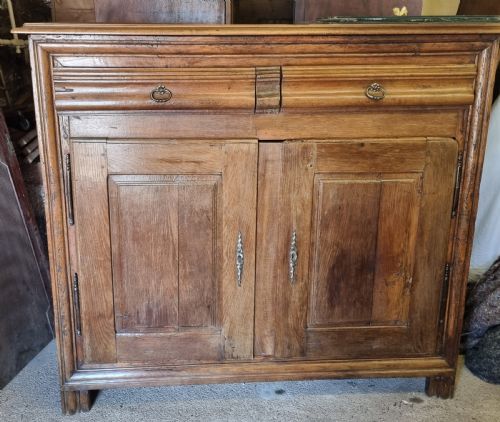
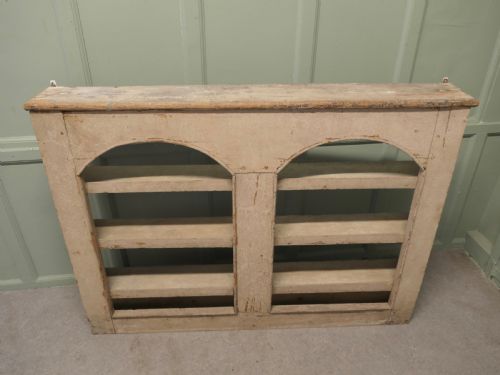
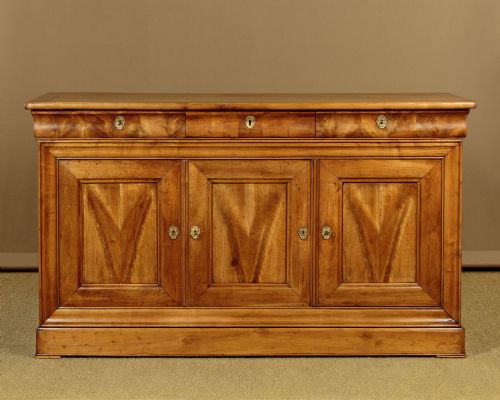
The selection ranges from large housekeepers cupboards and wardrobes to smaller confiturier jam cupboards and bedside cabinets. Oak and pine dominate the forms, reflecting the regional timber availability of past centuries.
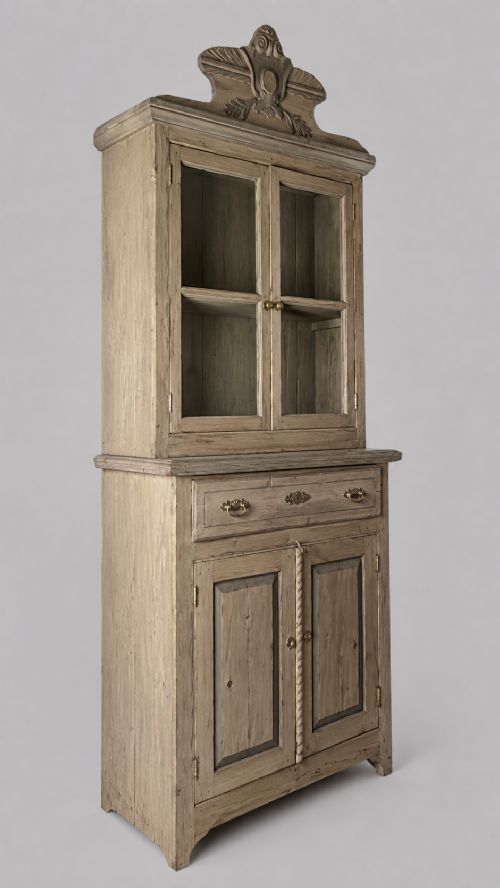
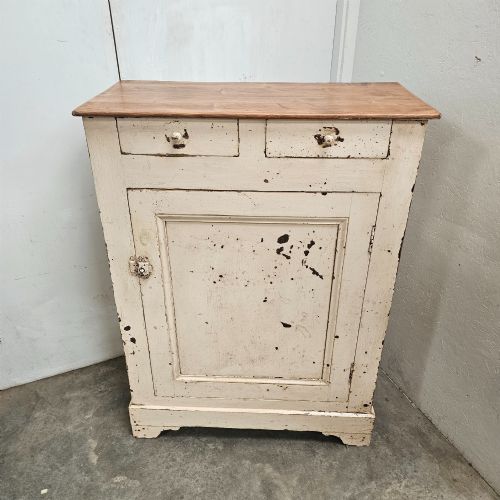
Earlier examples often show heavy timber framing associated with seventeenth and eighteenth-century rural workshops, while nineteenth-century pieces offer lighter painted finishes or fruitwood construction.
What varies in quality
The integrity of the original timber frame dictates much of the standing of an individual piece, separating honest provincial utility from heavily restored examples. Retained original hardware, hinges, and locks contribute significantly to historical authenticity.
The degree of surface preservation, whether undisturbed old paint or a deeply oxidised oak patina, marks the distinction between ordinary and superior pieces. Finer proportions and regional carving details also elevate the status of specific armoires and food cupboards.
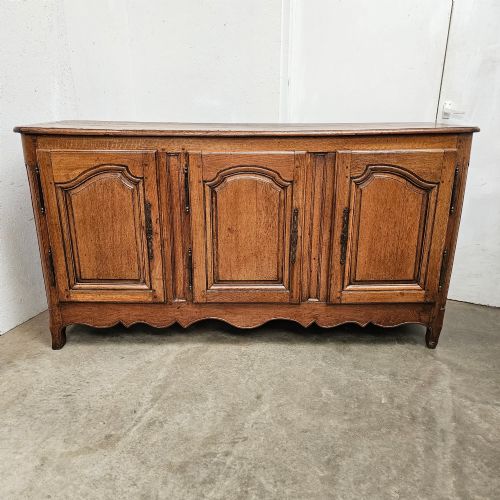
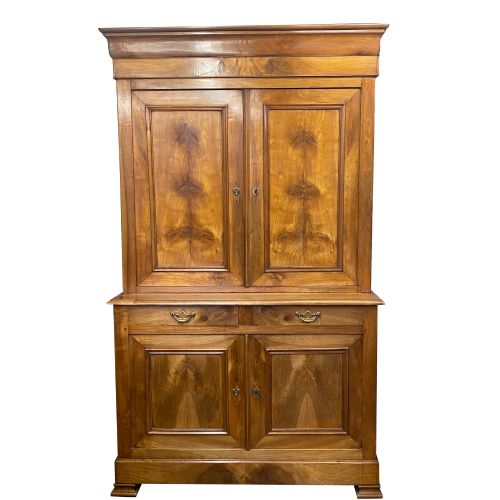
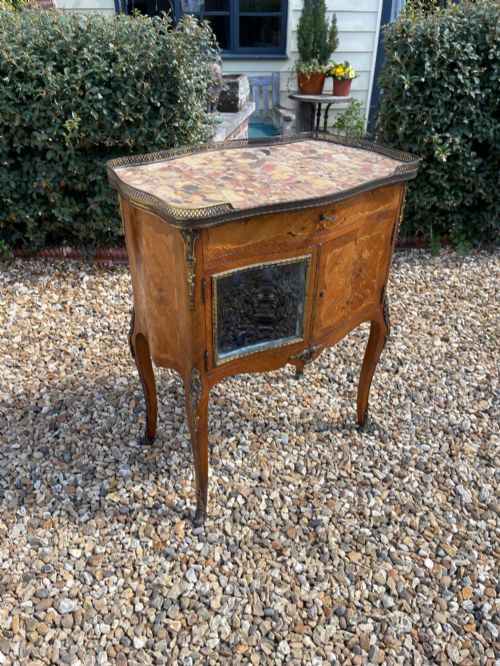
Object forms span armoires, enfilades, confituriers, and housekeepers cupboards originating from regional French workshops.
The French Provincial Storage Cupboard Glossary
- Enfilade
- A long sideboard or buffet featuring multiple doors, traditionally utilised in French dining rooms for serving and storage. These long cabinets provide substantial surface area and deep interior capacity.
- Confiturier
- A small French jam cupboard designed originally to store preserves and provisions. These compact storage pieces typically feature a single door above a small drawer.
- Buffet de Corps
- A large two-part tall cupboard or sideboard, often housing extensive shelving behind upper and lower doors. This form served as a primary storage unit in rural French kitchens.
- Demi-Lune
- A half-moon shape applied to console tables and small cabinets, allowing the furniture to sit flush against a wall. This profile became popular during the eighteenth and nineteenth centuries.
- Fruitwood
- Timber sourced from fruit-bearing trees such as cherry or pear, valued by provincial cabinetmakers for its fine grain and warm tone. It was frequently used alongside oak in regional furniture.
French Provincial Storage Cupboard: Frequently Asked Questions
What is a french provincial storage cupboard used for?
These cupboards served traditional domestic roles as larders, linen stores, and pantry units in rural French households. Today, they function effectively in modern interiors as wardrobes, kitchen larders, or general living room storage.
The deep shelving and sturdy construction accommodate everyday household items while adding distinct regional character to a room.
How do I identify an eighteenth century piece?
Earlier pieces display hand-cut joinery, pegged framing, and timber surfaces that exhibit deep natural oxidation from centuries of exposure. Regional styles often show heavier proportions and simple, functional iron hardware rather than mass-produced metalwork.
Examining the interior boards and back panels reveals hand-planed marks characteristic of pre-industrial workshop production.
Are these cupboards made of solid wood?
Provincial furniture makers relied on solid regional timbers such as oak, pine, walnut, and cherry for the entire construction of these cabinets. Solid wood panels expand and contract with humidity changes, creating the natural movement expected in antique timber.
This solid construction ensures that surviving pieces retain their structural integrity after generations of practical use.
How do I care for a painted wooden cupboard?
Painted surfaces require gentle dusting with a dry cloth and protection from direct sunlight to prevent fading or flaking of historical layers. Avoid harsh chemical cleaners that can strip or soften aged paintwork.
Maintaining a stable room temperature prevents the underlying timber from shifting, which protects the stability of the painted finish.