


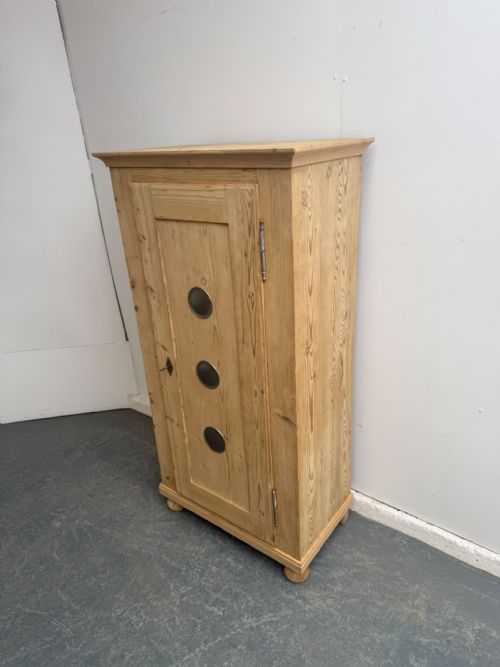


Freestanding Food Safe Cabinet
These freestanding food safe cabinet pieces are practical larder cupboards and storage units designed to keep provisions cool and pest-free in traditional kitchens.
Freestanding Food Safe Cabinet
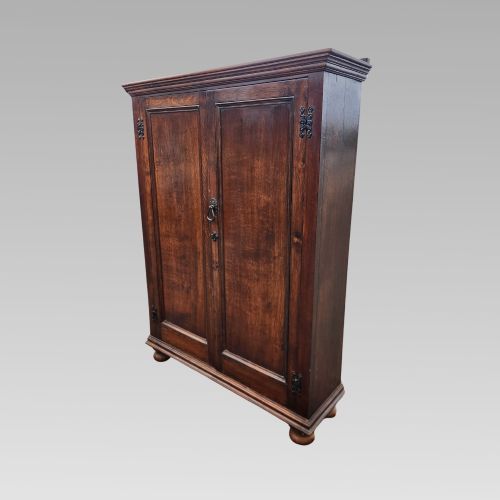
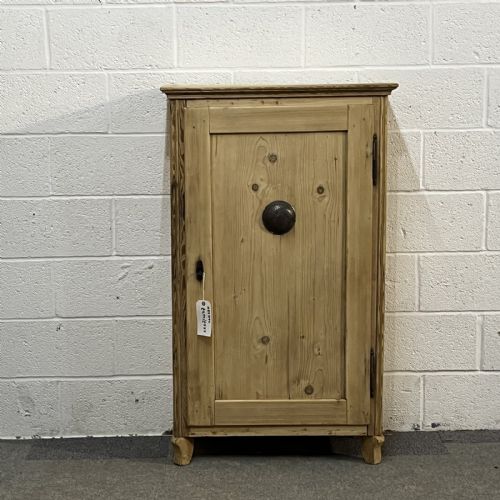
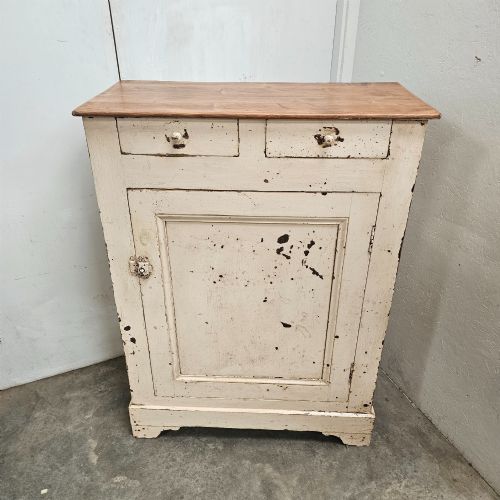
A freestanding food safe cabinet represents a diverse array of country kitchen storage, ranging from nineteenth century French confituriers to Georgian and Victorian pine larders. Buyers searching this phrase encounter hardworking utility cupboards designed for domestic provisions, often featuring panelled doors or ventilated sections for air circulation.
The pieces listed span multiple regional styles, including French provincial, Welsh vernacular, and Eastern European folk traditions. Most examples rely on substantial timber construction, housing multiple internal shelves for storing perishable goods away from household pests.
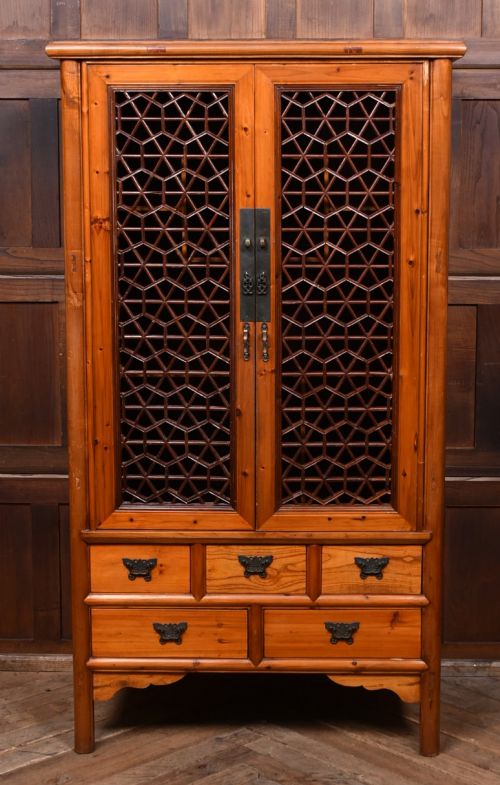
Forms vary from single door kitchen cupboards to larger double door storage units and specialised bread and cheese cupboards. These items served as essential household infrastructure before modern refrigeration became standard in domestic spaces.
Materials and construction methods
Makers built these cabinets predominantly from solid pine and cedar, utilising durable local timbers that stood up to daily kitchen use. Surfaces frequently show historical layers of paint or raw waxed finishes that developed through decades of domestic service.
Ventilation played a crucial role in construction, incorporating iron mesh and metal grilles into door panels to allow air to circulate around stored food. Simple brass hardware and iron hinges completed the functional build of these utilitarian storage pieces.
Freestanding Food Safe Cabinet Retail Price Guide 2026
Typical asking prices for freestanding food safe cabinet among the pieces listed under this phrase on Sellingantiques today, from the lower quarter to the upper quarter. They describe what is for sale here now, not the wider market.
The available listings demonstrate pine as the primary material, alongside iron mesh and painted wood across the nineteenth and early twentieth centuries.
Assessing quality in regional storage furniture
Quality in these utility cupboards rests on the integrity of the original timber frame and the survival of period ventilation mesh. Untouched painted surfaces and honest patination distinguish superior vernacular examples from later alterations or heavily restored pieces.
Proportion and scale dictate the desirability of individual cabinets, with smaller confituriers and specific regional forms commanding distinct interest. The balance between utilitarian function and decorative regional character defines the upper tier of the range.
The Freestanding Food Safe Cabinet Glossary
- Confiturier
- A small French storage cupboard traditionally used for preserving fruit and confit. These compact cabinets typically feature a single door and a narrow footprint suited to domestic pantries.
- Vernacular furniture
- Domestic pieces built by local tradespeople to regional designs rather than following metropolitan fashions. These items prioritise everyday utility and utilise readily available local materials.
- Larder cupboard
- A tall storage unit designed for keeping food fresh before the advent of refrigeration. They often include ventilated panels to maintain airflow around provisions.
- Patina
- The surface sheen and colour acquired by wood and paint through age, handling, and wear. It serves as a visual record of a piece's history and active use.
Freestanding Food Safe Cabinet: Frequently Asked Questions
What is a freestanding food safe cabinet?
A freestanding food safe cabinet is a historical kitchen storage unit designed to hold perishable goods securely.
These pieces typically incorporate ventilated panels to keep provisions fresh before electric refrigeration existed.
How were these cabinets used historically?
Households used these cupboards in pantries and kitchens to store bread, cheese, and other daily provisions away from pests.
The mesh or vented doors allowed air circulation while maintaining a physical barrier.
What woods were used for these cabinets?
Makers constructed these storage pieces predominantly from pine, cedar, and other accessible domestic softwoods.
Surfaces were frequently painted or waxed to protect the timber from kitchen moisture.
How do I date a pine food cupboard?
Dating relies on construction methods, hardware types, and historical paint layers found on the timber.
Georgian and Victorian examples often feature distinct joinery styles and proportioning compared to later twentieth century pieces.
How do I fit a food safe cabinet into a modern kitchen?
These cabinets work well as standalone larders or pantry units in contemporary kitchen spaces.
Their generous internal shelving provides practical storage for dry goods and kitchenware.