



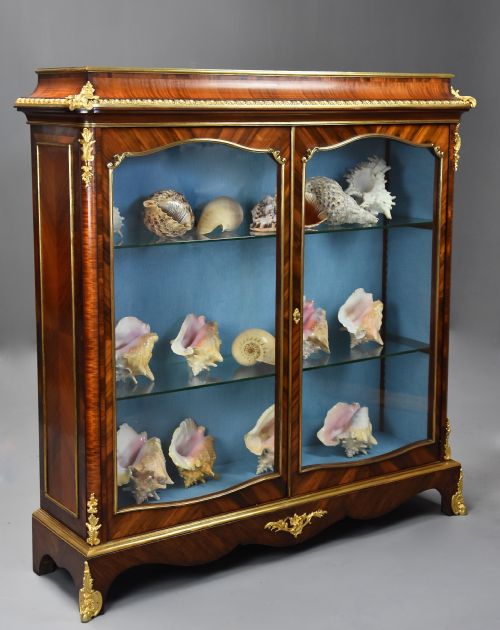
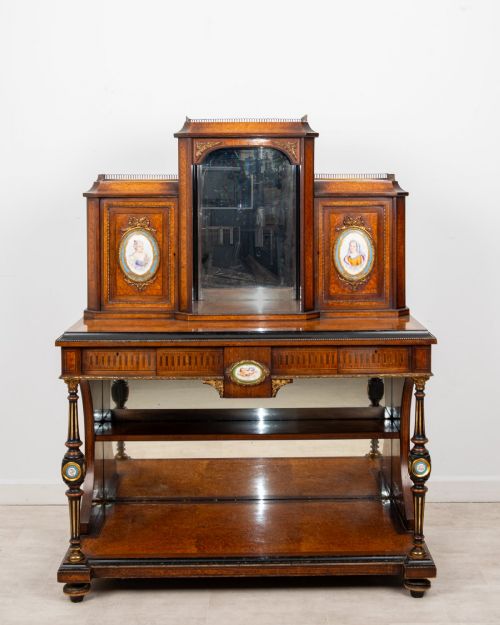
Nineteenth Century French Cabinet
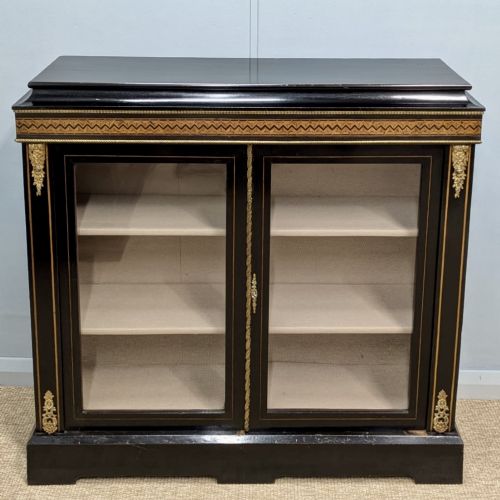
A nineteenth century french cabinet brings architectural timberwork and gilt bronze mounts together in forms designed to display possessions or organise correspondence.
Nineteenth Century French Cabinet
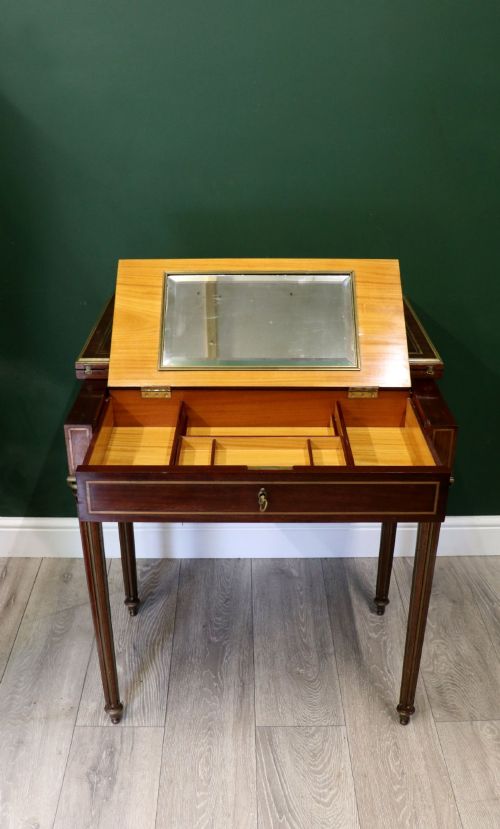
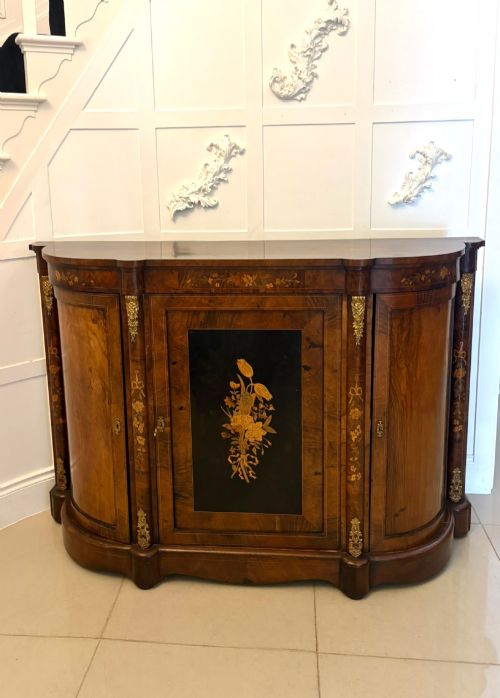
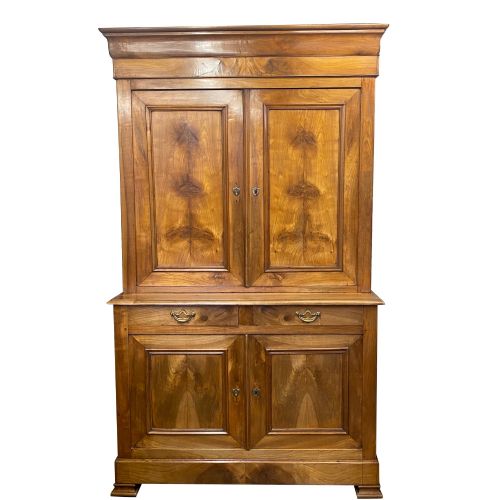
A nineteenth century french cabinet encompasses diverse forms ranging from glazed vitrines and secrétaire desks to sturdy cherrywood cupboards and marble-topped bedside pieces. Buyers frequently encounter revival designs rooted in Louis XV and Louis XVI aesthetics alongside provincial oak and fruitwood utilitarian storage.
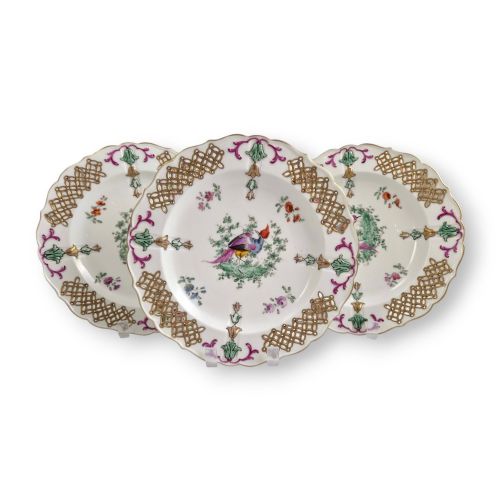
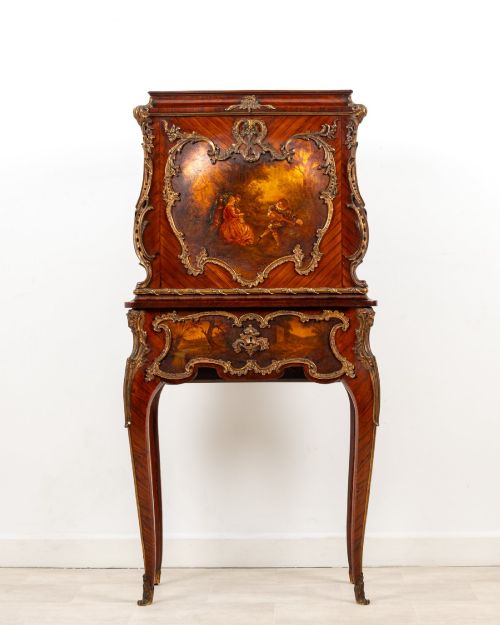
The materials span rich exotic veneers such as kingwood and burr walnut, accented by contrasting ebonised details, porcelain plaques, and painted vernis martin panels. Pieces emerge from structured city workshops and regional provincial kitchens alike, reflecting varied domestic functions across the century.
Materials and Construction
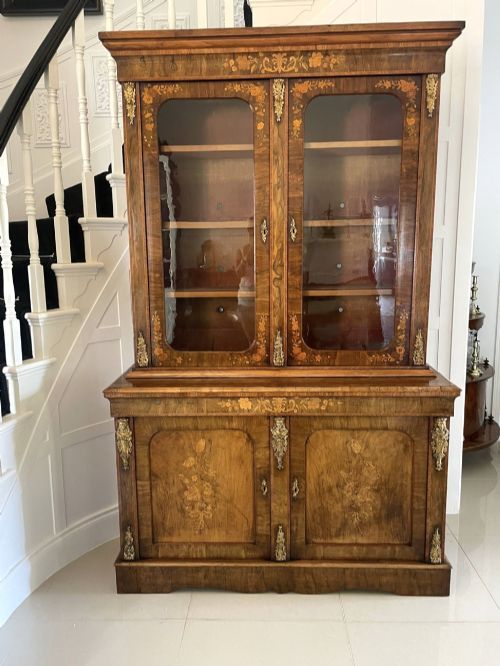
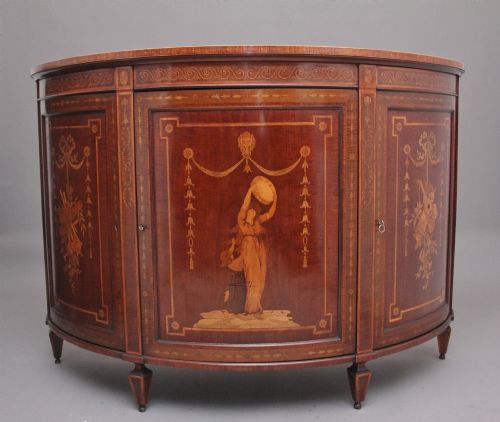
Cabinet makers built carcases in solid timbers like mahogany, walnut, and cherry, layering intricate marquetry and delicate cross-banding in kingwood, satinwood, and rosewood across the exterior surfaces. These veneers required precise hand-cutting to form floral and geometric patterns that fit seamlessly across doors and drawers.
Structural embellishments relied on cast ormolu and gilt bronze mounts, screwed or pinned to corners, feet, and friezes to accentuate the architectural lines. Tops frequently featured shaped Belgian Sainte-Anne marble slabs, fitted precisely to the upper profiles of commodes and bedside cabinets.
Nineteenth Century French Cabinet Retail Price Guide 2026
Typical asking prices for nineteenth century french cabinet among the pieces listed under this phrase on Sellingantiques today, from the lower quarter to the upper quarter. They describe what is for sale here now, not the wider market.
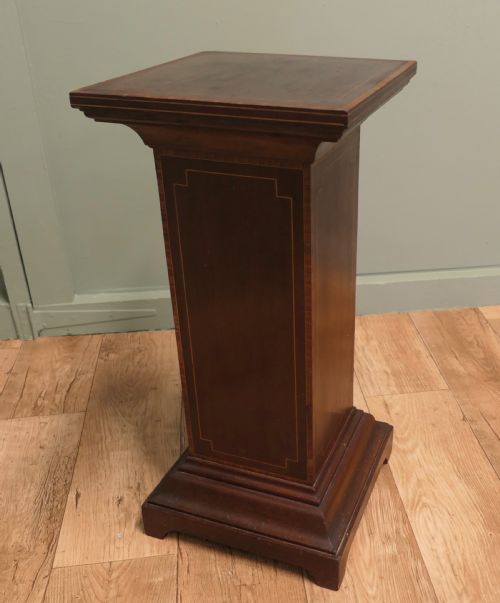
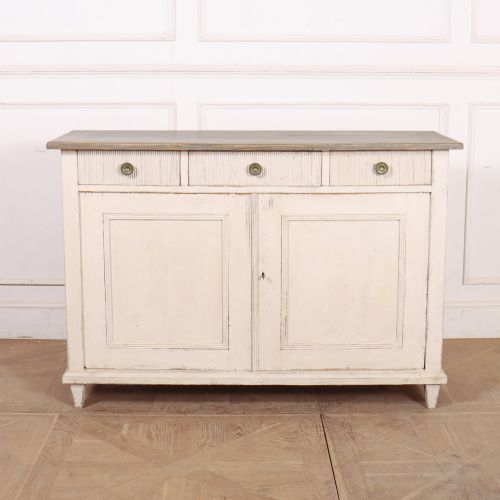
Listings feature burr walnut, kingwood, mahogany, and oak across credenzas, vitrines, and writing cabinets spanning the Victorian and late nineteenth century.
Craftsmanship and Proportion
Quality rests in the crispness of the gilt bronze chasing and the precision of the timber marquetry inlay, where lesser examples show blurred casting details or mismatched grain patterns. Superior pieces display harmonious proportions and smooth operational mechanics in secretaire drops and locking mechanisms.
The integration of secondary timbers and the depth of polish reveal the maker's hand, distinguishing standard commercial production from numbered pieces produced in elite Parisian workshops.
Edward Holmes Baldock·Gabriel-Frederic Viardot·G. Durand·François Linke·Joseph Zwiener·Edwards and Roberts·Jean-Henri Riesener·Victor Raulin
The Nineteenth Century French Cabinet Glossary
- Ormolu
- Gilded bronze mounts applied to furniture for decorative and structural accent. It requires careful cleaning to preserve the original gold layer.
- Marquetry
- Veneering technique using thin slices of wood to create pictorial or geometric designs. It creates detailed surface patterns across cabinet doors.
- Secrétaire à abattant
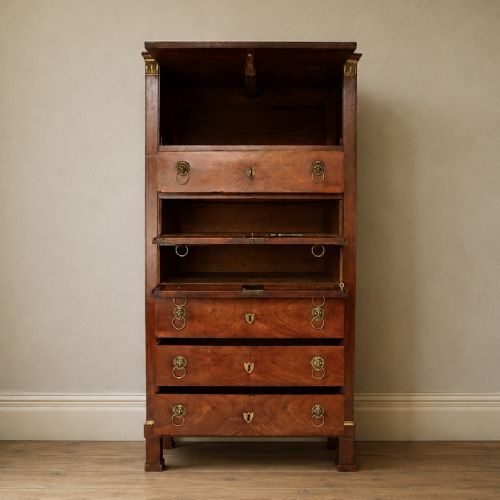
- A tall upright writing cabinet with a drop-front writing surface concealing pigeonholes and small drawers. This form combines storage with a dedicated writing desk.
- Vitrine
- A glass-fronted display cabinet intended for porcelain and curiosities. Glazing bars segment the glass panels to showcase interior collections.
- Vernis Martin
- A type of simulated Japanese lacquer developed in France, featuring painted scenes on panels. It provides a glossy, protective decorative surface.
Nineteenth Century French Cabinet: Frequently Asked Questions
How do I clean ormolu mounts?
Gilt bronze mounts accumulate dust and tarnishing in recessed crevices over decades of domestic use. Gentle brushing with a soft, dry bristle tool lifts surface particles without abrading the gilding.
Moisture and harsh commercial brass cleaners strip the delicate gold layer entirely from the bronze substrate. Stick to dry cleaning methods or consult a professional conservator for heavy oxidation.
Where were these cabinets placed?
Display vitrines and pier cabinets occupied formal reception rooms and drawing rooms to exhibit porcelain, glass, and small collected treasures. Smaller bedside cabinets and writing desks served private chambers and boudoirs.
Larger credenzas and bookcases anchored dining spaces or libraries, holding household linen, books, and correspondence.
How can I identify revival styles?
Louis XV revival pieces feature asymmetrical curves, scrolling foliage, and flowing cabriole legs inspired by eighteenth-century rococo designs. These forms emphasise organic movement and rich ormolu mounts.
Louis XVI revival works display neoclassical symmetry, straight fluted legs, and geometric parquetry patterns reflecting architectural restraint and ancient Greek influences.
Do keys usually work?
Original nineteenth-century locks remain common, but surviving keys are scarce because keys were frequently lost or separated during past house moves. Many cabinets require a locksmith to fit a working key if security is needed.
Locks often feature stamped maker marks or brass escutcheons that help confirm the period of the piece, even when the key is missing.