
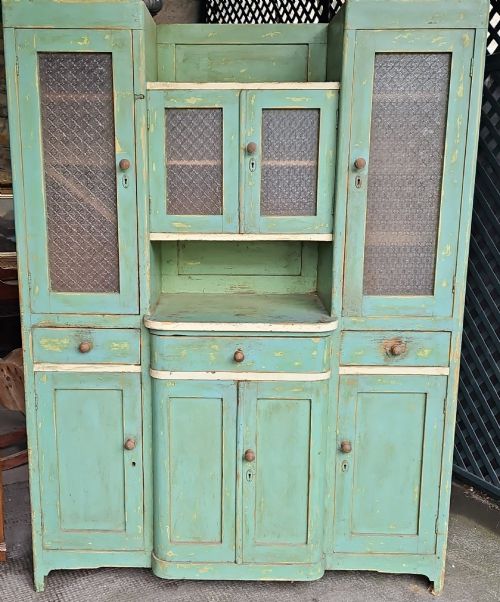


French Glazed Cupboard
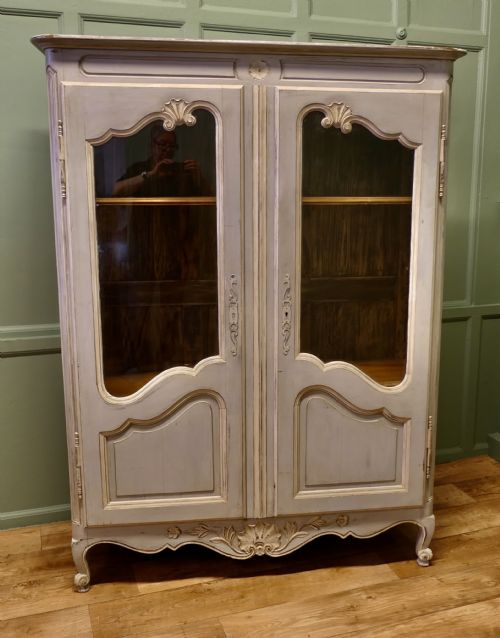
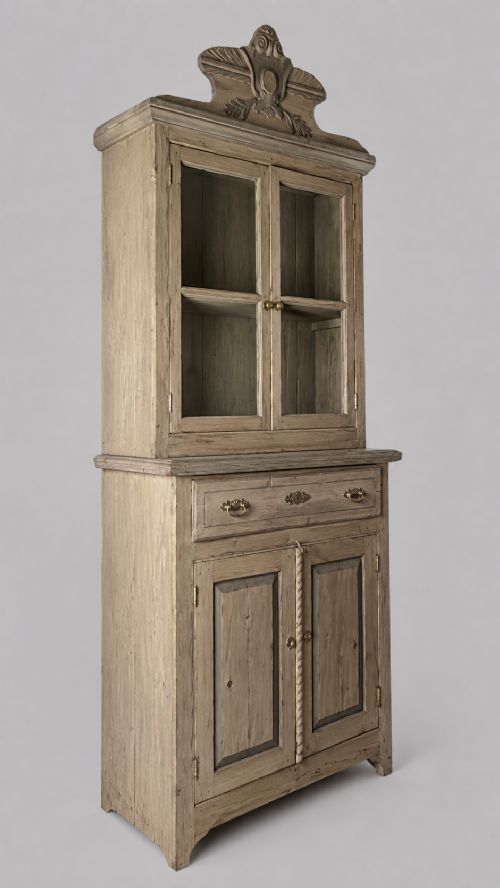
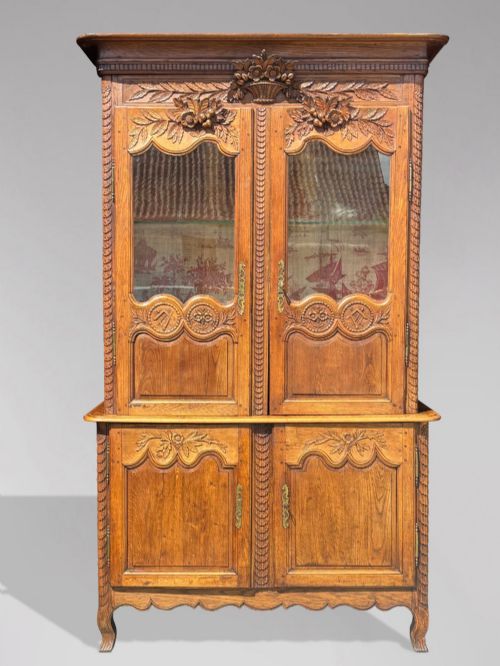
These pieces of french glazed cupboard furniture bring visibility and architectural presence to a room, offering glazed storage for display.
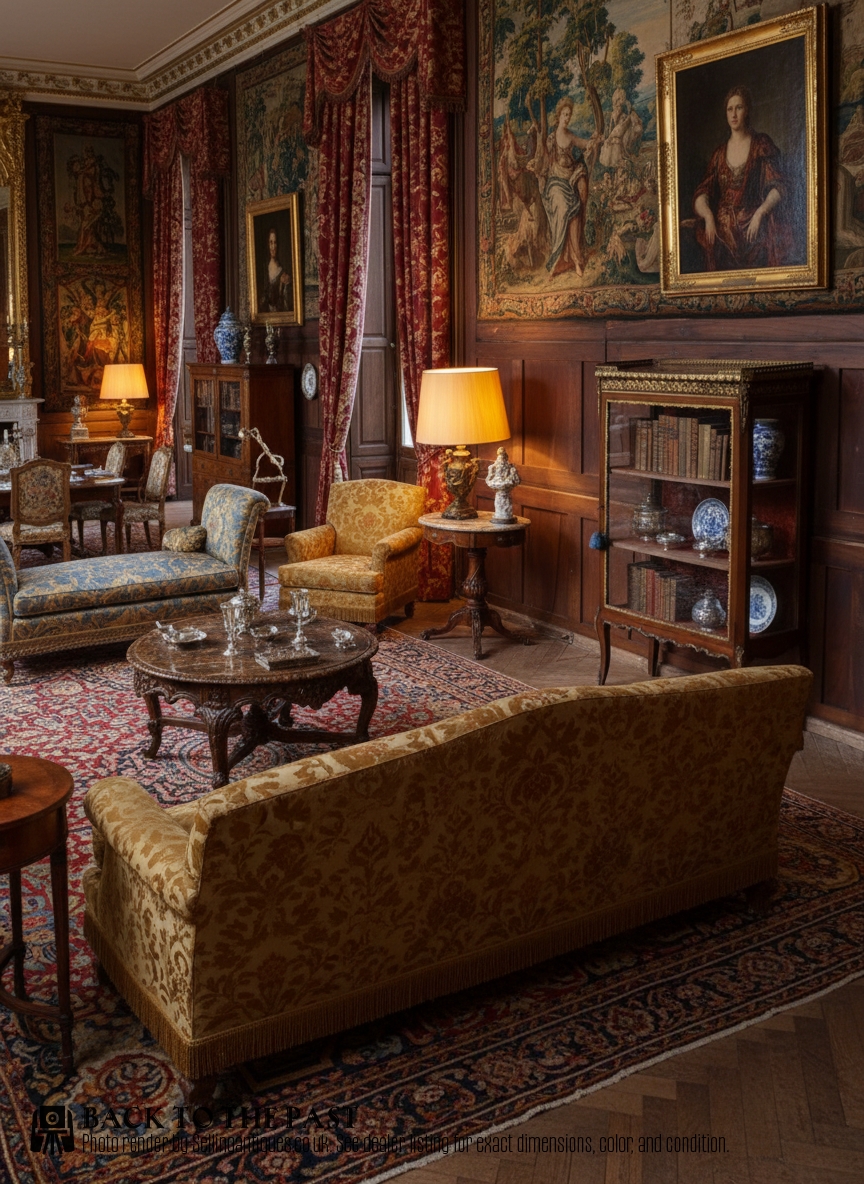
French Glazed Cupboard
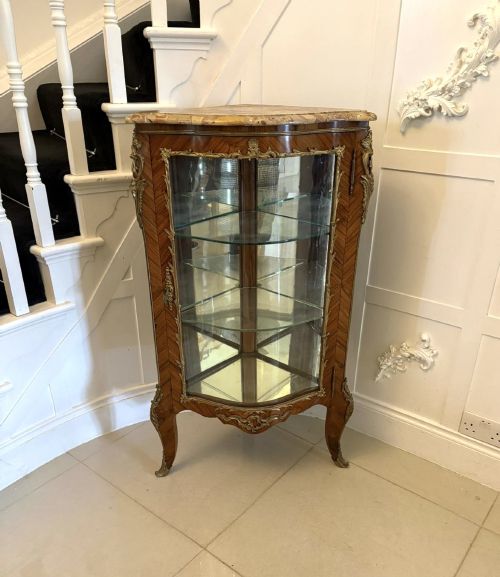
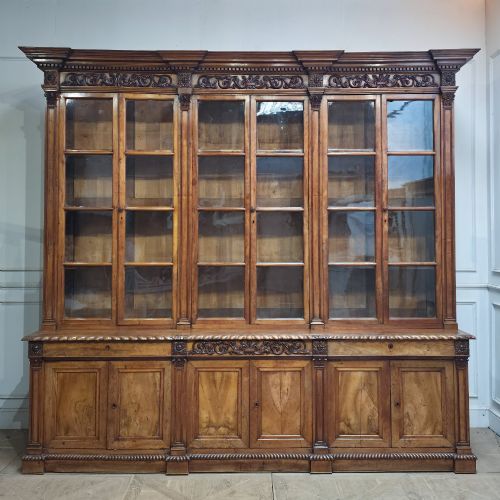
A french glazed cupboard combines timber construction with glazed panels, functioning as display cabinets, bookcases, vitrines, and corner units. These forms emerge across the nineteenth century, including Victorian interpretations and specific French provincial styles.
Examples span several decades from the 1860s through to the Edwardian period and the 1920s, reflecting regional French influences as well as revivalist aesthetics like Louis XV and Louis XV style.
Materials and construction
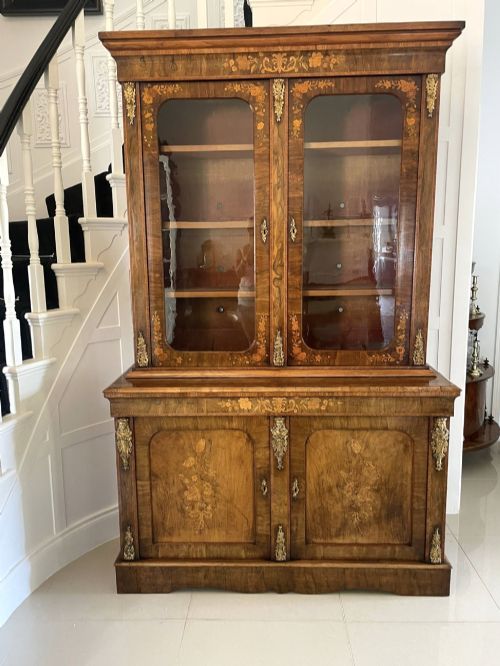
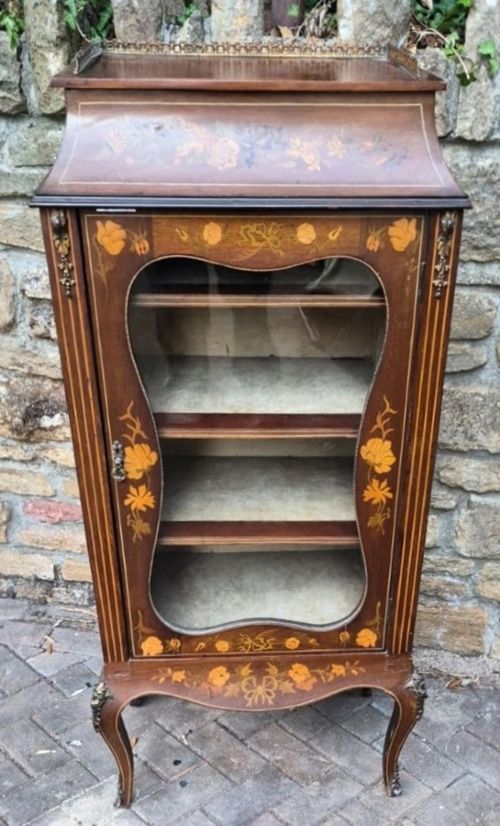
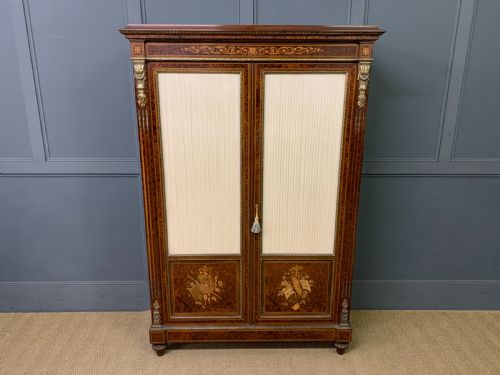
Cabinet makers utilise hardwoods such as walnut, mahogany, oak, kingwood, and rosewood, frequently incorporating exotic veneers like satinwood and amboyna. Burr walnut and marquetry inlay provide patterned timber surfaces across many nineteenth century examples.
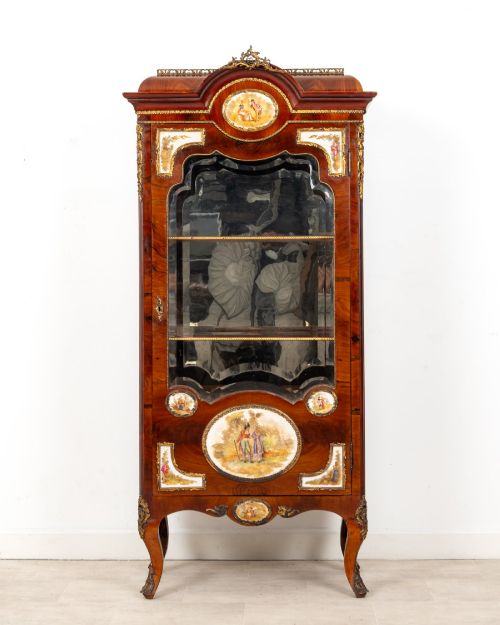
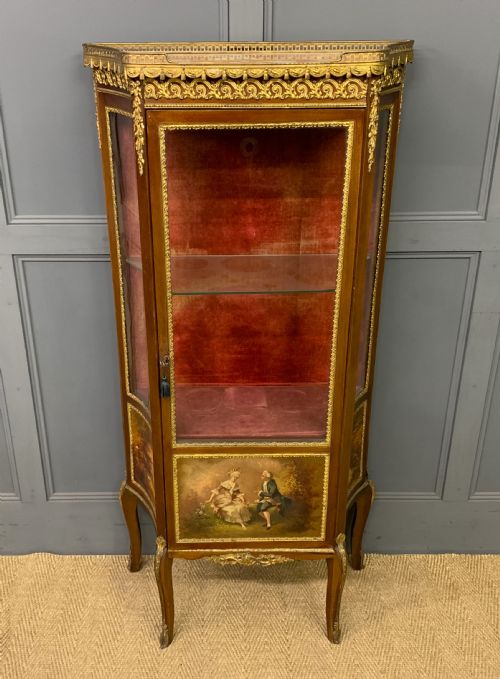
Metal mounts in brass and ormolu complement the woodwork, while marble tops feature on specific display cabinets and pier pieces. Glazing is integrated into doors and side panels to enclose the interior space securely.
One twenty-century display cabinet carries later hand-written vineyard signwriting referring to the Rhône valley.
Distinctions in quality
The standard of a piece depends on the selection of timber veneers, the crispness of marquetry inlay, and the finesse of the ormolu or brass mounts. Elaborate carving and the integration of porcelain plaques elevate the execution of the cabinetwork.
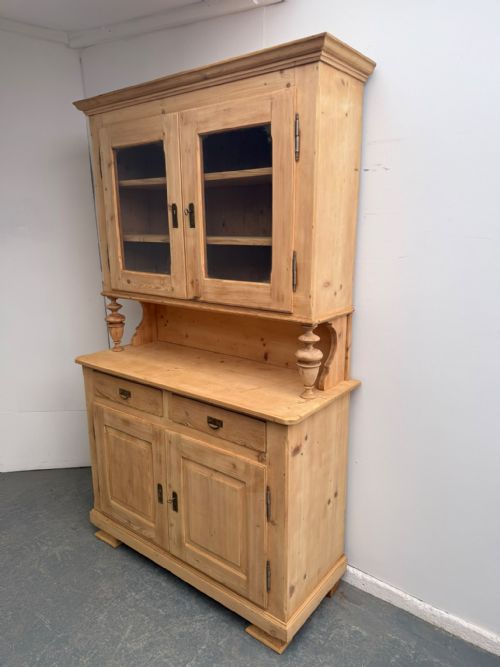
Proportion and structural balance separate simpler country pine items from finely detailed urban salon furniture, while original glass and well-fitted doors indicate careful preservation.
The French Glazed Cupboard Glossary
- Vitrine
- A glass-fronted display cabinet or cupboard intended for showing porcelain and precious objects. These often feature glazed side panels to maximise light ingress.
- Pier cabinet
- A low cabinet designed specifically to fit against the wall space between windows. They frequently incorporate marble tops and ormolu mounts.
- Ormolu
- Gilded bronze mounts applied to furniture for decorative enrichment. These metal elements define revivalist nineteenth century pieces.
- Marquetry
- Decorative inlay work using various coloured wood veneers to create pictorial or geometric patterns. It appears across Victorian and Edwardian cabinet doors.
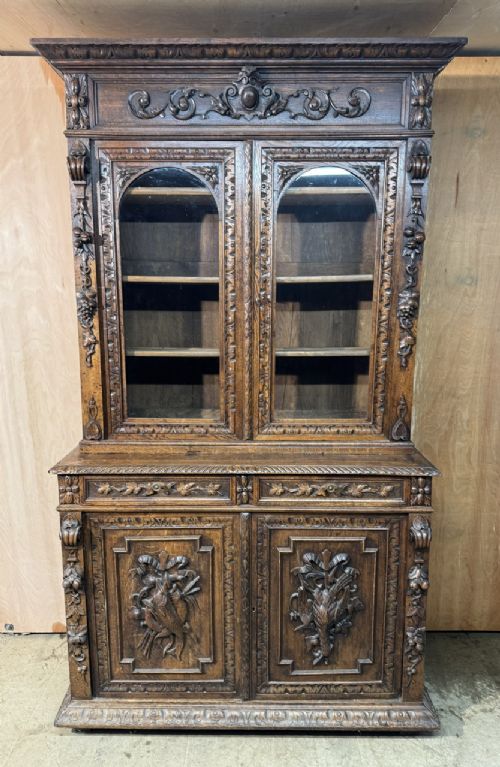
- Buffet deux corps
- A large two-piece cabinet structure consisting of a lower cupboard base surmounted by an upper section. These substantial pieces provide extensive storage.
French Glazed Cupboard: Frequently Asked Questions
What is a french glazed cupboard used for?
These cupboards provide enclosed shelving behind glass doors to display porcelain, glassware, and books while protecting them from dust.
They serve practical storage functions in kitchens, dining rooms, and reception spaces alike.
How do I date a french glazed cupboard?
Dating relies on identifying timber choices, revival styles, and construction methods characteristic of periods like the Victorian era or the late nineteenth century.
Details such as ormolu mounts, marquetry, and painted finishes help narrow the production decade.
Where should I place a corner cabinet?
Corner cabinets fit directly into room angles, making efficient use of otherwise unused spatial junctures in dining rooms or studies.
Their triangular footprint preserves floor area while offering functional display height.
Are these cupboards suitable for modern interiors?
The neutral wood tones and painted finishes integrate easily into contemporary rooms, providing practical display storage without overwhelming the floor plan.
Their glazed doors maintain a visually open feel despite the solid timber construction.