

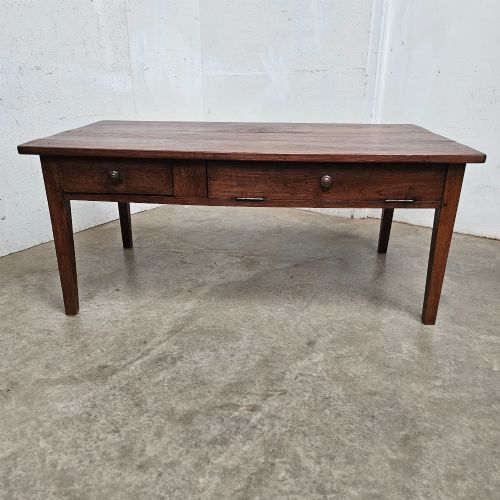
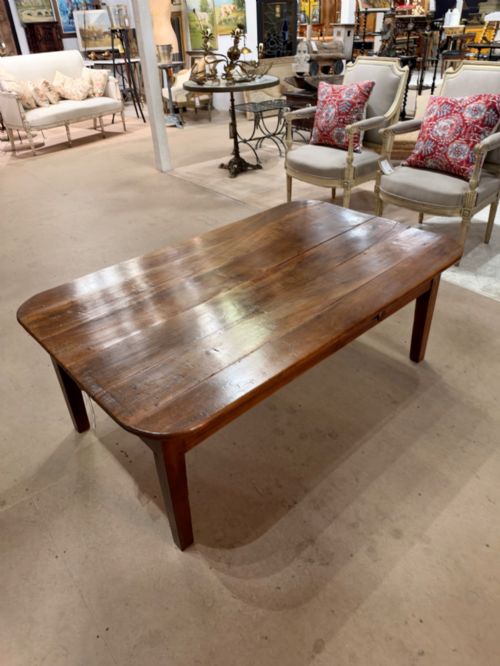
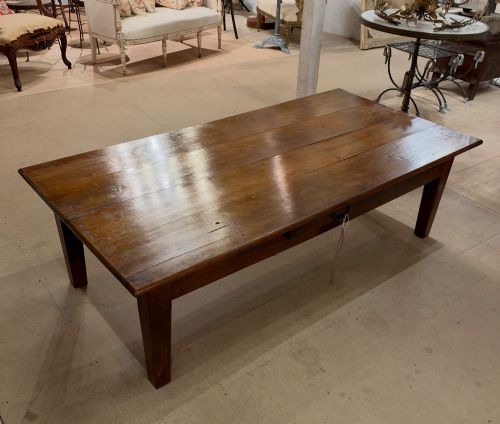
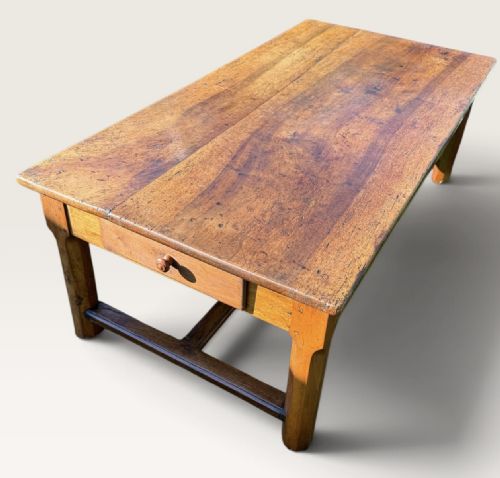


French Provincial Low Table
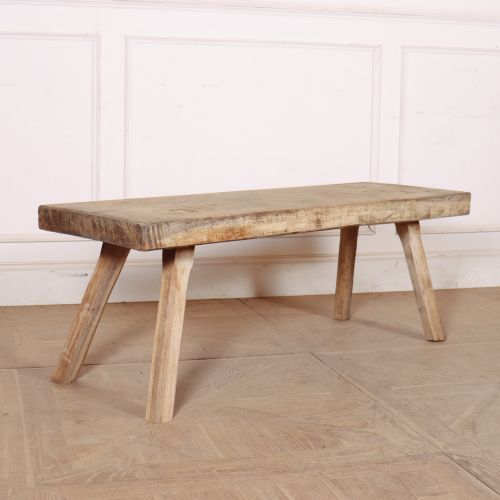
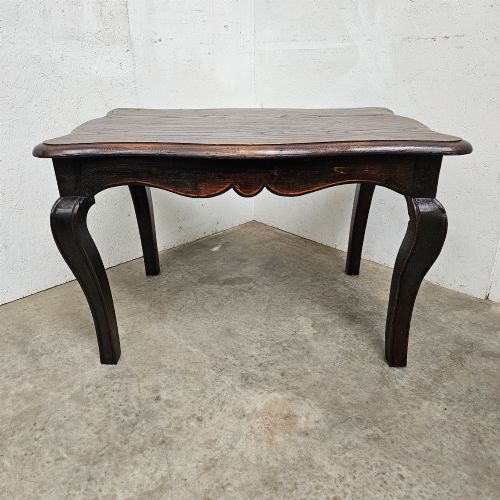
A french provincial low table brings warmth and utility to a room through regional timber and unpretentious craftsmanship.
French Provincial Low Table
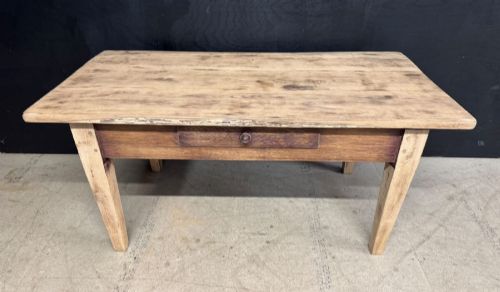
A french provincial low table encompasses low-slung surfaces shaped by regional woodworking traditions across various centuries. Buyers encountering this search phrase find pieces ranging from utilitarian fruitwood benches and scrubbed sycamore tables to refined walnut and cherrywood examples.
The version met most frequently on this page is the nineteenth century coffee table in oak or fruitwood, often featuring simple turned legs or rustic farmhouse construction. These low surfaces frequently adapt older forms, converting benches, coffers or side tables into functional domestic furnishings.
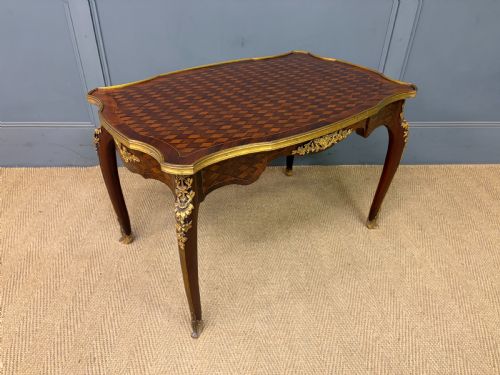
Stylistic markers span from rustic country simplicity to more decorative french louis xv revival and régence interpretations. Many items show the honest marks of daily use, utilising local timber such as elm, pine and chestnut alongside occasional marble tops.
Materials and construction methods
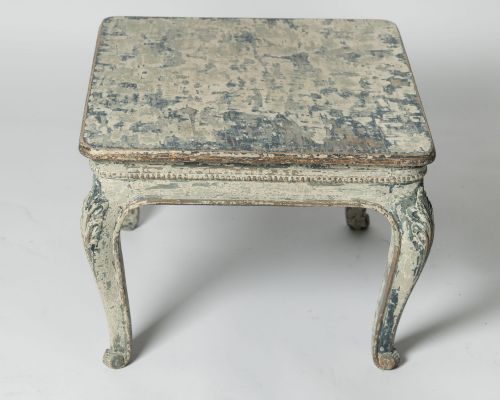
Makers relied on regional hardwoods and fruitwoods, selecting oak, walnut, cherrywood, pearwood and fruitwood for their structural integrity and grain. Surfaces often display the natural warmth of timber, though painted wood, satin wood and gilt finishes appear alongside scrubbed sycamore and elm.
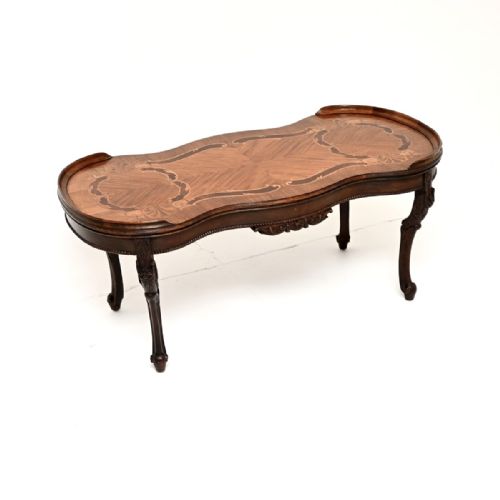
Construction techniques combine traditional joinery with practical local adaptations, sometimes pairing timber frames with inset marble tops or wrought iron details. Details such as inlaid marquetry, brass accents and carved elements distinguish the more decorative workshop output from primitive farmhouse pieces.
French Provincial Low Table Retail Price Guide 2026
Typical asking prices for french provincial low table among the pieces listed under this phrase on Sellingantiques today, from the lower quarter to the upper quarter. They describe what is for sale here now, not the wider market.
Listings feature oak, walnut, fruitwood, pine, and marble materials across eighteenth, nineteenth, and twentieth century periods.
Judging the quality of these tables
Quality rests in the integrity of the timber selection and the harmony of the proportions. Tables fashioned from dense walnut or well-figured fruitwood carry a stronger presence than softer pine or basic timber alternatives.
The refinement of the joinery and the restraint of any carved decoration set apart individual pieces. Tables displaying integrated drawers, subtle turning on the legs or balanced inlaid marquetry demonstrate a higher level of workshop competence.
The French Provincial Low Table Glossary
- Fruitwood
- Timber sourced from fruit-bearing trees such as pear, cherry or apple, prized for a tight grain and warm tone. It is commonly encountered in regional furniture.
- Marquetry
- The art of applying pieces of veneer to a structure to form decorative patterns. This technique appears on select refined surfaces.
- Régence
- A French decorative style bridging the Louis XIV and Louis XV periods, known for curved lines and restrained carving. It reflects a transitional design phase.
- Sycamore
- A dense hardwood often used in pastoral and regional European cabinetmaking. It provides a pale, durable surface.
- Cofer
- A large chest or box traditionally used for storage. These forms occasionally adapt into low tables.
French Provincial Low Table: Frequently Asked Questions
What defines a french provincial low table?
These tables are low-slung domestic surfaces derived from regional French furniture traditions, spanning primitive fruitwood benches to refined walnut coffee tables.
They reflect the utilitarian needs of rural households while incorporating stylistic elements from various nineteenth and twentieth century revival periods.
How were these low tables originally used?
Many examples originated as side tables, display tables, work benches or storage coffers before being adapted for modern coffee table heights.
Their sturdy timber construction suited practical domestic tasks in farmhouses, workshops and provincial homes.
How do I live with an antique low table?
These pieces integrate easily into contemporary interiors by grounding a seating arrangement with natural timber textures and history.
Their resilient wooden or marble surfaces handle daily use well, provided they receive appropriate care suited to antique finishes.
How do I date an antique low table?
Dating relies on observing the timber species, tool marks, joinery methods and stylistic clues pointing to periods like the eighteenth century or Edwardian era.
Makers often left subtle indicators in the construction and wood selection that correspond to specific regional eras.