
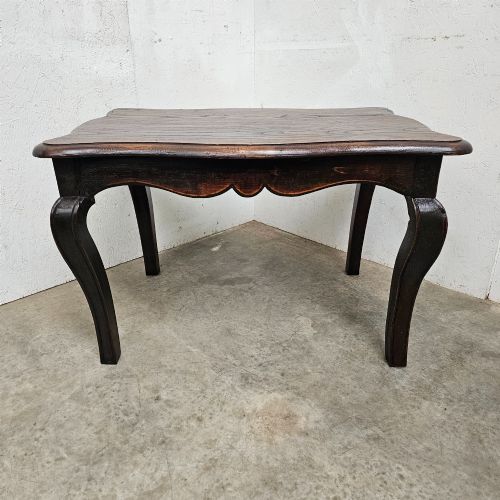


French Provincial Centre Table
A french provincial centre table brings rustic utility and refined regional character into a room.

French Provincial Centre Table
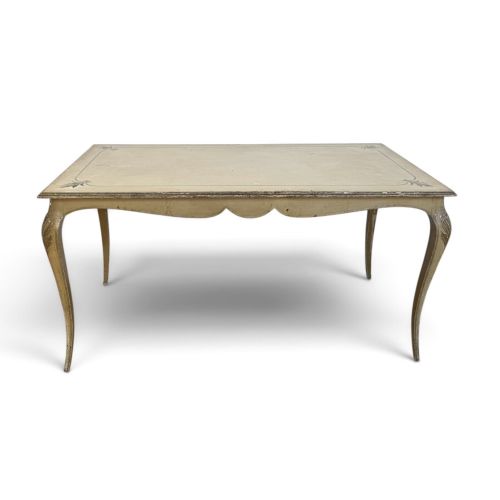
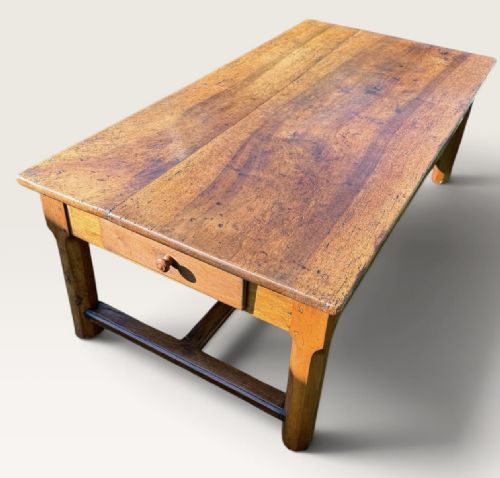
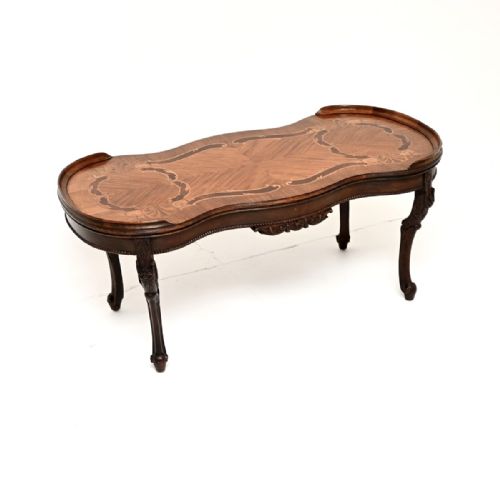
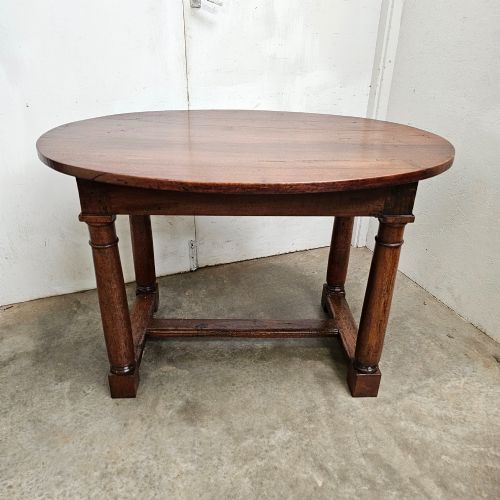
A french provincial centre table is a versatile domestic piece, appearing frequently in walnut, oak, and fruitwood across the eighteenth and nineteenth centuries. Buyers searching for a french provincial centre table encounter forms ranging from low coffee tables and occasional tables to larger dining and breakfast surfaces.
The selection includes regional variations such as chestnut farmhouse tables and marble top gueridons. Earlier eighteenth-century examples display simpler carved timbers, whilst revival pieces from the nineteenth and early twentieth centuries adopt Louis XV and Louis XVI styles.
Assessing quality
Quality rests in the selection of timber and the crispness of provincial carving. Tables with original marble tops, delicate marquetry, or stamped maker details stand apart from plain utility pieces.
The integrity of the timber and the balance of the proportions dictate the standing of an individual table. Surface patination accumulated over generations separates untouched antique examples from later alterations.
French Provincial Centre Table Retail Price Guide 2026
Typical asking prices for french provincial centre table among the pieces listed under this phrase on Sellingantiques today, from the lower quarter to the upper quarter. They describe what is for sale here now, not the wider market.
One provincial chestnut table arrived bearing the mysterious stamp 'BL', leaving the identity of its maker quietly tucked beneath the top.
The French Provincial Centre Table Glossary
- Gueridon
- A small circular occasional table, often featuring a marble top and three or more supporting legs. These pieces originated in the seventeenth century and remained popular through revival periods.
- Parquetry
- A geometric mosaic of wood pieces used for decorative surfacing on tables. Cabinetmakers arranged contrasting timbers to create patterns across the top.
- Marquetry
- The art of applying pieces of veneer to a structure to form decorative designs. This technique frequently employs exotic and domestic woods.
- Provincial
- Pertaining to the regions outside the capital, denoting furniture made for local domestic use rather than court circles. Such pieces combine practical utility with regional stylistic preferences.
French Provincial Centre Table: Frequently Asked Questions
How are french provincial centre tables used today?
These tables function primarily as low coffee tables, occasional surfaces, or central display pieces in a room. Their sturdy construction and manageable proportions suit contemporary living spaces.
Larger variants can serve as dining or breakfast tables, whilst smaller low tables sit comfortably before a sofa.
How do I distinguish eighteenth-century pieces from nineteenth-century revivals?
Eighteenth-century examples display hand-cut joinery, simpler timber patination, and wear consistent with extended domestic use. Regional characteristics often appear more pronounced in earlier provincial work.
Nineteenth-century revival pieces frequently adopt lighter construction, machine-sawn elements, or explicit references to Louis XV and Louis XVI ornament.
What woods were commonly used?
Cabinetmakers relied on locally available timber, meaning walnut, oak, chestnut, cherrywood, and fruitwood predominate. Satin wood and sycamore also appear on specific decorative tables.
Secondary woods often support primary surfaces, reflecting the workshop practices of particular French regions.
How should I care for a marble top table?
Marble surfaces require gentle cleaning with mild soap and water to protect the stone from staining and acid etching. Avoid abrasive household cleaners that dull the polish.
Use coasters and mats to prevent moisture rings and scratches on both the marble and the surrounding wood framework.