
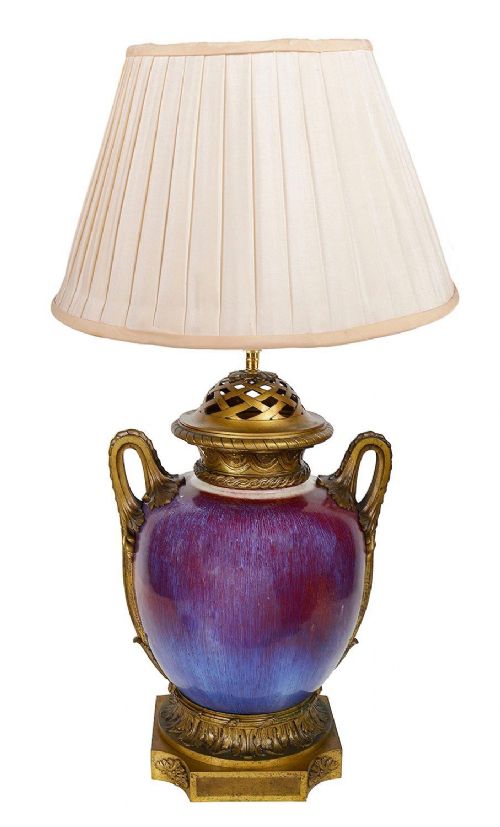


French Porcelain Table Lamp
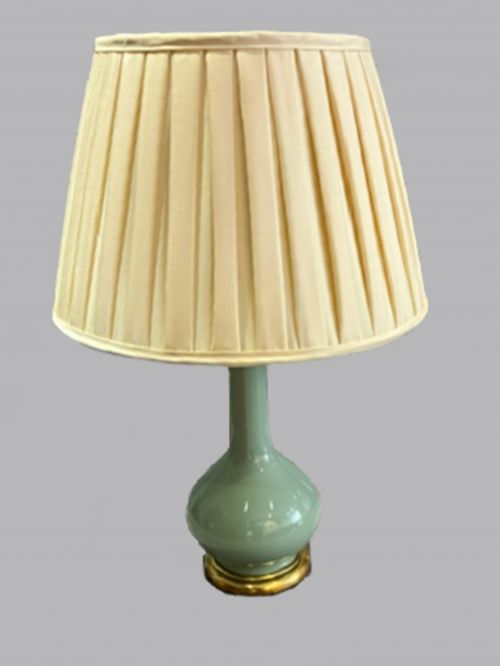
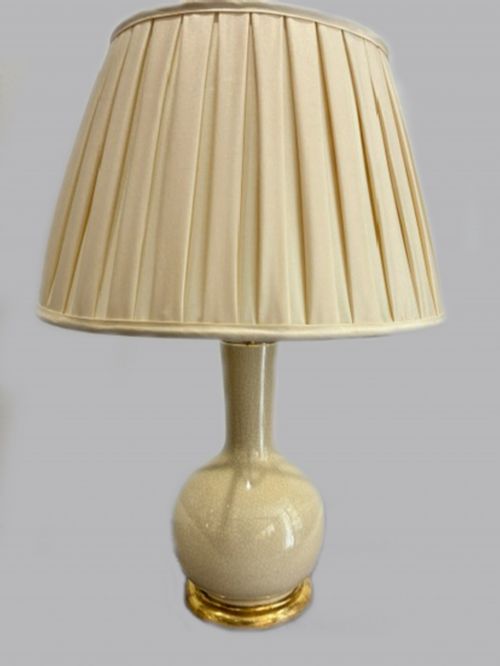
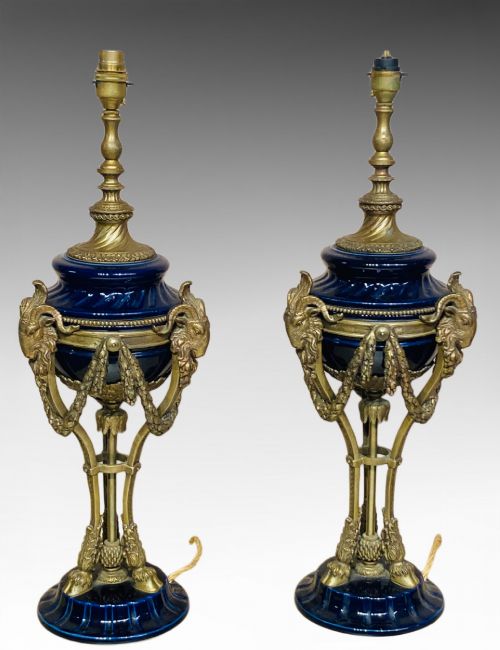
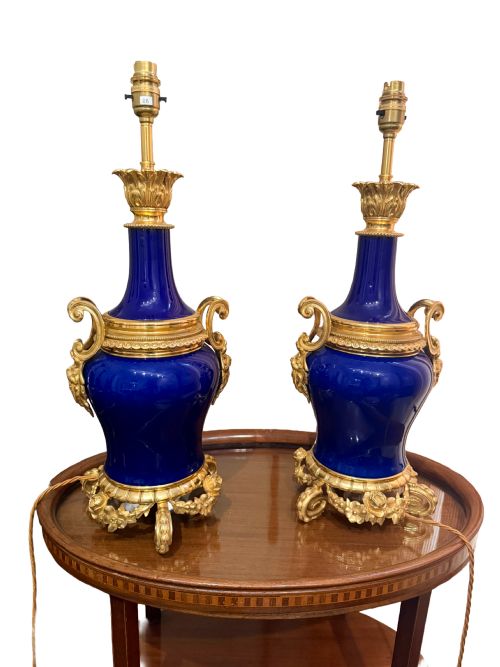
These french porcelain table lamps combine soft ceramic bodies with gilt bronze mounts to bring warmth and classical elegance to a room.

Identifying these pieces
A french porcelain table lamp bridges the gap between decorative art and functional lighting, bringing centuries of European design into domestic spaces. When browsing these items, a buyer encounters forms that evolved from earlier lighting methods.
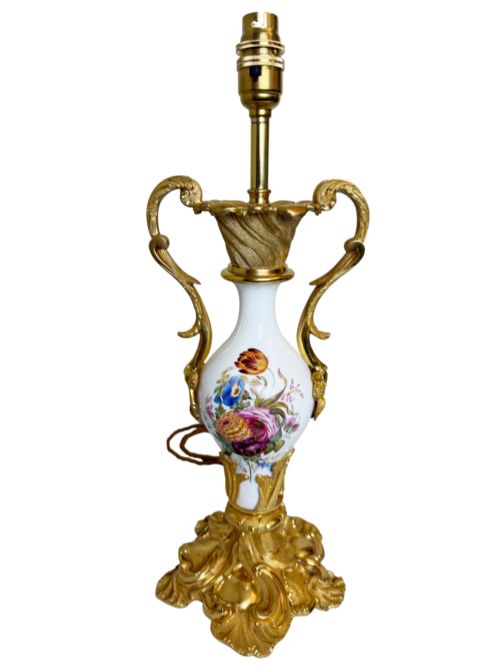
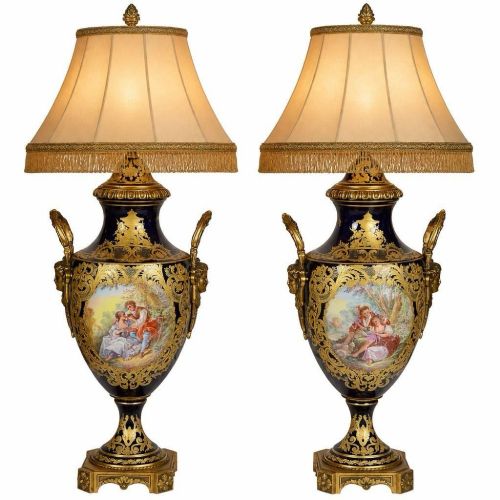
Many examples begin life as oil lamps or decorative vases before undergoing conversion into electric lamps. The selection frequently includes pieces styled after Sevres or Paris porcelain, alongside figural designs featuring cherubs and hand-painted floral motifs.
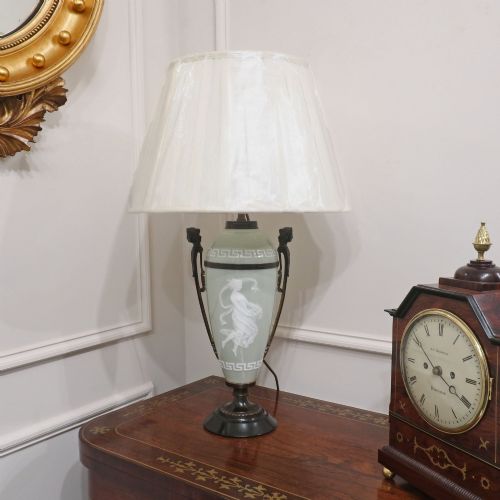
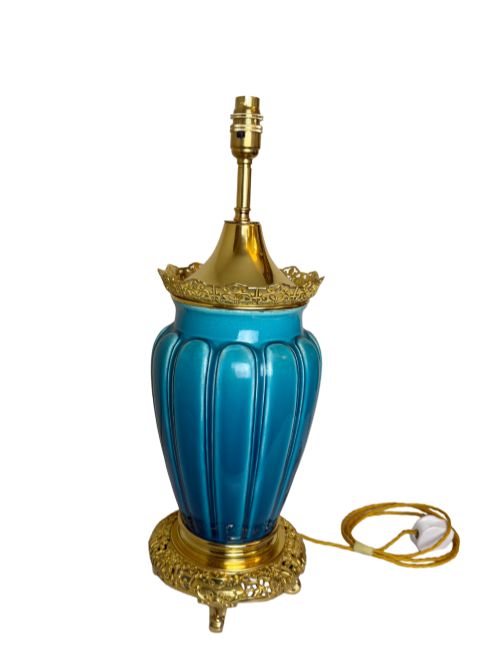
Dating primarily from the nineteenth century into the early twentieth century, these items display distinct aesthetic movements including French Neoclassical, Rococo Revival, and Chinoiserie. The physical evidence shows bodies made from turquoise, celadon, and cobalt blue ceramics mounted on metallic bases.
Materials and construction
Makers combine fired porcelain with cast metal mounts, utilising brass, bronze, gilt metal, and ormolu to frame the ceramic central column. Metal components are often chased and gilded, providing structural support and ornate decorative framing around the porcelain body.
Surface decoration relies on skilled hand-painting, gilding, and pate-sur-pate techniques where layers of liquid porcelain slip build up low-relief designs. Shades incorporating fabric, beads, and painted toleware complete the construction of these lighting fixtures.
Retail Price Guide 2026
Typical UK retail prices for french porcelain table lamp, calculated from the Sellingantiques database of over a million retail prices indexed since 2003. This retail price guide relies exclusively on Sellingantiques data; no external sources or auction records are used, so the figures do not describe the wider market.
The archive includes converted oil lamps alongside vases adapted into lighting with fabric and toleware shades.
Distinctions in quality
The sophistication of the painting and the crispness of the gilt bronze or ormolu mountings dictate the standing of a piece within its category. Finer examples exhibit finely modelled figures, delicate pate-sur-pate detailing, and heavy cast metal mounts that integrate seamlessly with the ceramic body.
The integrity of the porcelain and the harmony between the converted vessel and its electrical fittings influence the overall character. Pieces bearing identifiable factory aesthetics or historic ceramic traditions demonstrate superior craftsmanship compared to simpler decorative alternatives.
Samson·Sevres
The French Porcelain Table Lamp Glossary
- Ormolu
- Gilded bronze mounts applied to furniture, clocks, and porcelain bodies to provide decorative enrichment. This technique involves applying a gold amalgam to bronze before heating.
- Pate-sur-pate
- A ceramic decoration technique where successive layers of liquid porcelain slip are applied to a contrasting body. This builds a cameo-like relief design before firing.
- Paris Porcelain
- A term describing wares produced by numerous independent workshops operating in and around Paris from the eighteenth century onwards. These factories often produced high-quality decorative items without standardised factory marks.
- Sevres Style
- Decorative porcelain produced in imitation of the famous French royal manufactory. Pieces often feature rich cobalt blue grounds, elaborate gilding, and hand-painted pastoral scenes.
- Toleware
- Painted or lacquered sheet metal items used for decorative household objects and lamp shades. The technique creates durable surfaces with colourful painted finishes.
Frequently Asked Questions
Are these lamps converted from older items?
Many examples originate as decorative vases, urns, or oil lamps produced during the nineteenth century. Artisans subsequently adapt these ceramic bodies for electrical wiring while retaining their original aesthetic form.
This conversion process preserves historic porcelain and metalwork for contemporary interior use. The physical structure typically accommodates modern internal components without altering the external appearance.
How do I identify Sevres style pieces?
Sevres style lamps frequently incorporate rich cobalt blue glazes, elaborate gilt bronze mounts, and painted panels depicting classical figures or landscapes. These decorative markers reflect the luxury aesthetic associated with the historic French royal factory.
The quality of the gilding and the delicacy of the painted details help distinguish these decorative interpretations. Many pieces date from the nineteenth century when revival interest in royal French designs peaked.
What is pate-sur-pate decoration?
Pate-sur-pate involves building up designs in low relief on a ceramic surface using successive layers of white porcelain slip. This technique creates a translucent cameo effect against a darker background body.
Craftsmen apply the liquid clay by brush before firing and glazing the piece. The resulting texture provides subtle tactile dimension to figural and floral compositions.
How should I clean gilt bronze mounts?
Gilt bronze and ormolu mounts require gentle dusting with a soft, dry cloth to prevent accumulation of particulate matter on the metallic surface. Chemical cleaners or abrasive cloths damage the historic gilt layer.
Careful maintenance preserves the original lustre of the chased metal components. Keeping the lamps away from direct moisture protects both the metallic finishes and the underlying ceramic bodies.