

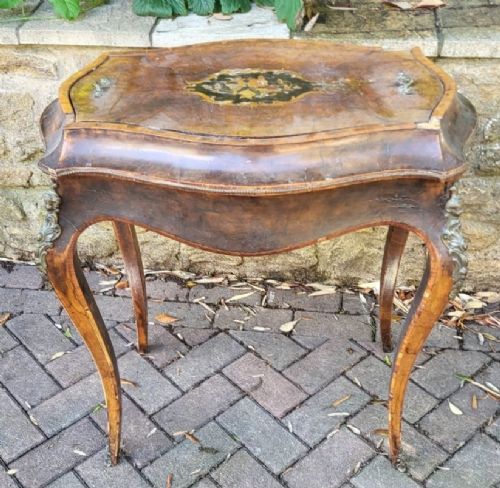
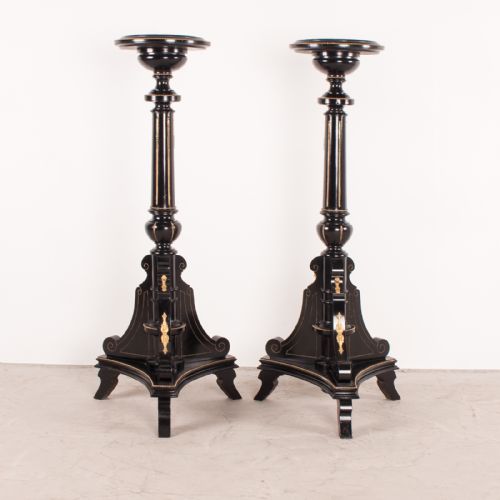

French Plant Stand
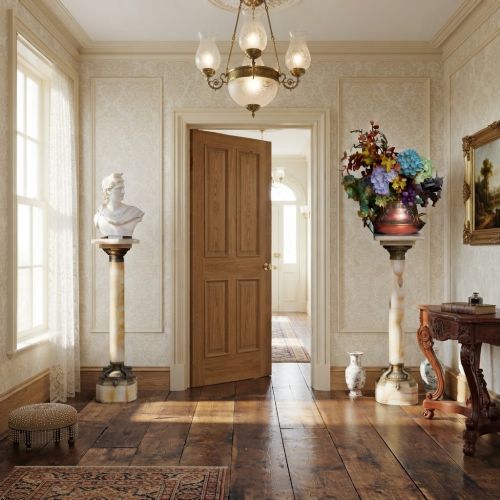
These French plant stand pieces bring architectural elegance and botanical display together through classical design and refined metalwork.
Identifying the French plant stand
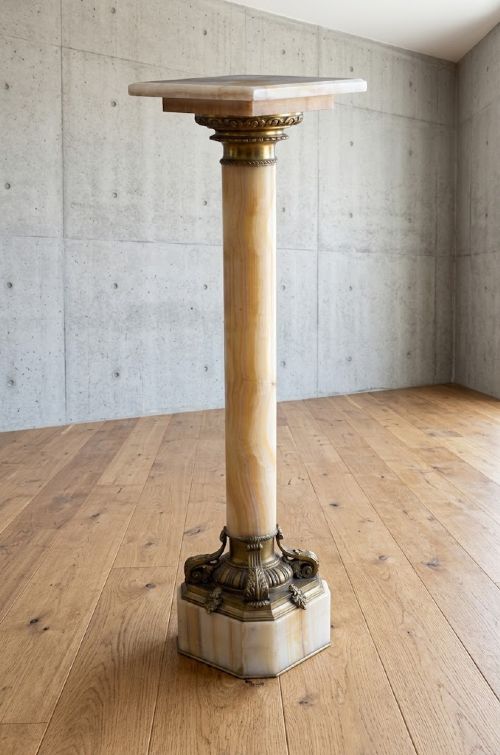
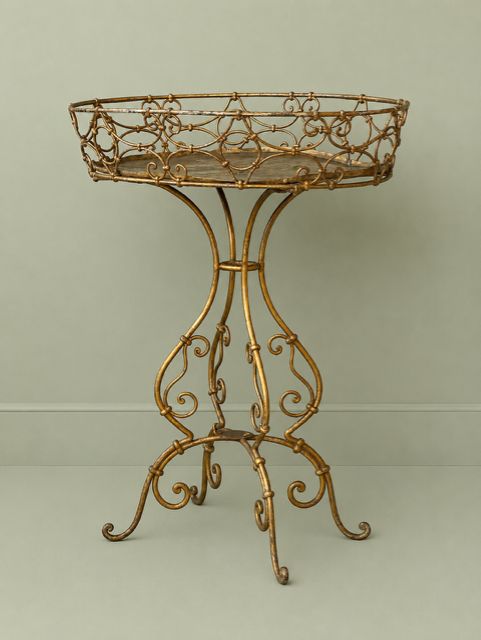
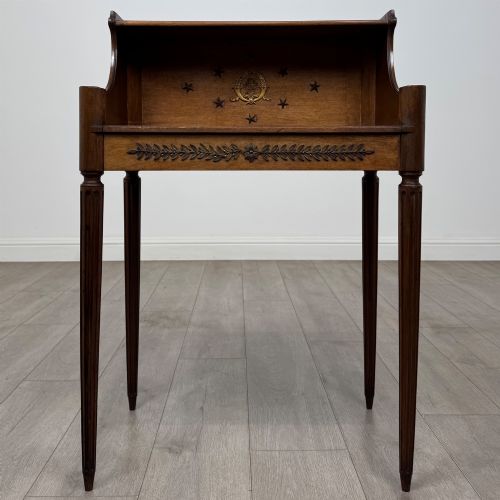
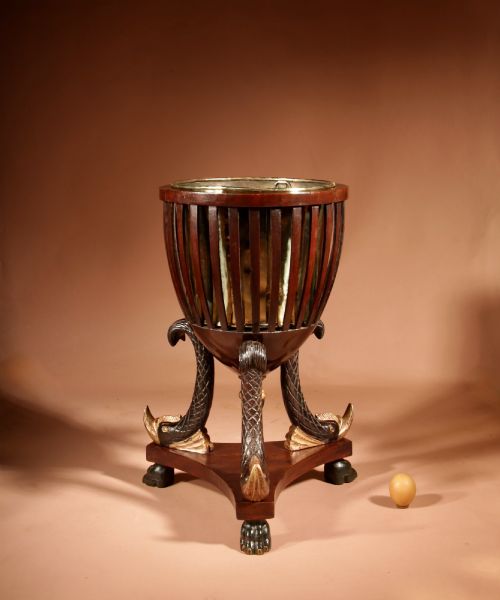
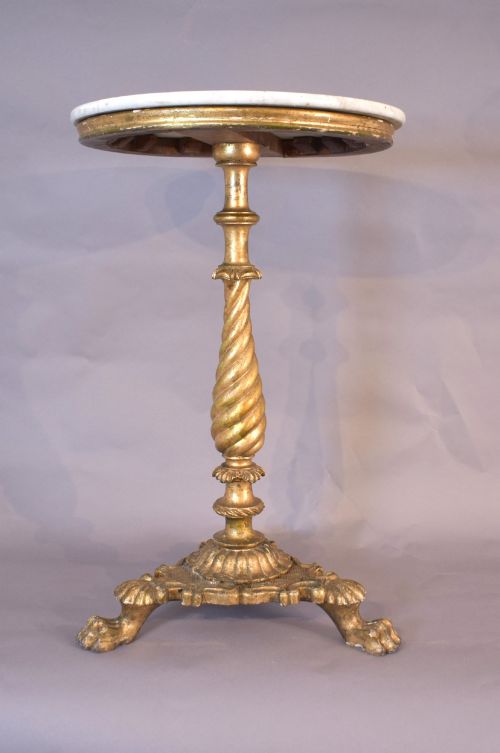
A french plant stand serves as a decorative pillar or table designed to elevate botanical specimens and jardinieres within a formal interior. These pieces frequently double as side tables, occasional tables, or torchieres, shifting function depending on the specific top construction.
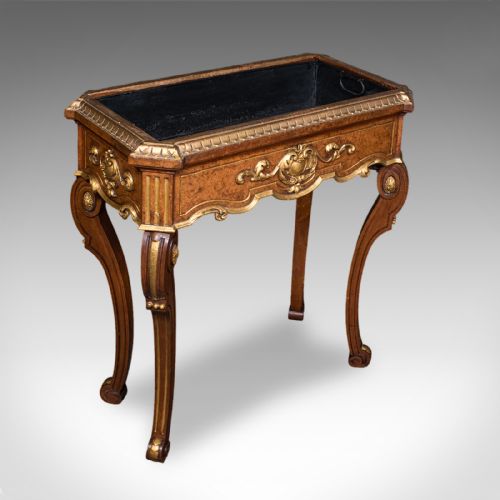
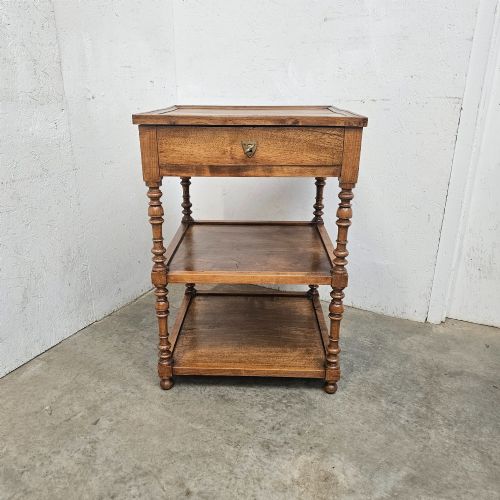
The objects on this page bridge several classic aesthetic movements, spanning the ornate curves of Louis XV design through to the geometric lines of Art Deco. Makers deployed specific forms such as column pedestals, three-tier etageres, and marble-topped occasional tables to support heavy ceramic or metal planters.
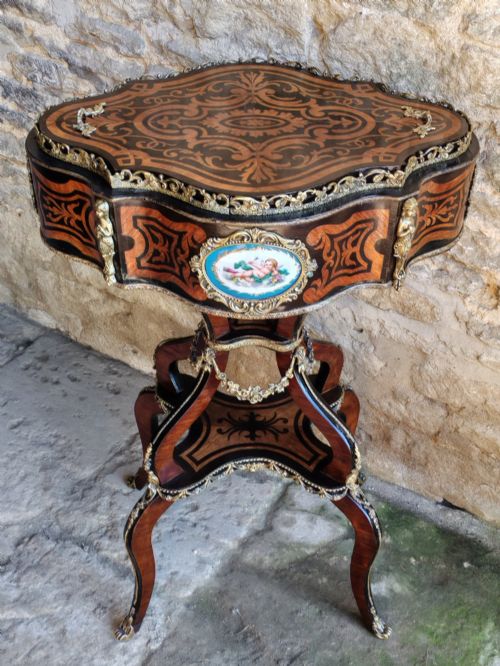
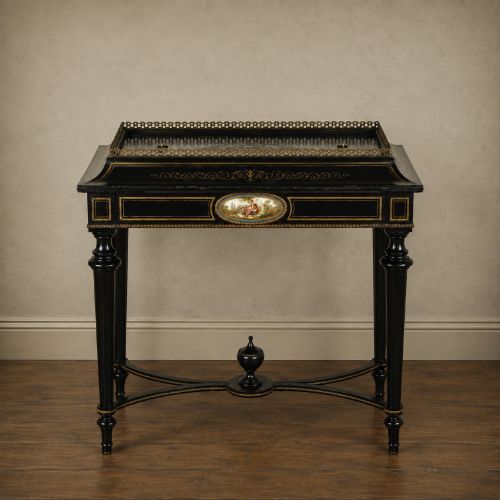
Originating predominantly from nineteenth-century ateliers, these items showcase the enduring French preference for combining organic plant life with disciplined cabinetmaking. Buyers encounter everything from gilt-mounted mahogany columns to ebonised wood stands inlaid with intricate marquetry and parquetry.
Materials and construction
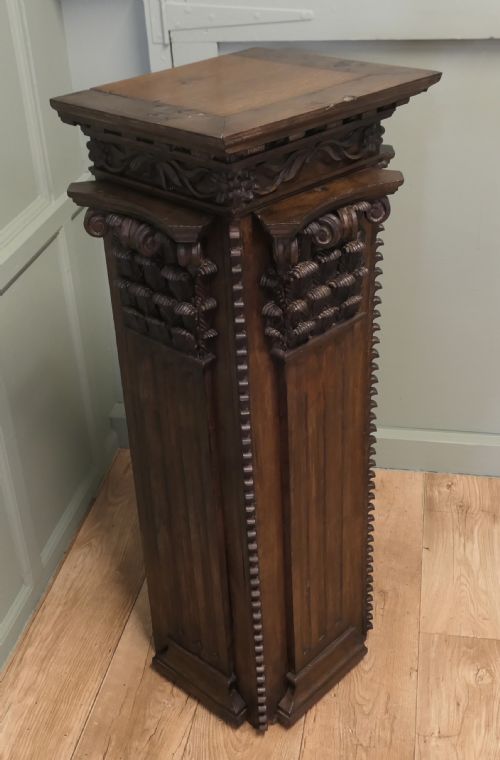
Cabinetmakers utilised dense timbers like mahogany, walnut, and amboyna as the primary structural foundation for these stands, often applying decorative veneers and detailed marquetry inlay. Ebonised finishes provided a dramatic dark surface that made gilt mounts and brass galleries stand out visually.
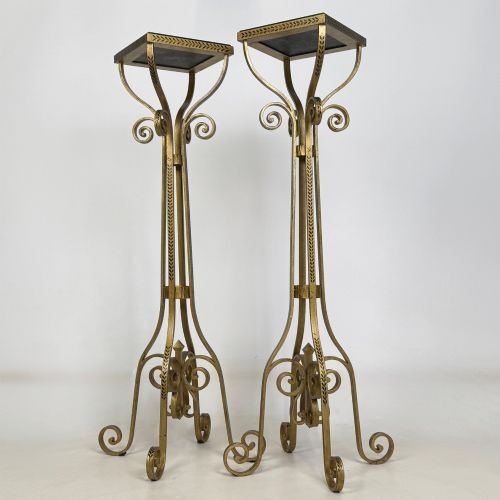
Metalwork played a defining structural and decorative role, incorporating cast ormolu, brass, wrought iron, and painted iron. Artisans secured polished marble slabs and onyx tops into recessed wooden or metal frames to provide a durable, water-resistant surface for potted plants.
Retail Price Guide 2026
Typical UK retail prices for french plant stand, calculated from the Sellingantiques database of over a million retail prices indexed since 2003. This retail price guide relies exclusively on Sellingantiques data; no external sources or auction records are used, so the figures do not describe the wider market.
Some nineteenth-century makers hid heavy iron frames beneath delicate wood veneers just to give plants a sturdy place to sit.
Assessing quality and execution
The distinction between standard production and exceptional craftsmanship rests upon the depth of hand-carving and the precision of the parquetry veneer. Finer examples integrate fire-gilded ormolu mounts that fit seamlessly against the timber contours rather than relying on simpler cast brass elements.
Structural integrity in the joints and the genuine weight of the marble or onyx top separate superior pieces from lighter, purely decorative alternatives. The complexity of the inlay work, particularly intricate floral marquetry or amboyna panels, signals the workshop's commitment to high design.
The French Plant Stand Glossary
- Jardiniere
- A decorative container or stand specifically made to hold a plant or floral arrangement. These pieces often feature metal liners to protect the surrounding woodwork from moisture.
- Ormolu
- Gilt bronze ornamentation applied to furniture and decorative objects through a mercury-gilding process or modern electroplating. The technique produces a rich, golden metallic finish characteristic of fine French styling.
- Marquetry
- The art of applying small pieces of veneer to a structure to form decorative patterns and pictorial designs. Artisans cut various exotic woods to create contrasting surface imagery.
- Torchere
- A tall ornamental stand or candlestick originally designed to support a torch or light fixture. In later furniture production, these slender columns adapted well to holding tall plant pots.
- Parquetry
- A geometric mosaic of wood veneer used for surfacing floors and furniture tops. This technique creates repeating patterns like squares, triangles, and lozenges.
Frequently Asked Questions
What is a french plant stand?
A french plant stand is a decorative piece of nineteenth or early twentieth-century furniture designed to display botanical arrangements at height. They combine structural woodwork with durable surfaces like marble to support heavy pots safely.
These items range from slender columns to multi-tiered etageres, allowing interior spaces to integrate natural greenery into formal design schemes. Their historical function combined practical plant care with ornamental display.
How do I style a plant stand?
Position your stand in a brightly lit corner where its silhouette can be appreciated from multiple angles. Pair the piece with trailing foliage or structural ferns to complement the classical proportions of the timber or metalwork.
Ensure the weight of your plant matches the structural capacity of the top, particularly with marble or onyx surfaces. Keep the surrounding area uncluttered to let the craftsmanship of the base remain visible.
How do I identify Louis XV style?
Louis XV style pieces are defined by sweeping asymmetrical curves, naturalistic floral motifs, and cabriole legs. This aesthetic avoids straight lines in favour of flowing, organic shapes that mirror movement.
Look for subtle serpentine forms and delicate ormolu mounts that trace the contours of the wood. The overall effect prioritizes grace and comfort over rigid symmetry.
What maintenance do these stands need?
Protect wooden surfaces by using waterproof saucers underneath plants to prevent moisture rings and water damage. Dust the timber and ormolu mounts regularly with a soft, dry cloth to preserve the finish.
Treat the wood with appropriate furniture wax periodically to maintain the nourishment of the grain. Avoid placing stands in direct sunlight to prevent the veneers from fading.