

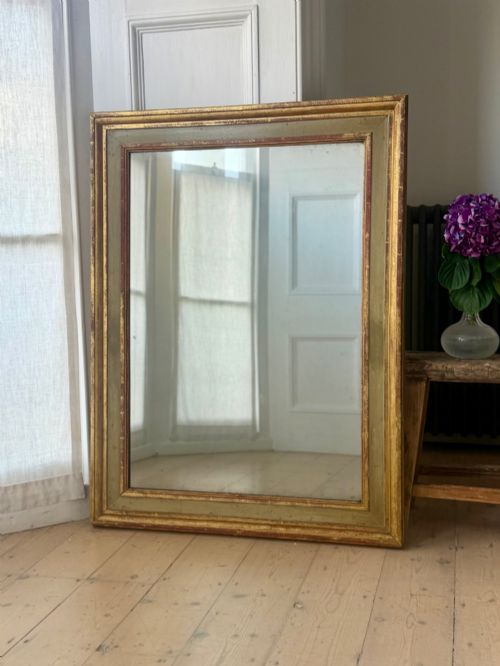
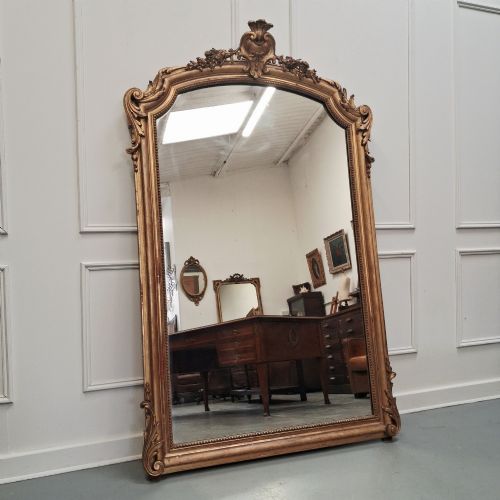
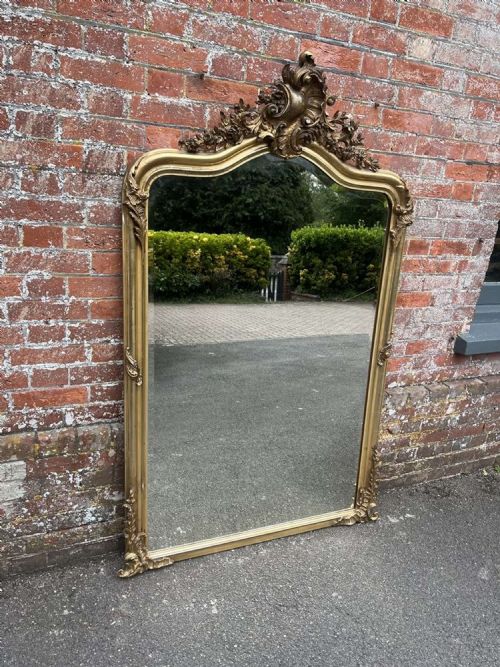
French Pier Wall Mirror
A french pier wall mirror commands height and light, designed specifically to hang in the narrow wall space between tall windows.
French Pier Wall Mirror
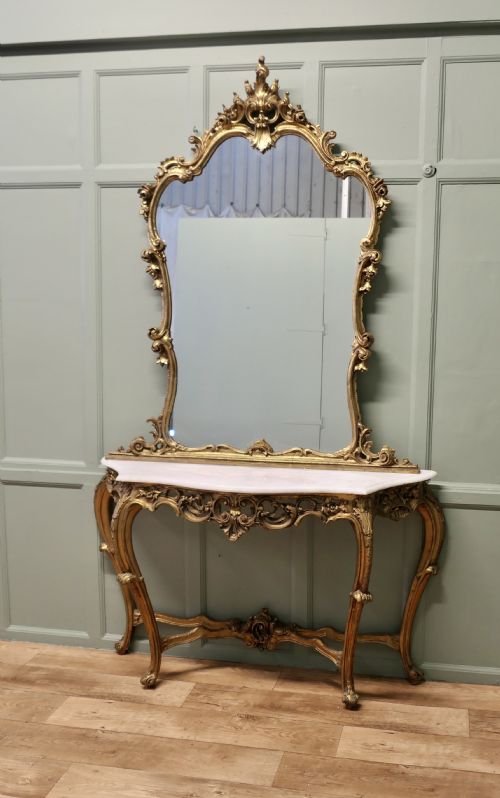
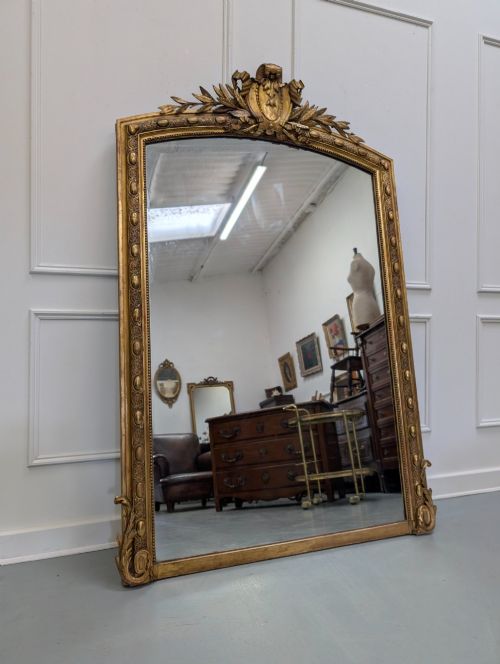
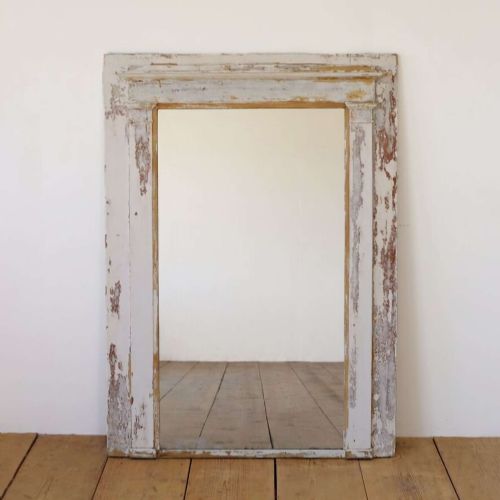
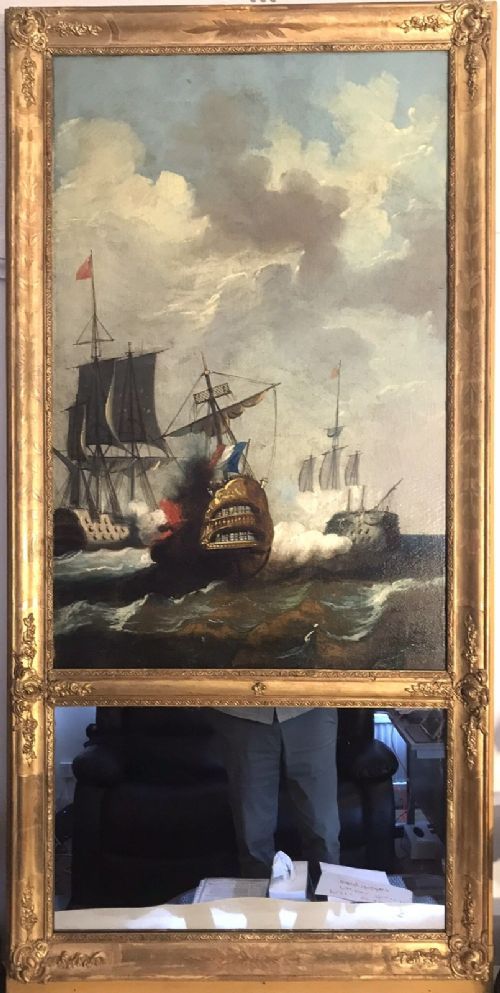
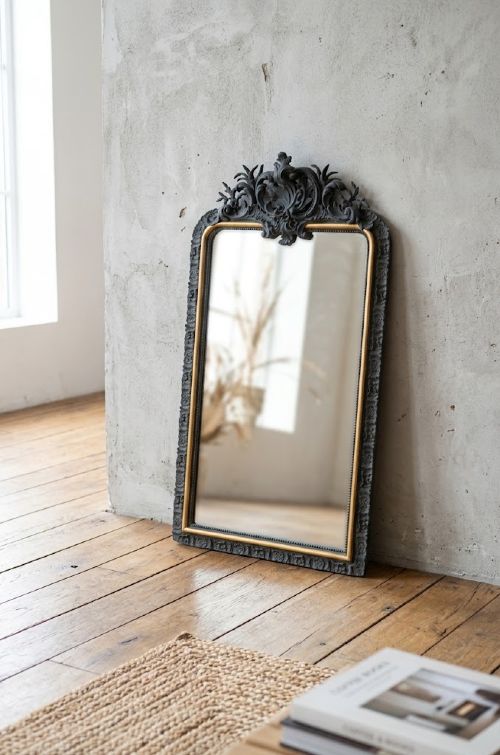
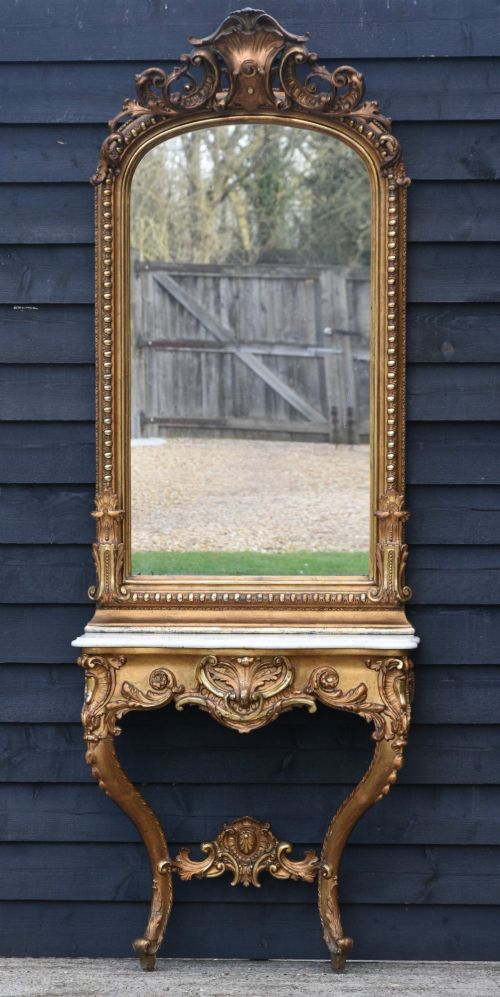
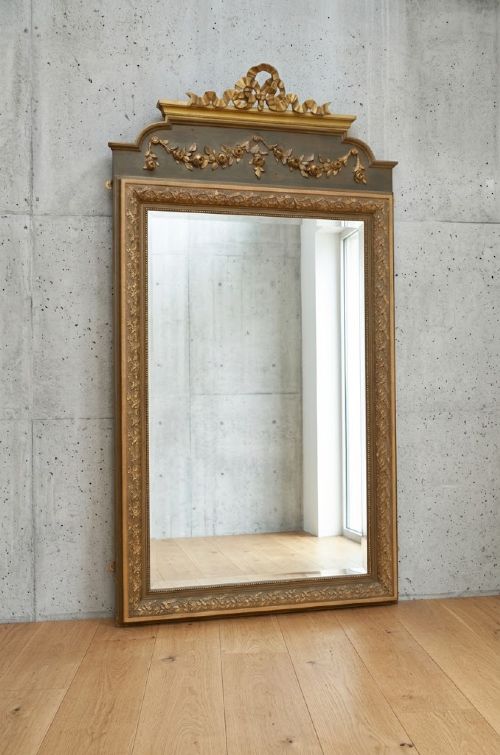
A french pier wall mirror occupies a vertical format designed to fill the narrow wall space between windows, often reflecting natural light deeper into a room. These tall glasses frequently appear alongside matching console tables or incorporate painted trumeau panels above the main plate.
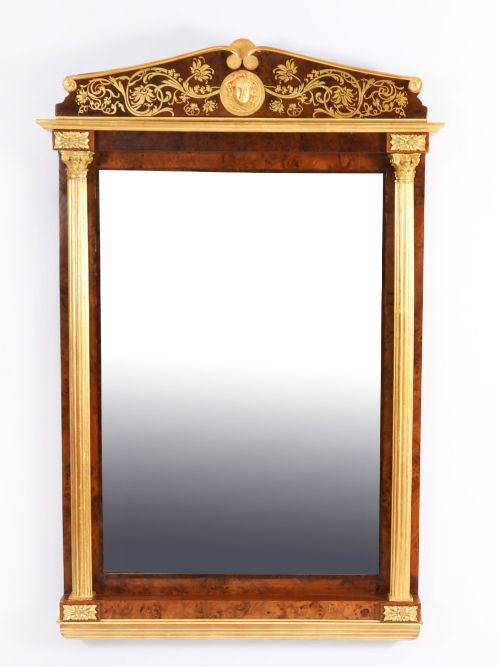
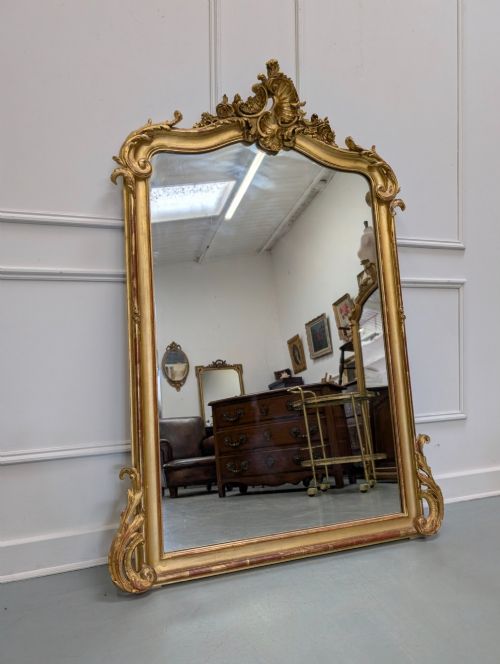
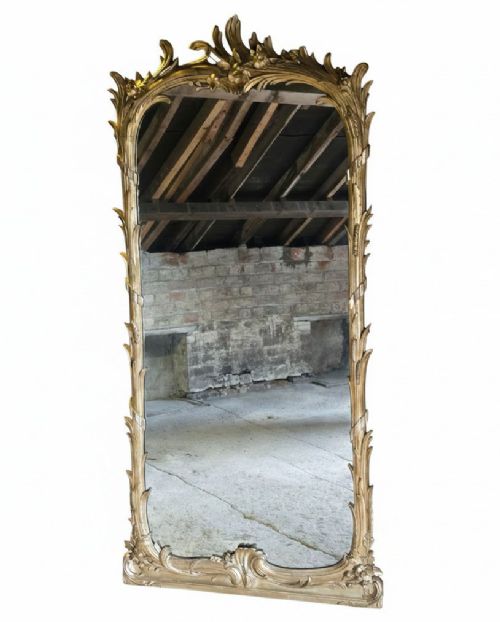
The selections span from the restrained symmetry of the 18th century to the exuberant curves of Rococo Revival and the architectural grandeur of the 19th century. Tall vertical proportions dominate the forms, frequently reaching well over one and a half metres in height.
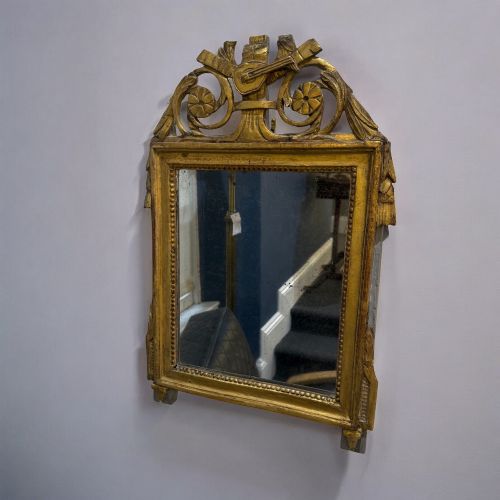
Origins trace primarily to French ateliers, encompassing regional country styles alongside elaborate giltwood statement pieces intended for formal salons. Collectors encounter both grand architectural wall mirrors and intimate marriage mirrors carrying traditional decorative motifs.
Materials and construction methods
Carved wooden frames form the structural backbone, utilising pine, walnut or other timbers built to support considerable height and weight. Skilled artisans applied layers of gesso onto the timber base to create a smooth, responsive ground for subsequent decoration.
Gilding techniques involved laying thin sheets of gold leaf over the prepared gesso surface, sometimes burnished to a high shine or contrasted with painted sections. Original mirror plates commonly consist of heavy mercury glass, displaying distinct foxing and uneven reflectivity developed over centuries of age.
Distinctions in craftsmanship and condition
The depth and crispness of hand-carved ornamentation separate superior frames from simpler moulded examples, particularly in the rendering of botanical motifs, scrolls and crests. Original gilding retaining its subtle tonal variations indicates superior preservation compared to later overpainting.
The integrity of the original glass plate heavily influences overall character, with authentic mercury glass exhibiting characteristic dark spots and soft reflections. Structural soundness of the tall wooden backing and the retention of original pinned framing joints complete the assessment of quality.
The French Pier Wall Mirror Glossary
- Trumeau
- A decorative architectural wall panel that incorporates an oil painting, print or carved panel directly above the mirror glass. These integrated pieces were designed to match interior wall panelling in grand rooms.
- Gesso
- A plaster-like mixture applied to wooden frames to provide a smooth base for gilding or painting. Artisans built up this compound to carve intricate relief details before applying gold leaf.
- Mercury glass
- An early form of double-walled blown glass silvered with a mercury amalgam between the layers. This historic technique produces a distinctive speckled reflection known as foxing.
- Giltwood
- Timber carved and subsequently covered with thin gold leaf. This finish provided opulent reflectivity that caught candle and daylight in period interiors.
- Pier glass
- A large mirror specifically manufactured to hang on the narrow pier of wall between two windows. Their generous height maximises the available ambient light in reception rooms.
French Pier Wall Mirror: Frequently Asked Questions
Where should I hang a french pier wall mirror?
Traditionally, these tall glasses belong on the narrow expanse of wall situated directly between two large windows. Placing them here captures natural light and bounces it back into the centre of the room.
Alternatively, they function effectively above low console tables or sideboards in entrance halls and reception rooms. Their vertical emphasis naturally draws the eye upward, enhancing the perceived height of the ceiling.
How do I identify original mercury glass?
Original mercury glass reveals itself through a softer, deeper reflection rather than the sharp, uniform mirror finish of modern float glass. Close inspection often uncovers cloudy patches, tiny bubbles and dark foxing spots trapped behind the glass.
These natural signs of ageing develop as the backing materials slowly degrade over centuries. The glass typically sits heavy within the frame, secured by old wooden battening rather than modern metal clips.
What is the difference between a trumeau and a standard mirror?
A trumeau incorporates a dedicated painted canvas, panel or carved artwork positioned directly above the mirror glass within a unified frame. These painted sections frequently depict pastoral landscapes, floral arrangements or classical scenes.
Standard mirrors focus entirely on the reflective glass plate and its surrounding carved or gilded border without the upper decorative panel. Both styles share the same tall, narrow proportions suited for architectural placement.
How do I care for antique giltwood frames?
Preserving giltwood requires gentle dusting with a soft, dry brush to prevent abrasive particles from scratching the delicate gold leaf. Moisture and chemical cleaners must be avoided entirely, as they dissolve historical gesso and water-gilded surfaces.
Maintaining a stable room temperature away from direct sunlight and damp environments prevents the underlying timber from warping and the gesso from cracking.