
Gesso Frame Wall Mirror
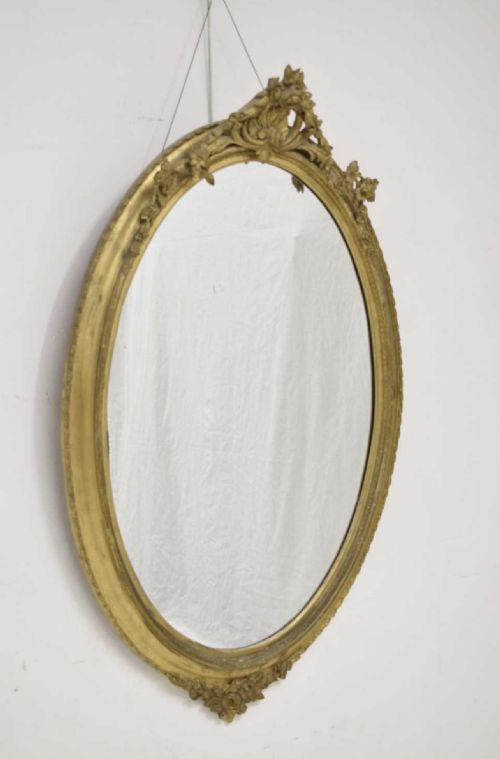
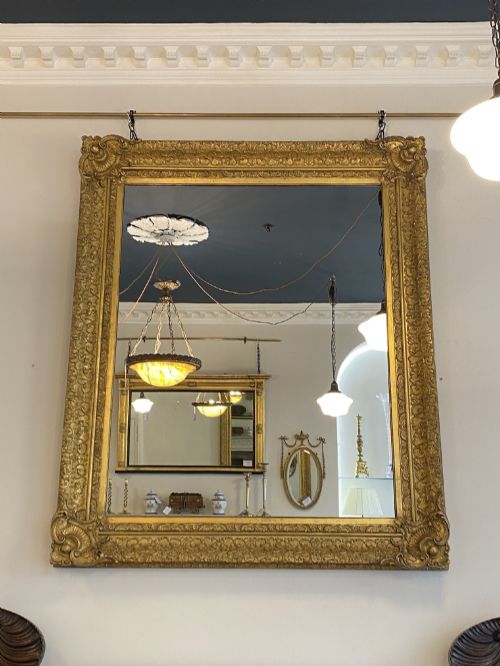
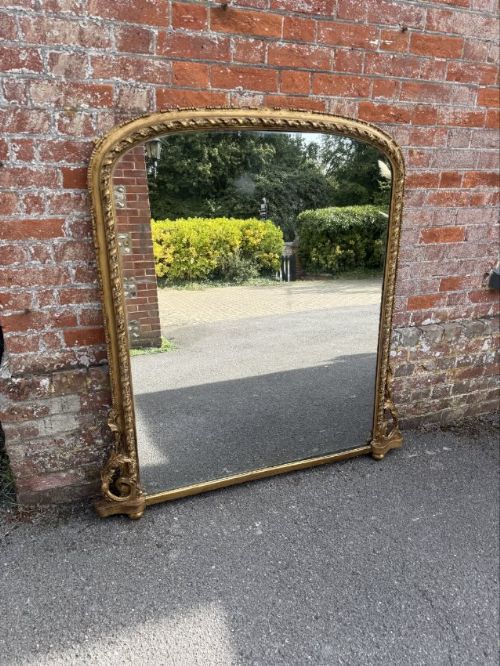
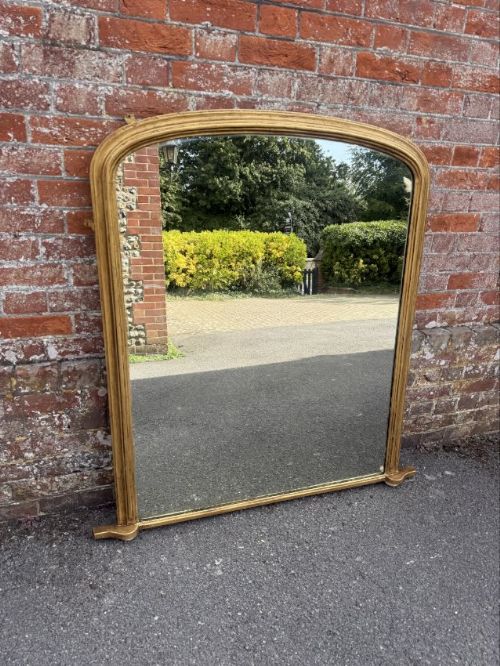
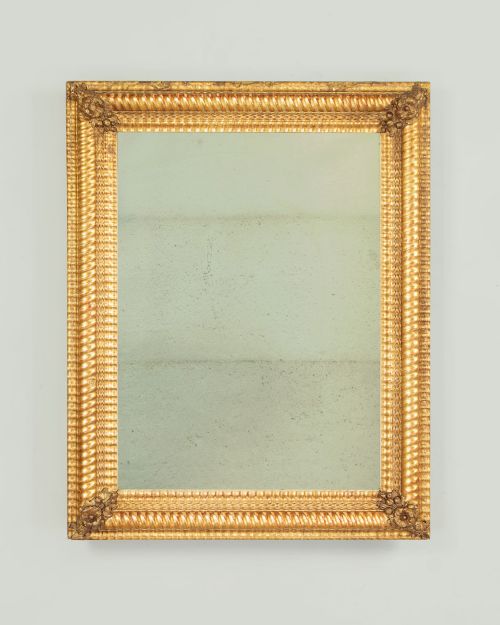
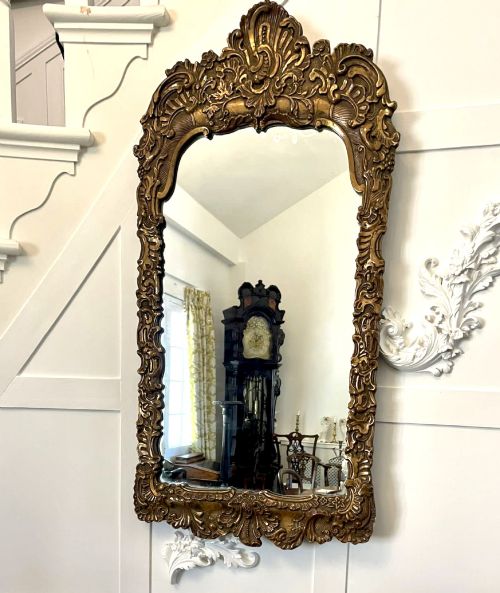
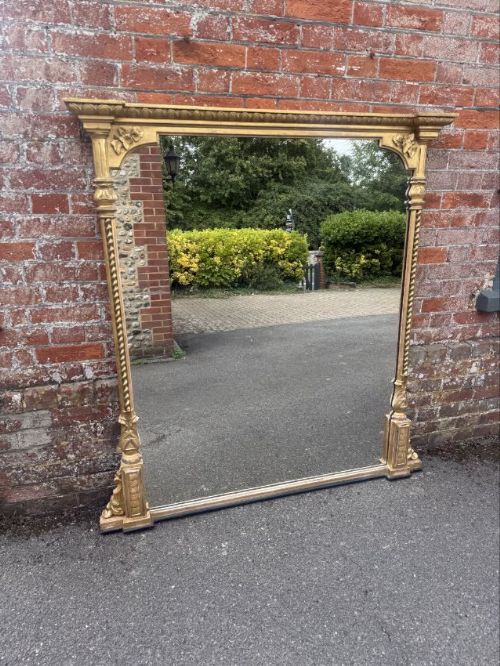
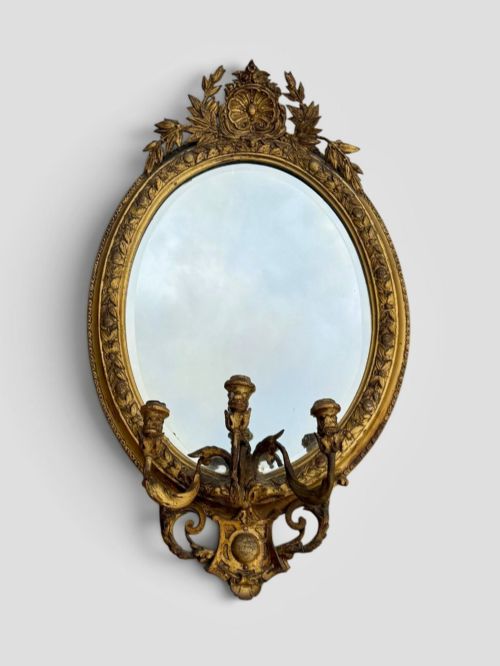
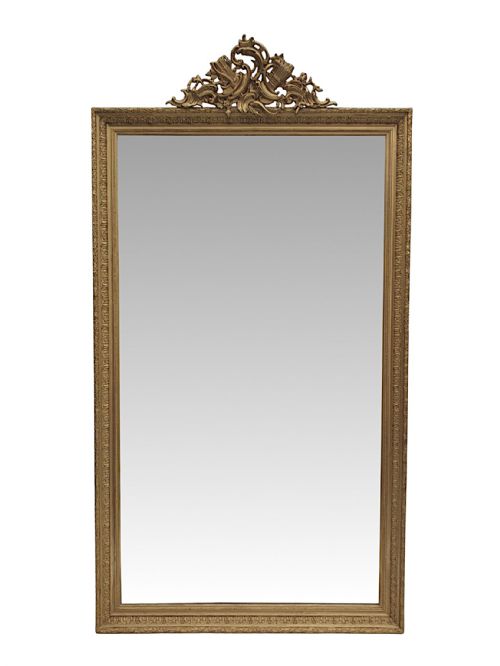
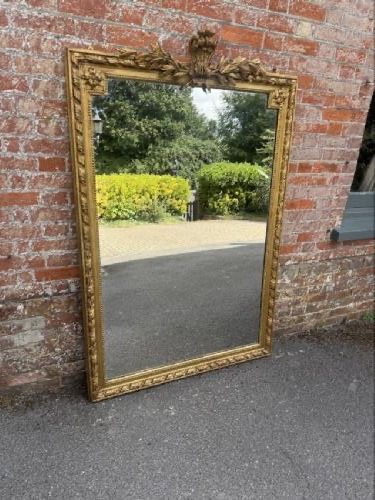
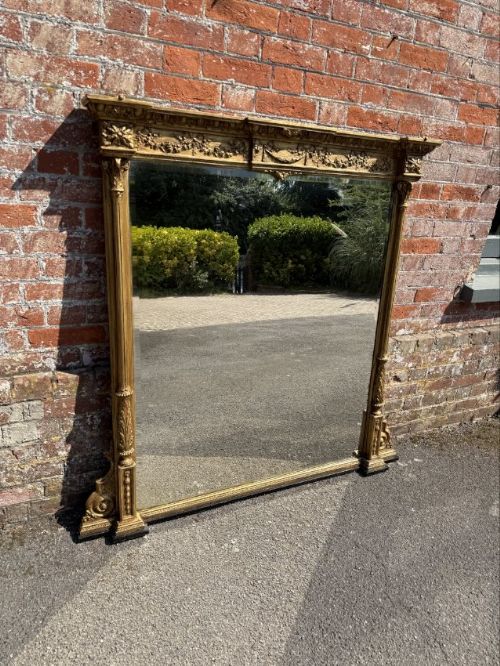
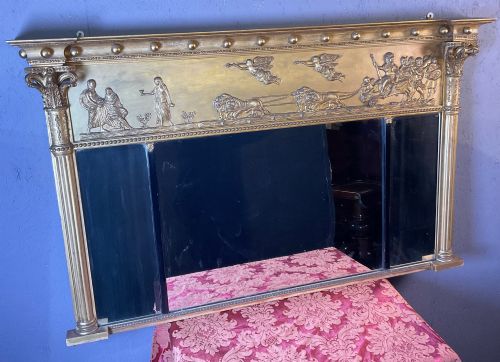
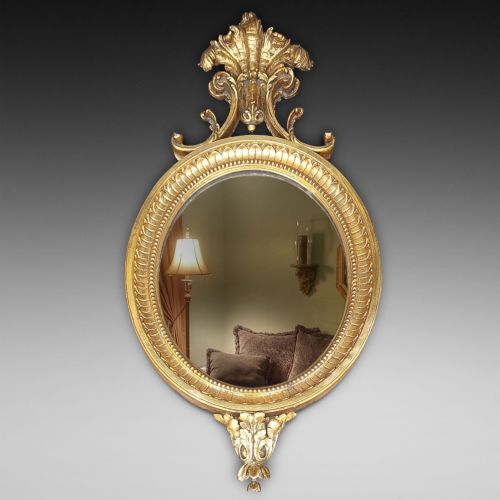
When you search for a gesso frame wall mirror, you are looking at substantial carved wooden looking glasses finished in plaster and gold leaf from the eighteenth, nineteenth and early twentieth centuries.
Gesso Frame Wall Mirror
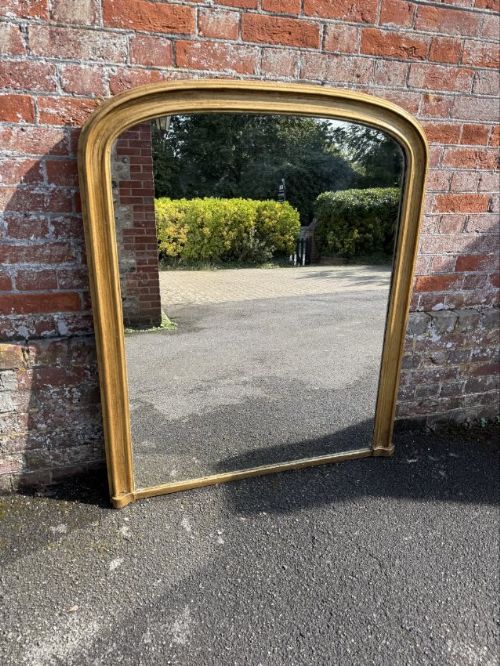
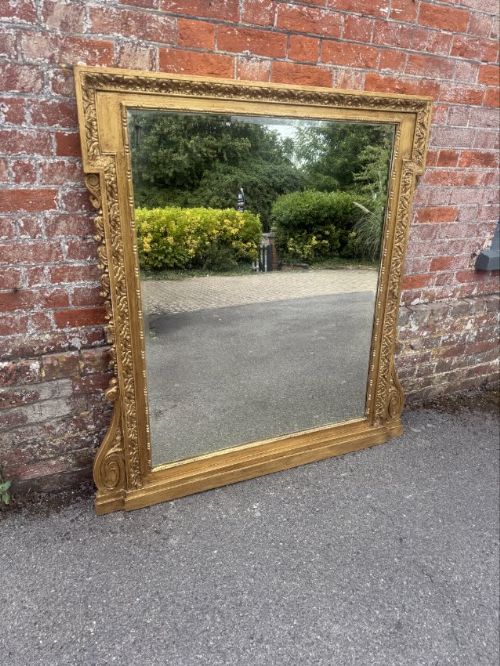
A gesso frame wall mirror combines a carved wooden structure with a plaster-like coating that holds crisp ornamental detail. These pieces appear principally as large overmantle mirrors designed for placement above a fireplace, alongside vertical pier mirrors and smaller oval or rectangular wall hanging formats.
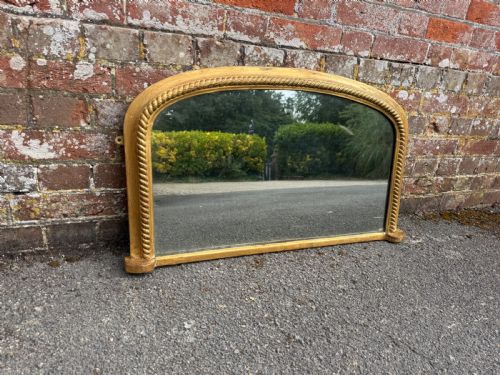
The selections span English and French workshops from the Victorian era back to the Regency and eighteenth-century periods, with revival designs echoing earlier Rococo and George I aesthetics. The most frequent versions met on this page are nineteenth-century English and French overmantle mirrors featuring arched or shaped tops and gilt finishes.
Materials and Construction
The foundation of these objects relies on carved wood, typically pine or oak, which receives multiple brushed or applied layers of gesso. This mixture of chalk, gypsum and size provides a smooth, dense surface capable of taking deep relief mouldings and sharp decorative incisions before gilding.
Makers applied thin sheets of gold leaf or metal leaf over the prepared gesso base, often burnishing the high points to create a bright metallic sheen. Mirror glass plates within these frames range from original mercury silvered plates to later replacements, secured behind wooden backs.
Listings feature eighteenth, nineteenth and early twentieth century periods, using gesso, glass, giltwood, gold leaf and carved wood materials.
Assessing Quality and Execution
The distinction between standard and superior examples lies in the depth and sharpness of the hand-carved wooden elements beneath the gesso layer. Finer pieces retain crisp relief work on motifs such as rope twists, ribbed columns and elaborate scrollwork without softening from excessive layers of later paint or careless restoration.
The integrity of the gilt surface and the preservation of the underlying gesso dictate visual success. Superior items display harmonious wear across the gold leaf and balanced proportions in their heavy architectural or ornate frames.
John Belchier
The Gesso Frame Wall Mirror Glossary
- Gesso
- A plaster mixture composed of a binder mixed with chalk, gypsum or pigment. It is applied to carved wood to create a smooth surface for gilding.
- Giltwood
- Timber that has been decorated with gold leaf or gold paint. This technique gives frames a luminous, reflective metallic appearance.
- Overmantle Mirror
- A large mirror specifically proportioned to hang on the wall directly above a fireplace mantelpiece. They often feature arched or shaped tops to fit architectural spaces.
- Pier Mirror
- A tall, narrow mirror designed to hang on the wall space between two windows. These pieces frequently match console tables placed below them.
- Girandole
- A decorative wall mirror featuring attached candle sconces or arms. The candleholders reflect additional light into the room.
- Mercury Plate
- An older type of mirror glass made using a tin and mercury amalgam. It produces a characteristic mottled, dark reflection.
Gesso Frame Wall Mirror: Frequently Asked Questions
How do I date a gesso mirror?
Dating relies on examining the construction methods of the underlying wood frame, the style of the carved ornamentation, and the characteristics of the mirror plate itself. Eighteenth-century examples often feature heavier pine foundations with hand-carved detailing, while Victorian pieces adopt machine-assisted joinery alongside revival motifs.
Changes in rebate construction, backboards and framing fixings also help establish age. Original mercury plates point towards earlier production periods, though glass replacements remain common in antique looking glasses.
Where should I hang an overmantle mirror?
An overmantle mirror traditionally hangs centrally above a fireplace mantelpiece, resting securely against the wall or anchored with sturdy brackets. Because these frames possess significant weight due to the wood and gesso construction, they require professional wall fixings tied directly into structural studs or masonry.
Beyond the fireplace, these large formats function effectively on main living room walls to bounce natural light around the space. Their proportions make them suitable as focal points in hallways and dining rooms.
How do I clean a gilt gesso frame?
Cleaning requires a soft, dry ostrich feather duster or a very gentle makeup brush to remove surface dust from intricate carved crevices. Moisture and modern chemical cleaning agents must be kept away from the surface to prevent damage to the delicate gesso and gold leaf layers.
Professional conservators should handle any deeper cleaning or repair work involving flaking plaster. Rubbing the gilt surface too hard will strip away the metallic leaf and expose the white gesso underneath.
What is the difference between gesso and giltwood?
Gesso is the underlying plaster preparation material applied to a wooden frame to create a smooth base for decoration, whereas giltwood refers to the actual gold leaf applied over that base. Many antique frames combine both materials, using wood as the core, gesso for the relief details, and gold leaf for the outer finish.
Some simpler pieces feature painted gesso without the application of gold leaf. Understanding this composition helps identify how the frame was constructed in the workshop.