
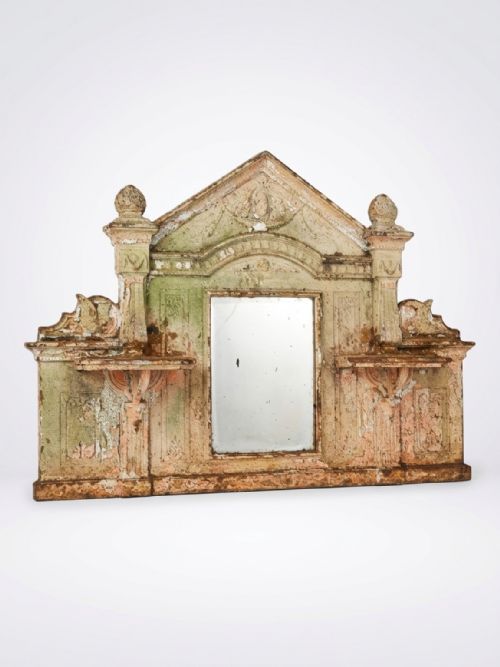
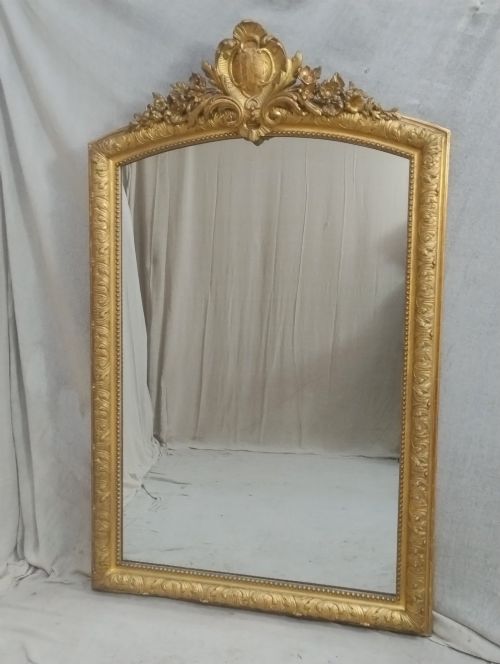
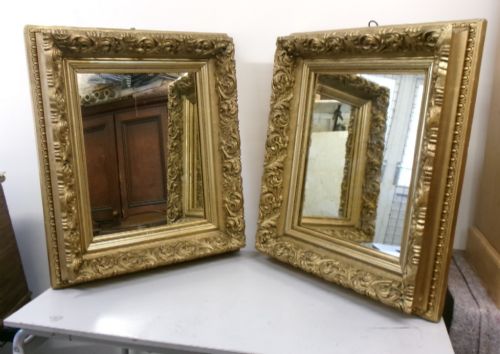


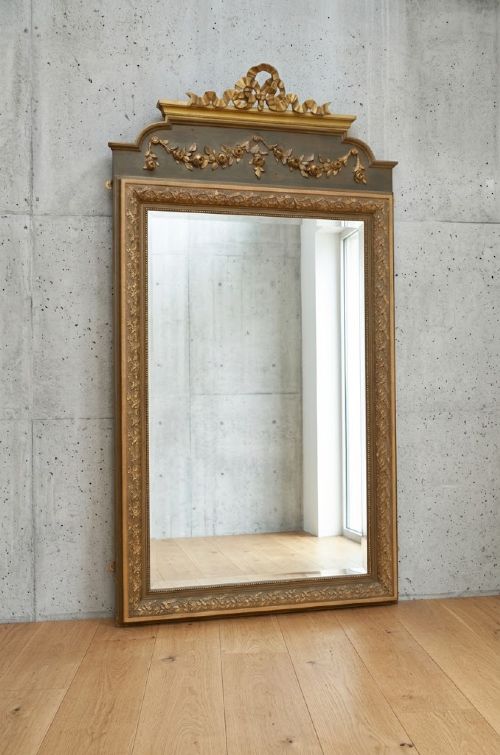
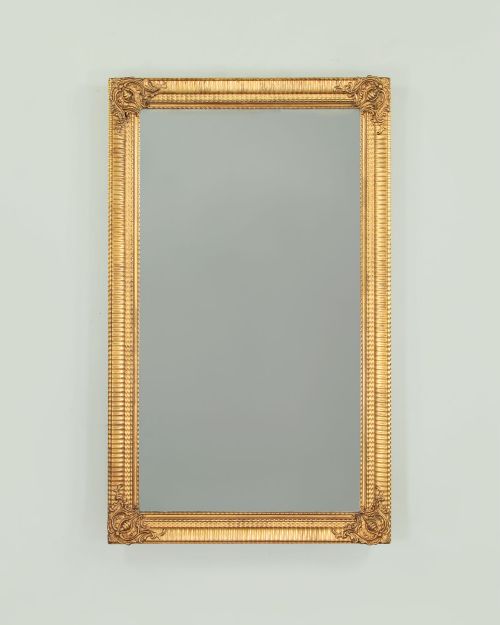
French Overmantel Wall Mirror
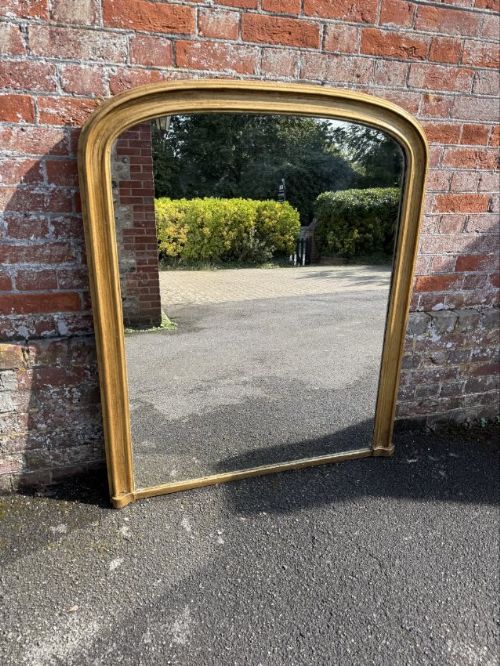
A french overmantel wall mirror brings scale and reflection to a room, designed historically to sit above a mantelpiece.
French Overmantel Wall Mirror
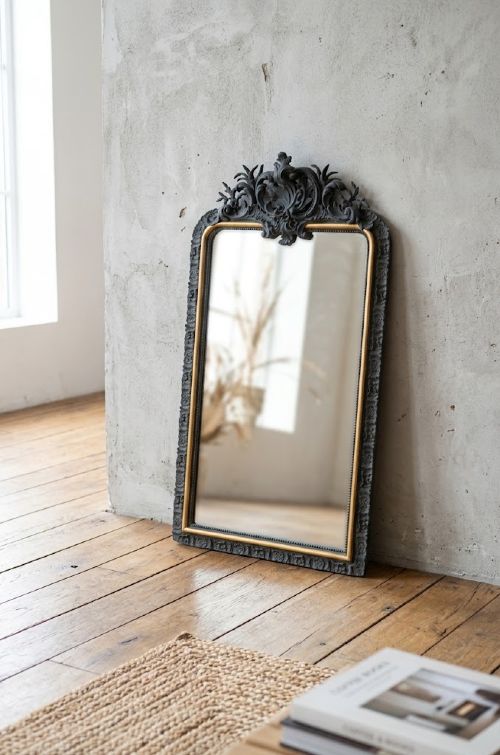
A french overmantel wall mirror is a grand architectural furnishing designed to mount directly above a fireplace or function as a tall leaner mirror.
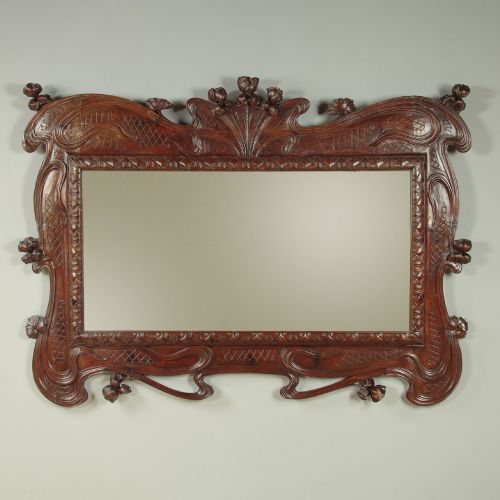
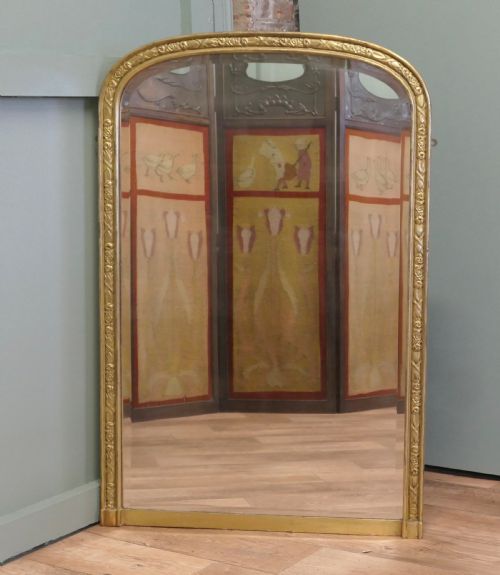
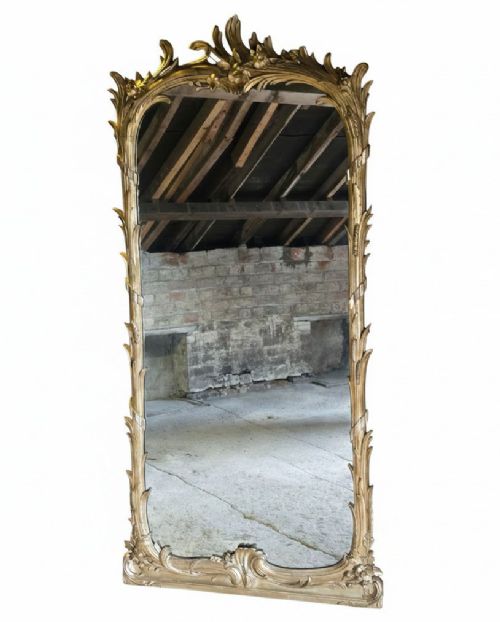
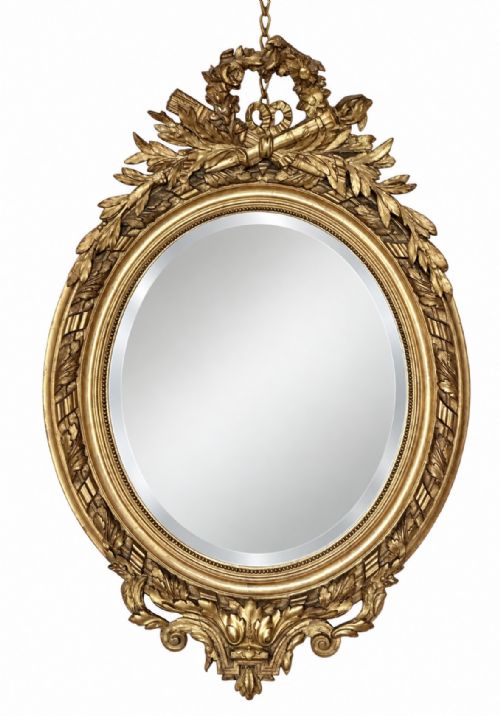
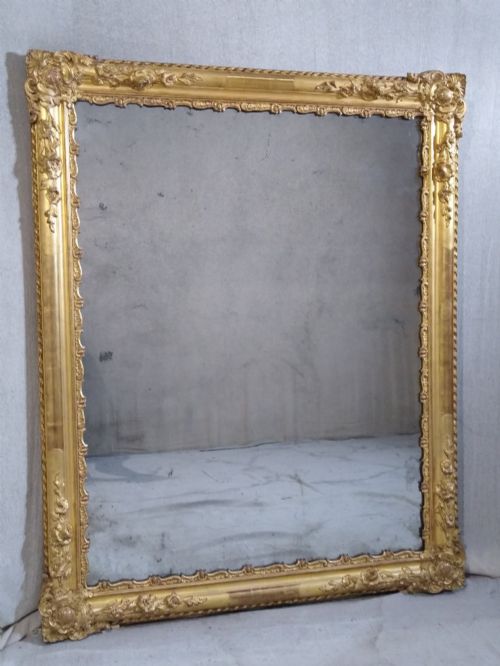
The pieces appearing on this page span the eighteenth, nineteenth, and early twentieth centuries, encompassing styles such as Louis Philippe, Rococo Revival, Napoleon III, and Second Empire.
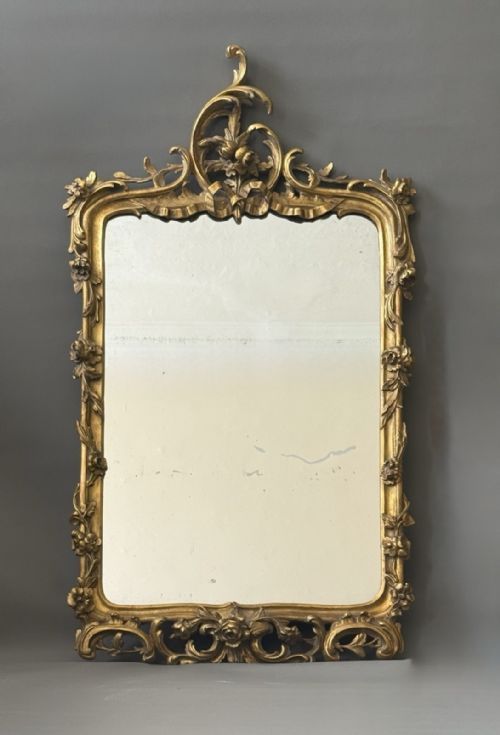
Buyers will encounter substantial giltwood frames, shaped arched tops, and classical crests originating from French workshops and country houses.
How they were made
Carved wooden frames provide the structural foundation, frequently built from oak or softwoods before receiving layers of gesso to build up decorative relief details.
Gilding techniques applied gold leaf or composition to the prepared surfaces, creating the luminous metallic finishes characteristic of period frames.
Original mirror plates, including silvered and mercury glass variants, were set within the rebates, occasionally showing age through natural foxing.
What varies in quality
The depth and crispness of the hand-carved wood and gesso ornamentation separate standard decorative frames from exceptional sculptural examples.
The integrity of the original gilding and the preservation of antique glass plates heavily influence the overall character of the piece.
Proportion and scale dictate the visual weight of the mirror, with taller formats and balanced symmetrical crests commanding greater presence.
The French Overmantel Wall Mirror Glossary
- Gesso
- A plaster-like mixture applied to wood frames to create a smooth surface for subsequent gilding or painting. It accepts deep incisions and intricate mouldings.
- Giltwood
- Timber coated with gold leaf or metallic powder. It reflects candlelight and daylight within a period interior.
- Trumeau
- A decorative wall mirror combined with a painted panel or carved artwork above the glass plate. These often integrate into wall panelling.
- Foxing
- Age-related spotting and discoloration within the silver backing of antique mirror glass. This chemical change creates distinctive dark patches.
- Mercury glass
- Mirror plates produced using a tin-amalgam backing technique common before nineteenth-century silvering processes. It yields a softer, warmer reflection.
French Overmantel Wall Mirror: Frequently Asked Questions
Where should I hang a french overmantel mirror?
These mirrors were traditionally installed directly above a fireplace mantelpiece to bounce light around a formal reception room. Today, they function equally well mounted on a principal living room wall or placed directly on the floor as a leaner mirror.
Ensure the wall construction and fixings can support the substantial weight of carved wood and glass before hanging.
How do I identify a Louis Philippe mirror?
Louis Philippe mirrors typically feature a characteristic rounded upper corners design combined with a clean, understated wooden frame. They often include subtle incised motifs rather than heavy carving.
This restrained elegance makes them versatile additions to both traditional and contemporary interiors.
What is foxed glass?
Foxed glass refers to the natural ageing of the reflective coating behind the mirror plate, resulting in cloudy patches and dark spots. This oxidation process occurs over decades as air reacts with the backing.
Collectors prize genuine foxing as an indicator of considerable age and authenticity.
Are these mirrors heavy?
Period overmantel mirrors incorporate dense timbers, thick gesso layers, and heavy glass plates that require robust wall fixings. Professional installation is strongly recommended to secure the considerable weight safely.
Leaner versions still require wall anchoring to prevent accidental tipping.