


Distressed Painted Gilt Mirror
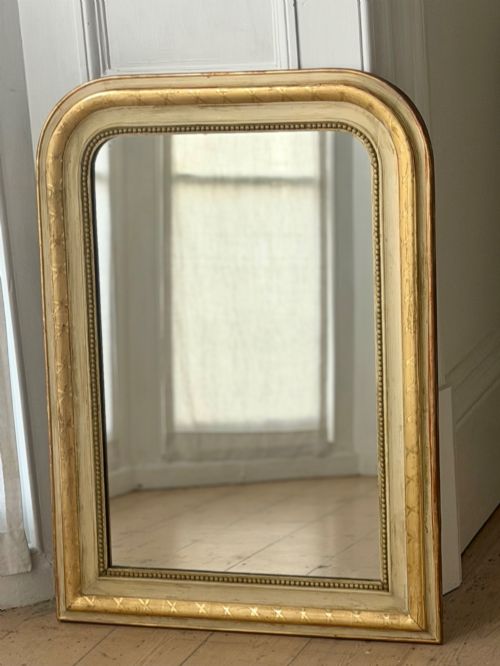
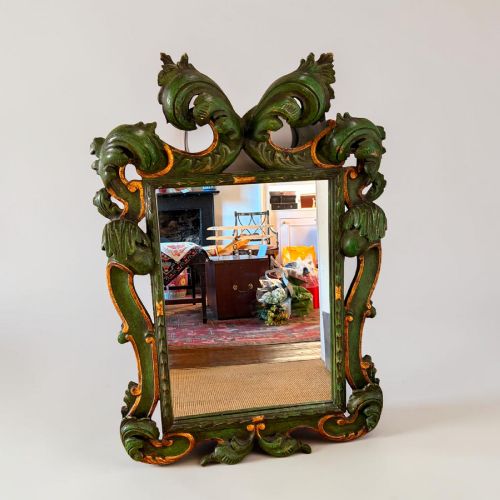
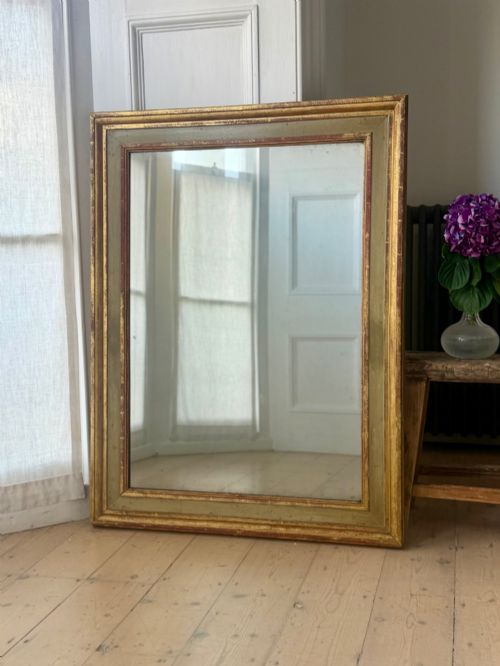
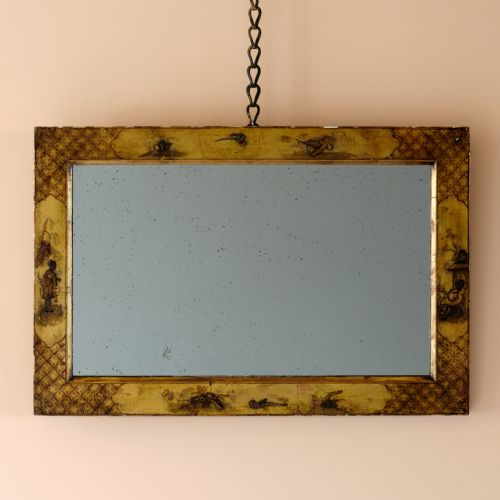
A distressed painted gilt mirror brings aged French and Italian character to a room through layers of worn gold and subtle paint.
Distressed Painted Gilt Mirror
A distressed painted gilt mirror is primarily a wall hanging or overmantel piece originating largely from nineteenth-century France and Italy, designed to reflect light while offering a heavily weathered aesthetic. These items combine the grandeur of classical frames with the softened charm of aged surfaces.
The selections encountered here span styles from the restrained curves of Louis Philippe frames to ornate Rococo revivals, trumeau panels, and cushion mirrors. Most examples combine carved wooden structures with moulded gesso, carrying decades or centuries of natural wear upon their painted and gilded coats.
What separates the finest examples
Quality rests upon the depth of hand-carved detail in the wooden substrate and the integrity of the original gesso relief work beneath the surface layers. Crisp definition in floral and scroll moulding distinguishes superior workshop production from simpler decorative output.
The character of the aged finish itself determines distinction, separating genuinely weathered patination from recent cosmetic alteration. Original mercury glass plates and undisturbed layers of historical paint and gilding elevate the standing of any piece.
One early twentieth-century survivor escaped domestic walls entirely, arriving here straight from a fairground carousel panel.
The Distressed Painted Gilt Mirror Glossary
- Gesso
- A mixture of gypsum and binder applied to wooden frames to create a smooth, buildable surface for carving and gilding. This foundational layer allows for sharp relief work and intricate corner details.
- Trumeau
- An architectural wall panel incorporating a mirror plate alongside painted or carved decoration above. These pieces traditionally hung between windows in grand European interiors.
- Louis Philippe
- A mid-nineteenth-century French style characterised by understated, elegant curves and rounded upper corners. Frames from this period favor refined proportions over heavy ornamentation.
- Cushion mirror
- A frame profile where the outer edges slope outward toward the wall like a pillow. This shape creates a distinct volumetric presence and catches ambient light from multiple angles.
- Mercury glass
- A double-walled blown glass type silvered inside with a reflective liquid mixture. It produces a soft, irregular reflection peppered with dark foxing spots.
Distressed Painted Gilt Mirror: Frequently Asked Questions
How do I hang a heavy overmantel mirror?
These substantial frames require secure fixing directly into wall studs or masonry using heavy-duty brackets suited to the weight of wood and gesso.
Professional installation ensures the hanging wire or integrated D-rings bear the load safely without straining the antique structure.
What is mercury glass?
Mercury glass is an early nineteenth-century mirror plate created by pouring a silvering solution between double walls of blown glass.
Over time, chemical changes cause dark patches and foxing to appear, creating the distinctive mottled reflection prized by collectors.
How do I clean an antique frame?
Dust the carved gesso and gilt surfaces gently with a soft, dry brush to remove particles without disturbing fragile paint layers.
Avoid commercial cleaning sprays or water, as moisture can soften ancient gesso and strip away original gold leaf or aged pigments.