


French Ormolu Credenza
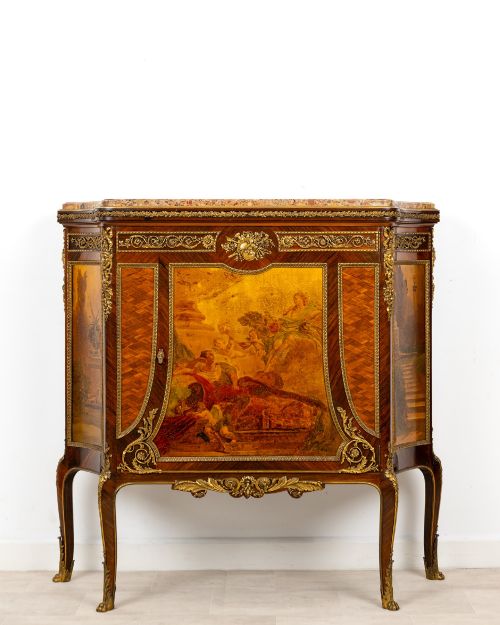
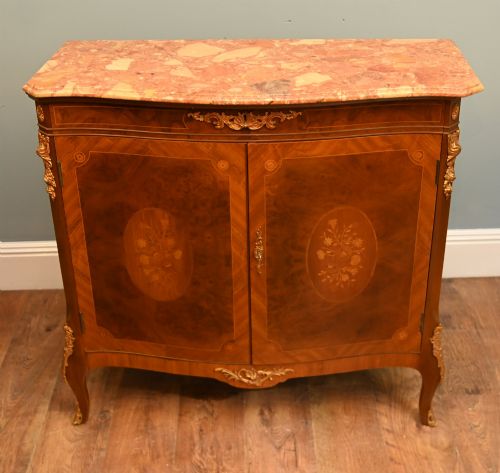
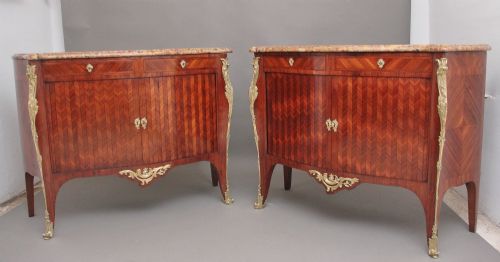
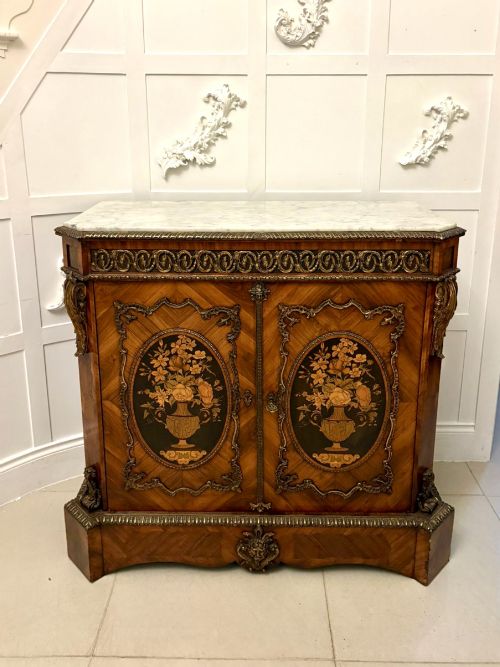
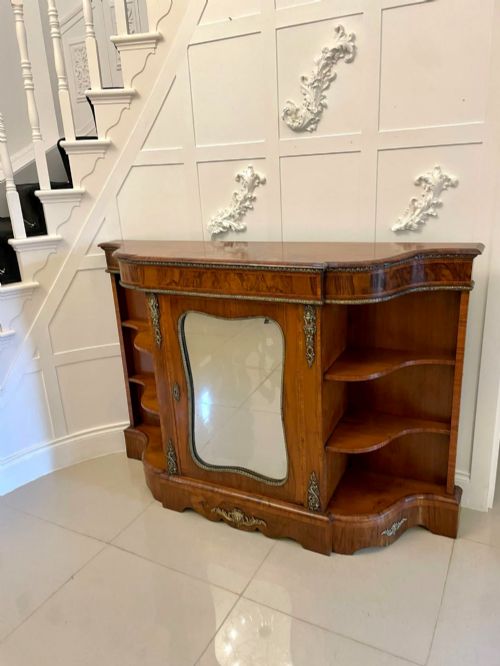
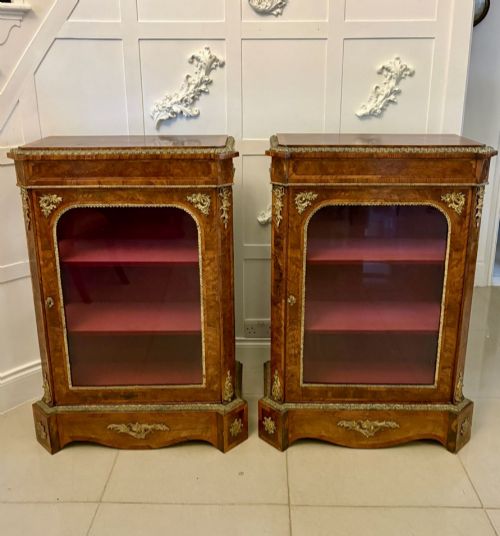
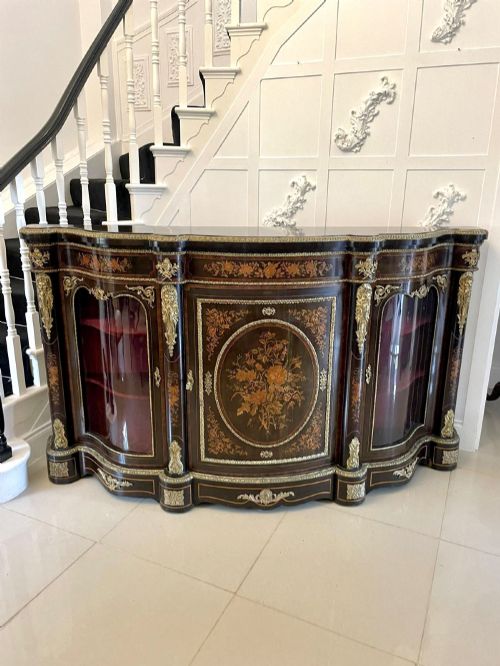
When you search for a french ormolu credenza, you encounter elaborate nineteenth-century display furniture framed in gilt bronze and fine timbers.
French Ormolu Credenza
A french ormolu credenza combines architectural timber forms with cast gilt-bronze mounts, serving as a principal display and storage piece in nineteenth-century interiors.
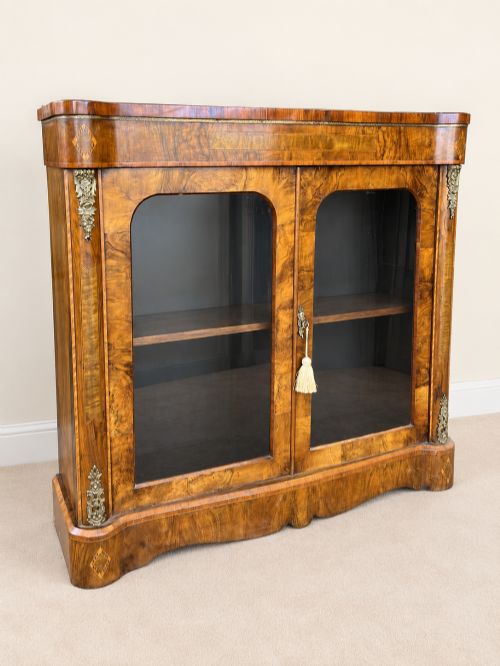
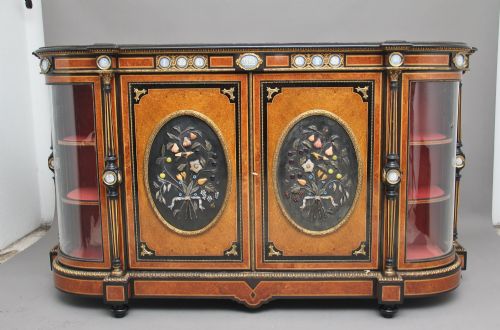
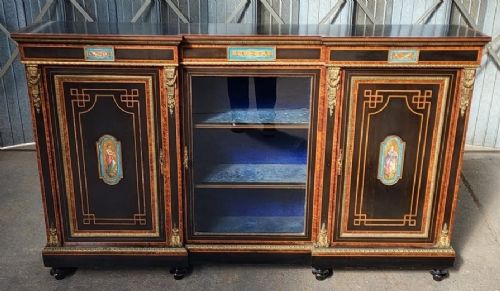
The versions met most frequently on this page span the Victorian and Napoleon III periods, encompassing burr walnut, ebonised wood, and kingwood carcasses.
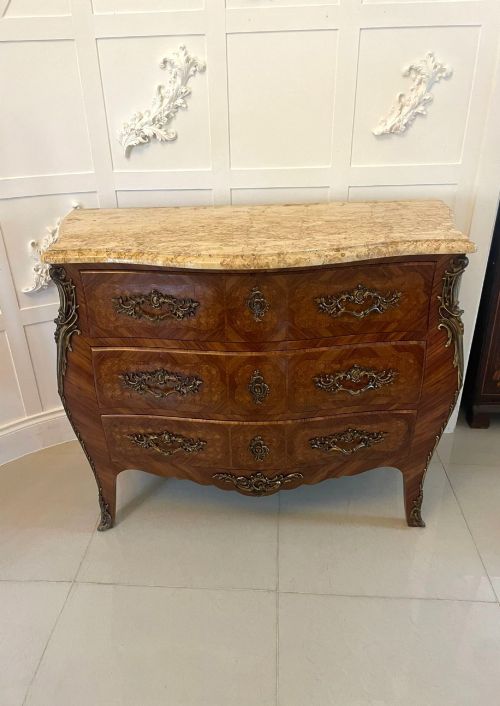
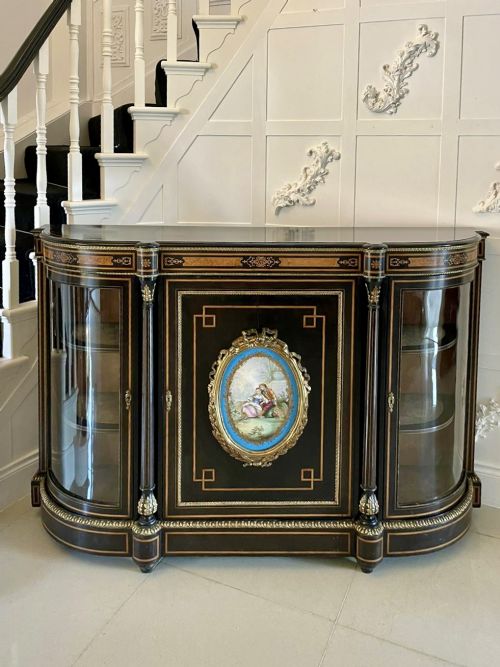
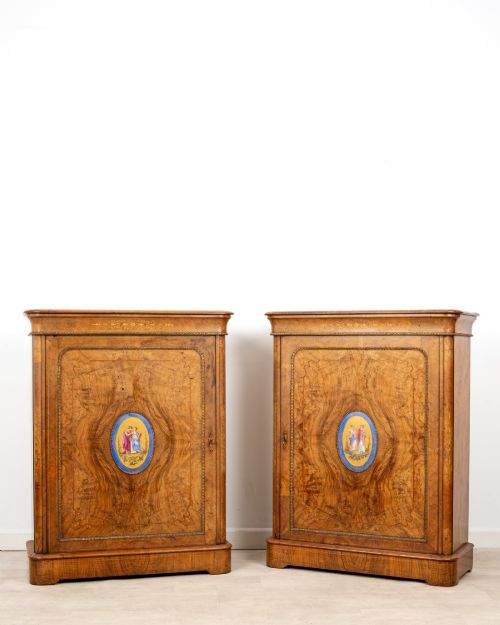
Makers adapted traditional French revival styles, incorporating porcelain plaques, marquetry, and marble tops into low side cabinets and serpentine credenzas.
How They Were Made
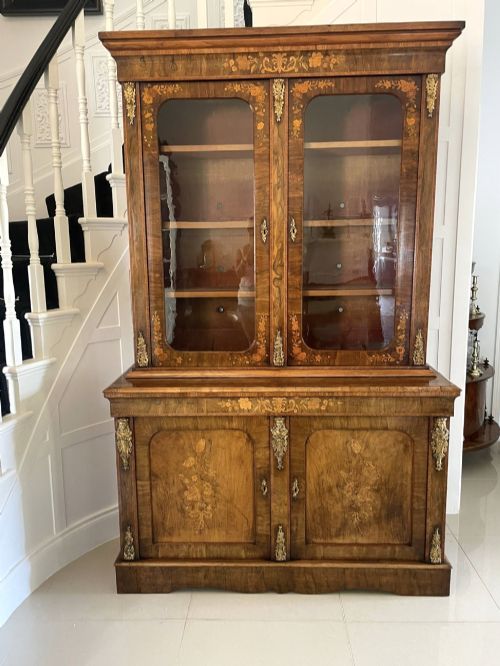
Craftsmen built structural carcasses from walnut, mahogany, or ebonised woods, applying complex veneers like burr walnut, kingwood, and tortoiseshell in boulle or marquetry patterns.
Ormolu mounts, cast in bronze and heavily gilt, were meticulously fitted around doors, corners, and plinths to accentuate the serpentine or rectilinear geometry.
Inlaid porcelain plaques, marble slabs, and glass panels were integrated into the upper and top sections to complete the display surfaces.
Listings feature nineteenth-century pieces incorporating ormolu, marble, burr walnut, ebonised wood, and porcelain.
What Varies in Quality
The refinement of the ormolu chasing and the depth of the bronze gilding separate standard production from exhibition pieces.
Complexity and precision in the floral marquetry, parquetry, and boulle work indicate the skill invested by the cabinetmaker.
The choice of secondary timbers, the weight of the marble tops, and the integration of hand-painted porcelain plaques dictate the overall grade of the piece.
Henry Dasson·Edward Holmes Baldock·Maison Gagneau·Gillows·Weisweiler
The French Ormolu Credenza Glossary
- Ormolu
- Gilt bronze mounts applied to furniture, cast and chased to produce sharp decorative details. It requires careful cleaning to preserve the original gold finish.
- Credenza
- A low side cabinet used for storage and display, often featuring central doors flanked by curved glass panels. Originating in Italy, it became a major Victorian form.
- Marquetry
- Patterns formed by veneer pieces applied to a wood structure to create floral or pictorial designs. Woods like walnut, kingwood, and satinwood provide tonal contrast.
- Boulle
- A technique of inlaying brass and tortoiseshell developed in France. It creates shimmering metallic patterns across ebonised surfaces.
- Vernis Martin
- A type of simulated Japanese varnish used on European furniture. It produces a glossy, translucent finish often seen on commodes and cabinets.
French Ormolu Credenza: Frequently Asked Questions
What is a french ormolu credenza used for?
These cabinets served primarily to display porcelain, silver, and decorative objects in formal nineteenth-century reception rooms.
They also provided enclosed storage behind wooden or glass doors for dining linens and household items.
How do I identify a Victorian credenza?
Victorian examples frequently utilise burr walnut veneers combined with gilt-bronze mounts and floral marquetry.
They often incorporate curved glass side compartments and low profiles suited to nineteenth-century drawing rooms.
What distinguishes Napoleon III cabinets?
Napoleon III pieces lean heavily into French revival styles, frequently featuring ebonised wood and intricate brass and tortoiseshell boulle work.
Heavy ormolu mounts and inset marble tops are characteristic of this mid to late nineteenth-century aesthetic.
How should I care for marble tops?
Marble surfaces require regular dusting with a soft cloth and immediate wiping of acidic liquids to prevent staining.
Avoid harsh commercial cleaners that can strip the polished stone finish over time.