


French Olive Pot
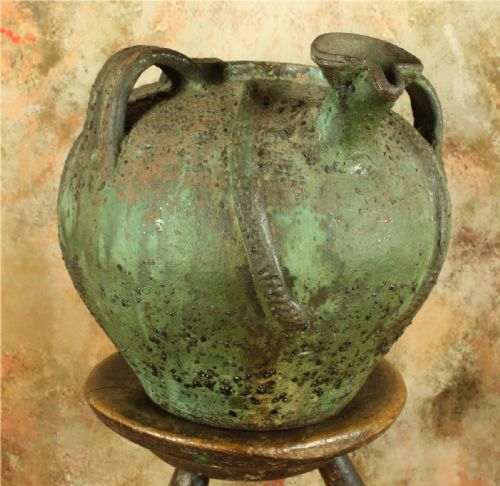
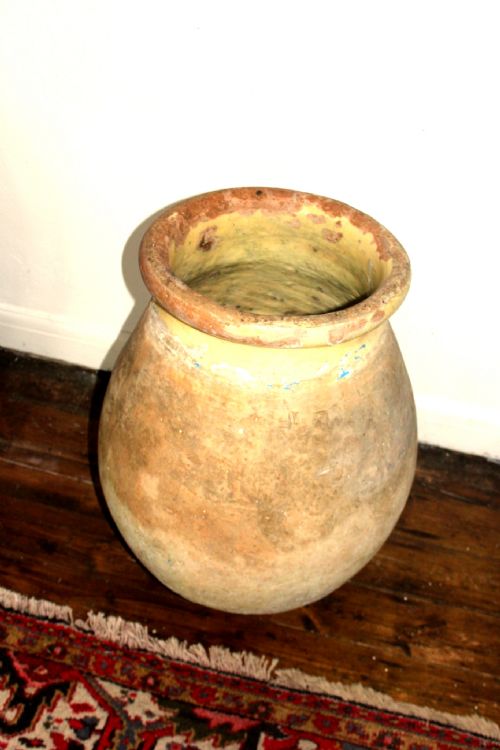
These French olive pot examples are heavy earthenware and terracotta vessels shaped for storage and garden use, sought after for their rustic presence and aged surfaces.
French Olive Pot
When you search for a french olive pot, you are looking at substantial agricultural vessels created for Mediterranean farm life and oil production. The pieces seen here span from the eighteenth century to the early twentieth century, taking forms such as large jars, jugs, and amphora vessels.
You are most likely to meet nineteenth century terracotta examples on this page, often featuring handles, painted surfaces, or green glazes. These items range from simple garden planters to three handled jars originally utilised for agricultural storage.
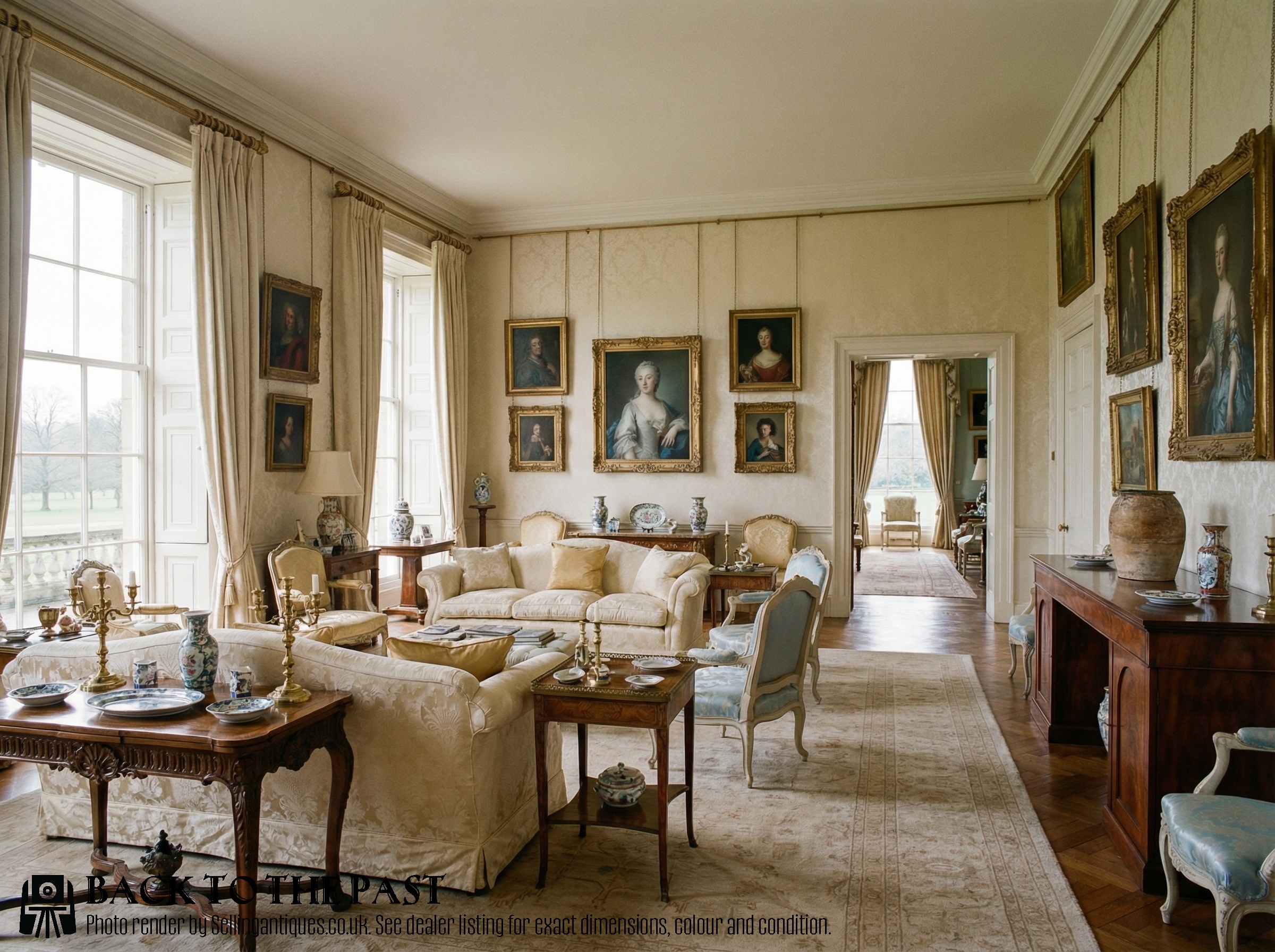
The styles associated with these objects include French provincial, rustic farmhouse, and Mediterranean country. Their origins lie in practical rural work, yet today they function primarily as decorative garden planters and large interior vessels.
How they were made
Makers shaped these pots from local clay and terracotta, building substantial earthenware bodies designed to withstand daily agricultural use. Many pieces received partial or full glazes, while others display weathered paint surfaces over raw clay.
Certain vessels incorporate wrought iron elements, such as stands or reinforcement fittings, alongside multi handled configurations for lifting and pouring. The construction relies on traditional hand building and throwing techniques suited to heavy utilitarian ceramics.
The site's listings show pieces spanning the eighteenth century, nineteenth century, and early nineteen hundreds, utilising terracotta, earthenware, and wrought iron.
What varies in quality
Quality in these vessels depends upon the harmony of proportion, the character of the surface patination, and the integrity of the original form. Pieces with balanced handles, even glaze runs, and honest weathering stand apart from simpler or heavily restored items.
The depth of historical wear and the presence of early paint or regional glaze add distinction to individual examples. A superior pot reveals its age through natural weathering rather than contrived distressing.
The French Olive Pot Glossary
- Terracotta
- A porous, unglazed or slip coated fired clay ranging in colour from orange-red to pale buff. It forms the primary body material for the majority of these agricultural vessels.
- Confit jar
- A traditional French earthenware pot with handles, originally utilised for preserving food in fat. These pieces often feature characteristic lead glazes on the upper portion.
- Amphora
- A two handled ancient vessel form with a narrow neck, adapted in later centuries for large scale garden and storage use in the Mediterranean.
- Patina
- The surface appearance altered by age, weathering, and handling over decades or centuries. In these pots, it manifests as worn paint, mineral deposits, and softened clay edges.
- Earthenware
- Pottery fired at relatively low temperatures which remains porous unless glazed. It provides the heavy, robust structure typical of provincial French utility wares.
French Olive Pot: Frequently Asked Questions
What were french olive pots used for?
These vessels served practical functions in rural agriculture, primarily for storing, fermenting, and transporting olive oil, walnut oil, and preserved foods.
Their robust earthenware construction kept contents cool, while multiple handles facilitated lifting and tipping in busy farm courtyards.
How old are these pots usually?
The examples available range from the eighteenth century through to the early twentieth century. Eighteenth-century pieces often show greater hand shaping variation, while nineteenth-century and 1900 examples reflect established regional potting traditions.
Datings rely on stylistic indicators, handle placement, and the degree of wear embedded in the terracotta.
Can french olive pots go outside?
Most of these vessels were created for heavy outdoor utility in Mediterranean gardens and farmyards. However, porous terracotta can crack if subjected to severe freezing temperatures when saturated with moisture.
Protecting them during harsh winters ensures the aged clay and glaze survive intact for years to come.
How do I tell different periods apart?
Earlier eighteenth-century pieces often display irregular hand thrown profiles and multiple handles designed for specific agricultural tasks. Later nineteenth-century and 1900 items tend toward more standardised forms, sometimes incorporating painted finishes or applied glazes.
Examining the base, rim formation, and surface texture reveals the manufacturing methods of each era.