







French Mounted Chinese Porcelain
French mounted Chinese porcelain combines imported Eastern ceramic bodies with ornate European metalwork, creating striking decorative objects prized for their dual cultural heritage.
French Mounted Chinese Porcelain
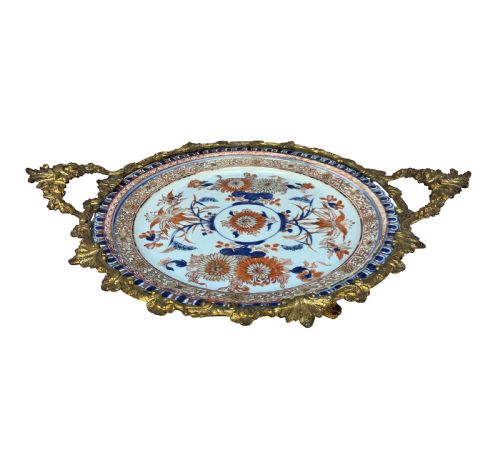
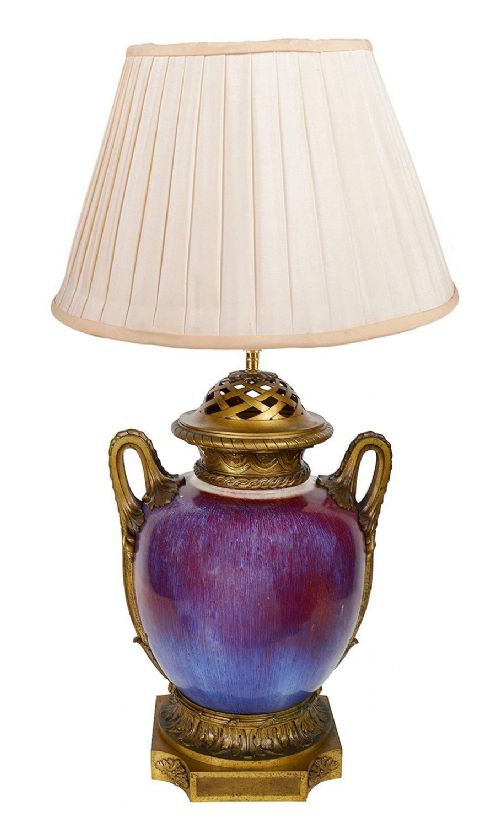
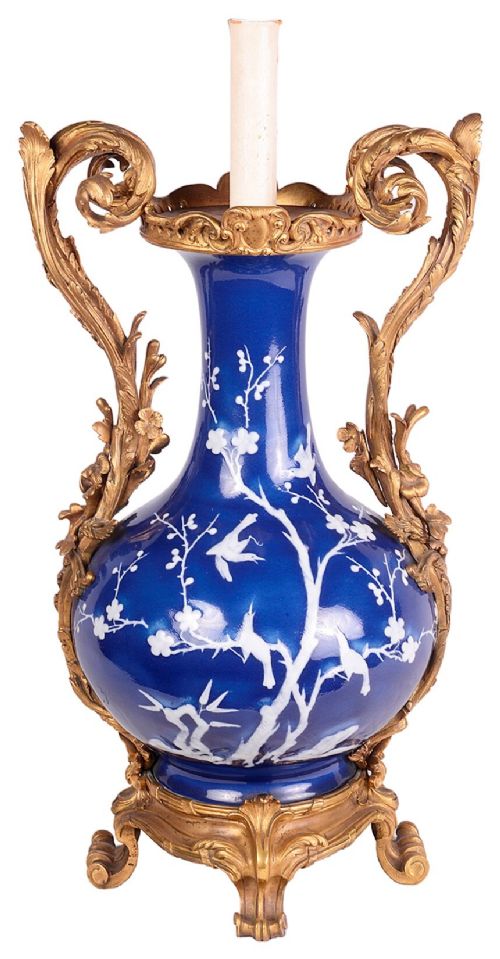
When you search for french mounted chinese porcelain, you are looking at Asian ceramic bodies fitted with European metal hardware, predominantly taking the form of table lamps, decorative dishes, vases, centrepiece bowls, candelabras and mantel clocks. These pieces bring together Eastern ceramic traditions and Western decorative arts, frequently drawing upon Chinoiserie, Chinese Export, French Rococo and French Rococo Revival styles.
The versions you are most likely to meet on this page span the 18th century, the Victorian era, and circa 1880, encompassing both genuine imported wares and later European interpretations. Ceramic forms include Imari, Sang du Boeuf, powder blue, Cantonese, Rose Medallion, blue and white, Famille Rose and Famille Verte, alongside reproduction bodies produced by makers such as Samson.
How they were made
The construction relies on the union of delicate ceramic vessels with heavy cast metal mounts, utilising materials such as porcelain, gilt bronze, ormolu, gold leaf and brass. Metalwork components are secured around the rims, bases and handles of the ceramic bodies to accentuate their forms and provide structural support.
Surface decoration frequently combines hand-painted enamels on the porcelain with chased or gilt metal elements, sometimes incorporating fabric components such as silk when adapted into table lamps.
French Mounted Chinese Porcelain Retail Price Guide 2026
Typical asking prices for french mounted chinese porcelain among the pieces listed under this phrase on Sellingantiques today, from the lower quarter to the upper quarter. They describe what is for sale here now, not the wider market.
Listings feature porcelain, gilt bronze, ormolu, brass, enamel, and silk across 18th-century, 1880, and Victorian periods.
What varies in quality
Quality rests upon the harmony between the ceramic vessel and the metal mount, where precise fitting and fluid casting elevate the piece. The crispness of the chasing on the ormolu and the finesse of the hand-painted enamels on the porcelain distinguish superior examples.
The distinction between period export ceramics and later revival pieces, such as those by Samson, influences the character of the work, alongside the integration of original mounts versus later adaptations.
Samson Porcelain
The French Mounted Chinese Porcelain Glossary
- Ormolu
- A gilded bronze technique used extensively for decorative mounts. It provides a rich golden finish that frames the porcelain.
- Famille Rose
- A palette of Chinese porcelain decoration dominated by opaque pink enamel. It gained prominence during the Qing dynasty and inspired European revivals.
- Chinoiserie
- The European interpretation and imitation of Chinese and East Asian artistic traditions. This style heavily influenced the design of the metal mounts and overall decorative schemes.
- Sang du Boeuf
- A deep red copper-glazed porcelain finish originating from Chinese kilns. The rich crimson surface contrasts sharply with bright gilt bronze mounts.
French Mounted Chinese Porcelain: Frequently Asked Questions
What is french mounted chinese porcelain?
These objects consist of imported Chinese ceramic vessels fitted with ornate European metal mounts, typically cast in bronze or ormolu.
They bridge Eastern ceramic arts and Western decorative aesthetics, frequently taking the form of vases, lamps, and decorative bowls.
How were these pieces used historically?
Wealthy European households utilised them primarily as decorative ornaments to display refined taste and global trade connections in drawing rooms and salons.
Many surviving examples have since been adapted into functional lighting, converting antique vases and urns into table lamps.
How do I identify the period?
Dating relies on examining the characteristics of both the ceramic body and the metal mounts, comparing them against known 18th-century and Victorian styles.
Material finishes like hand-painted enamels, ormolu casting quality, and factory marks help distinguish original export pieces from later 19th-century revivals.
What styles are common?
Common aesthetics include French Rococo revival designs, Chinoiserie, and Chinese Export patterns applied to porcelain bodies.
Glaze styles range from blue and white and powder blue to monochrome Sang du Boeuf and polychrome Famille Rose.
How do I live with them?
These decorative objects serve well as focal points on mantelpieces, sideboards, or large tables where their mixed materials catch the light.
Care should be taken to protect both the delicate porcelain glazes and the gilt bronze mounts from moisture and abrasive cleaning methods.