



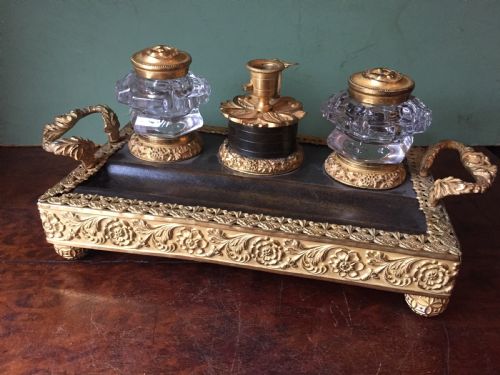


Ormolu Mounted Tray
An ormolu mounted tray brings gilt bronze mounts together with porcelain, wood or glass in display pieces designed for French interiors.
Ormolu Mounted Tray
When you search for an ormolu mounted tray, you are looking at decorative serving items, tables with removable trays, and centrepieces dating from the eighteenth century to the early twentieth century. These pieces combine metalwork mounts with porcelain, kingwood, glass, or enamel surfaces, often reflecting French taste and revival styles.
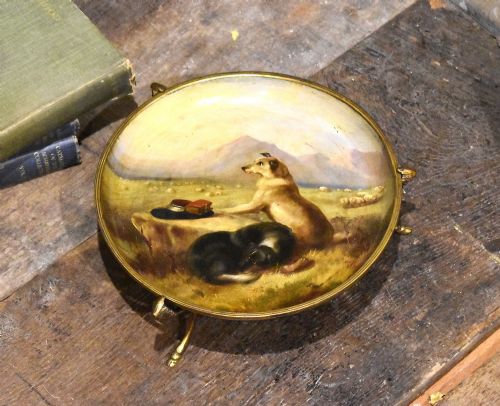
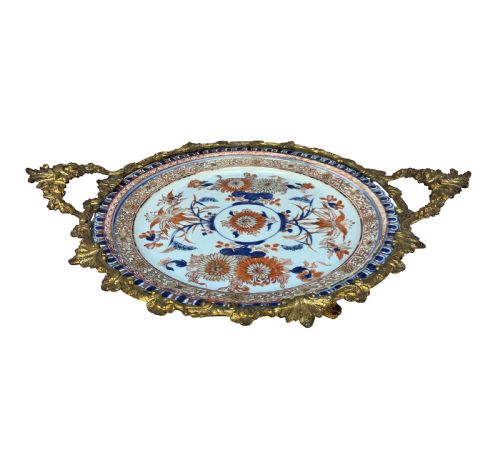
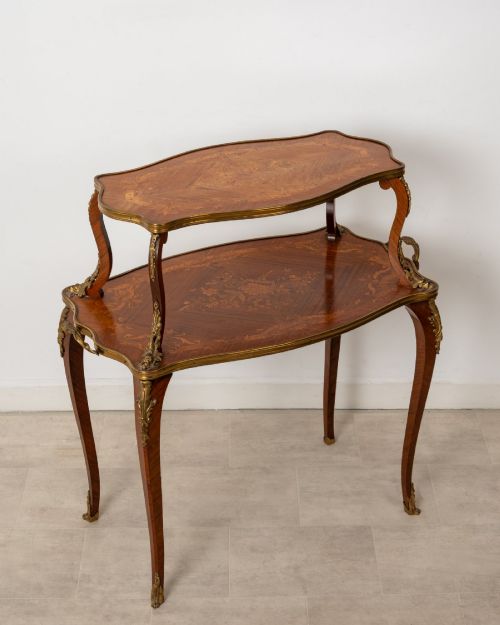
On this page, you are most likely to meet nineteenth century occasional tables, étagères, and decorative dishes featuring Louis XV, Louis XVI, or French Empire design influences. These items range from Chinese Imari porcelain plates fitted with metal mounts to two-tier kingwood etagères and desk stands.
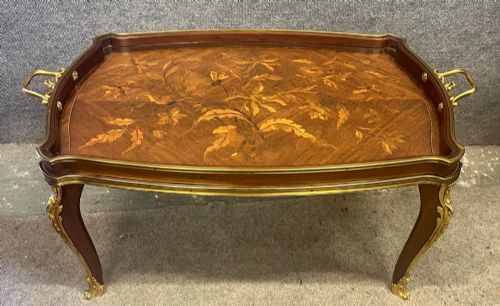
The forms vary from flat plates and dishes used for display to functional side tables and coffee tables with raised gallery edges designed to hold small objects. Many of these items originate from French workshops or follow specific makers such as Zwiener or Linke.
How they were made
The creation of these items involves combining cast and gilt bronze or brass mounts with diverse base materials including kingwood veneer, coromandel-wood, porcelain, and glass. Artisans shaped the metal mounts through casting and gilding before securing them to the edges and corners of trays, tables, and desk stands.
Wood pieces utilise marquetry and fine veneers over carcases, integrating glass trays or ceramic elements like Sèvres porcelain. Champlevé enamel and hand-painted porcelain panels frequently appear alongside the metalwork, demonstrating nineteenth century decorative techniques.
Ormolu Mounted Tray Retail Price Guide 2026
Typical asking prices for ormolu mounted tray among the pieces listed under this phrase on Sellingantiques today, from the lower quarter to the upper quarter. They describe what is for sale here now, not the wider market.
Form variations range from side tables and coffee tables to desk stands, inkstands, and decorative plates.
What varies in quality
The standard of the metalwork defines the upper tier of these pieces, specifically the crispness of the chasing on the gilt bronze mounts and the depth of the gilding itself. Finer examples display precise casting where the metal follows the contours of the porcelain or wood precisely.
The quality also rests in the selection of the underlying materials, such as figured kingwood veneer, genuine coromandel-wood, and hand-painted porcelain or enamel work. Balanced proportions and the integration of the mounts into the overall structure separate standard production from exceptional pieces.
Louis Pierre Malpass·Zwiener·Linke
The Ormolu Mounted Tray Glossary
- Ormolu
- Gilded bronze used for decorative mounts on furniture and decorative objects. The technique involves applying a gold amalgam to a bronze base before heating.
- Étagère
- A small open shelving unit or set of tiered shelves used for display. These pieces often incorporate glass or wood trays within the structure.
- Marquetry
- Decorative veneer work arranged in patterns on the surface of furniture. Makers utilised different coloured woods to create pictorial or geometric designs.
- Champlevé
- An enamel technique where troughs are carved into metal and filled with vitreous enamel before firing. This method appears on nineteenth century decorative centrepieces.
- Japonisme
- The influence of Japanese art on Western design during the nineteenth century. Pieces in this style incorporate Eastern motifs into European forms.
Ormolu Mounted Tray: Frequently Asked Questions
What is an ormolu mounted tray?
An ormolu mounted tray is a decorative dish, plate, or table top fitted with cast and gilt bronze mounts. These items were produced across the eighteenth and nineteenth centuries in France.
They serve as decorative display objects or function as removable trays within occasional tables and etageres.
How do I date these pieces?
Dating relies on the style of the mounts, the underlying materials like kingwood or coromandel-wood, and the manufacturing techniques used in the piece. Nineteenth century examples often draw on earlier Louis XV, Louis XVI, or Empire designs.
Evidence from the listings shows items spanning from the eighteenth century through to the early twentieth century, marked by revival aesthetics and specific porcelain types.
Where were these trays made?
The pieces recorded on this page are predominantly French in origin, reflecting stylistic movements such as French Rococo, Japonisme, and the French Chateau style. Workshops and makers in France produced these items for domestic and international markets.
Materials such as Sèvres porcelain and Chinese Imari porcelain were frequently incorporated into these French mountings.
How do I care for ormolu mounted items?
Care requires gentle dusting of the gilt bronze mounts and the surrounding porcelain, glass, or wood surfaces without abrasive cleaners. Keeping the items away from direct sunlight and excessive moisture preserves the gilding and the underlying veneer.
Regular maintenance ensures the brass and ormolu retain their finish alongside the delicate enamel and marquetry.