





18th Century Imari Dish
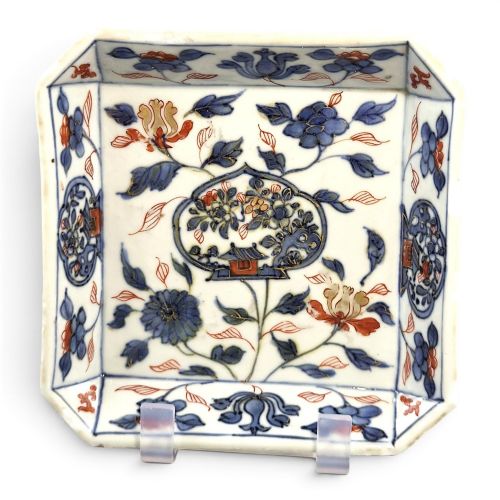
An 18th century imari dish brings together rich iron red, blue, and gold palettes that catch the eye and anchor any room.
18th Century Imari Dish
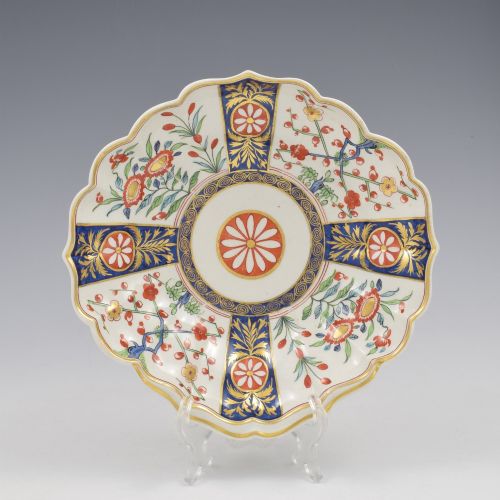
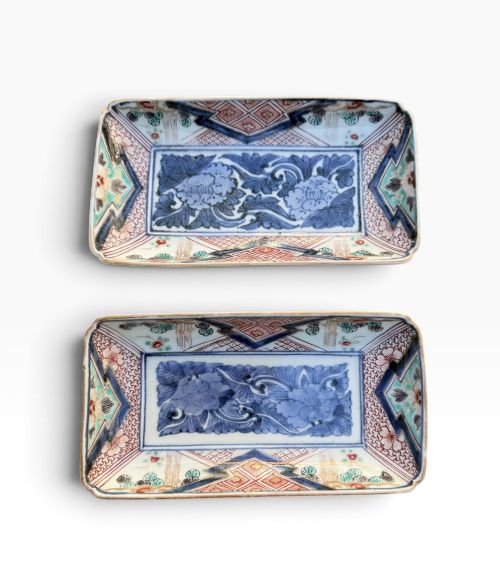
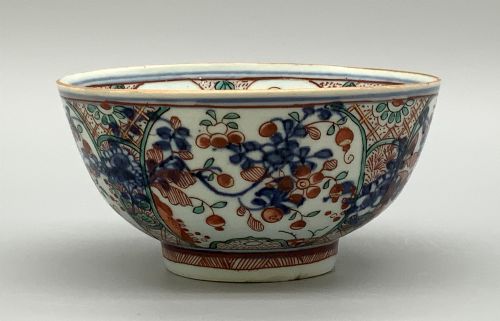
An 18th century imari dish encompasses both Japanese Arita porcelain from the Edo period and Chinese export wares made to satisfy European demand. The most frequent forms encountered here include shallow plates, large chargers, and deep serving dishes shaped with petal edges or scalloped rims.
Production spans the Kangxi and Qianlong dynasties alongside the Georgian era in Britain, reflecting global trade routes of the period. Makers utilised distinct styles ranging from Chinese export patterns to Japanese Arita wares decorated with garden scenes, figures, and scrolling foliate borders.
How they were made
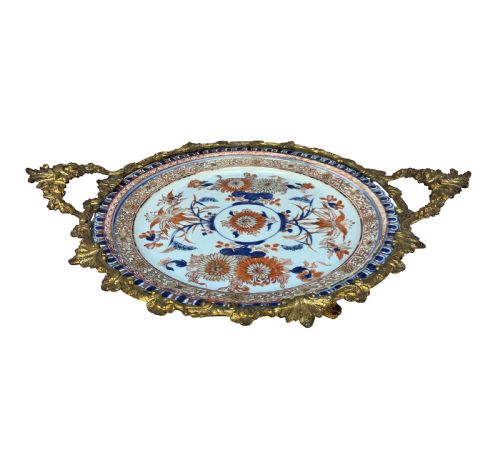
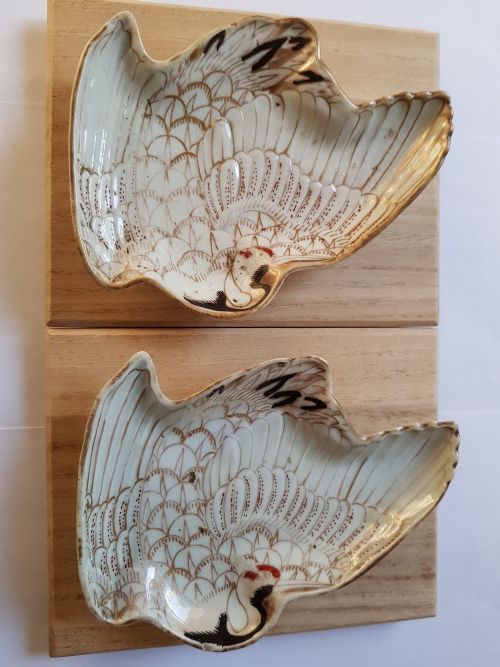
Potters shaped porcelain bodies, sometimes moulding pieces in shallow relief into crane forms or lobbed profiles before applying underglaze blue and overglaze enamel. Artisans then added gold leaf and gilt bronze or ormolu mounts to enhance certain decorative plates.
Firing techniques utilised high kiln temperatures to vitrify soft-paste and hard-paste porcelain bases. Subsequent low-temperature firings fixed the enamel colours and gold leaf onto the glaze.
18th Century Imari Dish Retail Price Guide 2026
Typical asking prices for 18th century imari dish among the pieces listed under this phrase on Sellingantiques today, from the lower quarter to the upper quarter. They describe what is for sale here now, not the wider market.
The archive includes deep dishes, scalloped serving vessels, and armorial plates dating from the late seventeenth century onward.
What varies in quality
Quality rests upon the crispness of the hand-painted iron red, blue, and gold details across the glaze. Superior pieces display controlled brushwork in complex garden scenes and figures rather than hurried, formulaic strokes.
The sophistication of the form itself dictates the upper tier of the range, such as moulded crane shapes, serrated rims, or the addition of French ormolu mounts. The precision of the porcelain body and the depth of the overglaze enamel define the distinction between standard export wares and exceptional examples.
The 18th Century Imari Dish Glossary
- Imari palette
- A decorative scheme utilising underglaze blue, iron red, and gilt highlights. This distinctive combination originated in Japanese kilns and was later imitated by Chinese and European makers.
- Arita
- The Japanese town and surrounding district where porcelain production flourished during the Edo period. Artisans here fired the raw materials that became signature export dishes.
- Ormolu
- Finely ground high-carat gold cast and chased onto a bronze base, utilised for decorative mounts on porcelain plates. This French rococo technique elevated domestic wares into ornamental display pieces.
- Kangxi period
- An era of significant artistic output in China spanning from sixteen sixty-two to seventeen twenty-two. Wares from this time display vibrant cobalt blue and crisp enamel painting.
18th Century Imari Dish: Frequently Asked Questions
How do I tell Japanese from Chinese Imari?
Japanese Arita pieces typically feature brighter, milky porcelain bodies with a distinct greyish tinge in the glaze alongside dense iron red and gold ornamentation. Chinese export counterparts made for the Western market often present a cleaner, whiter porcelain surface with Kangxi or Qianlong stylistic influences.
Brushwork also provides a clue, as Japanese designs lean toward asymmetrical naturalism with cranes or floral sprays. Chinese workshops frequently adapted these motifs to suit European armorial and geometric preferences during the eighteenth century.
Were these dishes used for dining?
Many large chargers and deep vessels functioned primarily as display pieces or serving dishes for grand tables. Their rich enamel and gold leaf decoration meant they were prized for visual impact rather than heavy everyday use.
Smaller plates saw service during courses, but the presence of elaborate ormolu mounts on certain examples indicates they were treated as ornamental items from the outset.
What is an armorial dish?
An armorial dish is a bespoke ceramic piece painted with a European family crest or coat of arms. Wealthy patrons commissioned these from Chinese export potteries through trading companies.
These specific wares combine traditional Imari palettes with European heraldry, making them distinct historical documents of global trade.
How should I display an imari dish?
Display these porcelain pieces on sturdy plate stands or hang them securely using coated wire hangers designed for shallow bowls and chargers. Keep them away from direct sunlight to preserve the vibrancy of the overglaze enamel and gold leaf.
Pairing them with period furniture from the Georgian era or French rococo settings complements their rich palette and historical character.