




Decorative Mounted Plate
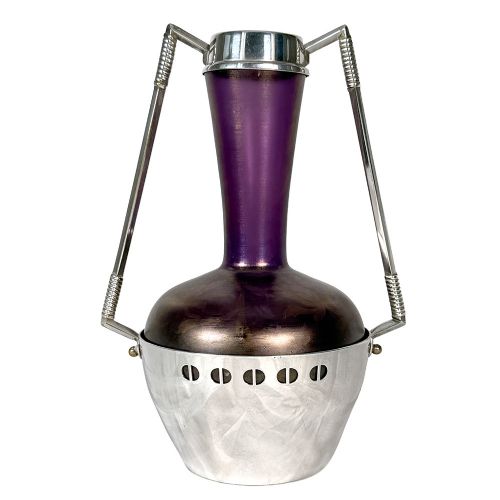
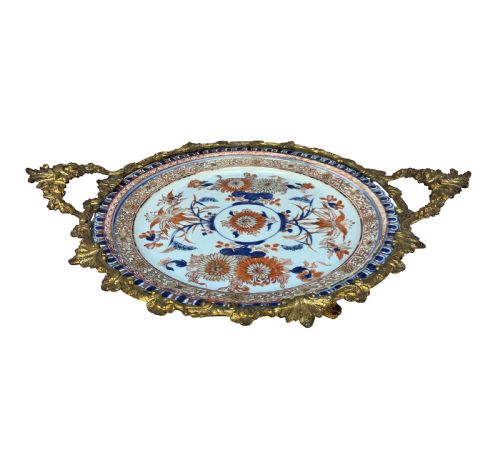
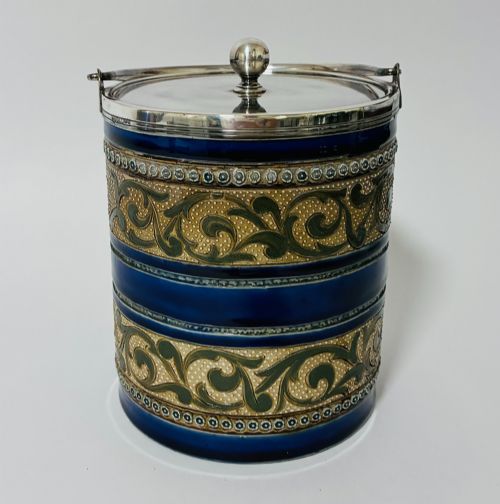
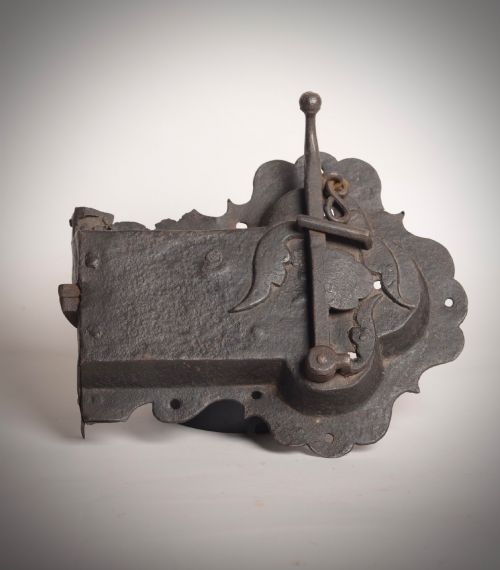
These decorative mounted plate examples bring together fine ceramics and metals from the eighteenth and nineteenth centuries.
Decorative Mounted Plate
A decorative mounted plate combines ceramic vessels with metal mounts, frequently appearing in eighteenth-century Chinese export porcelain and nineteenth-century earthenware forms. These items serve primarily as ornamental wall or cabinet pieces rather than functional tableware.
The evidence shows examples set in ormolu mounts, bridging the gap between Asian ceramic traditions and European decorative metalwork. Such pieces draw collectors interested in mixed-media antiques from the Victorian period and earlier eras.
Materials and construction
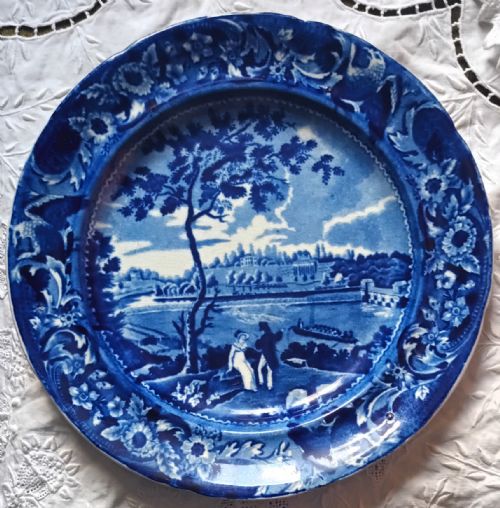
Potters shaped the ceramic bases using earthenware, stoneware, or porcelain, often applying transfer printing or traditional hand-painted glazes such as Chinese Imari. These ceramic bodies provide the central visual weight of the objects.
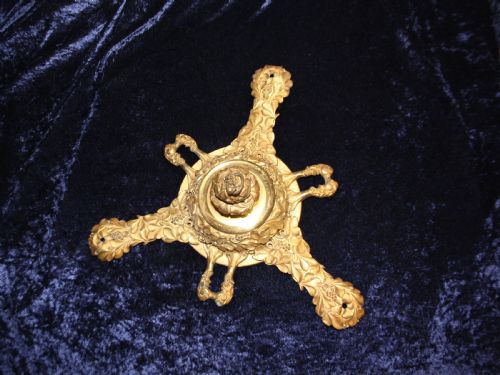
Metalworkers then fitted ormolu or gilt bronze mounts around the edges, rims, and bases to secure and elevate the piece. This combination required skilled assembly to fit metalwork precisely to fired ceramic contours without causing damage.
Decorative Mounted Plate Retail Price Guide 2026
Typical asking prices for decorative mounted plate among the pieces listed under this phrase on Sellingantiques today, from the lower quarter to the upper quarter. They describe what is for sale here now, not the wider market.
Some plates wear their metal mounts like fine jewellery, turning everyday ceramics into grand parlour ornaments.
Judging the work
Quality rests upon the precision with which the metal mounts grip and complement the ceramic plate beneath. Superior items show careful chasing in the ormolu and a harmonious balance between the glaze decoration and the surrounding metalwork.
The artistic merit of the underlying porcelain or earthenware also dictates the standing of the piece. Finer examples display crisp transfer printing or detailed hand painting that remains sharp and well-preserved.
The Decorative Mounted Plate Glossary
- Ormolu
- Gilded bronze used for decorative mounts and furnishings. This technique was widely utilised in French Rococo and later nineteenth-century revival styles to adorn porcelain.
- Imari
- A style of Japanese export porcelain featuring blue, iron red, and gilt decoration. Eighteenth-century makers often fitted these plates with metal mounts for Western drawing rooms.
- Transfer Plate
- A ceramic dish decorated using a printed tissue pulled from an engraved copper plate. This method allowed intricate topographical scenes to be applied consistently to earthenware.
- Earthenware
- Porous pottery fired at lower temperatures than stoneware or porcelain. It forms the base material for many nineteenth-century domestic decorative items.
Decorative Mounted Plate: Frequently Asked Questions
How do I hang a mounted plate safely?
Use a specialised wall bracket designed to grip the rim securely without placing undue pressure on the metal mounts. Ensure the fixing anchor is secured directly into wall studs or proper masonry fixings.
Check the stability of the mount junctions periodically to make sure the ceramic body remains firmly seated within the metal framework over time.
Can I use these plates for serving food?
These pieces are intended purely for display and ornamental use rather than dining purposes. The addition of historic metal mounts and age-related wear makes them unsuitable for culinary service.
Cleaning should be restricted to gentle dusting of the ceramic surface and careful maintenance of the metal mounts without harsh abrasive agents.
What periods do these pieces date from?
The available selection spans from the eighteenth century through to the Victorian era and the turn of the twentieth century. Eighteenth-century examples often feature Asian porcelain with later European mounts.
Nineteenth-century pieces encompass various revival styles and domestic earthenware production, reflecting changing interior decoration tastes across the decades.
How do I clean ormolu mounts?
Dust the gilded bronze surfaces gently with a soft, dry brush to remove accumulated dirt. Avoid chemical metal cleaners that can strip the historic gilt finish from the bronze.
Professional care is recommended if the metalwork requires deeper conservation work to preserve the original surface patination.