





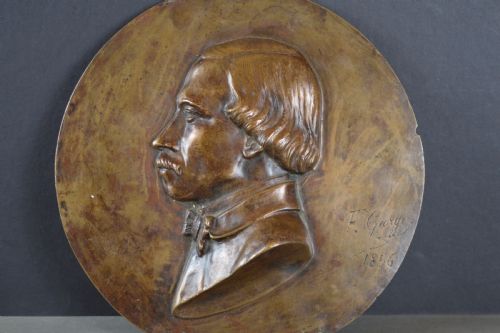


French Metal Bust
These french metal bust sculptures and plaques bring character and classical presence into a room, combining fine casting with substantial bases of marble and onyx.
French Metal Bust
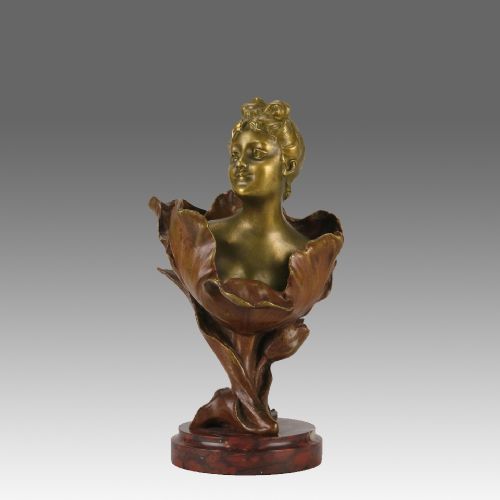
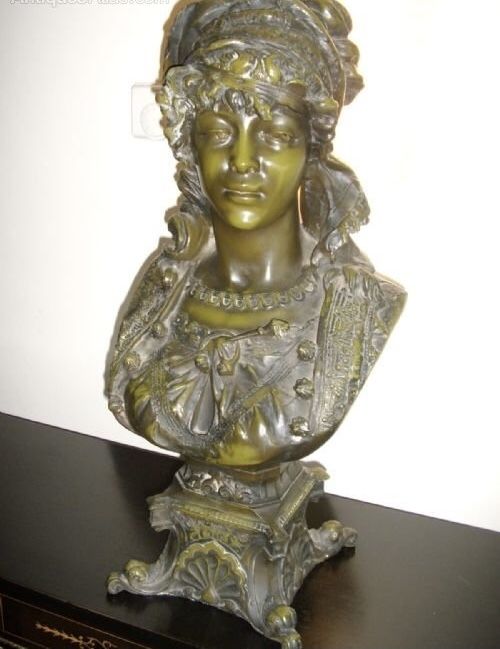
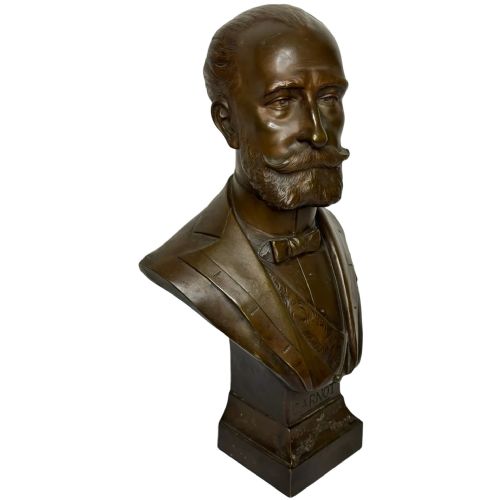
When you search for a french metal bust, you are looking at cast sculptures and portrait plaques depicting historical figures, mythological subjects, and graceful female models. These pieces appear predominantly from the nineteenth century and the early twentieth century, spanning styles from Victorian Classical Revival and French Renaissance Revival to fluid Art Nouveau.
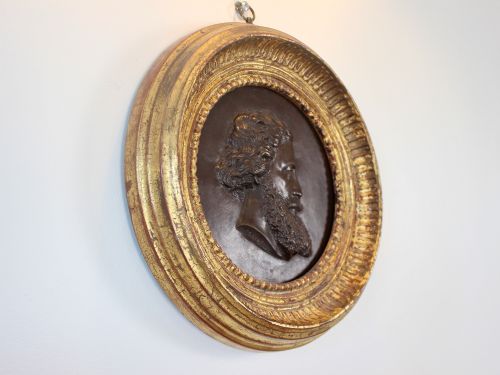
The selection here includes both standalone mantel sculptures and functional pieces where a bust is integrated into a mantel clock or mounted on a wall plaque. You will encounter subjects ranging from literary figures like William Shakespeare and historical personalities such as Diana de Poitiers to anonymous female studies created during the Art Nouveau period.
Makers and signatories represented in this group include Henri Godet, Henry Wissen Senior, Mainfroy, J Camus, Adolphe Jean Lavergne, F George, Georges Van Der Straeten, P.H Mourey, and J C De Blezer. These artists and founders utilised varied metallic compositions and mounting materials to produce three-dimensional portraits and decorative reliefs.
How They Were Made
Foundries produced these pieces primarily through bronze casting or by working in spelter, a zinc-based alloy common in decorative figures. Craftsmen applied surface treatments including patination to darken the metal or gilding to provide a reflective gold-coloured finish.
Sculptures and plaques often incorporate secondary support materials such as marble, onyx, wood, and giltwood. Bases of Verdi green marble or polished onyx provide weight and contrast to the metal portrait above.
Materials span patinated bronze, gilt bronze, spelter, onyx, marble, and giltwood across various sculptural formats.
What Varies In Quality
The selection of mounting materials also dictates the tier of the piece, with solid marbles and rich onyx bases demonstrating greater ambition than standard wooden mounts. The depth of the patina or the richness of the original gilding preserves the intended visual impact of the work.
Henri Godet·Henry Wissen Senior·Mainfroy·J Camus·Adolphe Jean Lavergne·F George·Georges Van Der Straeten·P.H Mourey·J C De Blezer
The French Metal Bust Glossary
- Spelter
- A zinc-based alloy commonly used as a cost-effective alternative to bronze in nineteenth-century decorative figures. It accepts patination well to simulate heavier metals.
- Patinated bronze
- Bronze that has been treated with chemical solutions to produce a specific surface colour or aged finish. This process protects the metal while enhancing visual depth.
- Gilt bronze
- Bronze that has been coated with a thin layer of gold or gold leaf to give a bright metallic finish. It was frequently used in decorative clocks and high-status mantel pieces.
- Portrait plaque
- A flat or low-relief panel designed for wall hanging, depicting a profile or head of a specific person. These works translate sculptural portraiture into a two-dimensional format.
- Verdi green marble
- A mottled green stone frequently utilised for bases and architectural elements in French decorative arts. It provides a striking textural contrast to dark patinated metals.
French Metal Bust: Frequently Asked Questions
What is a french metal bust usually made of?
These sculptures and plaques are cast in bronze or spelter, sometimes featuring gilt surfaces or applied patination to alter the colour and tone of the metal.
Secondary materials are common, with many pieces mounted on bases of marble, onyx, or wood to provide stability and visual contrast.
Where were these busts displayed originally?
Many of these sculptures served as mantel ornaments, often paired with matching clocks or placed on decorative wooden brackets in nineteenth-century drawing rooms.
Smaller portrait plaques and wall sculptures were designed to hang directly on panelled walls or display cabinets.
How do I distinguish bronze from spelter?
Bronze possesses a heavier weight and a durable metallic structure that allows for very sharp, crisp details during the casting and chasing process.
Spelter is a softer zinc alloy that feels lighter and may show a different texture beneath worn areas of its surface coating.
Who are the notable artists found on these pieces?
Signatures on these works include prominent nineteenth and early twentieth-century sculptors such as Georges Van Der Straeten, Henri Godet, and Adolphe Jean Lavergne.
Founders and clockmakers like P.H Mourey also marked their metalwork, indicating the collaborative nature of French decorative production.