


French Marble Statue
When you search for a French marble statue, you look for sculptural works combining carved stone and cast metal from nineteenth and early twentieth century ateliers.
French Marble Statue
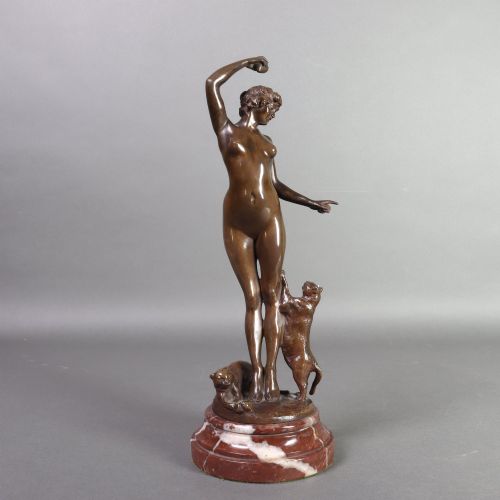
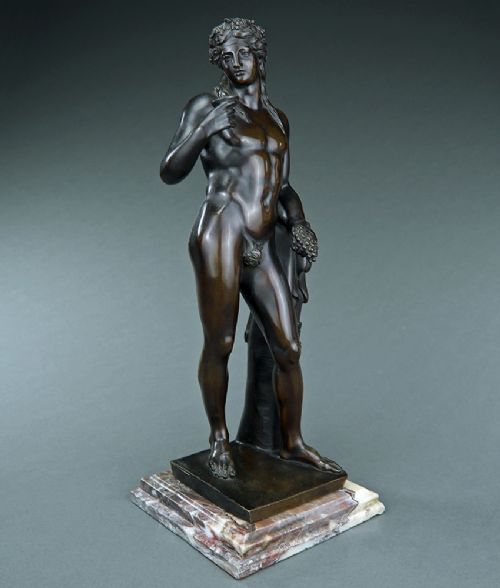
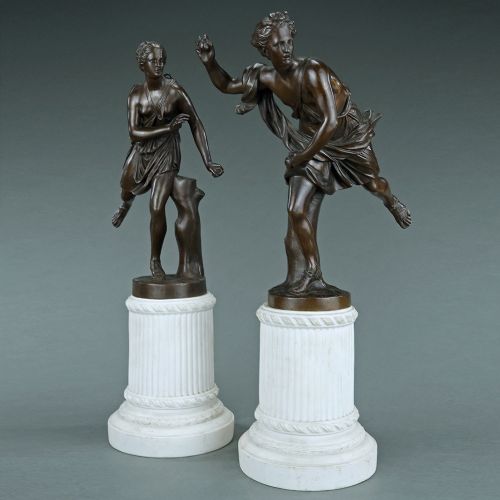
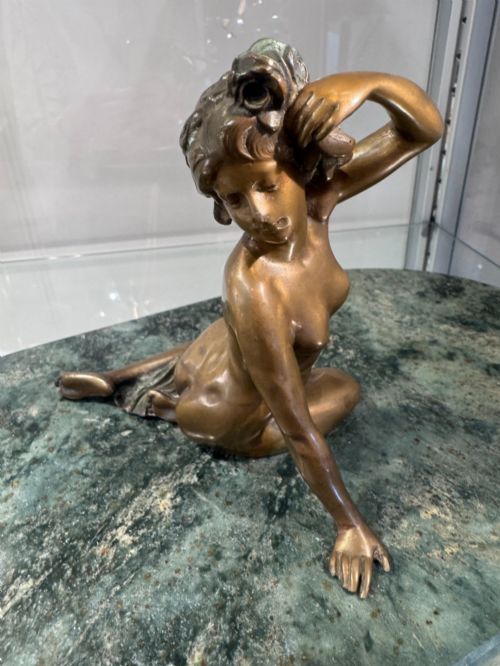
A French marble statue typically combines a carved marble base, column, or central figure with cast bronze, gilt bronze, or ormolu elements. Pieces range from nineteenth century classical busts and mythological groups to Art Deco animalier figures and dancers.
The objects appear in various forms, including figural groups, portrait busts, pedestal columns, mantel clocks, and animal sculptures mounted on stone bases. Many draw inspiration from earlier masters or classical antiquity.
Makers and foundries utilised white Carrara marble, veined onyx, and alabaster alongside metal casting techniques to create decorative and monumental works. Pieces frequently bear signatures or foundry cachets from the period.
Materials and technique
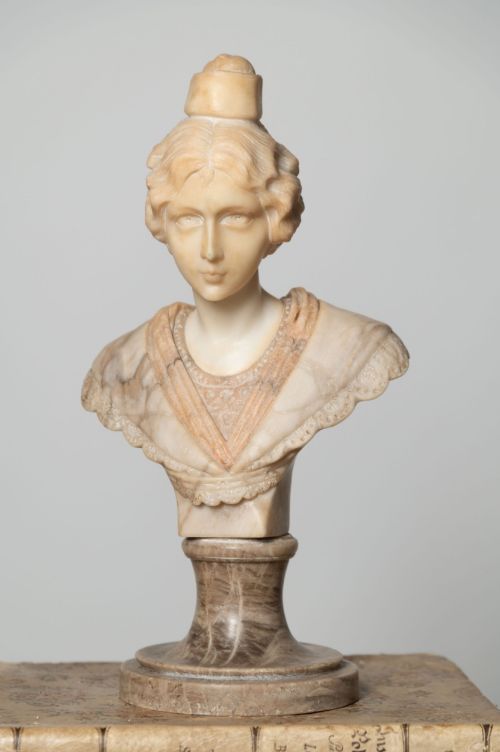
Sculptors carved fine white Carrara marble, alabaster, and onyx using chisels and rasps to achieve smooth flesh tones and draped garments. Stone bases were turned and polished to support heavier metal elements.
Foundries cast bronze, gilt bronze, and spelter components using the lost-wax method or sand-casting techniques. Artisans then chased the metal surfaces by hand and applied cold-painted finishes or gilding.
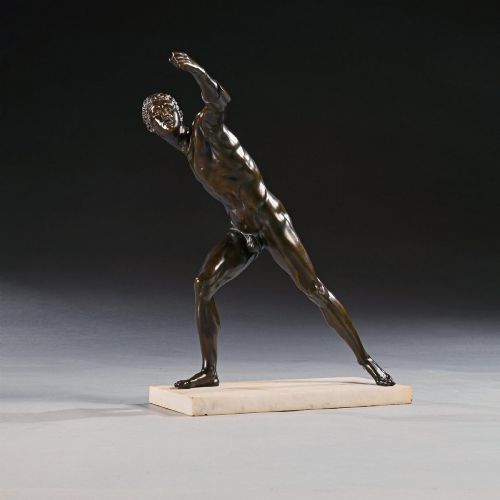
Makers combined the stone and metal components using threaded pins and bolts, anchoring bronze figures securely to marble plinths and adding ormolu collars to pedestals.
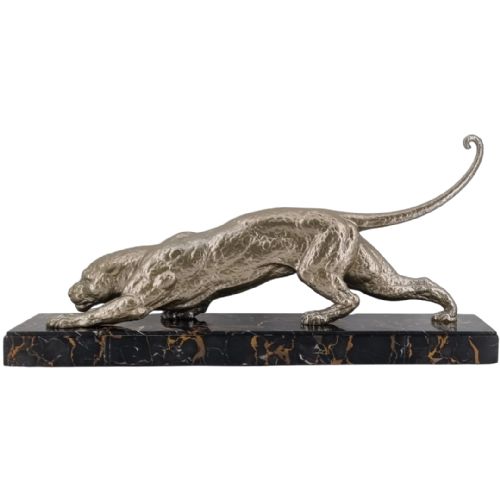
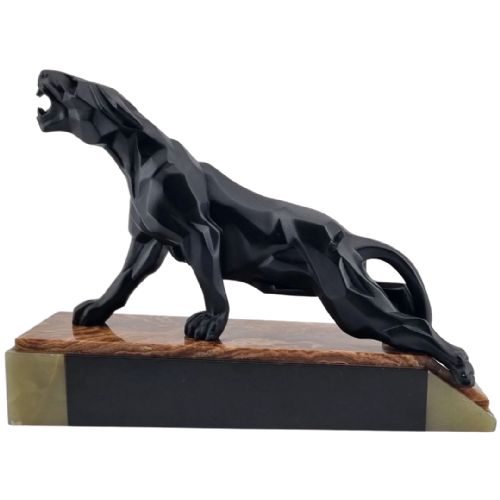
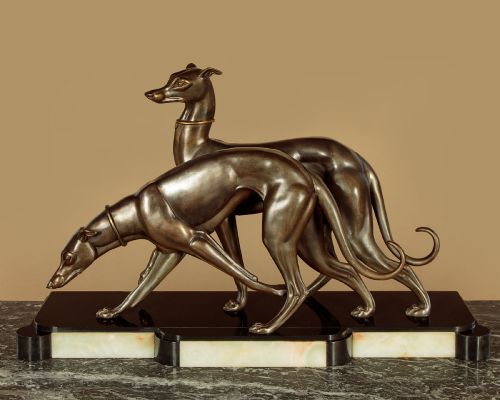
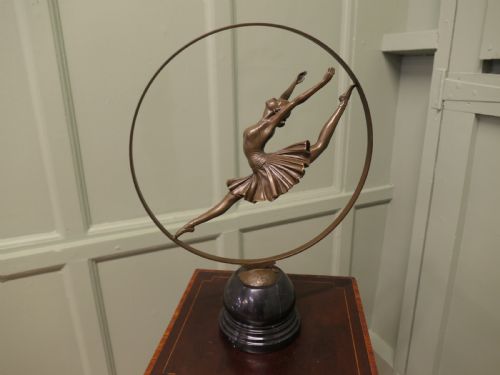
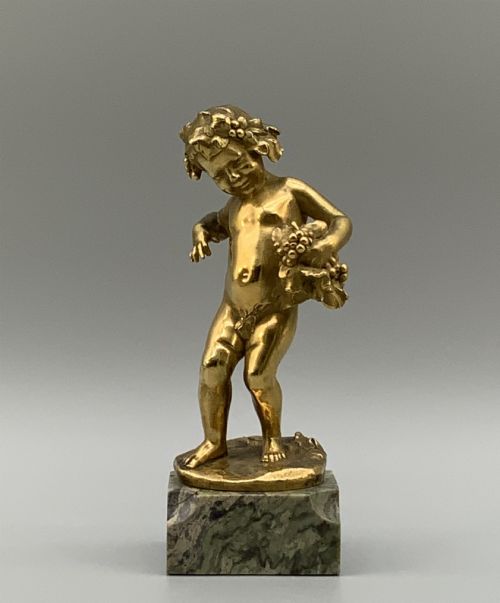
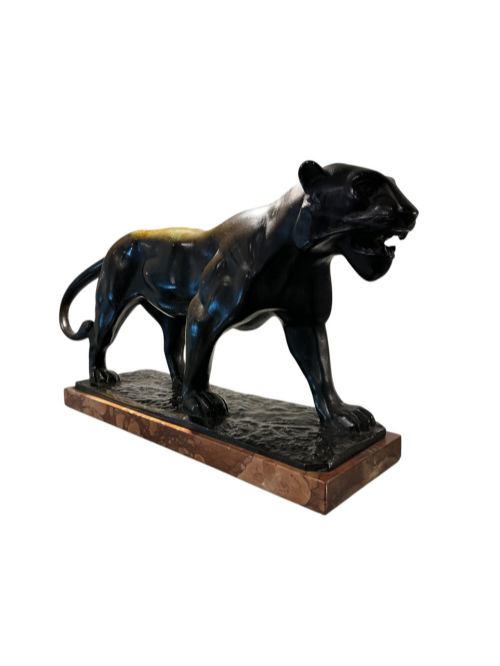
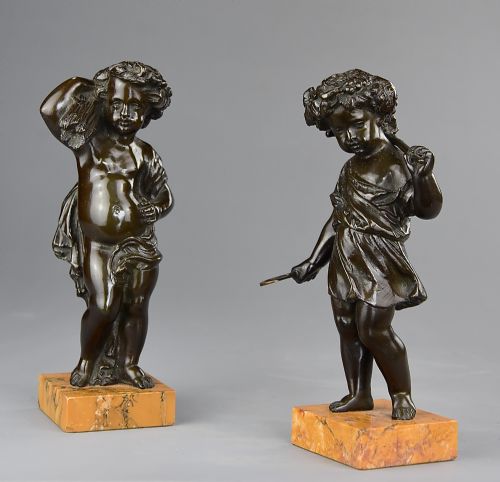
Bronze panthers, harvest putti, and golden pheasants share the marble stage with classical dancers and philosophers.
Distinctions in craftsmanship
The quality of a piece depends on the crispness of the bronze chasing and the delicacy of the marble carving, where finer examples show detailed facial expressions and well-defined drapery folds.
The integration between the stone base and the cast metal figure indicates the level of workshop care, with superior works featuring tightly fitted mounts and high-grade materials like solid Carrara marble rather than composite substitutes.
Signatures from recognised artists or foundry marks from established Parisian houses elevate a piece, reflecting skilled supervision during the casting and finishing processes.
Charles Louis Malric·Susse Frères·Barbedienne·Pierre le Faguays·Claude Michel Clodion·August Moreau·Emile Carlier·Alexandre Ouline·Demetre Chiparus·Henri Godet·Aurore Onu·Emile Guillemin·Jean Antoine Houdon·Auguste Henri Carli·Georges Van Der Straeten
The French Marble Statue Glossary
- Ormolu
- Gilded bronze produced by applying a mercury and gold amalgam to cast bronze. This finish gives the metal a distinctive warm yellow sheen.
- Carrara marble
- A type of white or blue-grey marble quarried in the city of Carrara in Tuscany. Sculptors prized it for its fine grain and consistent texture.
- Spelter
- An alloy of zinc and lead used as a cheaper alternative to bronze. Foundries cast it into decorative figures during the nineteenth and twentieth centuries.
- Alabaster
- A fine-grained mineral used for carving statues and architectural ornaments. It has a soft appearance and translucent qualities when polished.
- Animalier
- A nineteenth-century artistic genre focusing on the realistic portrayal of animals. Sculptors in this tradition frequently mounted their bronze subjects on marble bases.
French Marble Statue: Frequently Asked Questions
Were these statues signed?
Many pieces bear the signature or monogram of the sculptor etched directly into the marble or cast into the bronze base. Foundry stamps and cachets also appear on the metal work to identify the producer.
Unsigned works remain common, often produced as studio editions or in the manner of well-known classical sculptors.
How were these statues displayed?
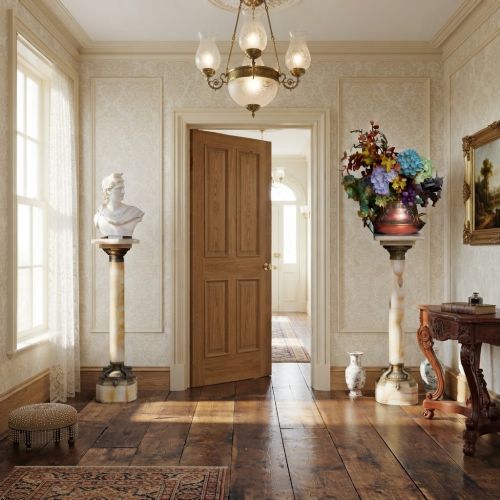
Owners placed large figural sculptures and busts on dedicated marble pedestals or furniture tops in nineteenth-century interiors. Smaller mantel clocks and animalier bronzes sat upon mantelpieces, desks, and tables.
The weight of the marble base provided necessary stability for heavier bronze figures in domestic settings.
What is an animalier sculpture?
An animalier sculpture depicts animals in realistic or dramatic poses, such as panthers, stags, and birds. These figures gained popularity during the nineteenth century through the work of French bronze casters.
Sculptors frequently mounted these metal animals onto heavy marble or onyx bases to create stable tabletop displays.