


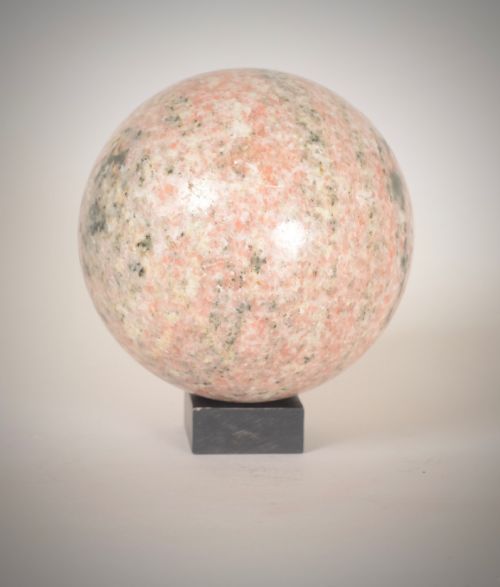
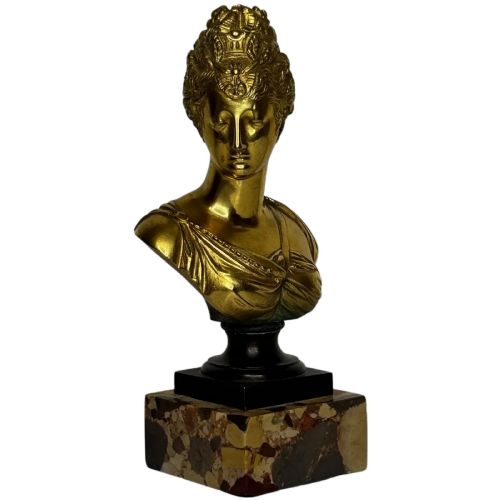
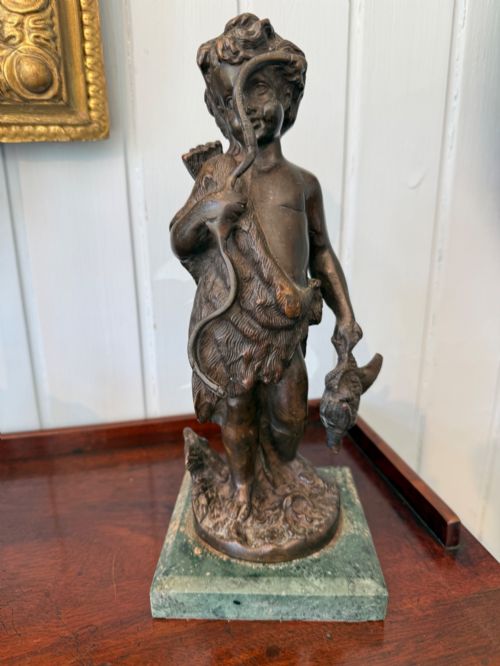
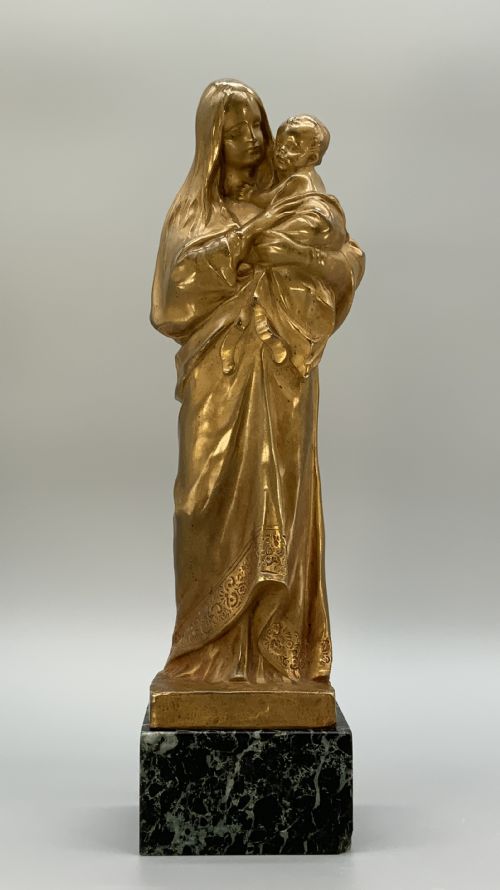
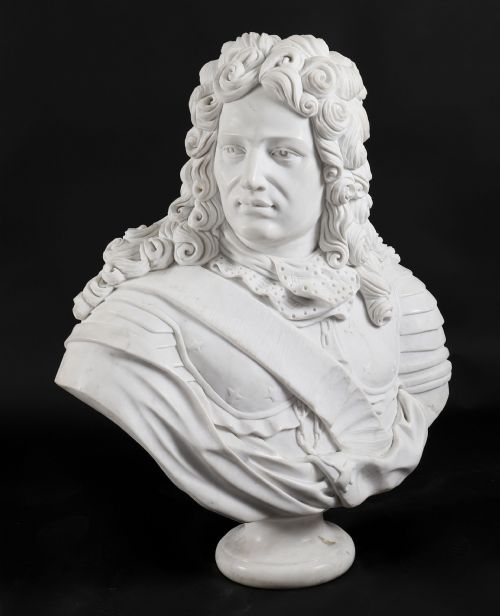
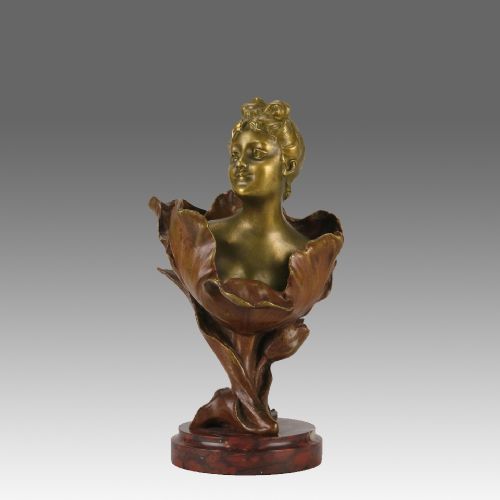



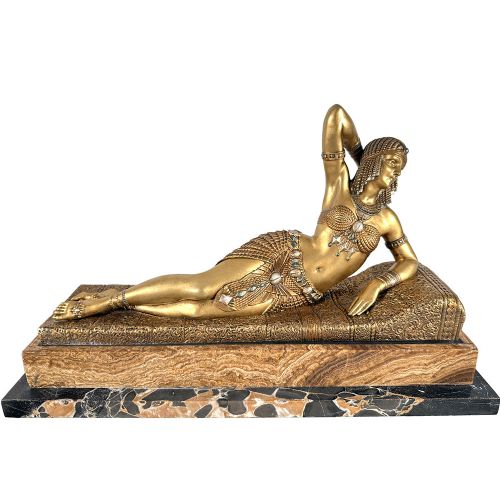
Decorative Marble Sculpture
These decorative marble sculpture pieces bring classic form and substantial weight to an interior, combining carved stone with bronze, alabaster, and gilt details.
Decorative Marble Sculpture
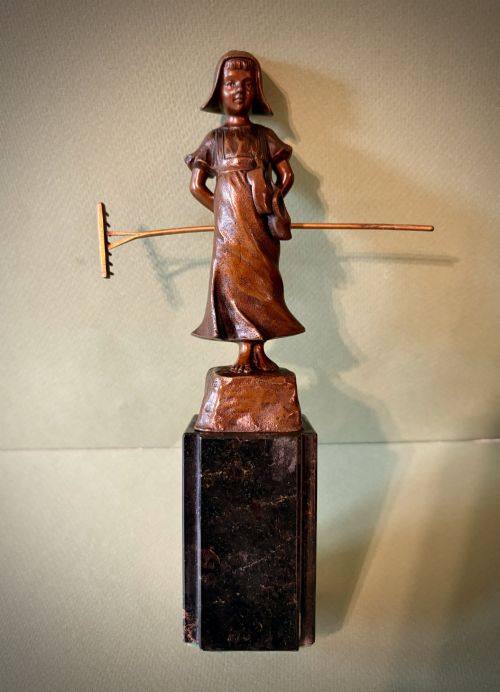
When you search for decorative marble sculpture, you encounter a diverse range of 19th-century and 20th-century works spanning the Victorian era through Art Deco and Egyptian Revival styles. The selection encompasses freestanding figures, portrait busts, animal studies, architectural obelisks, and columns that served as pedestals or plinths.
The objects frequently combine carved marble, alabaster, or onyx with contrasting metals such as bronze, gilt bronze, brass, and silvered bronze. Many pieces integrate multiple materials, mounting figures onto polished stone bases or pairing stone columns with ormolu mounts.
Origins stretch from French and Italian workshops to Austrian studios, reflecting periods from the Grand Tour Classical revival to mid-century modernism. You will find both monumental architectural ornaments and intimate tabletop figures among these creations.
How They Were Made
Sculptors shaped natural stone including white marble, Portasanta, Rosso Antico, Verde Antico, and Egyptian onyx using traditional hand-carving and polishing techniques. Alabaster and granite also appear, providing varied translucency and surface texture.
Metal components were produced through lost-wax bronze casting or worked in brass, spelter, and gilt bronze. Cold-painting, silvering, and patination were applied to metal surfaces to create contrast against the solid stone plinths and bases.
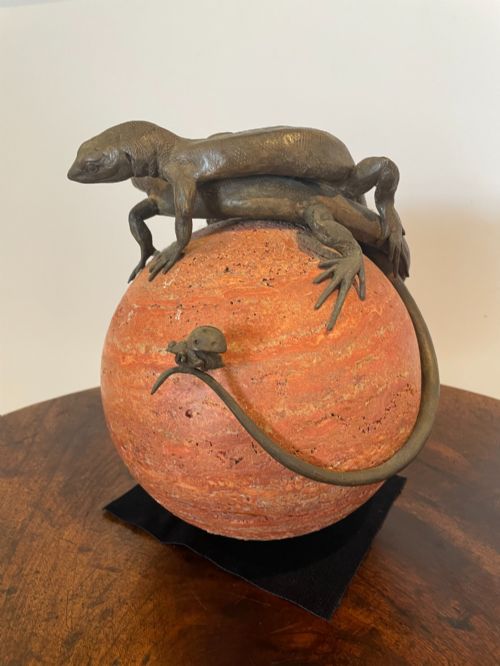
Even a bronze lizard and a sleeping teddy bear find themselves permanently resting atop solid blocks of cold stone.
What Varies in Quality
The refinement of the carving dictates the distinction between standard decorative items and masterworks, particularly in the rendering of drapery, facial expressions, and anatomical detail in both stone and metal figures. The selection of the marble itself - its veining, purity, and uniformity - plays a major role in the overall impact.
Integration between the sculptural element and its mount indicates the level of craftsmanship, as seen in how securely a bronze figure fastens to a marble base or how cleanly stone obelisks and columns are finished at their seams and corners.
Ferdinand Preiss·Hans Müller·Henri Godet·Demetre Chiparus·John Wenlock Rollins·Alexandre Kelety
The Decorative Marble Sculpture Glossary
- Patination
- The surface coloration and sheen developed on bronze or metal through age or chemical treatment. Artists used patination to enhance the depth and mood of figural sculptures.
- Animalier
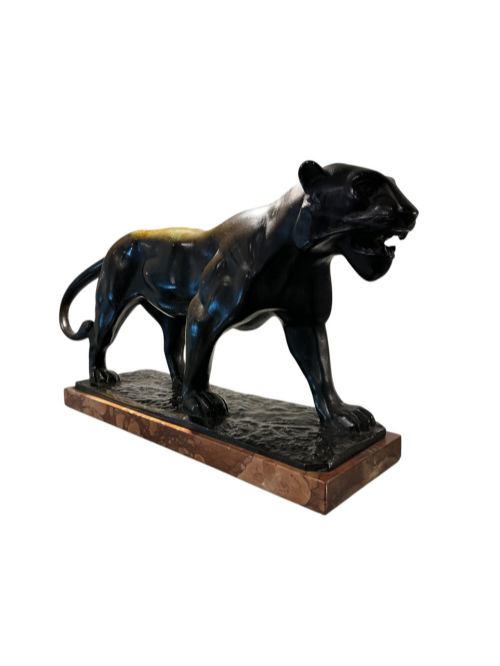
- A 19th-century art movement focusing on the realistic portrayal of animals. Sculptures in this style often combine bronze beasts with polished marble bases.
Decorative Marble Sculpture: Frequently Asked Questions
How do I clean marble sculpture?
Dust the surface regularly with a soft, dry cloth to prevent grime accumulation.
Avoid using water, chemical cleaners, or acidic solutions, which can etch the polished stone finish.
Where should I place an obelisk?
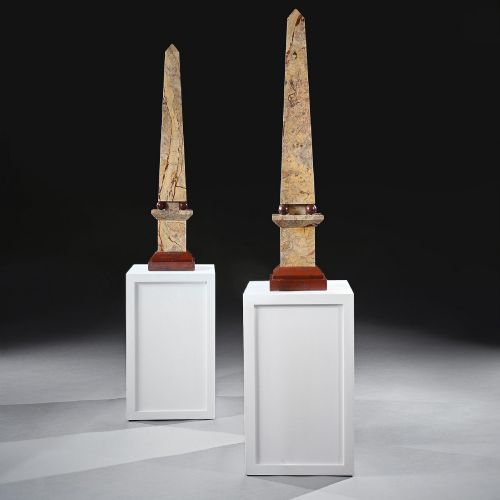
Position these stone monuments on mantelpieces, desks, or flanking a doorway to create symmetrical architectural focus.
Ensure they rest on stable, level surfaces capable of supporting their substantial weight.
How do I date a bronze on marble?
Examine the casting technique, mounting hardware, and styling to determine the manufacturing period.
Art Deco pieces often feature stepped geometric bases, while 19th-century works lean towards classical or naturalistic proportions.
Are alabaster and marble the same?
Alabaster is significantly softer and more translucent than marble, allowing light to penetrate beneath the surface.
Marble is harder, less translucent, and typically displays more pronounced mineral veining.