
French Mahogany Cabinet
A french mahogany cabinet brings structural warmth and classical proportion to an interior, blending rich timber with refined metal mounts.
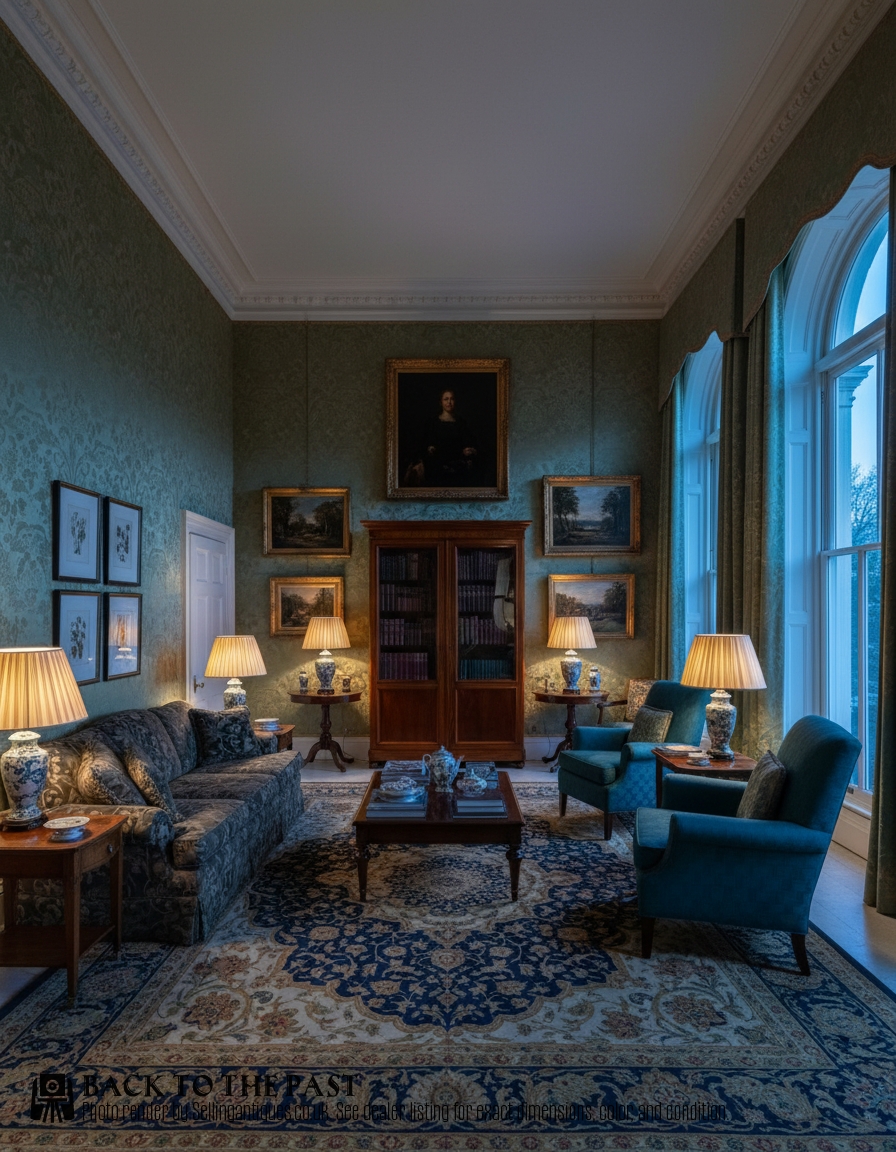
French Mahogany Cabinet
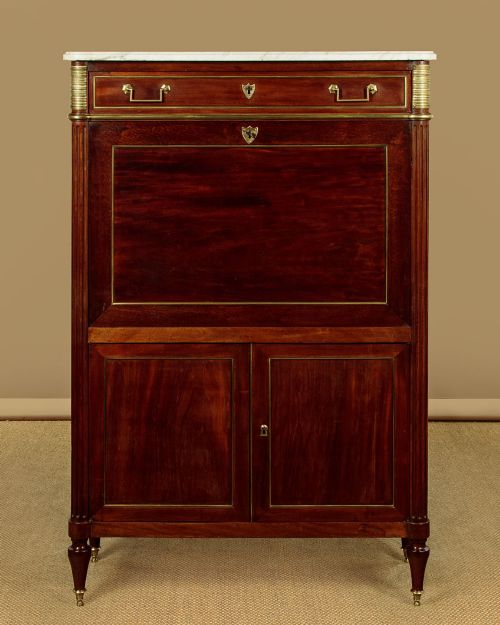
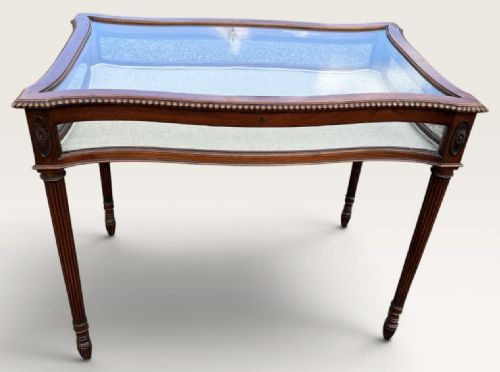
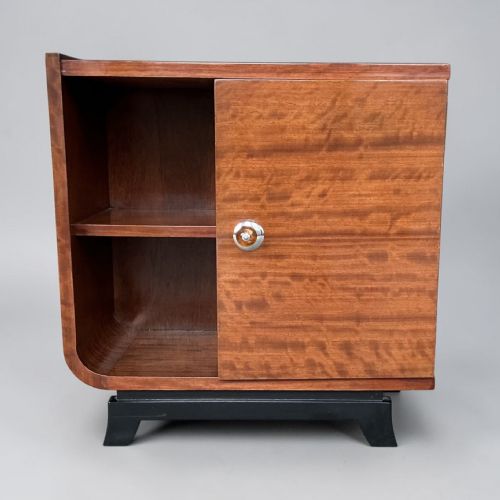
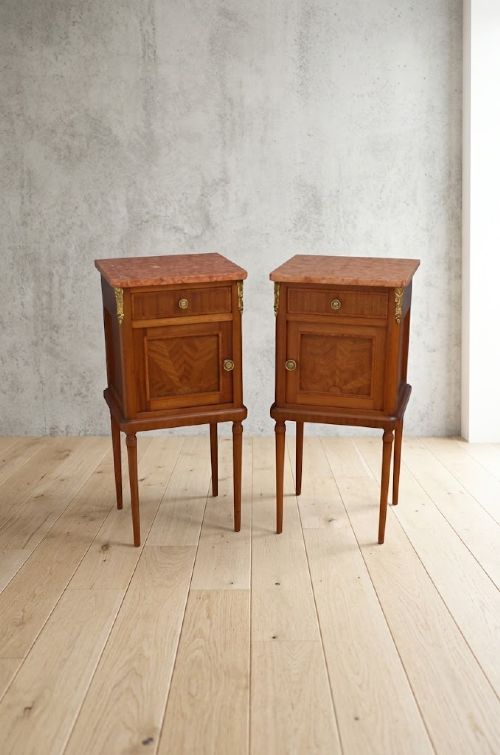
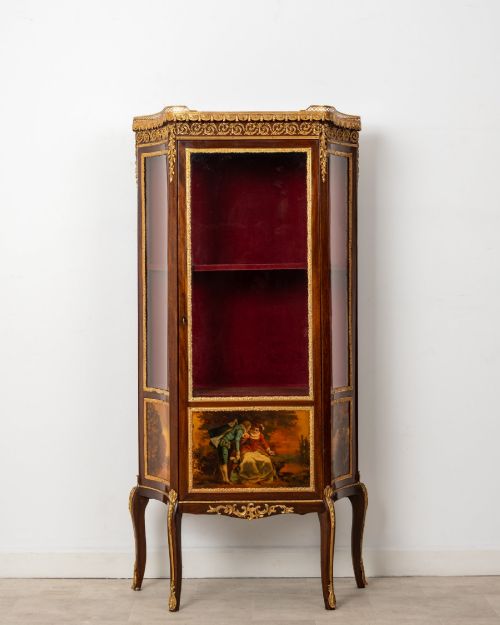
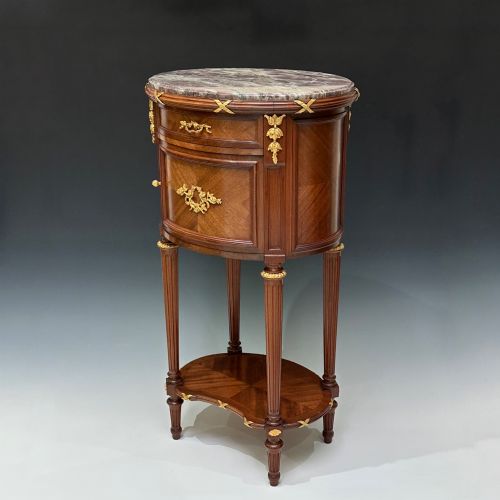
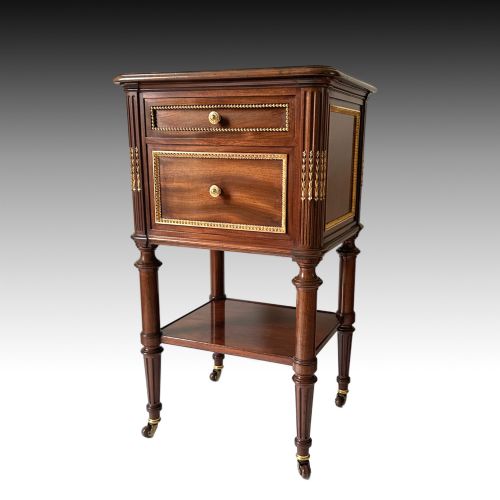
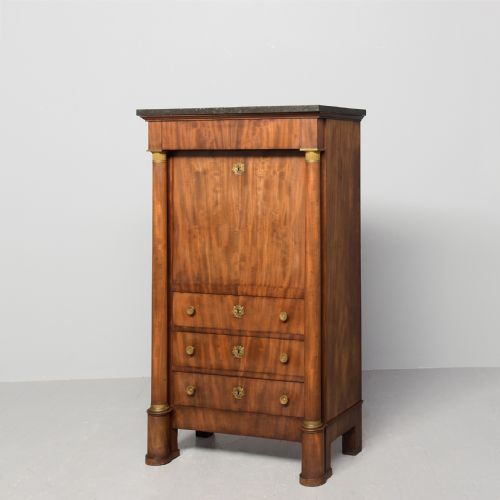
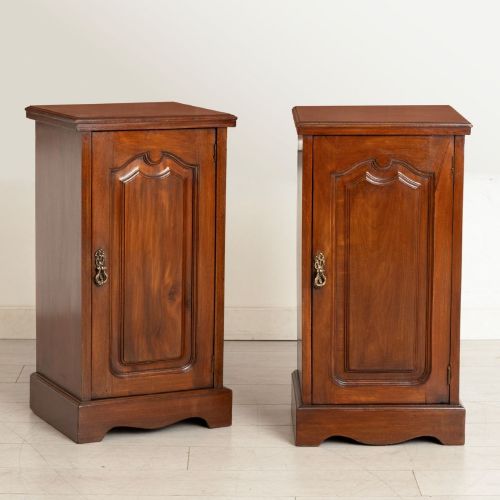
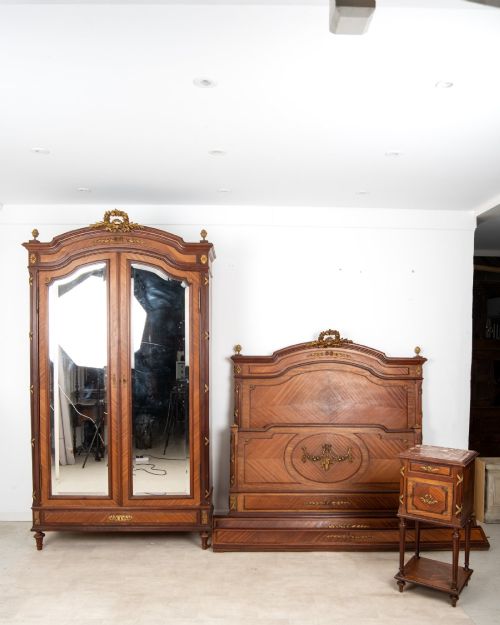
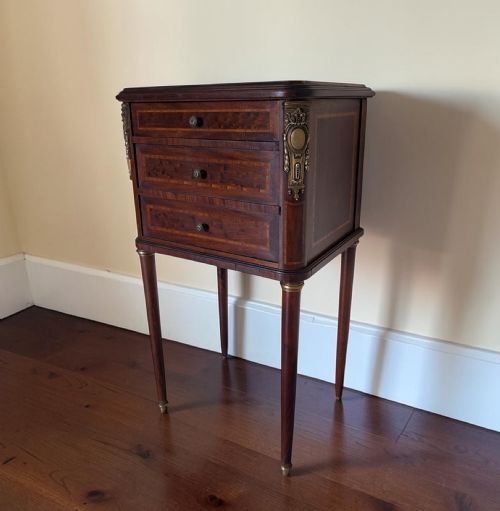
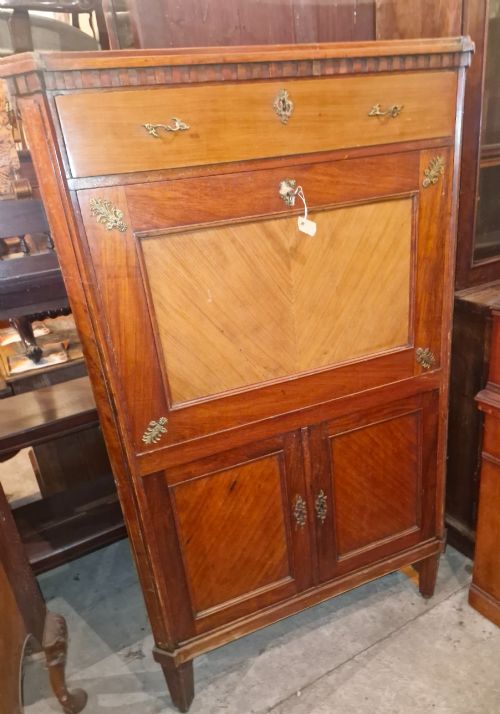
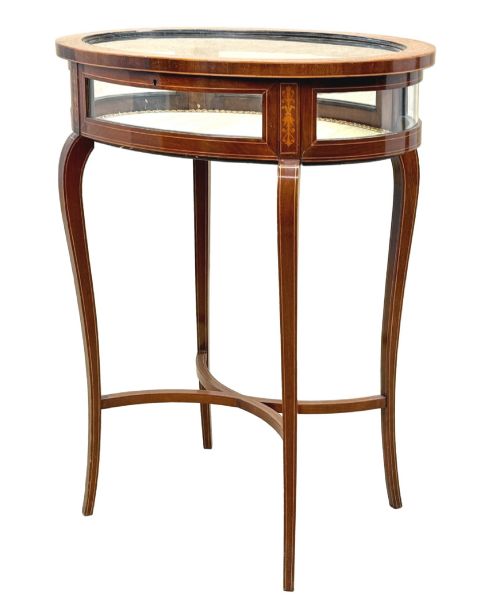
When you search for a french mahogany cabinet, you encounter a varied assortment of functional furniture pieces originating primarily across the nineteenth and early twentieth centuries. These range from intimate bedside tables and nightstands to grand display vitrines, bookcases, and secretaire abattants.
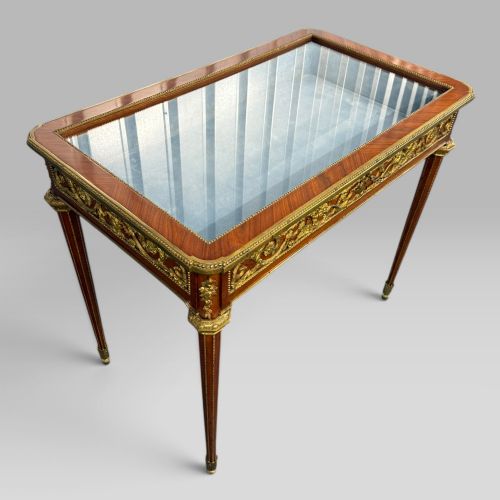
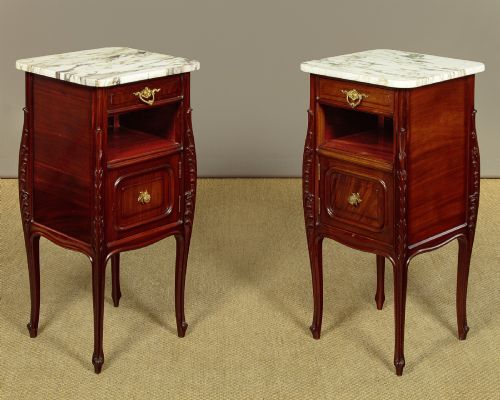
The selections frequently manifest classic revival styles such as Louis XV, Louis XVI, and French Empire, reflecting historic design vocabularies adapted for domestic utility. You are most likely to meet bedside cabinets topped with marble or compact bijouterie display tables designed with glass panels.
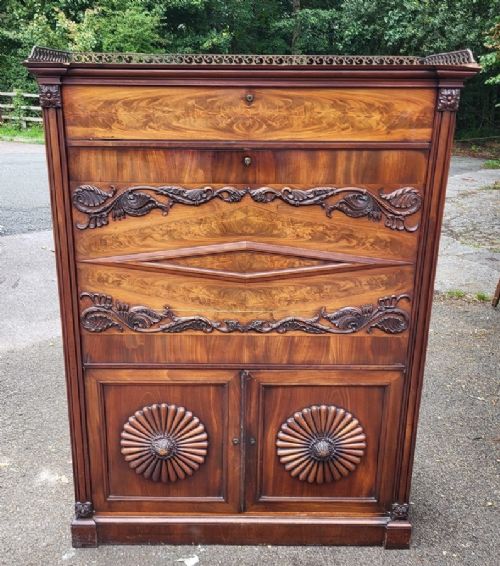
Makers and designers working in these traditions utilised rich mahogany timbers, occasionally enhancing surfaces with flame figures, marquetry, or vernis martin panels to achieve decorative depth.
Materials and Technique
Cabinetmakers constructed these pieces using solid mahogany and figured veneers applied over robust secondary timbers, often selecting flame mahogany to create striking grain patterns on primary surfaces.
Structural and decorative enrichment relied heavily on cast or gilt bronze and ormolu mounts, brass inlays, and occasionally inset marble slabs fitted precisely to the upper surfaces of bedside tables and commodes.
Glass panels were integrated into door frames and top surfaces for vitrines and bijouterie tables, while interior compartments frequently concealed secret drawers and fitted writing drops.
Listings feature mahogany, brass, glass, marble, ormolu, fabric, and gilt bronze across pieces dating from the nineteenth and early twentieth centuries.
Evaluating Execution
The calibre of a piece is determined by the precision of its joinery, the selection of figured mahogany veneers, and the crispness of execution in cast ormolu and brass mounts. Superior examples exhibit seamless carcass construction and harmonious proportions.
Attention to interior detail, such as hand-cut dovetails in drawer construction and original marble tops free of clumsy repairs, separates exceptional workshop production from standard commercial output.
François Linke·Henry Dasson·Gillows
The French Mahogany Cabinet Glossary
- Secretaire abattant
- A tall cabinet featuring a fall-front writing surface that conceals a fitted interior of small drawers and pigeonholes when closed.
- Bijouterie table
- A glass-topped display table specifically designed for showing small valuable objects, medals, or jewellery.
- Ormolu
- Gilded bronze applied as decorative mounts, feet, and keyhole escutcheons on fine furniture.
- Vernis martin
- A type of decorative lacquer finish mimicking Japanese export lacquer, applied to cabinet panels in imitation of the Martin brothers' workshop.
- Vitrine
- A glazed display cabinet intended for the exhibition of porcelain, glassware, and curiosities.
French Mahogany Cabinet: Frequently Asked Questions
How do I care for a marble top?
Clean marble surfaces using a soft cloth dampened with mild soapy water, avoiding acidic cleaners that etch the stone. Dry the surface thoroughly to maintain the natural polish.
Protect the top from direct moisture and chemical spills by using coasters or pads under decorative objects placed upon it.
Where should I place a display cabinet?
Position your cabinet away from direct sunlight and strong heat sources to prevent the mahogany timber from fading and the veneer from lifting. Ambient, stable room conditions preserve both wood and polish.
Ensure the floor is level so that glazed doors hang true and latch correctly without straining the historical hinges.
How do I identify a revival style?
Revival pieces incorporate classical motifs like fluted columns, gilt bronze swags, and symmetrical geometry associated with eighteenth-century court furniture. Look closely at construction methods and secondary woods to confirm the actual period of manufacture.
Stylistic cues often reference specific reigns such as Louis XVI or the French Empire, even when constructed a century later.
What is a secretaire abattant used for?
This form serves as a compact writing desk that doubles as a storage cabinet for papers and correspondence. Lowering the front flap provides a stable writing surface supported by internal arms.
When closed, the piece presents a clean architectural front that conceals working clutter within a domestic interior.