



French Lithograph Prints
French lithograph prints bring decorative colour and period illustration to a wall, capturing subjects from natural history to mid-century modern art.
French Lithograph Prints
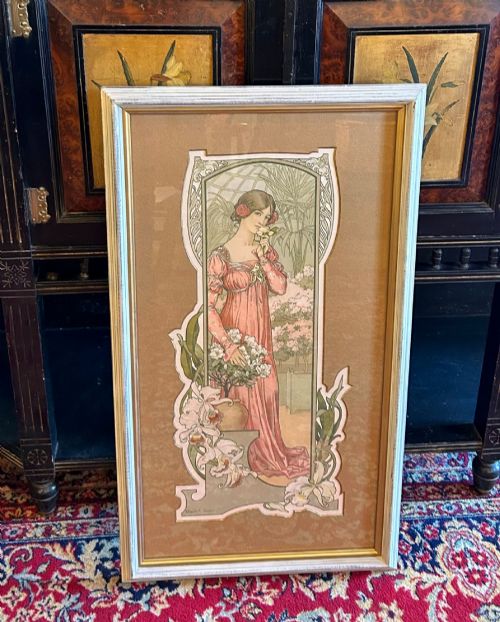
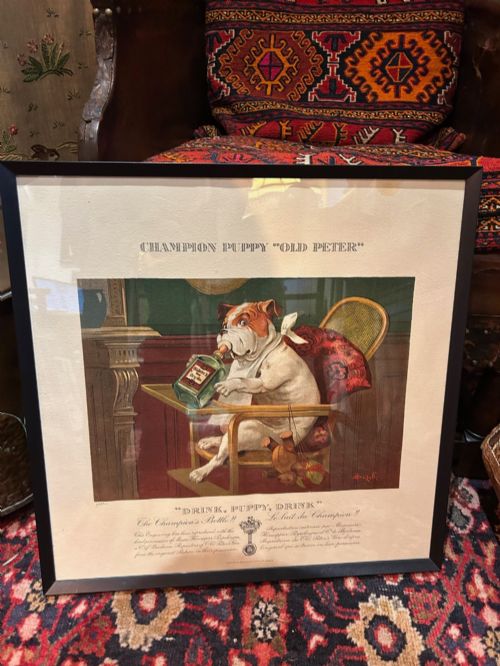
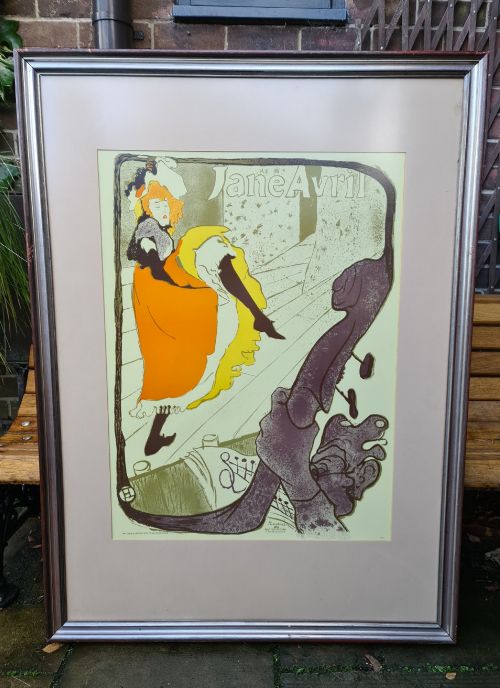
You are most likely to meet works depicting natural history, architectural plans, sporting scenes, and theatrical subjects. These pieces appear mounted in various frames including wood, giltwood, and glass.
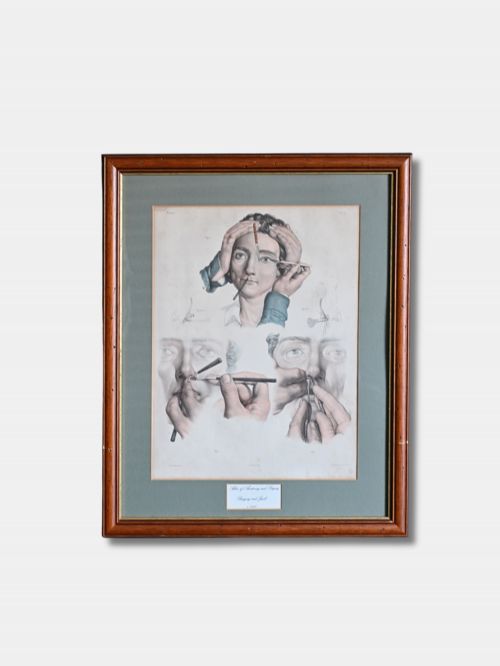
The inventory covers diverse visual forms ranging from single plates like botanical studies to sets illustrating months, medical procedures, or historical figures such as Napoleon.
What varies in quality
The depth of ink impression and the precision of the hand colouring separate standard examples from finer plates. Crisp lines in architectural plans and botanical studies indicate careful printing.
The preservation of the paper and the quality of the framing materials, such as original giltwood and gold leaf surrounds, influence the character of the piece.
One cheerful plate depicts a blue-faced parrot perruche alongside agricultural scenes of cattle, sheep, and racing jockeys.
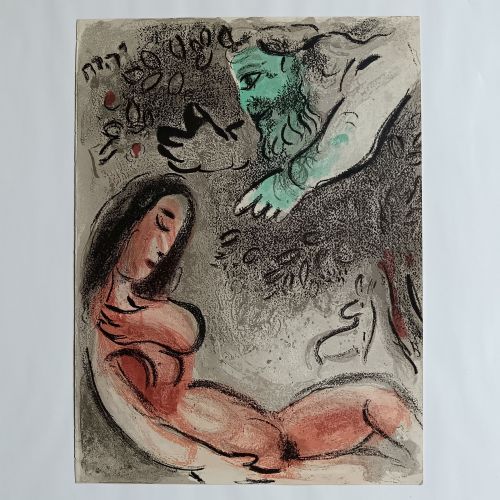
Elisabeth Sonrel·Marcellin Auzolle·Marc Chagall·Henri Joseph Harpignies·Victor Adam
The French Lithograph Prints Glossary
- Lithograph
- A print produced by a printing process based on the repulsion of oil and water on a stone or metal plate. This technique allows for fine tonal gradations and detailed illustration.
- Hand-coloured
- A print finished with applied watercolour or tinting by hand after the initial ink transfer. This method adds individual colour variation to botanical and costume plates.
- Giltwood
- Wood carved and coated with gold leaf or metallic paint to create a lustrous frame finish. It appears frequently on nineteenth-century framed art.
- Art Deco
- A design style emerging in the early twentieth century characterised by sleek geometric forms and stylised motifs. Examples from this period reflect modernism in French poster art.
French Lithograph Prints: Frequently Asked Questions
How do I hang framed lithographs safely?
Ensure the wall hooks support the weight of the wood or giltwood frame and glass securely. Hang them away from direct sunlight to protect the paper and ink from fading.
Space the pieces evenly if arranging a set of prints, keeping them at eye level for optimal viewing in a room.
What subjects are common in these prints?
Subjects range from natural history illustrations like birds and livestock to architectural plans and theatrical scenes. Portraits of historical figures and advertising posters also feature prominently.
Many listings comprise sets depicting sequential themes, such as the months of the year or medical procedures.
How can I tell the period of a print?
Examine the stylistic markers, such as Art Nouveau curves or Art Deco geometries, alongside the paper and framing materials. Nineteenth-century pieces often display distinct typography and subject matter.
Dates noted in titles or signatures provide a direct indication of when the work was produced.
Are these prints usually sold framed?
Many examples on this page arrive mounted in wooden, giltwood, or glass frames ready for display. The framing often complements the era of the artwork.
Check individual descriptions to confirm whether a piece retains its period frame or requires new mounting.