



French Iron Bed Frame
These French iron bed frames combine sturdy metal construction with elegant styling, offering a durable and decorative centrepiece for your bedroom.
French Iron Bed Frame
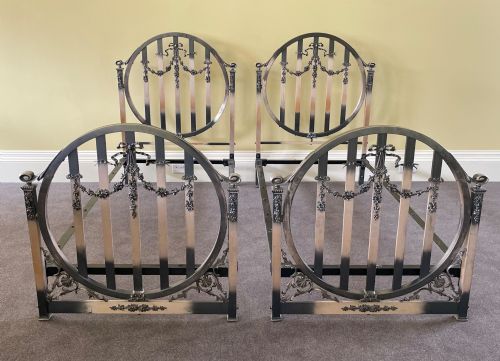
When you search for a french iron bed frame, you are looking at metal sleeping furniture spanning several decades from the late nineteenth century through to the early twentieth century. The selection includes single beds, double beds, daybeds, and larger sizes like king and super king dimensions.
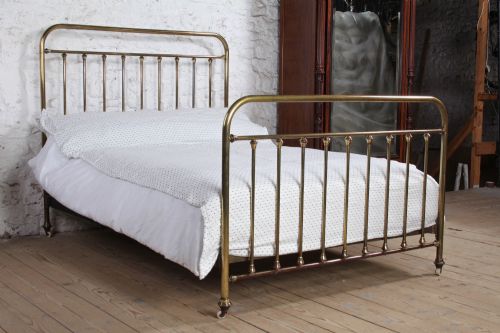
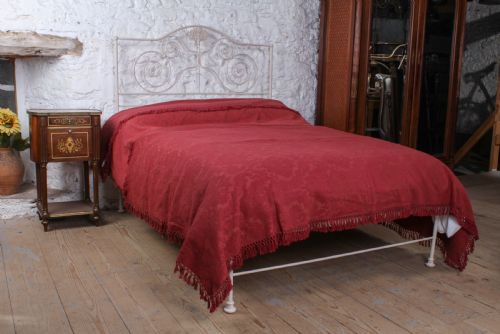
You are most likely to meet pieces finished in cast iron, wrought iron, and brass, often incorporating painted metal surfaces or nickel plating. Styles range from French country and provincial designs to Victorian and Art Nouveau influences.
The objects serve both practical sleeping functions and strong decorative roles within period or rustic European interiors. Many examples feature distinctive configurations such as no end designs or half tester structures.
Materials and construction
Makers utilised heavy cast iron and malleable wrought iron to build robust structural frames capable of supporting everyday use. Brass components were frequently added for decorative contrast, creating the familiar two-tone appearance seen across many examples.
Surface finishes involved applied paint, painted metal effects, and protective nickel plating to prevent corrosion and enhance visual appeal. Forged iron elements show evidence of manual shaping, resulting in individual curves and joints specific to each bedstead.
Some single beds arrive with secret matching tendencies, ready to be joined together like long-lost friends.
What separates the best from the rest
Quality in these metal frames rests on the complexity of the ironwork and the crispness of any brass detailing. Beds featuring sophisticated casting or hand-forged elements display a higher level of artisan skill than mass-produced alternatives.
The integrity of the original surface finish, whether painted metal, nickel plating, or polished brass, defines the preservation state. Examples retaining authentic paint effects or original plating present a more cohesive historical character than heavily altered pieces.
The French Iron Bed Frame Glossary
- Cast iron
- Iron shaped by pouring molten metal into a mould, creating sturdy structural components with solid weight. It forms the primary framework for many nineteenth-century bed frames.
- Wrought iron
- Iron beaten and heated by hand into shape, yielding fibrous textures and visible hammer marks. This material allows for slender, curved decorative elements.
- Nickel plating
- A thin protective coating of nickel applied over base metals to provide a bright, corrosion-resistant finish. It appears frequently on early twentieth-century frames.
- Half tester
- A bed featuring a short canopy that projects from the wall or headboard over the upper portion of the mattress. This style creates an intimate sleeping alcove without enclosing the entire bed.
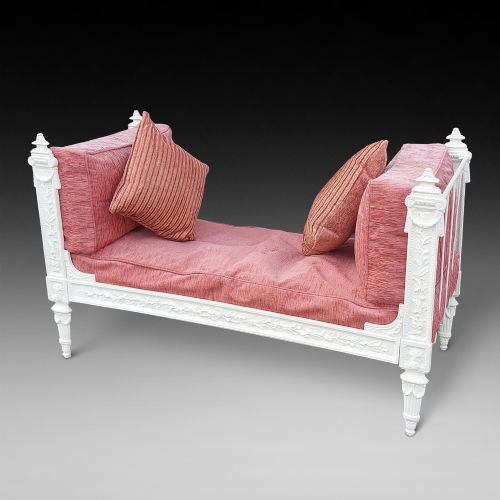
- Daybed
- A piece of furniture functioning as a sofa during the day and a bed at night. These often incorporate low iron backs and sides suitable for placement against a wall.
French Iron Bed Frame: Frequently Asked Questions
Are these beds standard sizes?
Many older metal beds were built to dimensions that differ slightly from modern standard mattress sizes. It is essential to check the specific length and width measurements provided for each frame before purchasing a mattress.
Adapting modern mattresses or sourcing custom bases is sometimes necessary to ensure a proper fit within antique side irons.
How do I assemble an iron bed?
Most antique metal beds utilise simple wedge-fit or slot-in side rail connections that lock the headboard and footboard together without requiring complex tools. Tapping the joints gently with a rubber mallet helps seat the metal wedges securely into place.
Checking that the side irons sit square ensures the entire frame remains stable and supports the mattress base evenly.
Can these beds be painted?
While many pieces retain their original painted surfaces, others have been recoated over the decades to suit different decorative schemes. If you wish to change the colour, selecting appropriate metal primers and paints ensures good adhesion to the iron.
Preserving original paint effects is often preferred by collectors who value the historical patina of the metalwork.