


Painted Metal Double Bed
A painted metal double bed brings practical solidity and period character to a bedroom through robust iron framing and decorative brass detailing.
Painted Metal Double Bed
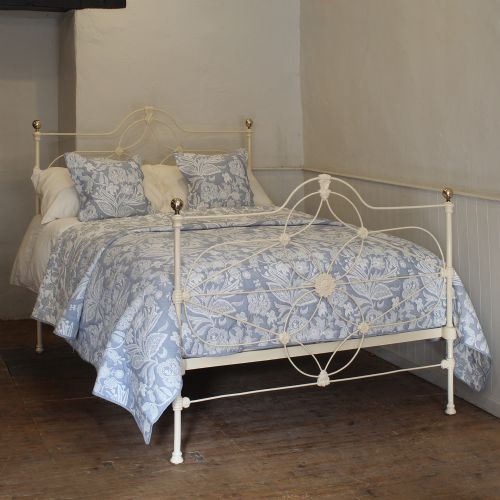
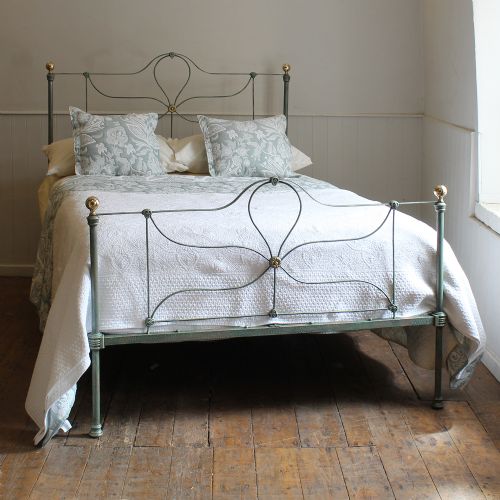
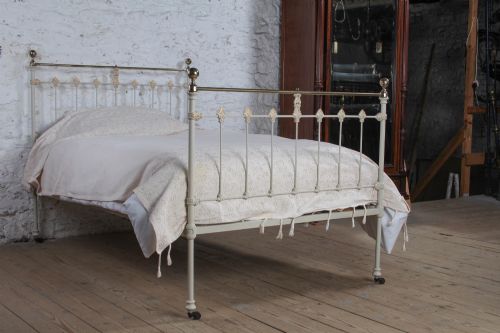
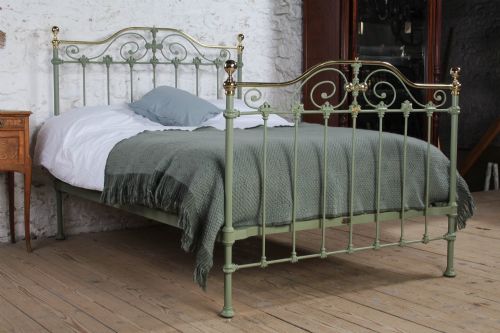
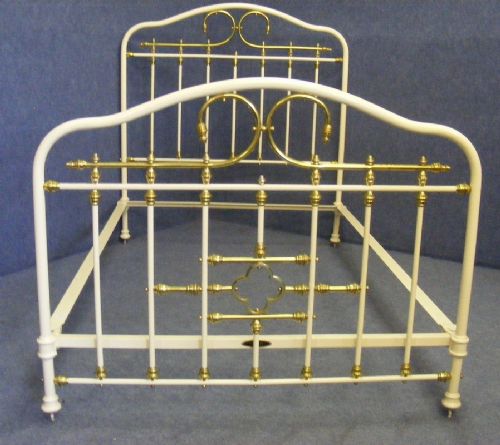
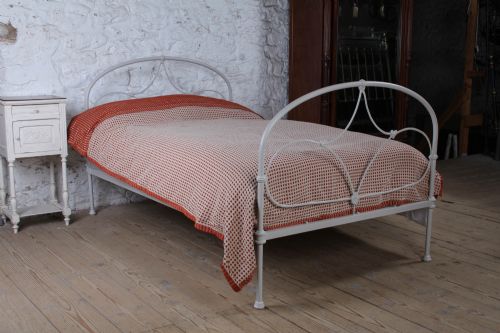
When you search for a painted metal double bed, you are looking at substantial Victorian, Edwardian, and early twentieth-century bedframes designed for domestic sleeping quarters. These pieces combine structural metal frameworks with painted finishes, often accented by polished brass elements.
The versions you are most likely to meet on this page span from the 1870s through to the 1920s, encompassing standard double sizes alongside small doubles and occasional king sizes. Regional varieties such as Irish and Celtic pieces appear alongside French and American stylistic influences.
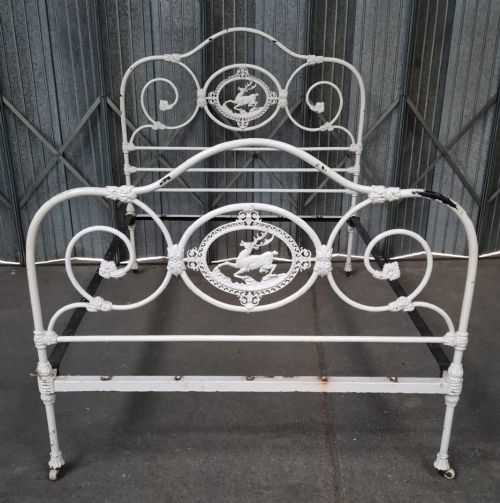
Forms range from simple all-iron constructions with curly or forged profiles to elaborate half tester designs with castors and decorative brass components. The overarching aesthetic relies on the contrast between dark or verdigris painted metal surfaces and bright metallic highlights.
How they were made
The construction of these bedframes relies primarily on cast iron, wrought iron, and forged iron to build a rigid and durable load-bearing chassis. Skilled founders poured molten metal into moulds to create decorative castings, while blacksmiths shaped wrought and forged iron for structural bars and scrolled details.
Surfaces received protective and decorative coatings of paint, occasionally showing original paint effects or verdigris finishes that have survived over the decades. Brass embellishments, including knobs, rails, and decorative castings, were integrated to contrast against the painted iron body.
The listings span from 1870 through to 1920, covering Victorian and Edwardian periods with materials including cast iron, brass, and painted finishes.
What varies in quality
The distinction between ordinary and superior examples lies in the intricacy of the metal casting and the refinement of the brass detailing. Heavier gauge ironwork, crisper decorative motifs, and well-executed original painted surfaces elevate certain bedframes above standard production models.
Structural complexity also dictates standing, with specialised configurations such as half tester canopies, detailed dip rails, and integrated castors representing more ambitious manufacturing standards of their respective periods.
The Painted Metal Double Bed Glossary
- Cast iron
- Iron shaped by pouring molten metal into a mould, allowing for complex decorative patterns on headboards and footboards.
- Wrought iron
- Iron that has been heated and hammered by hand or machine, providing strong and pliable structural components.
- Half tester
- A bedstead featuring a partial canopy extending from the headboard, historically used to suspend fabric drapes.
- Dip rail
- A headboard or footboard top rail curving downwards towards the centre, frequently seen in Victorian designs.
- Verdigris
- A green patina formed naturally or artificially on copper, brass, or iron surfaces through oxidation.
- Castor
- A small wheel mounted on the base of the bed legs to facilitate movement across the floor.
Painted Metal Double Bed: Frequently Asked Questions
Will a standard modern mattress fit these antique beds?
Many nineteenth and early twentieth-century frames differ slightly from modern metric dimensions, though standard double sizes generally accommodate contemporary mattresses with careful measurement of the interior rails.
Sourcing appropriate wooden slats or modern base supports allows these historic frames to function securely with current bedding.
How should I clean the painted metal and brass?
Maintenance involves gentle dusting with a dry cloth and avoiding harsh chemical solvents that might strip original painted finishes or vintage verdigris.
Exposed brass components can be polished lightly with a non-abrasive metal cleaner if a brighter finish is desired, leaving the surrounding paint undisturbed.
How do I assemble an antique metal bed?
Most antique metal bedsteads utilise simple wedge joints or bolt connections where the side rails slot directly into the headboard and footboard posts.
Tightening these joints securely ensures the entire frame remains square and stable once upright.
How can I tell a Victorian bed from an Edwardian one?
Victorian examples from the 1870s to 1900 often feature heavier cast ironwork, elaborate scrolling, and ornate brass detailing influenced by revival styles.
Edwardian pieces from the early 1900s tend toward slightly lighter proportions and cleaner structural lines reflecting changing domestic tastes.