


French Iron Andirons
French iron andirons anchor the hearth with solid metalwork, supporting logs while bringing period character to the chimney breast.
French Iron Andirons
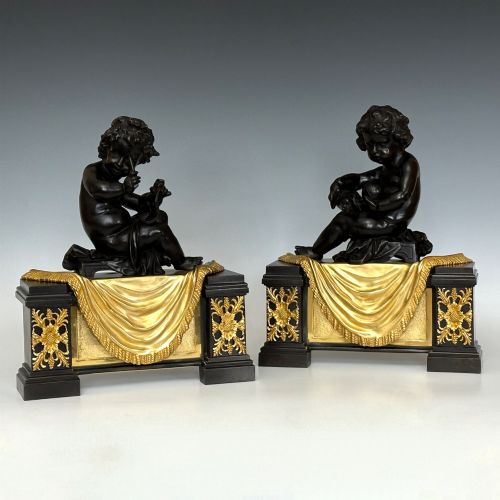
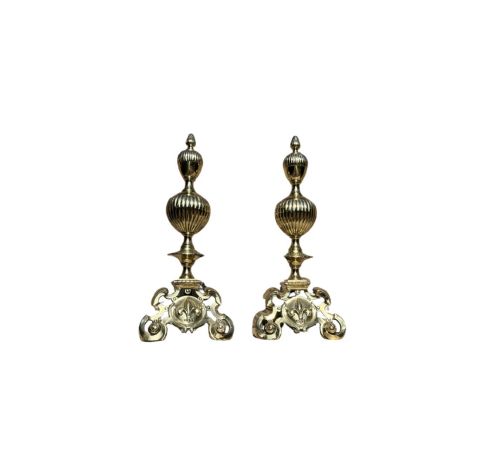
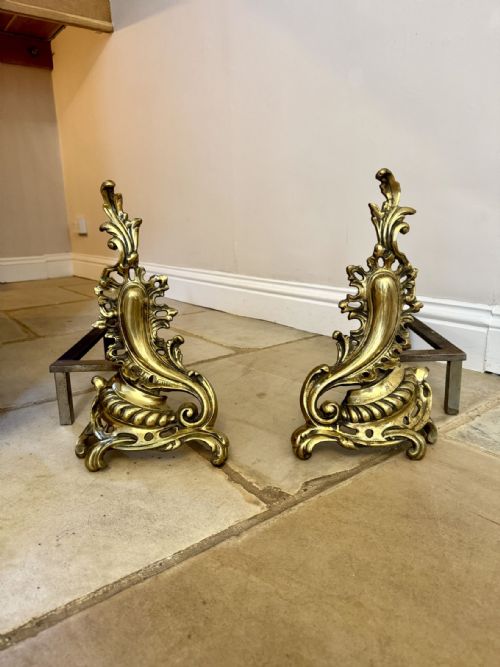
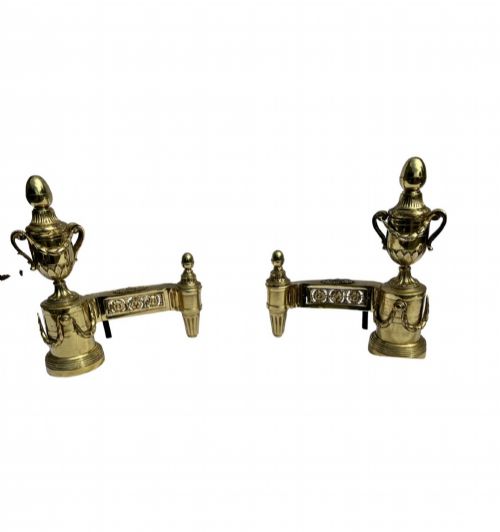
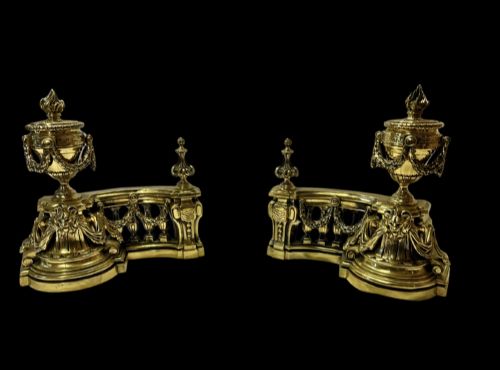
These hearth supports appear across various forms, including heavy utility pairs and ornate examples featuring decorative bronze or ormolu mounts. When searching for french iron andirons, a buyer encounters everything from austere 19th-century forge work to elaborate rococo and gothic revival designs.
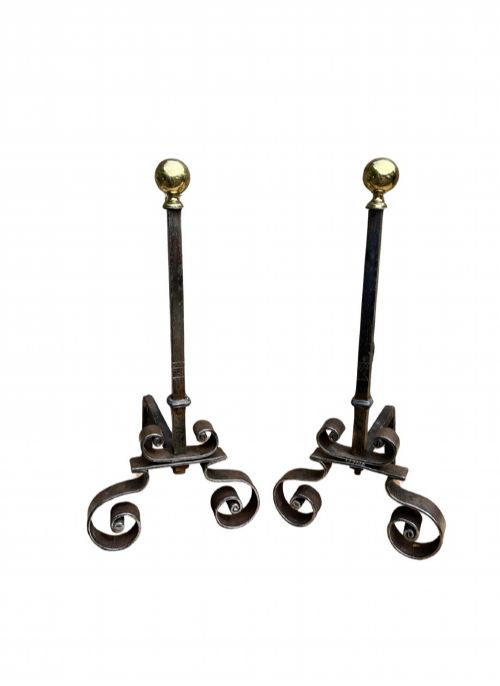
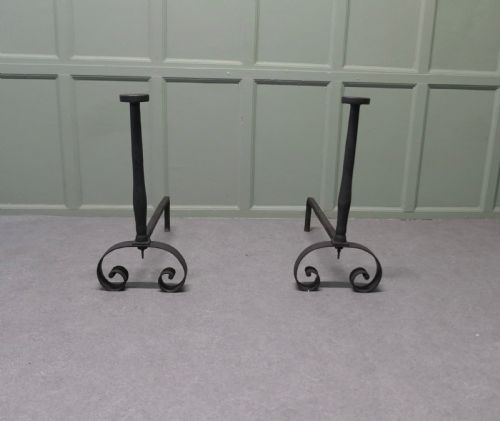
The selection ranges from simple cast iron bodies to substantial wrought iron bars fitted with tool rests and fire grates. Pieces date from the 17th century through to the early 20th century, drawing upon traditional country house aesthetics as well as formal Louis styles.
Most examples function as pairs designed to hold logs above the hearth floor for better airflow. The heavier iterations suit large inglenook fireplaces, while slender versions fit smaller decorative grates.
Assessing quality and presence
Quality reveals itself in the substance of the metal and the crispness of any cast or chased ornamentation. Heavy, thick-section iron and robust forged joints distinguish superior utility pieces from lighter later reproductions.
Design execution determines visual impact, where balanced proportions and well-defined figural elements or rococo scrolls separate standard workshop output from finer decorative foundry work.
Materials recur across iron, wrought iron, cast iron, brass, bronze, and gilt ormolu mounts.
The French Iron Andirons Glossary
- Andiron
- A horizontal support raised on legs, placed in pairs inside a fireplace to hold logs above the hearth floor. These metal dogs allow air to circulate beneath the fire for better combustion.
- Chenet
- The French term for an andiron, often applied specifically to the decorative front portion visible outside the hearth opening. They frequently incorporate cast bronze or ormolu mounts.
- Firedog
- An alternative name for an andiron, referencing the animal or dog-like supports historically used to prop up burning wood. They serve both a utilitarian load-bearing function and a decorative purpose.
- Ormolu
- Finely ground high-carat gold applied to a bronze base using a mercury amalgamation technique, creating a rich golden surface. This costly finish appears on high-status French hearth furniture.
- Wrought iron
- Iron that has been heated and hammered into shape by a blacksmith, identifiable by its fibrous grain and hand-finished surface texture. It resists thermal shock better than cast iron.
French Iron Andirons: Frequently Asked Questions
How do I choose the right size for my fireplace?
Measure the depth and width of your hearth opening before selecting french iron andirons. Heavy, massive pairs require deep inglenook spaces, while compact cast iron versions suit shallow contemporary grates.
Ensure the horizontal bars provide enough length to support your standard log sizes safely. Clearance around the sides prevents the metal from touching surrounding brickwork too closely.
Can I use antique andirons with a modern fire?
Original iron and steel examples handle heat well and function effectively in active open wood-burning fireplaces. Solid cast and wrought iron withstand high temperatures without losing structural integrity.
Verify that the weight and length match your specific hearth setup before lighting fires. Regular cleaning removes soot and ash buildup to protect the metal surfaces.
What is the difference between andirons and chenets?
The terms are often used interchangeably, though chenet traditionally refers to the decorative frontal piece. French iron andirons usually combine a utilitarian log-holding bar with an ornamental front face.
Simpler utilitarian variants lack elaborate decorative mounts entirely. Highly ornate examples prioritise the front-facing brass or bronze sculpture over heavy iron utility.
How do I date an older pair?
Examine the fabrication marks, surface texture, and stylistic details to determine age. Hand-forged wrought iron with tool marks often points to 18th-century or earlier craftsmanship, while uniform cast elements frequently indicate 19th-century production.
Stylistic cues such as rococo scrolls, gothic tracery, or neoclassical caryatids align with specific revival periods. Comparing construction methods against documented archive pieces helps narrow down the decade.