
French Glass Vitrine
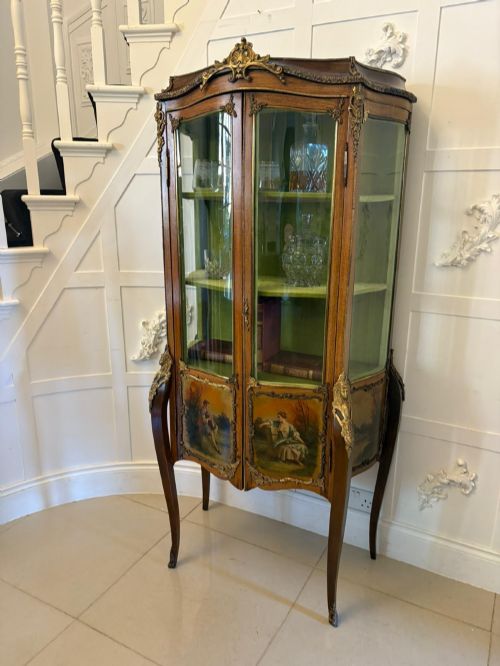
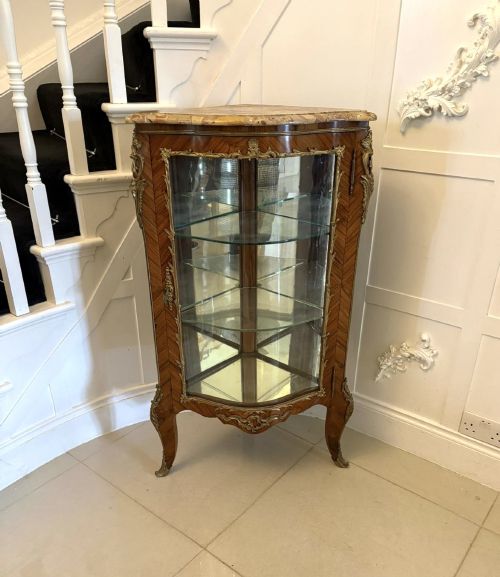
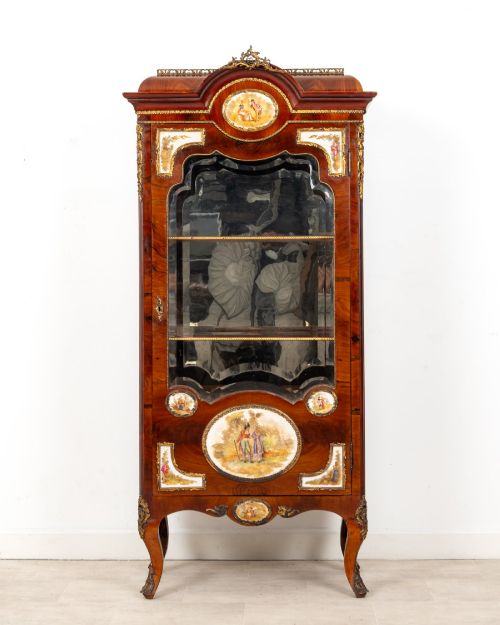
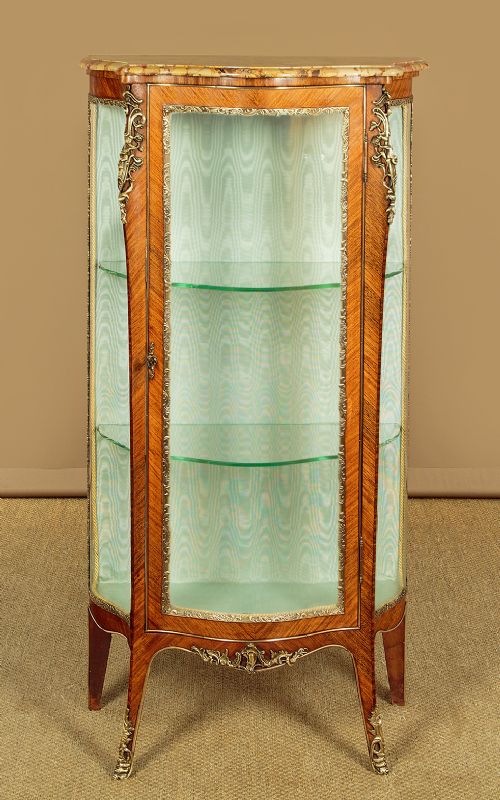
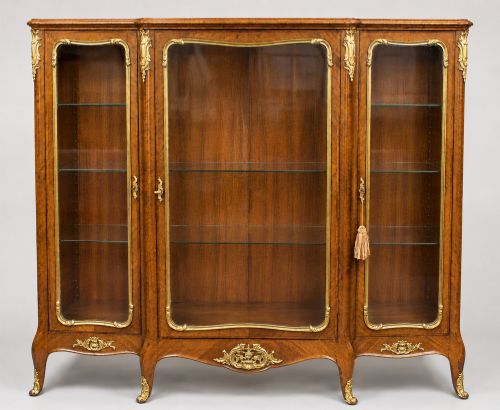
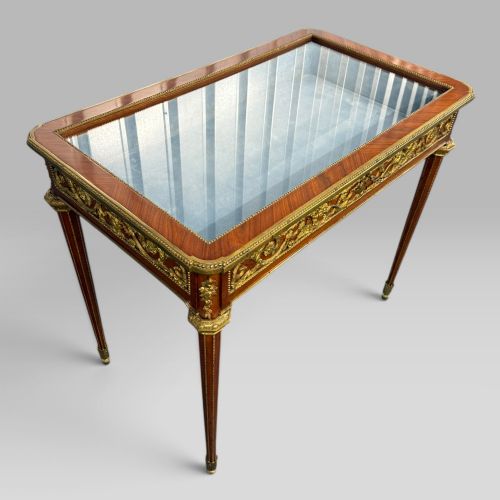
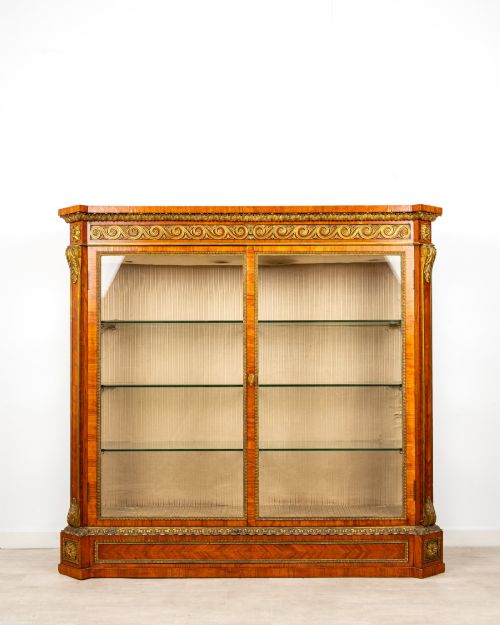
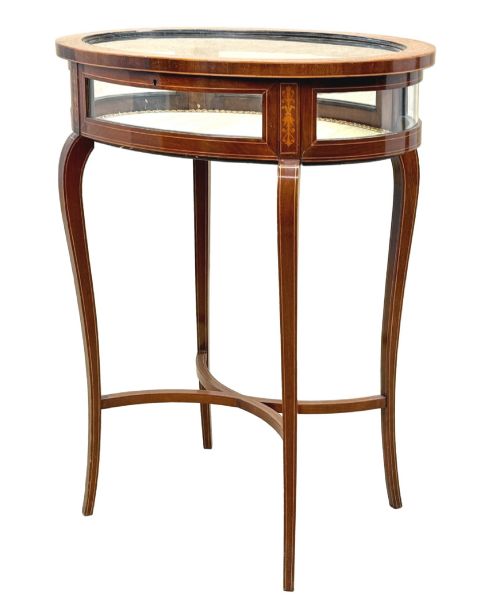
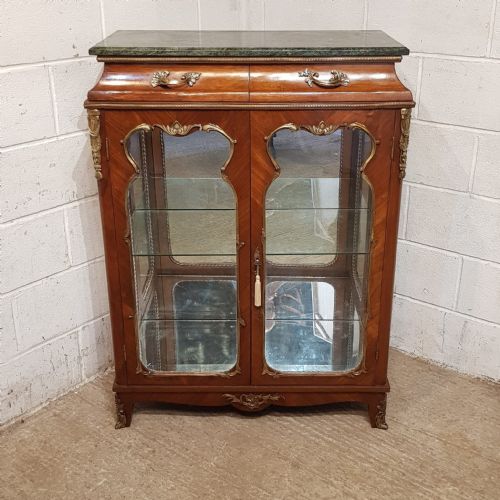
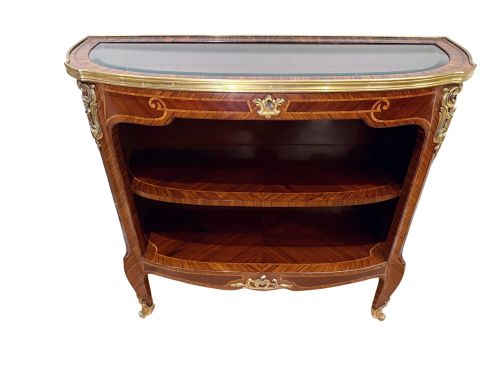
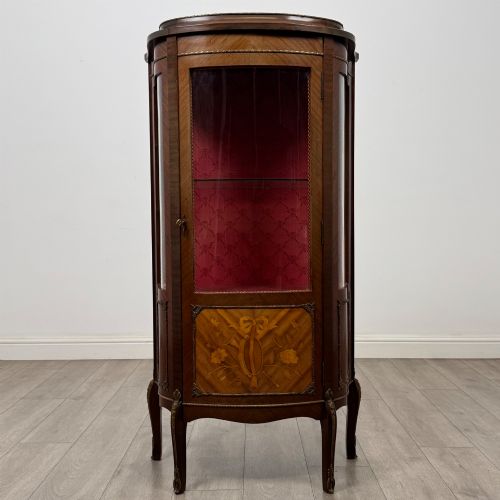
These pieces of french glass vitrine are refined display cabinets and tables designed to showcase fine possessions behind curved or flat glass panels.
French Glass Vitrine
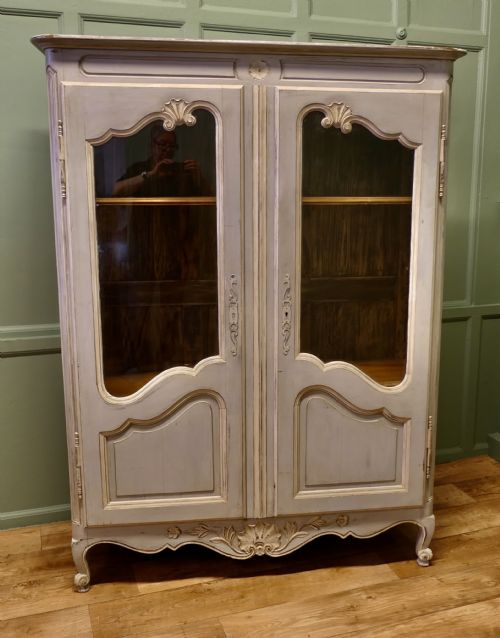
A french glass vitrine serves primarily as a domestic display cabinet or glazed bookcase, originating largely from nineteenth-century workshops in revivalist styles.
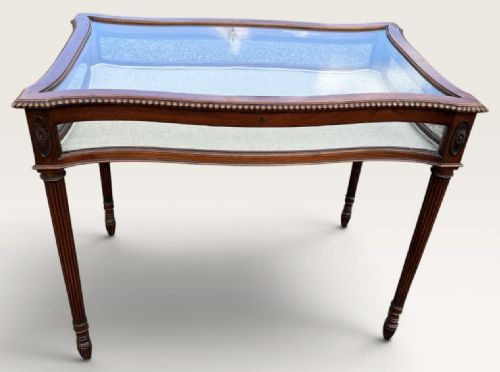
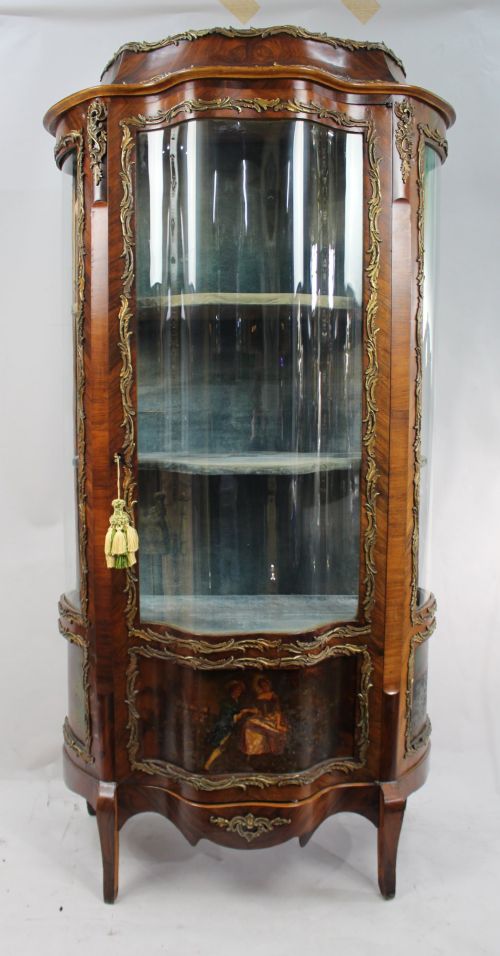
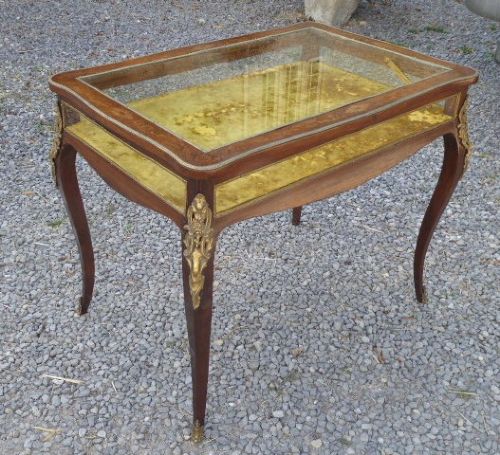
Buyers commonly encounter freestanding floor cabinets with serpentine or straight fronts, alongside smaller table-height bijouterie pieces intended for tabletop collections.
The architectural forms draw heavily on Louis XV and Louis XVI design vocabulary, often featuring chateau-style proportions adapted for formal drawing rooms.
Materials and Construction
Cabinetmakers constructed carcass frames from hardwoods like mahogany, walnut, and oak, frequently veneered with figured kingwood or embellished with marquetry and parquetry patterns.
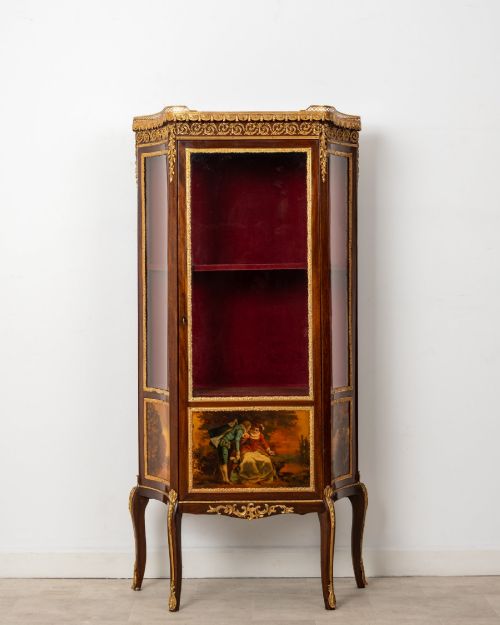
Surface ornamentation relies on cast ormolu mounts and gilt-bronze fixtures that accent corners, friezes, and feet, paired with marble tops on select cabinet designs.
Painted decorative panels executed in the Vernis Martin technique appear alongside glazed doors and glass shelving to complete the housing for objects.
Materials documented across the inventory include kingwood, mahogany, walnut, oak, marble, ormolu, fabric, and velvet.
Assessing the Standard
The calibre of a french glass vitrine depends on the crispness of its gilt-bronze mounts and the complexity of the timber veneers utilised across the carcass.
Masterworks exhibit fluid serpentine lines, substantial marble slabs, and meticulous hand-painted Vernis Martin panels rather than simple transfer prints.
Structural integrity, heavy timber weight, and the precise fit of curved glass doors distinguish exceptional cabinetmaking from standard production.
François Linke·H. J. Hatfield & Sons
The French Glass Vitrine Glossary
- Vernis Martin
- A simulated Japanese lacquer technique developed in eighteenth-century France, used to create lustrous painted decorative panels on furniture.
- Ormolu
- Gilded bronze cast and chased to ornament furniture mounts, key escutcheons, and structural corners.
- Bijouterie table
- A glass-topped display table specifically designed for holding small personal treasures, medals, or jewellery.
- Serpentine
- A curved shape characterised by a concave centre flanked by convex ends, creating a flowing undulating front.
- Parquetry
- Geometric patterns formed by small pieces of contrasting veneer fitted together across a wooden surface.
French Glass Vitrine: Frequently Asked Questions
What is a french glass vitrine used for?
These cabinets were built to display porcelain, miniatures, and precious ornaments safely behind glass doors while protecting them from dust.
Today, they serve the same decorative purpose in domestic interiors, holding collections of ceramics, glassware, or books.
How do you identify a Vernis Martin panel?
Vernis Martin panels feature hand-painted pastoral scenes or floral motifs rendered in a translucent, highly polished lacquer finish.
This technique gives the painted surface a deep, luminous quality distinct from standard oil or enamel paint.
What is the difference between a vitrine and a bijouterie table?
A vitrine is a tall, upright display cabinet featuring vertical glass doors and internal shelving for larger collections of objects.
A bijouterie table is low to the ground with a horizontal glass top, designed so viewers can look down at flat items like jewellery or medals.
Which woods are most common in these cabinets?
Kingwood and mahogany appear frequently as primary timbers, often selected for their rich grain patterns and suitability for high-end cabinetmaking.
Walnut and oak also feature across various nineteenth-century and Edwardian interpretations of French revival styles.