


French Giltwood Settee
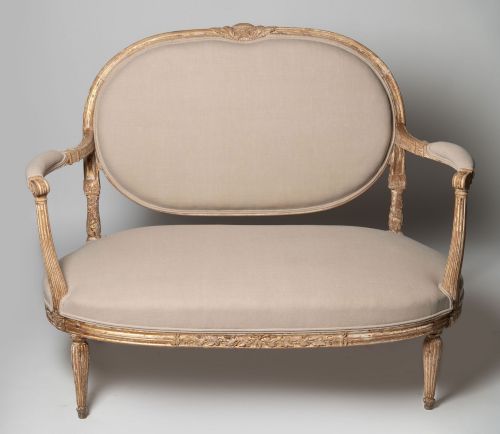
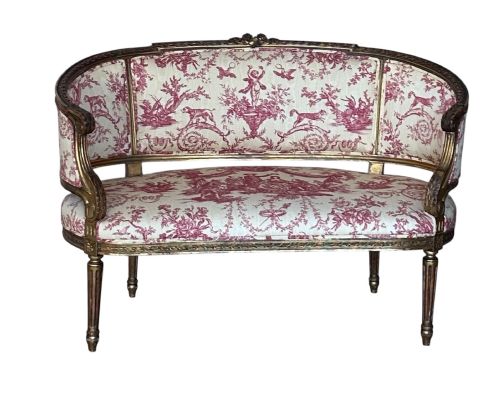
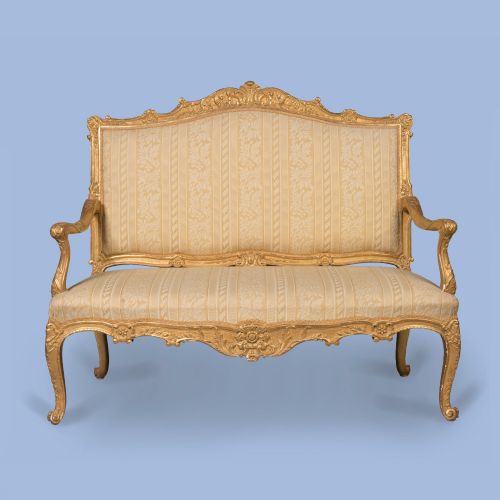
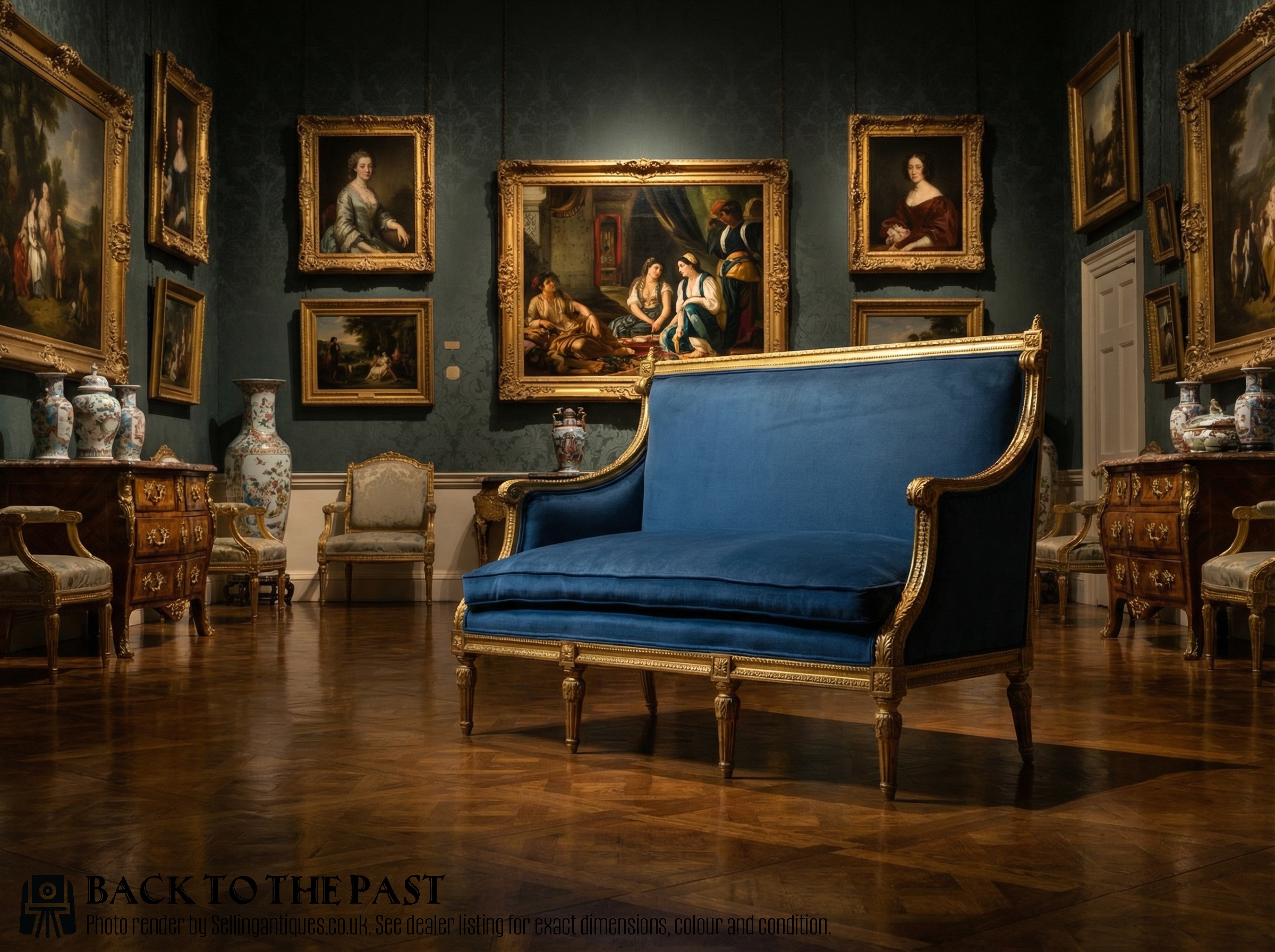
A french giltwood settee brings gilded grandeur and upholstered comfort to a salon, crossing styles from Louis XV curves to Louis XVI restraint.
French Giltwood Settee
A french giltwood settee is an upholstered two or three-seat sofa featuring a carved wooden frame finished in gold leaf or gilt paint. When you search this phrase, you encounter grand seating forms designed for formal rooms, ranging from compact boudoir seats to large salon sofas.
The pieces appearing on this page span the nineteenth century into the early twentieth century. Many adopt historical French vocabularies such as Louis XV and Louis XVI styles, alongside Rococo Revival interpretations and Empire designs.
Makers produced these seating pieces in varied formats including canapés, window sofas, and salon suites. While the majority originate from French workshops, the evidence also records examples originating in Sweden, Germany, and England.
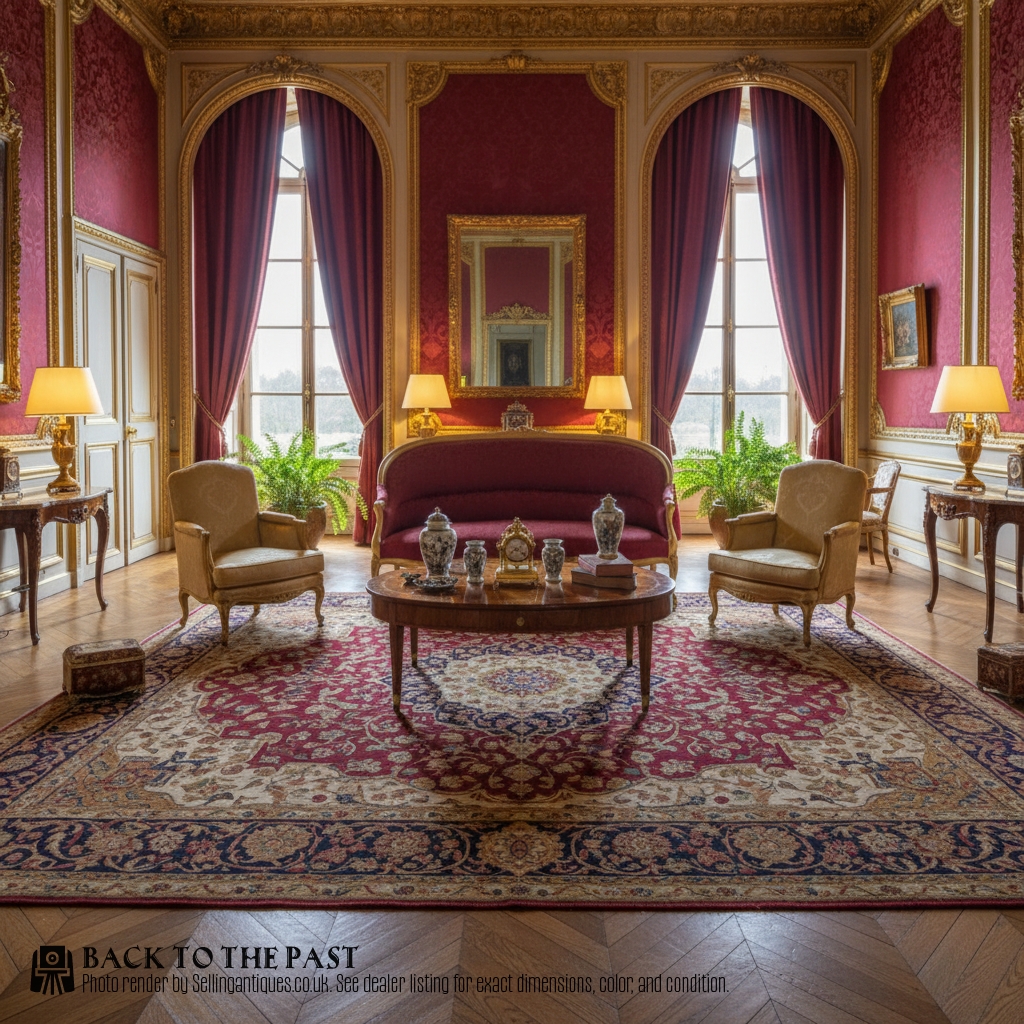
Materials and construction
Craftsmen shaped these frames from timber substrates, predominantly utilising beech and other sturdy woods suitable for intricate carving. Carvers applied ornamentation by hand before finishing the timber with layers of gold leaf or gilding.
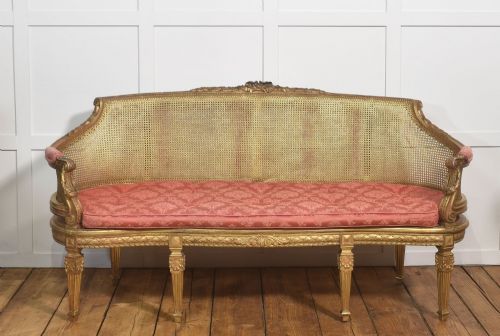
Upholstery completed the seating, incorporating traditional stuffing methods covered in textiles such as silk, linen, and patterned fabric. Certain variants substituted upholstered backs with woven cane panels set directly into the gilded wooden framework.
French Giltwood Settee Retail Price Guide 2026
Typical asking prices for french giltwood settee among the pieces listed under this phrase on Sellingantiques today, from the lower quarter to the upper quarter. They describe what is for sale here now, not the wider market.
Listings demonstrate a strong representation of nineteenth-century pieces, alongside twentieth-century revivals utilising beech, cane, and silk upholstery.
Evaluating craftsmanship and design
Quality rests significantly upon the crispness of the wood carving and the depth of the gilding applied to the frame. Superior examples display deeply sculpted floral or classical motifs executed with precision rather than superficial surface decoration.
Proportion and scale distinguish finer frames, where the sweep of the backrest and the curve of the cabriole legs achieve balanced harmony. The choice of upholstery materials and the integrity of the underlying cane work further separate standard seating from exceptional pieces.
The French Giltwood Settee Glossary
- Giltwood
- Timber coated with gold leaf or gold paint applied over a prepared gesso and bole ground. This finish catches candlelight and natural illumination in a formal interior.
- Canapé
- A traditional French term for a decorative sofa or settee, usually featuring an exposed carved wooden frame and upholstered seat and back.
- Louis XVI Style
- A neoclassical design vocabulary characterised by straight tapered legs, geometric symmetry, and restrained classical ornamentation.
- Louis XV Style
- An asymmetrical aesthetic defined by sweeping curves, cabriole legs, and elaborate naturalistic scrollwork.
- Cane
- Woven peeled rattan used to form openwork panels on the backs or seats of chairs and settees, offering lightness and texture.
French Giltwood Settee: Frequently Asked Questions
What is a canapé?
A canapé is a decorative upholstered settee with an exposed wooden frame. The term is widely used interchangeably with French sofa styles.
These pieces typically feature carved details along the crest rail and arms, functioning as primary seating in historic parlours.
How do I spot Louis XV versus Louis XVI styles?
Louis XV furniture relies on flowing curves, asymmetric motifs, and cabriole legs. It gives an impression of organic movement.
Louis XVI design shifts toward straight lines, symmetry, and classical restraint, often incorporating fluted tapered legs and geometric mouldings.
Where were these settees placed?
Historically, these settees occupied formal salons, drawing rooms, and boudoirs for entertaining and daily relaxation. They served both as functional seating and as statements of social standing.
Today, they integrate well into reception rooms, large bedrooms, and hallway settings where decorative presence matters.
Are all these settees French in origin?
While the design vocabulary is predominantly French, international makers produced similar seating. Workshops across England, Germany, and Sweden adopted French styles during the nineteenth century.
Listings reflect this wider European production alongside pieces made directly in France.