


French Gilt Pier Glass
A french gilt pier glass brings architectural depth and reflective warmth to a room, designed historically to hang on the wall space between two windows.
French Gilt Pier Glass
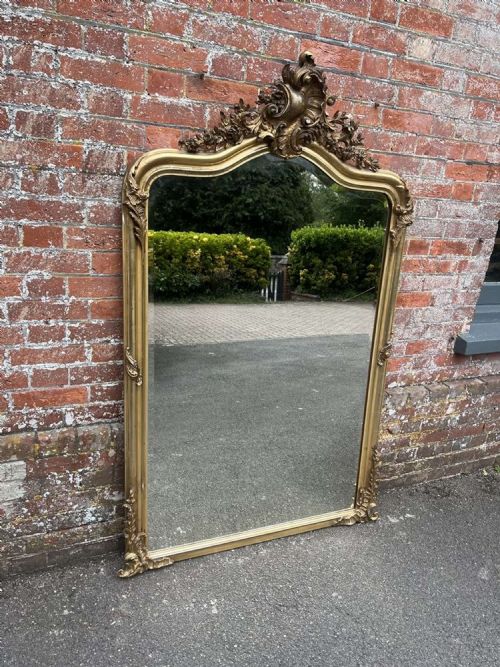
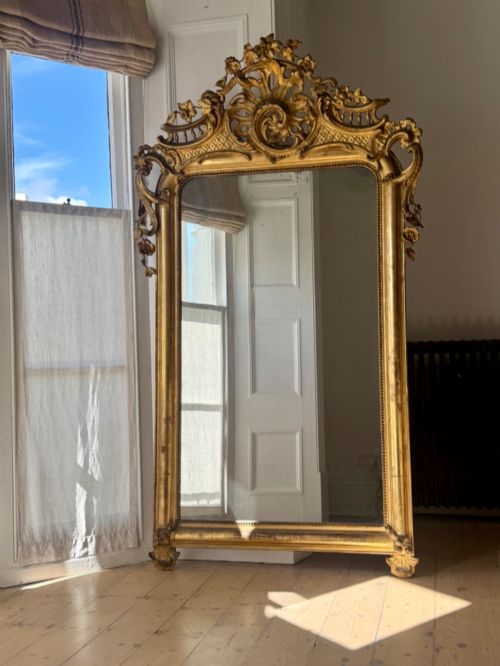
A french gilt pier glass is a tall wall mirror historically positioned on the narrow wall space, known as the pier, between adjacent windows or above a console table. These pieces predominantly date from the eighteenth and nineteenth centuries, originating from French and Victorian workshops.
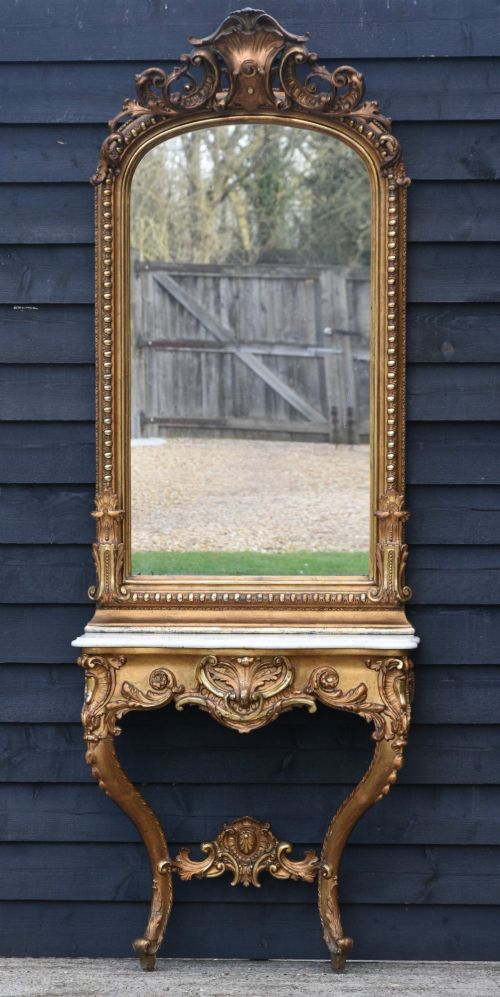
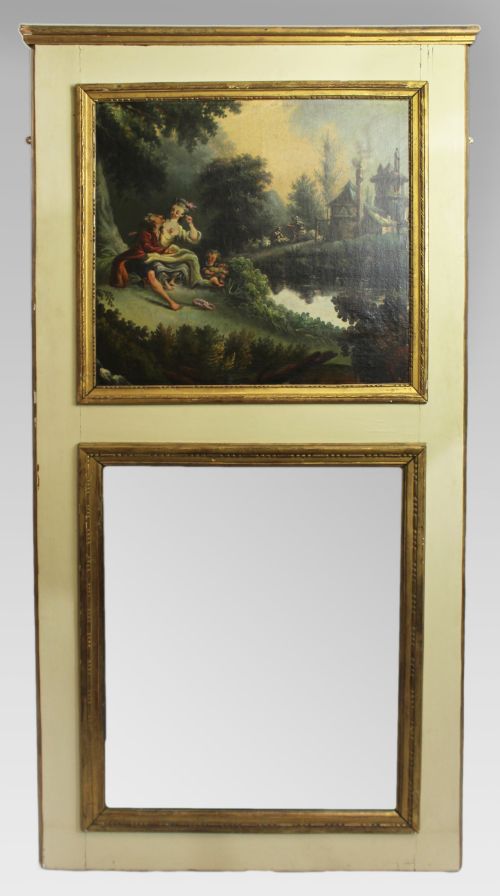
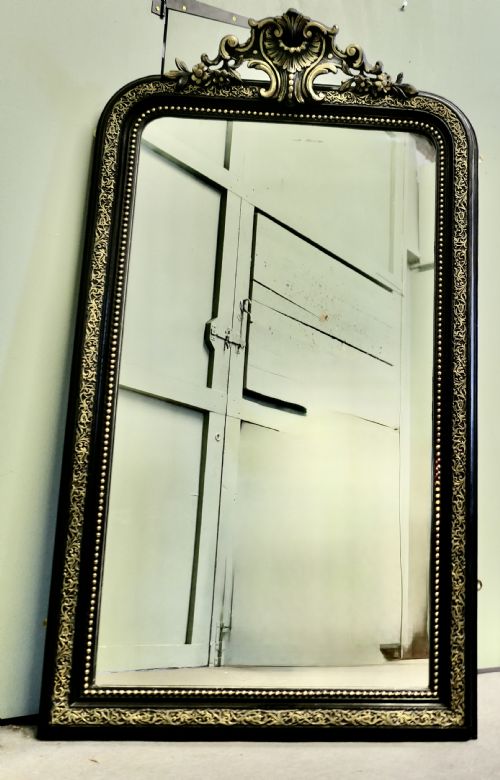
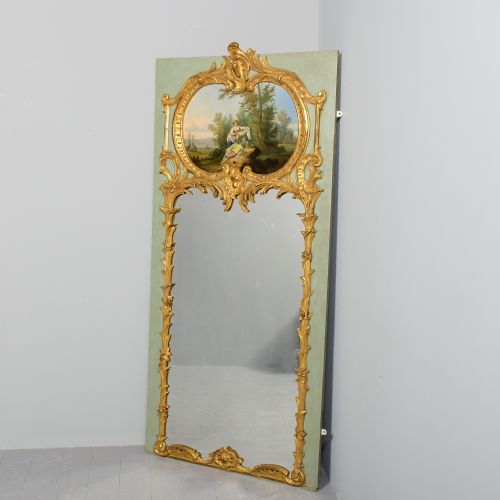
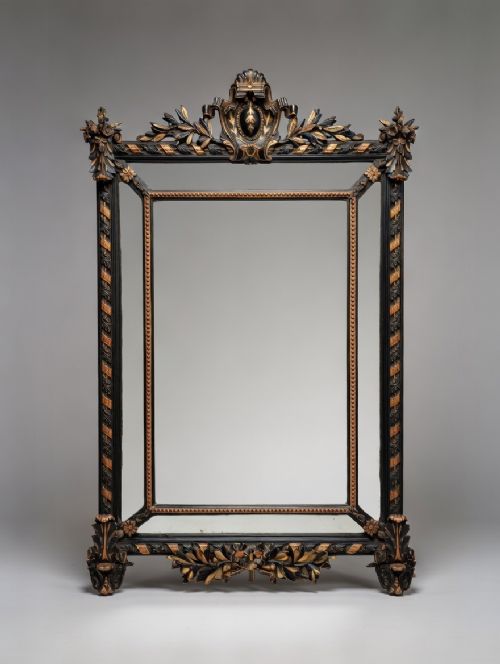
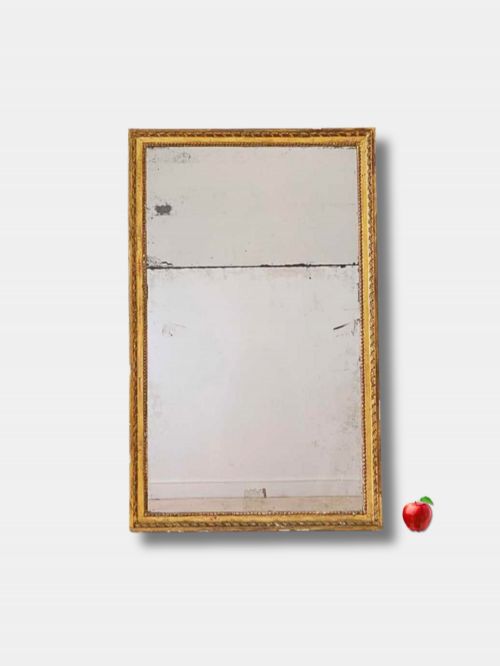
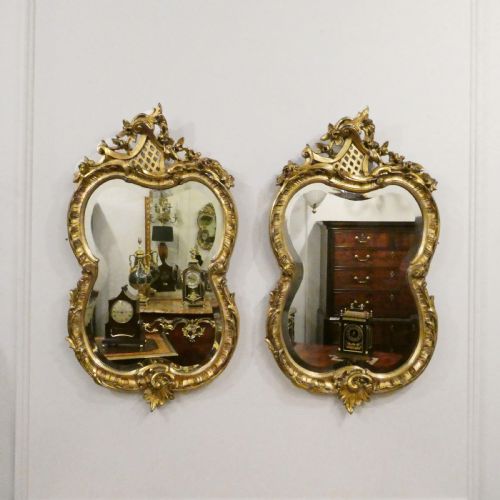
The selection includes tall trumeau mirrors featuring integrated pastoral oil paintings, grand giltwood frames in Rococo and Neoclassical styles, and matched console table and mirror sets. Surviving examples frequently exhibit traditional mercury glass plates alongside carved wooden frames.
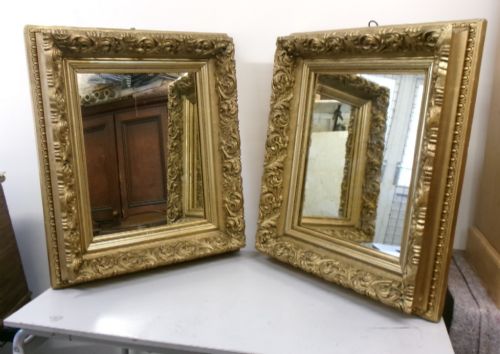
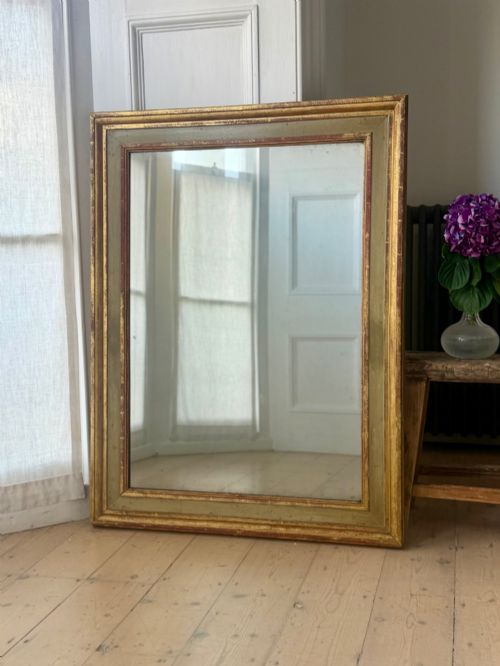
Buyers encounter both simple rectangular formats and heavily ornate arched designs reflecting the aesthetic tastes of the nineteenth century. These mirrors served to bounce natural light around high-ceilinged rooms and to balance the heavy timber and masonry of period interiors.
Materials and Construction Techniques
Makers built the foundational frames of a french gilt pier glass using timber such as pine or oak, upon which they applied layers of gesso to create smooth surfaces for carving. Artisans then gilded these prepared wooden structures using delicate sheets of gold leaf or silver gilt.
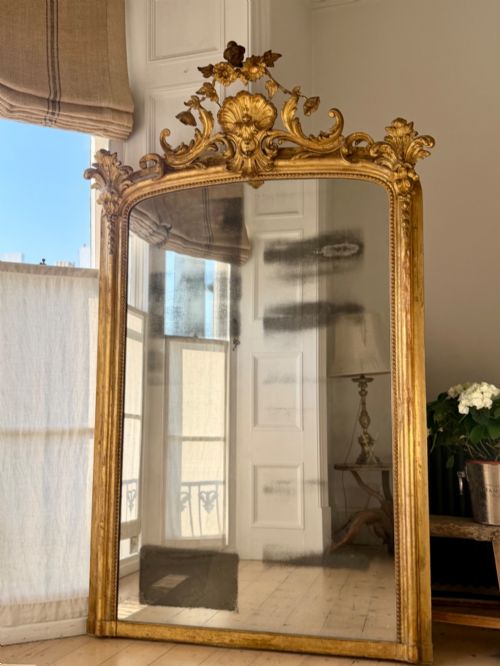
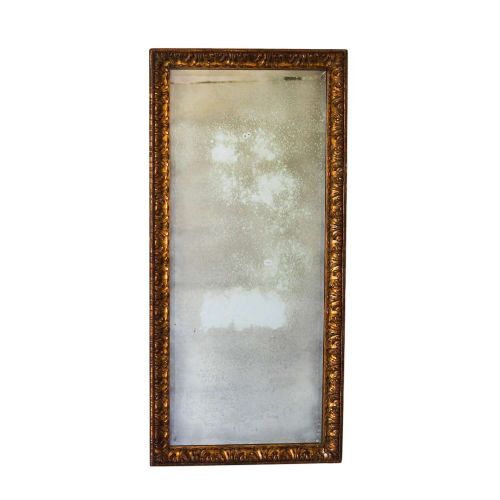
Many historical examples incorporate original mercury glass plates, characterised by their deep, uneven reflection and occasional foxing caused by the breakdown of the backing over time. Applied composition ornaments were often pressed into moulds and fixed to the wooden frames to build up complex relief decoration.
Listings feature eighteenth and nineteenth-century periods, incorporating materials such as giltwood, gesso, mercury glass, and painted wood.
Markers of Quality and Craftsmanship
Quality in a french gilt pier glass resides in the crispness of the hand-carved gesso details and the integrity of the underlying wooden joinery. Superior examples display deep, three-dimensional foliage and scrollwork rather than flat, moulded composition ornaments.
The condition and authenticity of the mirror plate significantly influence the character of the piece, with genuine period mercury glass offering a softer, darker reflection than modern silvered glass. Furthermore, the harmonious pairing of an original gilt frame with its matching console table elevates the coherence of the ensemble.
The French Gilt Pier Glass Glossary
- Pier glass
- A tall mirror designed specifically to hang on the wall space between windows. These mirrors were often hung above low cabinets or console tables.
- Trumeau
- A decorative architectural wall panel that incorporates a painted scene or an oil canvas alongside a mirror plate. They were widely utilised in eighteenth and nineteenth-century French interiors.
- Gesso
- A plaster-like mixture applied to wooden frame substrates to provide a smooth, sculptural base for subsequent gilding. Skilled carvers worked the dried gesso to achieve sharp decorative details.
- Mercury glass
- A type of double-walled blown glass containing a silvering mixture inserted between the glass layers, producing a distinctive speckled reflection. It predates modern chemical silvering methods.
- Giltwood
- Timber carved and coated with a thin layer of gold leaf or metallic powder. It provides a durable, reflective finish characteristic of formal period furniture.
French Gilt Pier Glass: Frequently Asked Questions
Where should I hang a pier glass?
Historically, a french gilt pier glass was manufactured to occupy the narrow strip of wall situated between two windows. This placement maximised the distribution of natural daylight throughout large reception rooms.
In modern interiors, these tall mirrors function effectively above mantelpieces, low sideboards, or console tables. Their vertical proportions help to create an illusion of increased ceiling height.
How do I identify original mercury glass?
Original mercury glass displays a cloudy, deep reflection with dark spots, known as foxing, scattered across the surface. The backing often shows signs of age and uneven oxidation.
Modern replacement plates tend to offer a uniform, bright reflection without the historic depth and subtle imperfections characteristic of nineteenth-century glass.
What is a trumeau mirror?
A trumeau mirror combines a vertical mirror plate with an integrated decorative oil painting or carved wooden panel above it. These panels frequently depict pastoral scenes or classical motifs.
Originating in eighteenth-century France, they were built directly into the decorative wall panelling of formal salons.
How do I care for antique giltwood?
Giltwood frames require gentle treatment to preserve the delicate gold leaf surface. Dusting should be performed softly using a dry, lint-free cloth without applying pressure.
Avoid liquid cleaners, polishes, and abrasive materials, as moisture and chemicals can dissolve the underlying gesso and lift the gold leaf from the wood.