

Large Ornate Wall Mirror
A large ornate wall mirror commands a room, reflecting light and adding architectural presence through heavy gilding and sculptural frames.

Large Ornate Wall Mirror
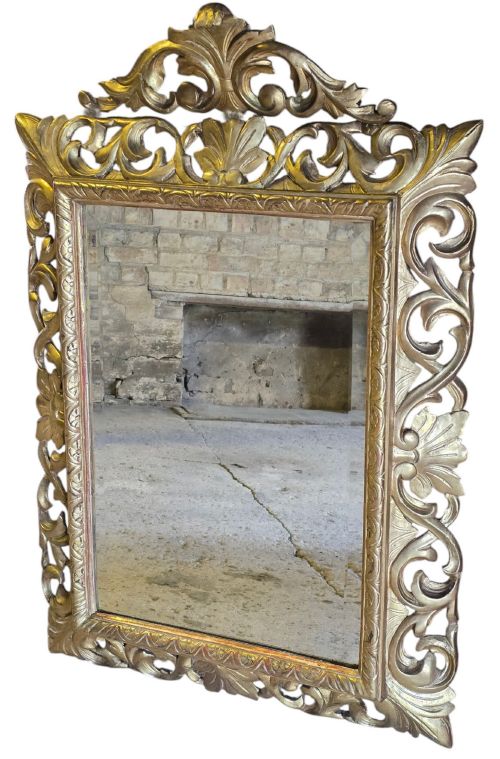
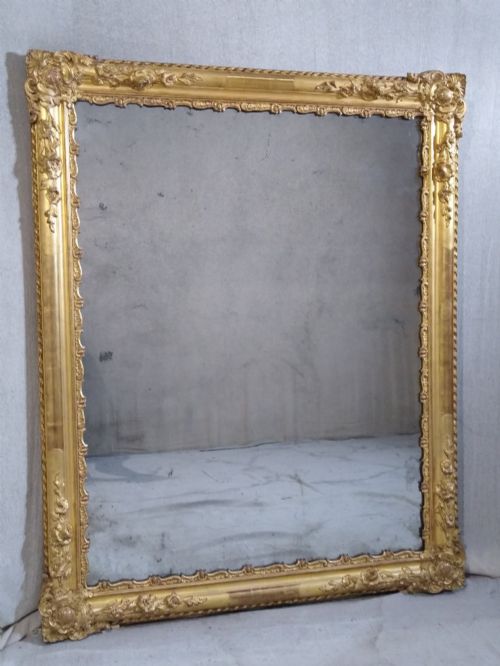
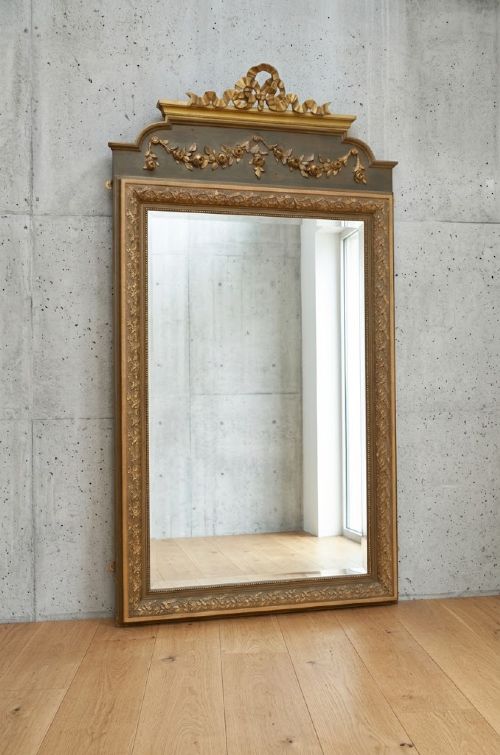
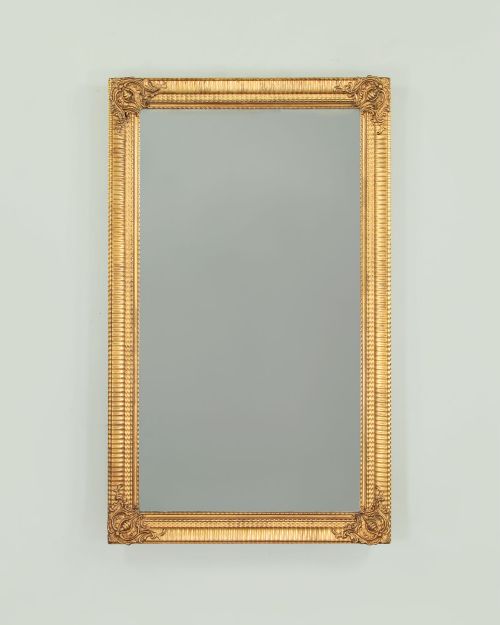
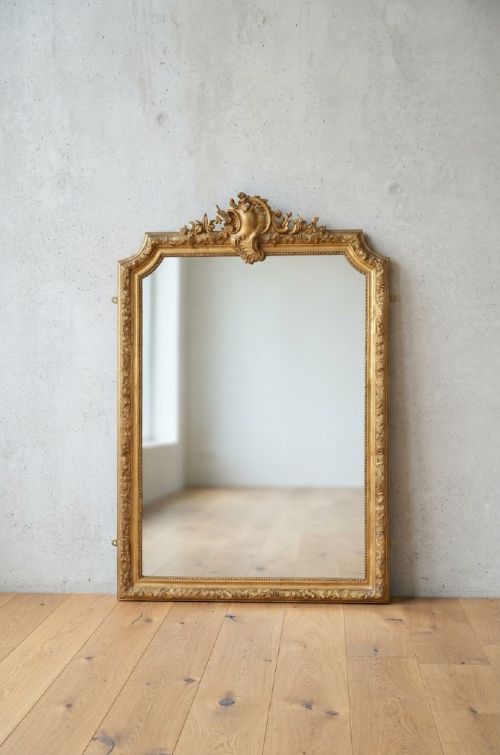
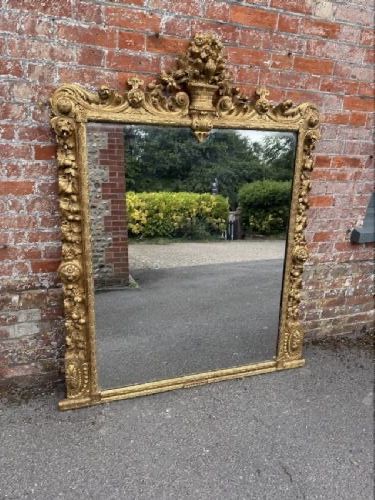
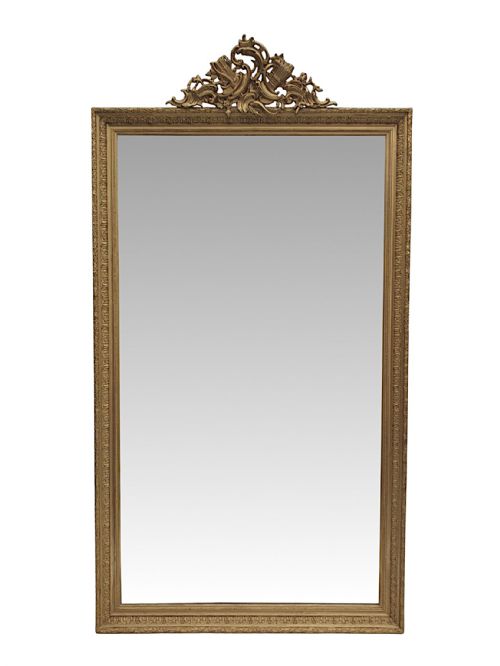
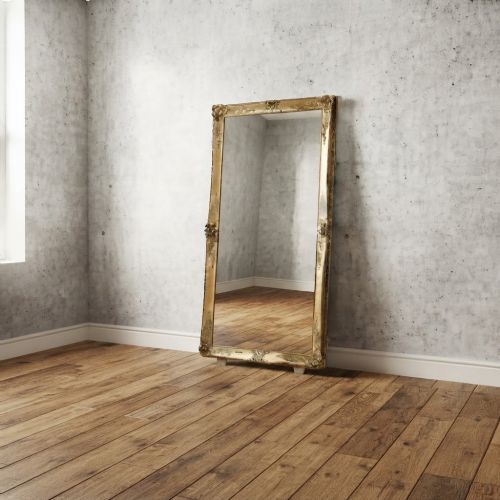
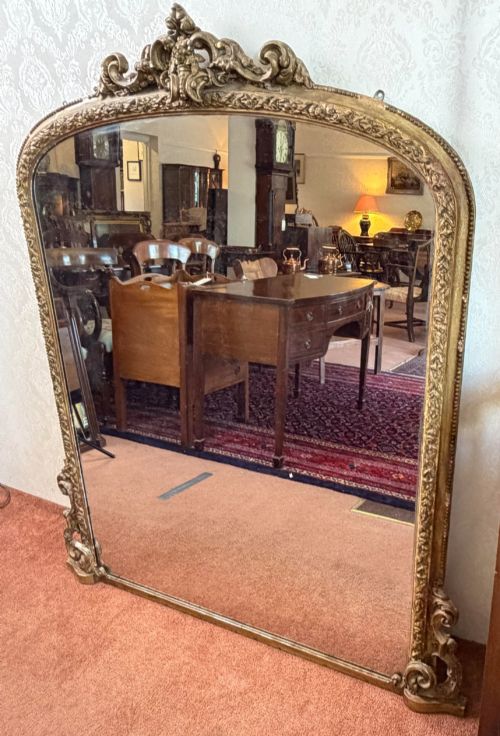
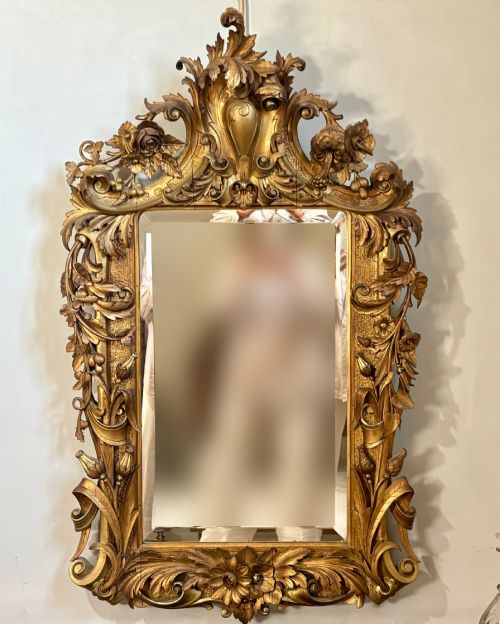
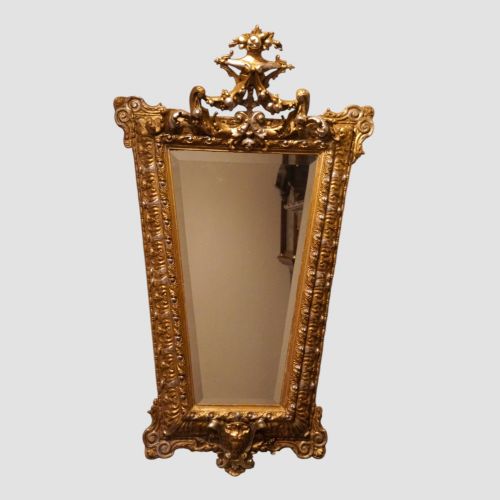
A large ornate wall mirror serves as a dominant focal point within a room, frequently hung above a fireplace mantel or positioned as a full-length leaner piece. These substantial looking glasses appear predominantly in nineteenth-century formats, drawing on Victorian, French Rococo, and classical revival styles.
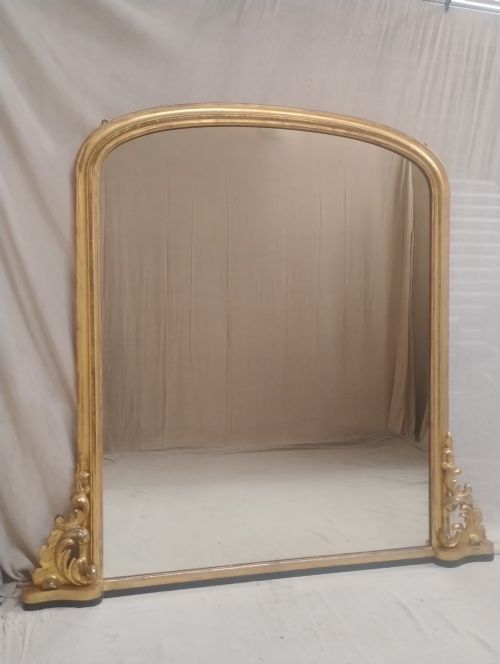
The most common versions encountered are overmantel mirrors featuring arched tops, rectangular proportions, or elaborate crests. Makers designed these heavy fixtures to anchor grand interiors, utilising expansive surfaces to bounce natural daylight across principal living spaces.
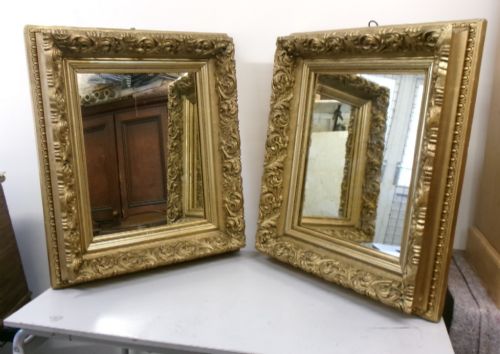
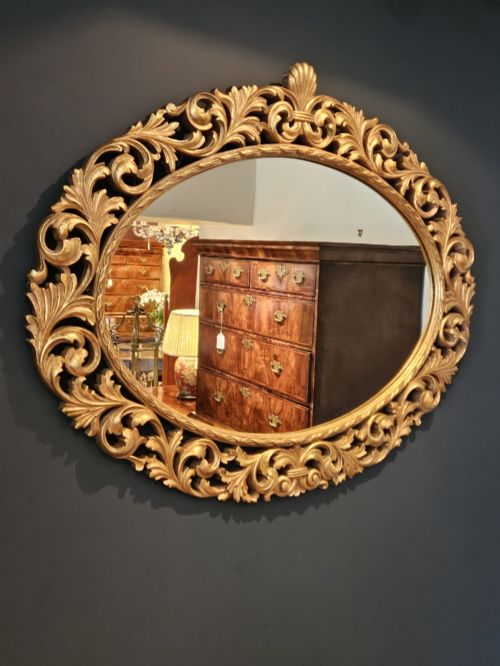
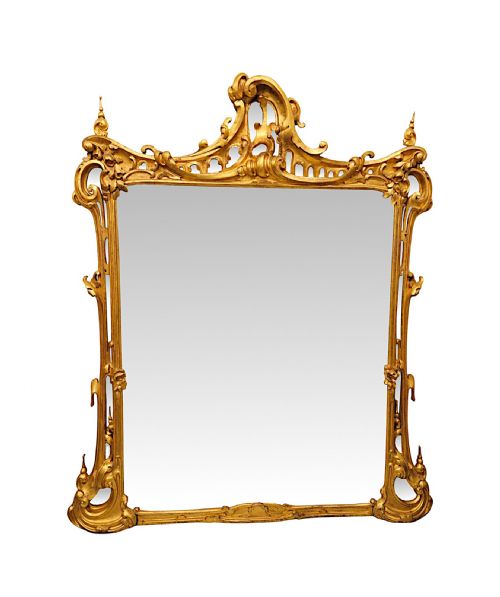
Examples span English and French workshops from the eighteen-fifties through the early twentieth century. Buyers encounter heavily carved wooden frames alongside moulded composition finishes, often finished in rich layers of gold leaf or painted gesso.
Materials and construction
Carved wood provides the primary structural framework for these grand looking glasses, frequently reinforced or detailed with applied composition ornaments moulded into intricate floral and scroll motifs. Artisans layered gesso over the timber bases to prepare a smooth, cohesive surface before applying gold leaf or liquid gilding.
Mirror glass of the period was cast and polished, occasionally showing natural foxing or age spots where the backing has mellowed over decades. Heavy iron or wooden strapwork secures the substantial glass plates safely within their deeply moulded rebated frames.
Certain antique looking glasses retain centuries of reflections, having watched generations of drawing room conversations unfold beneath their gilded crests.
Assessing craftsmanship and condition
Quality reveals itself in the depth and sharpness of the hand-carved woodwork versus mass-produced composition ornament. Superior pieces display crisp undercutting in the foliage and scrolls, whereas lesser examples rely on heavy, blunt moulded plaster.
The integrity of the original gilding and the preservation of the mirror plate dictate the tier of a piece. Original mercury or silvered glass showing soft foxing commands attention, while untouched gilt surfaces retain a warmer metallic lustre than modern repainted substitutes.
The Large Ornate Wall Mirror Glossary
- Giltwood
- Timber that has been coated in gold leaf applied over a prepared gesso ground. This technique creates a luminous, warm metallic finish that ages gracefully.
- Overmantel mirror
- A wide looking glass specifically proportioned to hang on the wall directly above a fireplace mantelpiece. These pieces often feature low centres of gravity and expansive horizontal or arched formats.
- Gesso
- A mixture of chalk, gypsum, and glue binder brushed onto carved wooden frames. It forms a smooth base layer that accepts intricate moulded details and gilding.
- Foxing
- The natural oxidation and ageing of a mirror plate, appearing as small dark spots or cloudy patches. This chemical process occurs over long periods behind the glass.
- Cartouche
- An ornamental sculptural frame resembling a scrolled piece of parchment or tablet, frequently positioned at the crest of French wall mirrors.
- Pier glass
- A tall looking glass designed to hang on the narrow section of wall between two windows. These vertical mirrors maximise ambient light in high-ceilinged rooms.
Large Ornate Wall Mirror: Frequently Asked Questions
Where should I place an overmantel mirror?
Positioning the glass directly above a fireplace creates a traditional focal point that anchors the room's proportions. The reflective surface successfully doubles the visual depth of the space.
Ensure the lower frame rests securely on the mantel shelf or uses proper wall support. This placement draws the eye upward and amplifies natural light from opposing windows.
How do I clean antique mirror glass?
Wipe the glass gently with a soft, lint-free cloth dampened slightly with distilled water or a mild vinegar solution. Avoid spraying liquid directly onto the surface to prevent moisture seeping behind the plate.
Keep chemical cleaners away from the surrounding giltwood or gesso frame. Moisture can quickly lift original gold leaf and damage aged composition ornaments.
What defines a French chateau style mirror?
These grand mirrors feature exuberant carved crests, flowing floral motifs, and tall proportions designed for high-ceilinged European drawing rooms. They frequently incorporate painted finishes alongside traditional gilding.
The aesthetic emphasises asymmetrical Rococo curves and decorative cartouches. Such pieces bring dramatic architectural height and continental elegance to a modern interior.