

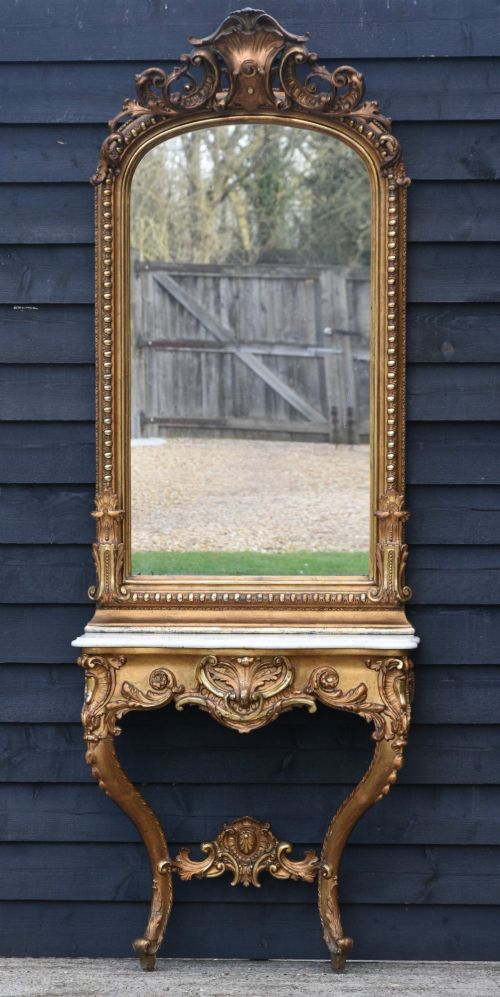
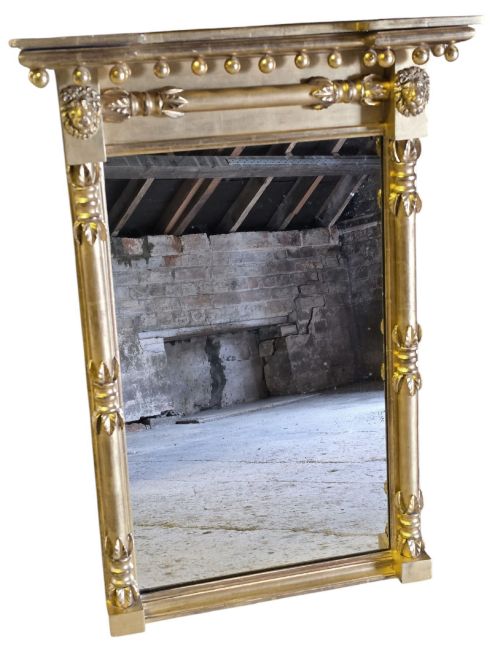
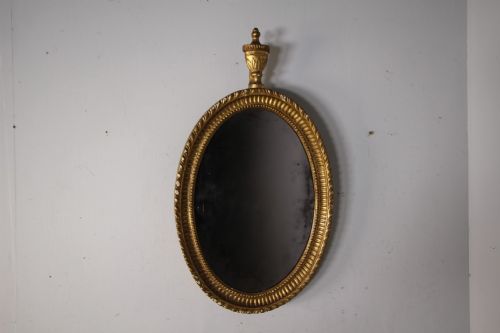
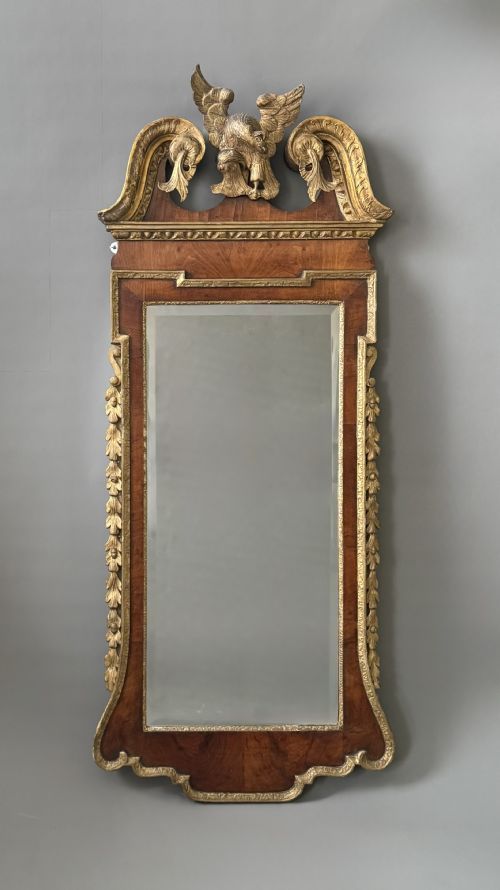

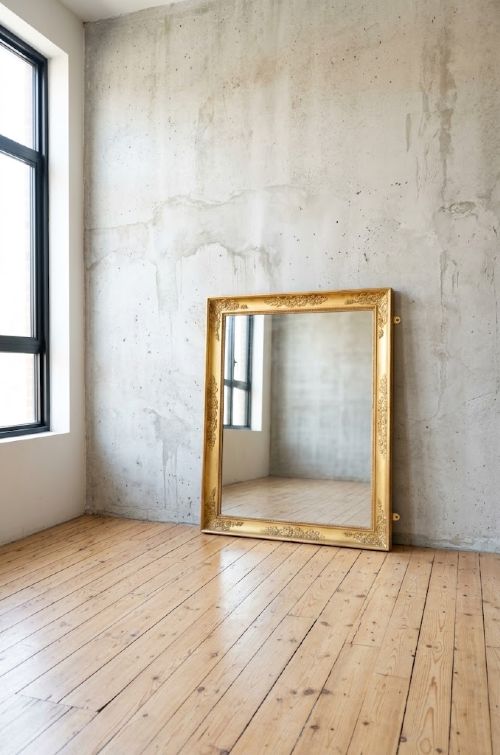
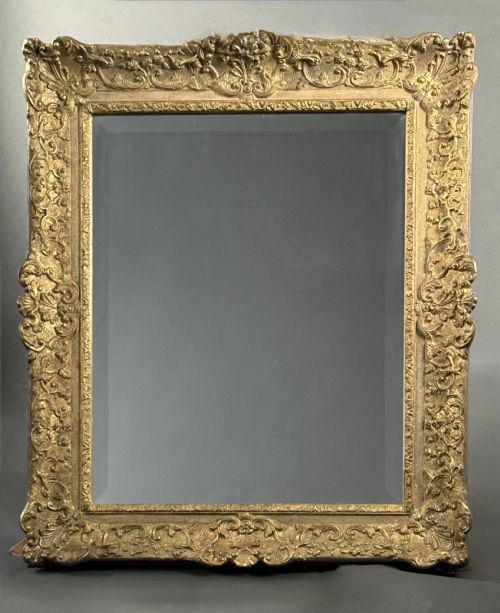
Antique Gilt Glass Mirror
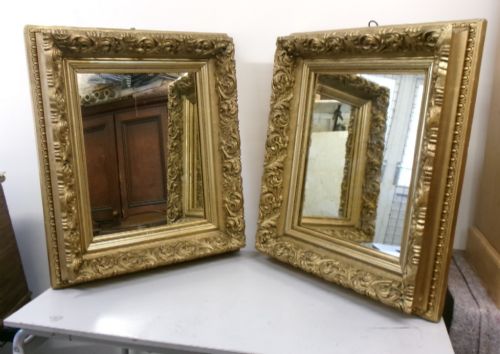
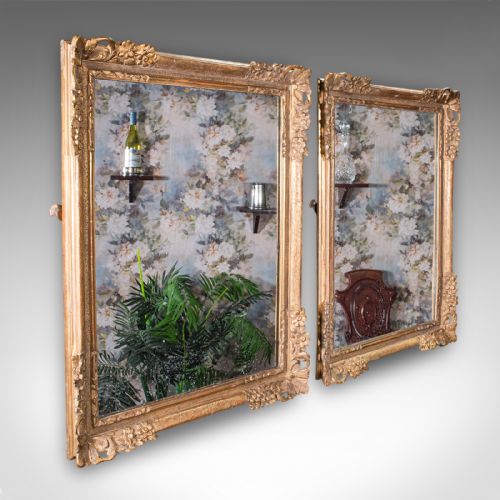
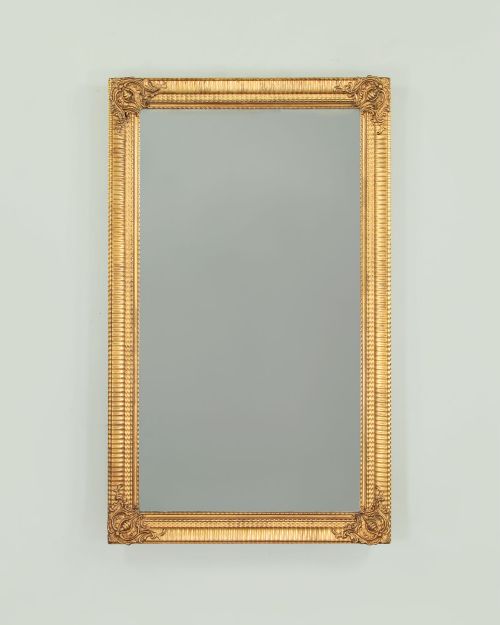
When choosing an antique gilt glass mirror, collectors encounter grand overmantels, pier glasses, and console pairings shaped by Georgian, Regency, and French revival designs.
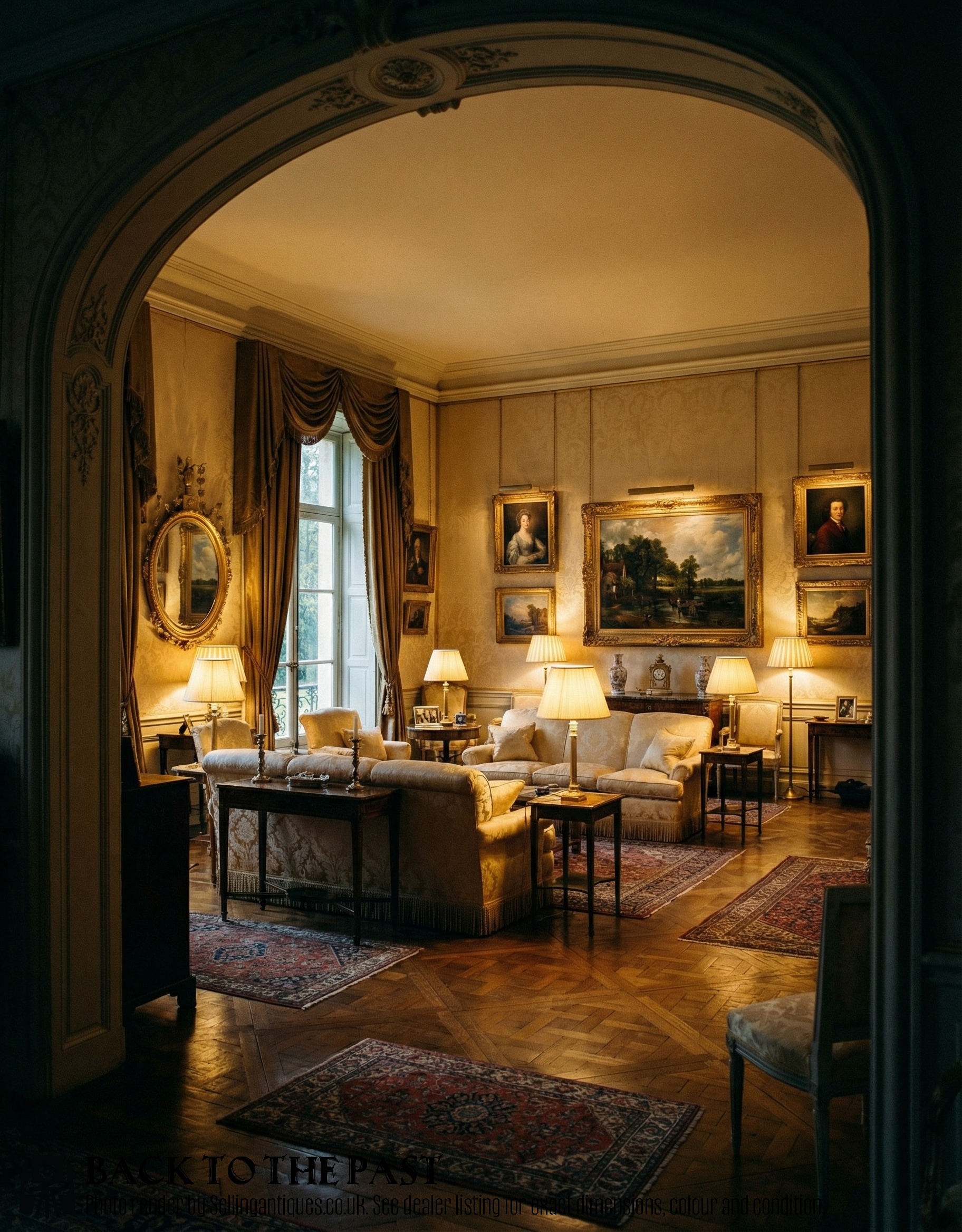
Antique Gilt Glass Mirror
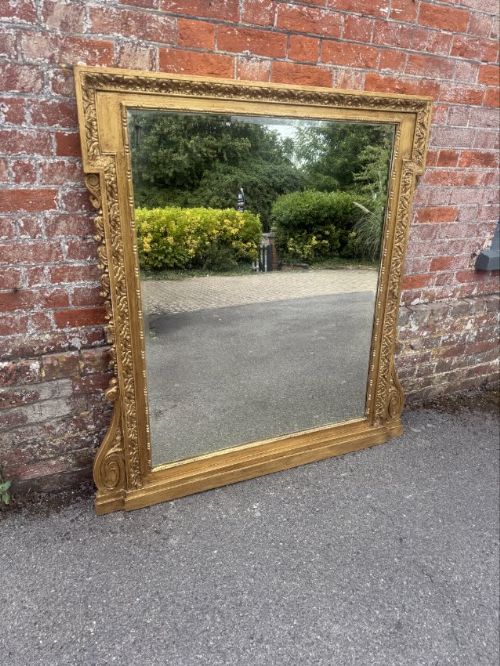
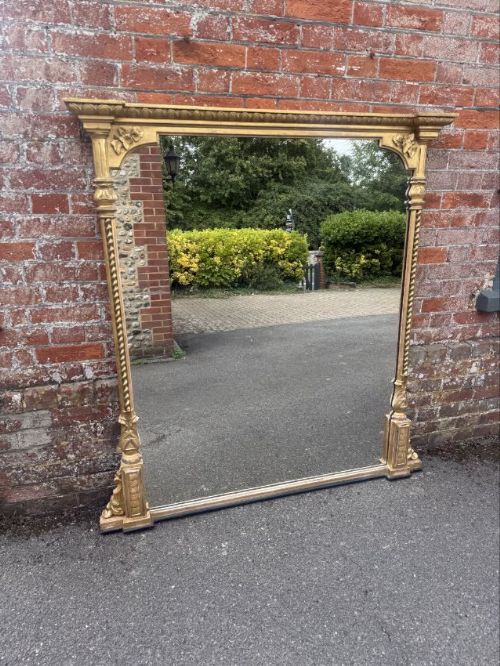
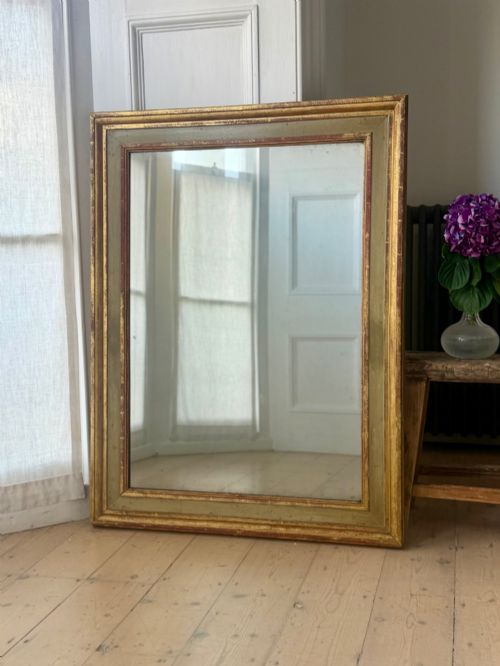
An antique gilt glass mirror serves as both a functional looking glass and a decorative statement piece designed to reflect light and expand interior spaces. Buyers examining this selection will frequently encounter large nineteenth-century English overmantel mirrors and French wall mirrors featuring elaborate carved frames.
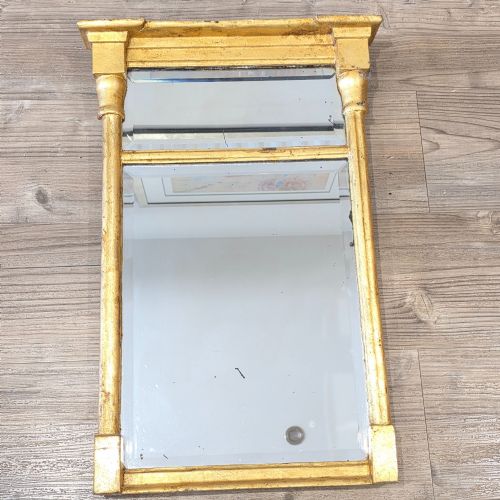
The objects span multiple centuries, incorporating eighteenth-century Georgian and Regency styles alongside Victorian and Edwardian interpretations of Rococo and Neoclassical motifs. Common formats include pier glasses meant to hang between windows, tall trumeau mirrors incorporating pastoral oil paintings, and console table pairings.
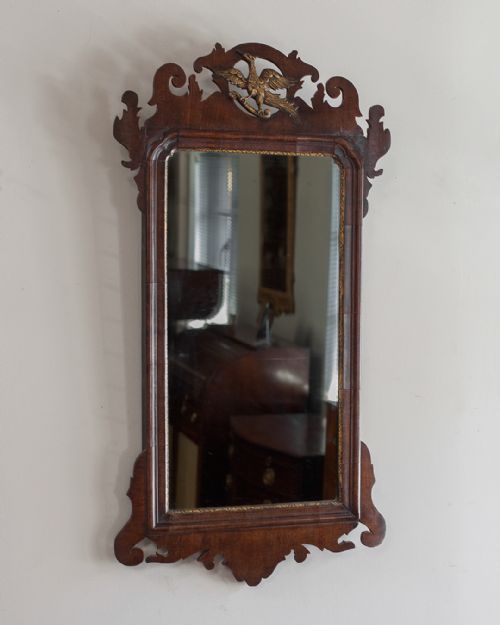
Origin points diverge primarily between English workshops favouring substantial timber and gesso construction and continental French ateliers producing giltwood, mercury glass, and bronze-mounted creations. Each regional variation introduces distinct decorative vocabularies, ranging from restrained walnut fret frames to heavily carved floral and mythological motifs.

How They Were Made
Craftsmen built the structural foundations of these frames using carved woods such as pine, mahogany, and walnut, often applying layers of gesso to create crisp relief details before gilding. Gold leaf or composition was then meticulously laid over the prepared surfaces to achieve a luminous metallic finish.
Mirror plates incorporated traditional manufacturing methods, utilising early mercury glass or hand-bevelled plates that frequently display natural foxing and age spots over time. Frames were secured with pegged or joined corners, whilst specialised pieces included reverse-cut plates and integrated console tables.
Listings feature eighteenth and nineteenth-century periods, incorporating materials such as giltwood, gesso, mercury glass, mahogany, and gold leaf.
What Varies in Quality
The depth and crispness of the hand-carved wood and gesso ornamentation dictate the artistic merit of the frame, distinguishing deeply undercut foliage from shallow, mass-produced moulding. Superior examples retain their original gilding and historic mirror plates, showing harmonious ageing rather than unsympathetic repainting.
Proportion and structural integrity separate standard utility looking glasses from monumental statement pieces designed for principal reception rooms. Original backboards, untouched mercury or bevelled glass plates, and intact structural joinery contribute significantly to the standing of an individual mirror.
The Antique Gilt Glass Mirror Glossary
- Gesso
- A plaster-like mixture applied to wood frames to create a smooth surface for carving and gilding. This material allows artisans to achieve sharp decorative relief before applying gold leaf.
- Mercury glass
- An early type of mirror glass backed with a silver and mercury amalgam rather than modern aluminium. It often develops characteristic dark spots known as foxing over the centuries.
- Overmantel mirror
- A large horizontal looking glass designed specifically to hang above a fireplace mantelpiece. These pieces frequently incorporate arched or shaped tops to match architectural proportions.
- Pier glass
- A tall, narrow mirror traditionally hung on the pier wall between two windows. They were often paired directly with console tables placed underneath.
- Trumeau mirror
- A decorative wall mirror that incorporates an oil painting or panel within the upper section of the frame. Originating in France, these pieces combine art and reflection into a single architectural element.
Antique Gilt Glass Mirror: Frequently Asked Questions
How do I hang a heavy antique overmantel mirror?
Heavy antique mirrors require professional wall anchoring directly into structural studs or masonry using rated brackets that match the weight of the timber and gesso frame. Due to the substantial mass of nineteenth-century frames, wire alone is rarely sufficient for secure mounting.
Position the mirror at a height that allows comfortable viewing while ensuring the weight is evenly distributed across multiple secure load-bearing fixing points.
What is mercury glass and how do I spot it?
Mercury glass refers to historic mirror plates created using a silver and mercury backing technique rather than modern chemical silvering processes. These plates typically display characteristic cloudiness, dark spots, and speckled oxidation known as foxing.
Examining the edge of the glass often reveals the thicker, hand-finished nature of these early plates compared to modern machine-rolled alternatives.
Can I clean the original gold leaf on my mirror?
Original gold leaf and composition frames require extremely gentle maintenance using a soft, dry ostrich feather duster or a clean, dry artist brush. Moisture and commercial cleaning agents can strip historic water-gilding or damage fragile gesso details.
Avoid rubbing the surface and consult a professional conservator if the frame accumulates stubborn grime or shows signs of flaking.
How do I distinguish a Regency mirror from a Victorian one?
Regency mirrors tend to exhibit cleaner neoclassical lines, often featuring architectural elements like reeded columns, ball-bearing friezes, and convex circular plates inspired by classical antiquity. Victorian pieces, by contrast, frequently embrace heavier ornamentation and revival styles like Rococo Revival with dense, asymmetrical foliage.
Examining the underlying construction materials, backboards, and fastener types helps confirm the manufacturing era of the piece.