




French Gilt Cocktail Table
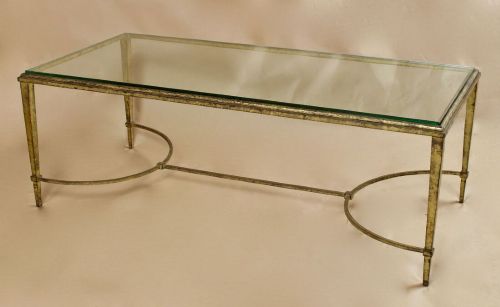
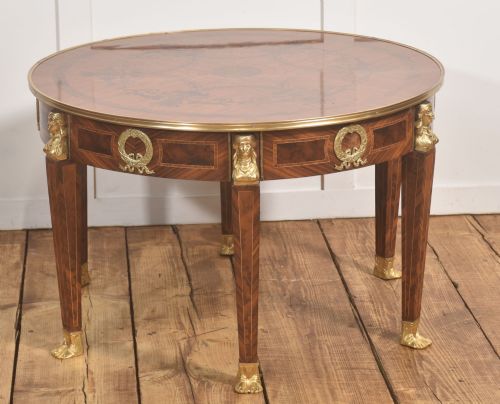
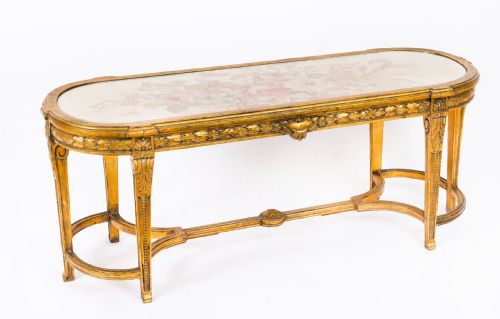
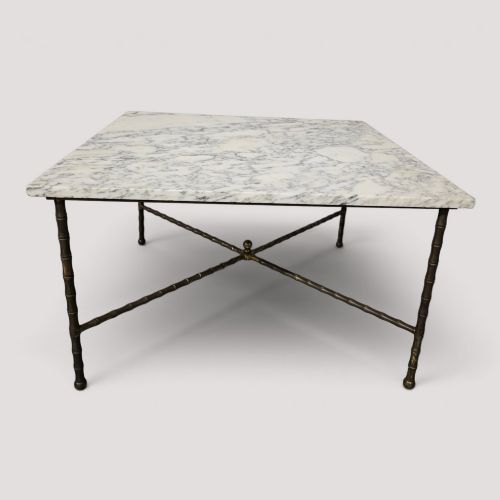
These French gilt cocktail table examples combine gleaming metalwork with marble or wood surfaces, bringing refined surface and form to a room.
French Gilt Cocktail Table
A french gilt cocktail table is a low surface designed for drinks and display, typically finished with bright metallic highlights or entirely gilded surfaces. These pieces draw on historical European aesthetics, taking the form of coffee tables and low occasional tables.
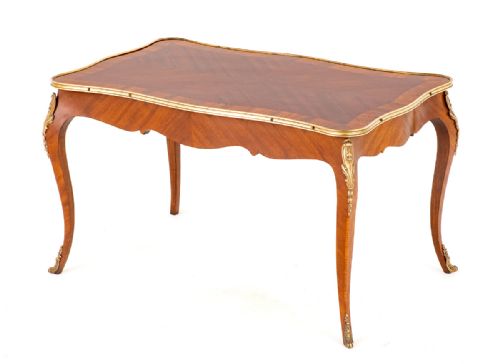
The versions most commonly met on this page date from the late nineteenth century through to the middle of the twentieth century. They encompass revival designs such as Louis XVI style and Louis XV style, alongside mid-century interpretations by notable ateliers.
Makers working within these traditions paired structural timber or iron frames with decorative stone tops and polished mountings. The resulting low tables bridge the gap between grand reception rooms and modern domestic interiors.
Materials and construction
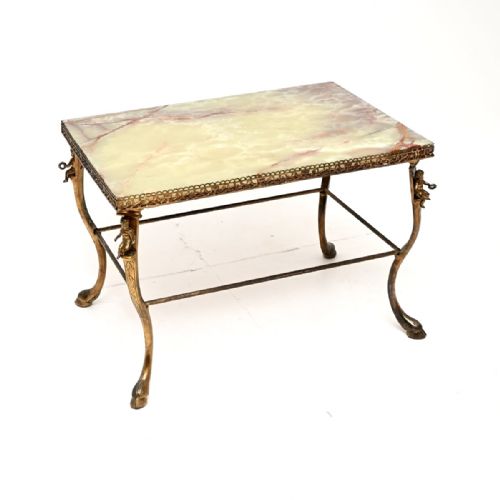
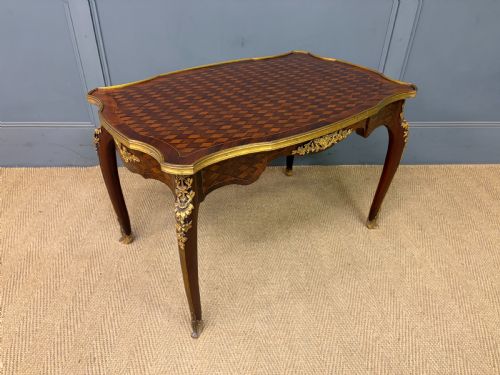
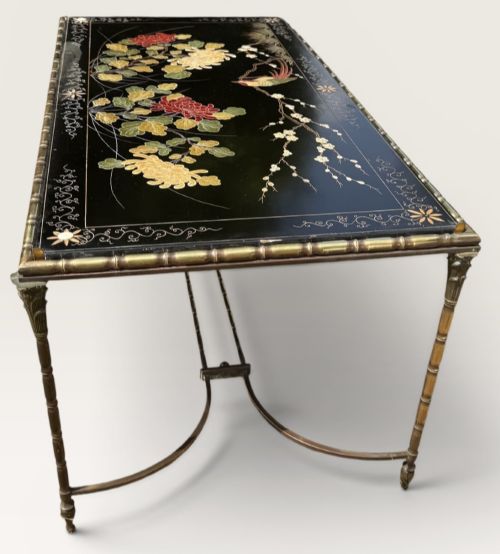
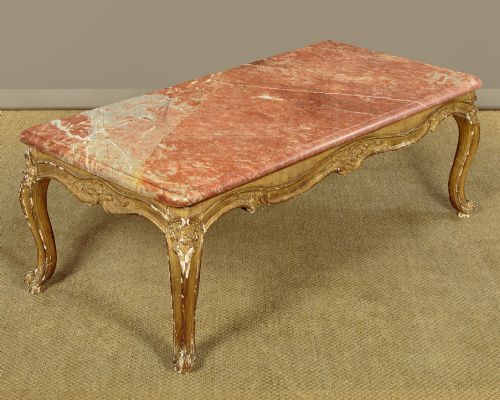
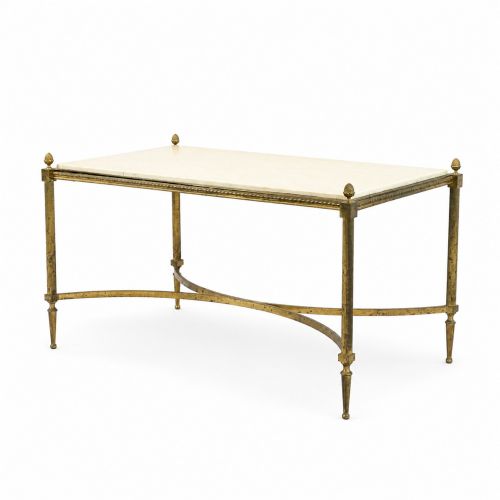
Construction relies on a combination of metal frames, timber carcases, and inset stone or glass panels. Gilt brass, ormolu, and giltwood provide the shimmering exterior finish characteristic of these tables.
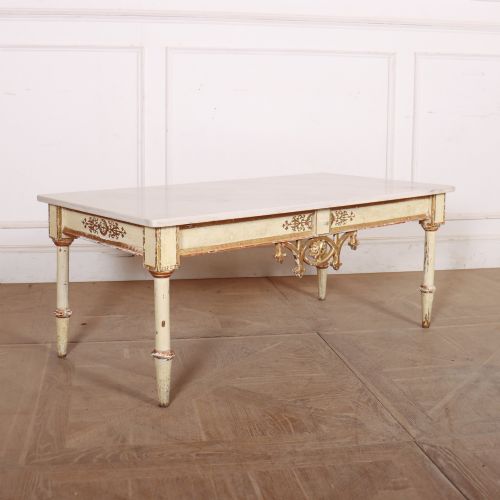
Marble and onyx are frequently used for the upper surfaces, resting upon sturdy wooden or wrought iron structures. Marquetry and parquetry techniques also appear on the wooden tops of select examples.
French Gilt Cocktail Table Retail Price Guide 2026
Typical asking prices for french gilt cocktail table among the pieces listed under this phrase on Sellingantiques today, from the lower quarter to the upper quarter. They describe what is for sale here now, not the wider market.
Some tables feature secret spots where gilded wrought iron ivy leaves intertwine beneath the tea service.
Factors of quality
Quality rests in the crispness of the cast metal mounts and the depth of the gilding applied to the frame. Finer examples display hand-chased details on the brass and ormolu rather than uniform cast surfaces.
The selection of materials also dictates the standing of the piece, with genuine marble and onyx tops holding greater weight than simpler wooden alternatives. The integration of recognised workshop names elevates the standard further.
Maison Ramsay·Maison Bagues
The French Gilt Cocktail Table Glossary
- Ormolu
- Gilt bronze mounted on furniture or decorative objects. It involves applying a finely ground high-carat gold-mercury amalgam to a bronze object.
- Marquetry
- The art and craft of applying pieces of veneer to a structure to form decorative designs. It uses varied wood grains and tones to create pictorial patterns.
- Parquetry
- Geometric mosaic woodwork used for floors and tabletops. It forms repeating patterns such as squares, triangles, and parallelograms.
- Giltwood
- Wood that has been treated with gold leaf or gold paint. It provides a brilliant metallic finish to carved wooden frames and mouldings.
French Gilt Cocktail Table: Frequently Asked Questions
What is a french gilt cocktail table?
A french gilt cocktail table is a low surface featuring gilded wood or metal ornamentation, designed for entertaining and domestic use. These low tables frequently incorporate marble tops or decorative marquetry surfaces.
Originating largely from late nineteenth and early twentieth-century production, they reflect historical revival styles alongside mid-century French design. Their compact proportions make them suitable for placing before sofas in sitting rooms.
How were these tables used originally?
These tables served in grand salons and drawing rooms for holding drinks, reading materials, and decorative objects. Their low height accommodated the seating arrangements of the period.
Over time, their function evolved to become central fixtures in modern living spaces, where their reflective surfaces help to brighten a room.
How do I identify Louis XVI style?
Louis XVI style pieces are characterised by straight lines, neoclassical symmetry, and classical architectural motifs. Look for fluted legs, restrained carving, and geometric balance.
This aesthetic contrasts with the earlier flowing curves of the Louis XV style, offering a more formal appearance.
How do I care for marble tops?
Marble tops require gentle cleaning with a damp cloth and mild, pH-neutral soap to preserve the polish. Avoid acidic substances like wine, citrus, or vinegar which can etch the stone surface.
Using coasters and mats helps protect the natural stone from stains and scratches during everyday use.