

French Gilt Bronze Candelabrum
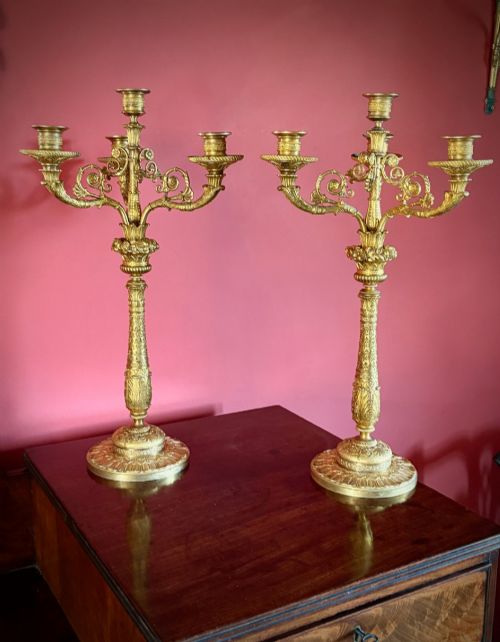
A french gilt bronze candelabrum brings interior lighting into conversation with classical sculpture, cast metal and rich surface gilding.
French Gilt Bronze Candelabrum
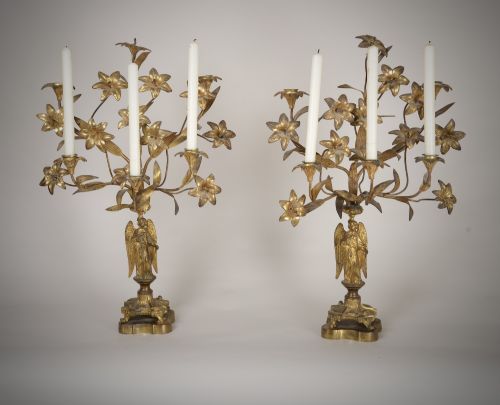
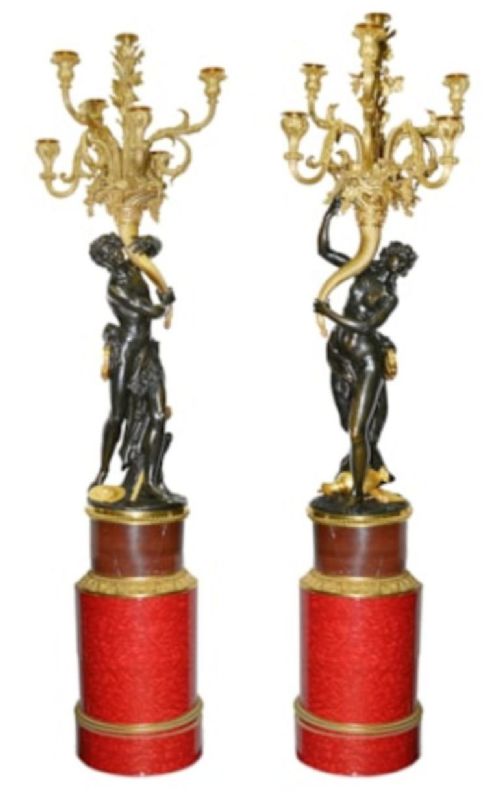
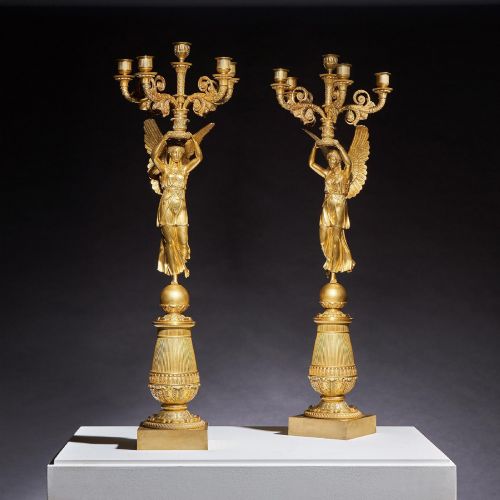
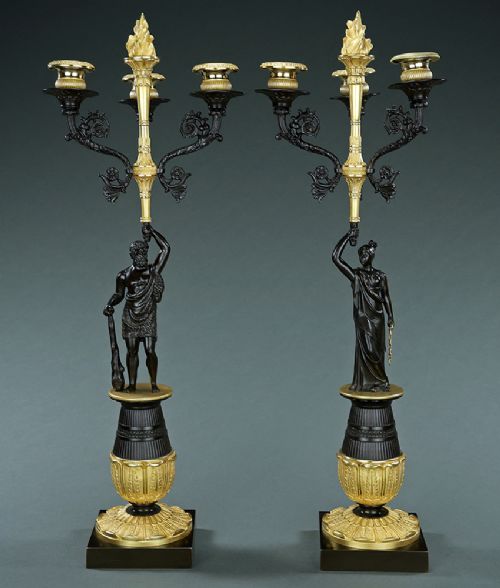
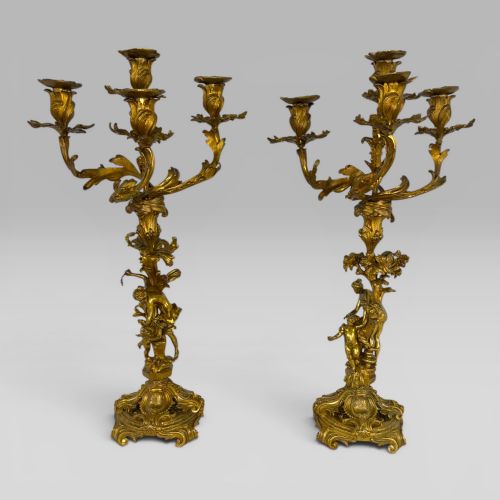
A french gilt bronze candelabrum stands as a branched lighting fixture cast in metal, often taking the form of figural pairs designed for mantelpieces or side tables. These pieces emerge primarily from the nineteenth century, drawing on historical design vocabularies like Louis XVI, Rococo Revival and Empire styles.
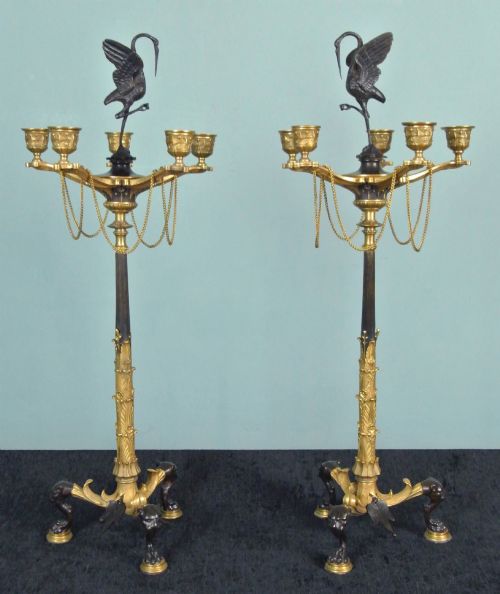
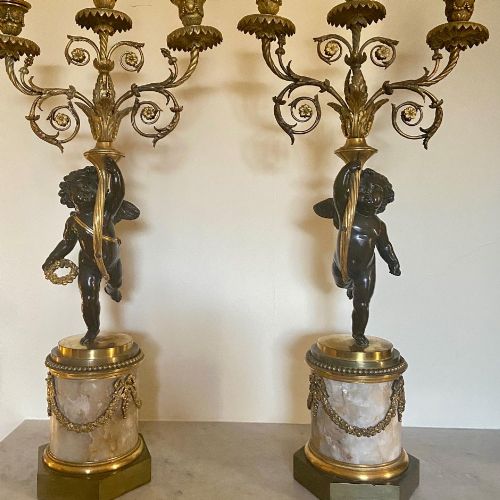
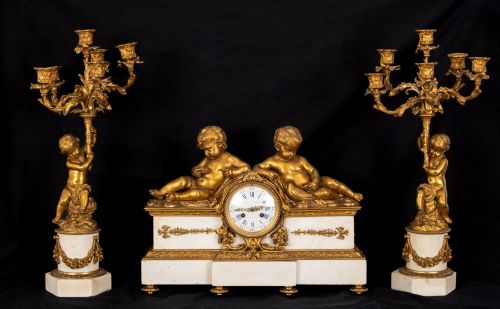
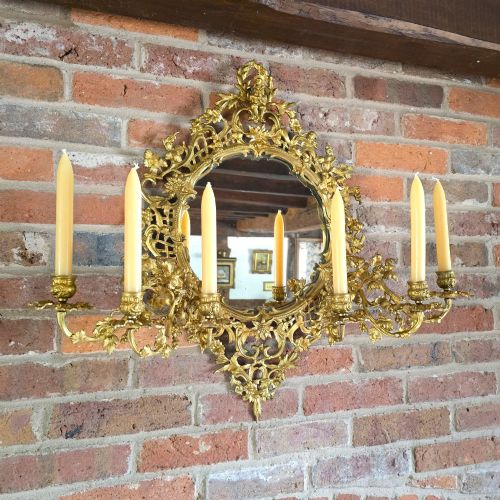
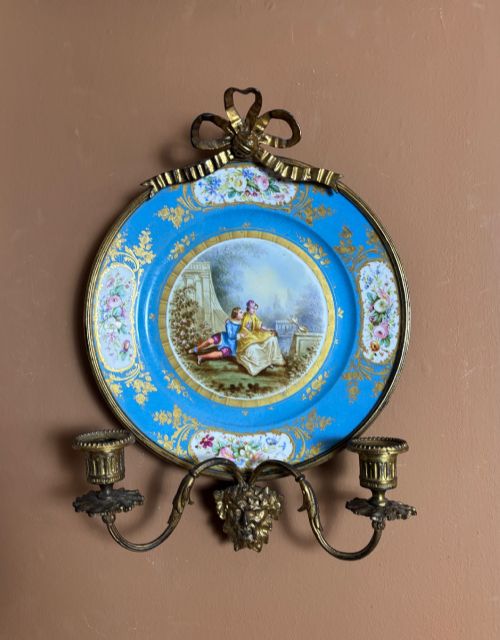
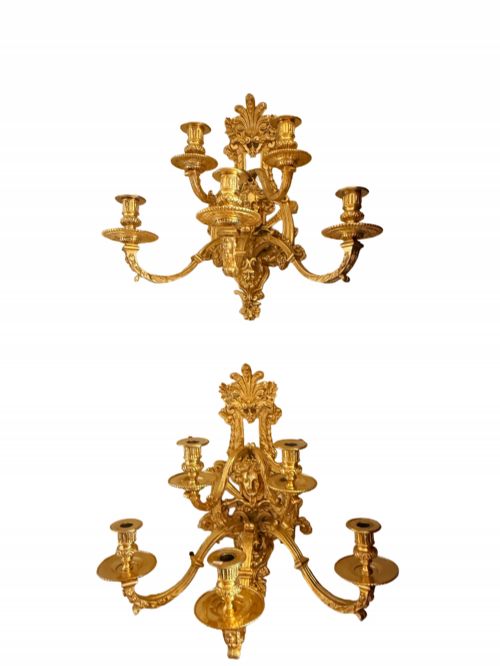
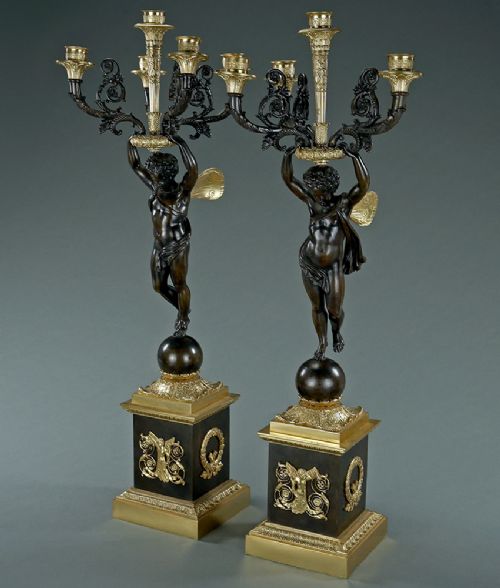
Makers frequently combined cast bronze components with white marble bases, incorporating patinated bronze figures alongside polished ormolu arms. Alongside standard candelabra forms, buyers encounter related garniture sets, wall sconces and candlesticks sharing identical decorative metalwork.
The dominant survival on the market is the paired set, intended to balance the mantel or console table symmetrically. These range from simple multi-branch candleholders to complex figural compositions featuring cherubs, mythic figures and foliate scrolls.
Materials and casting techniques
Foundries produced these objects by casting bronze into detailed moulds, employing lost-wax or sand-casting methods to achieve intricate relief work. Artisans then applied mercury gilding or gold leaf plating to selected surfaces, creating the characteristic ormolu finish that contrasts against dark patinated bronze elements.
Marble and onyx bases provided stable foundations for heavy metal branches, secured via internal threaded rods and nuts. Secondary materials like enamel, crystal and porcelain occasionally appear as mounted accents within the structural metal framework.
Listings feature eighteenth-century and nineteenth-century periods alongside materials like gilt bronze, white marble, enamel and onyx.
Distinguishing quality in metalwork
The depth and durability of the gold ormolu layer dictate visual permanence, separating richer fire-gilded surfaces from thin electroplated finishes. Integration between the bronze mounts and natural stone bases further indicates the original workshop ambition and structural integrity.
Barbedienne·Francois Redmond·Pierre Philippe Thomire·Thiebaut Freres·Rabiat
The French Gilt Bronze Candelabrum Glossary
- Ormolu
- Gilt bronze produced by applying a mercury and gold amalgam to a bronze object and heating it until the mercury vaporised. This technique leaves a resilient golden layer with a soft matte sheen.
- Garniture
- A set of three or more matching ornamental objects, typically comprising a central mantel clock flanked by matching candelabra or vases. These decorative groups were manufactured to coordinate domestic interiors.
- Patinated bronze
- Bronze treated with chemical solutions to darken the surface colour to brown, green or near-black. This dark tone provides contrast against bright gilt elements.
- Champleve
- An enamelling technique where troughs are dug into the bronze surface and filled with coloured vitreous enamel before firing. It creates decorative patterns across the metal body.
- Casting
- The process of pouring molten metal into a mould to form a specific shape. Hand-chasing usually follows this step to refine the surface details.
French Gilt Bronze Candelabrum: Frequently Asked Questions
How do I clean a gilt bronze surface safely?
Dust the metal gently with a soft dry brush to remove surface particles without abrasive contact. Avoid chemical polishes, water and abrasive cloths, as these substances strip away historic gilding.
For stubborn grime, consult a professional conservator rather than attempting aggressive home cleaning methods. Preserving the original ormolu surface protects both historical integrity and visual character.
Were these candelabra wired for electricity later?
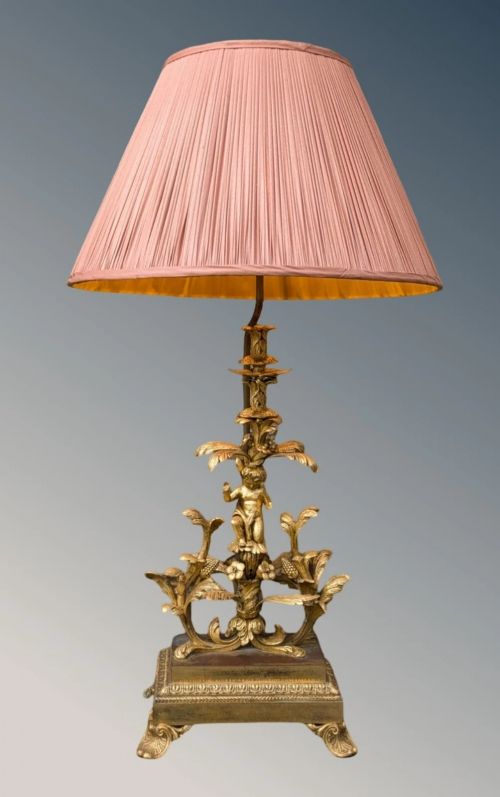
Many surviving examples retain their original candle sockets and drip pans intended strictly for wax lighting. Some pieces received later electrical conversions to function as table lamps or wired light fixtures.
Buyers should examine the internal channels to determine if wiring was threaded through the central stem without damaging historic components. Reversible adaptations allow modern use while keeping the original structure intact.
What is a clock garniture set?
A clock garniture pairs a central mantel timepiece with two matching side pieces, such as candelabra, urns or vases. These matched groups were designed to create a unified decorative statement across a fireplace mantel.
Individual pieces share identical casting styles, materials and decorative motifs like cherubs or scrolling foliage. Finding a complete, undamaged set remains a central goal for collectors.
How do I distinguish Empire style from Rococo Revival?
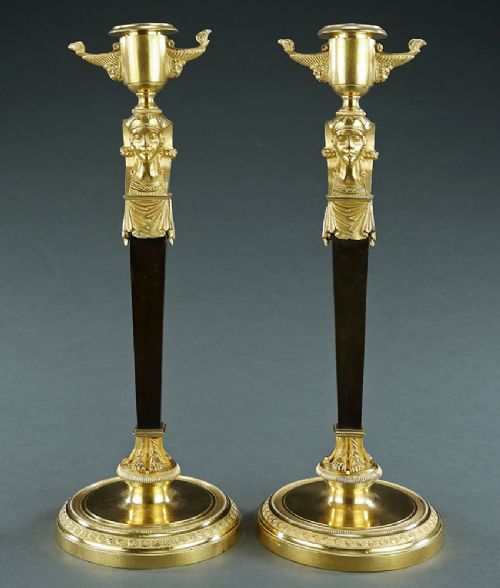
Empire style draws on classical Roman, Greek and Egyptian motifs, featuring symmetrical geometry, military trophies and patinated figures. Rococo Revival pieces showcase asymmetrical scrolls, naturalistic floral arrangements and organic shell forms.
Examining the casting lines and decorative vocabulary reveals which historical period inspired the nineteenth-century workshop. Understanding these stylistic shifts helps date individual pieces accurately.